Artwork
Aluaso Semedo
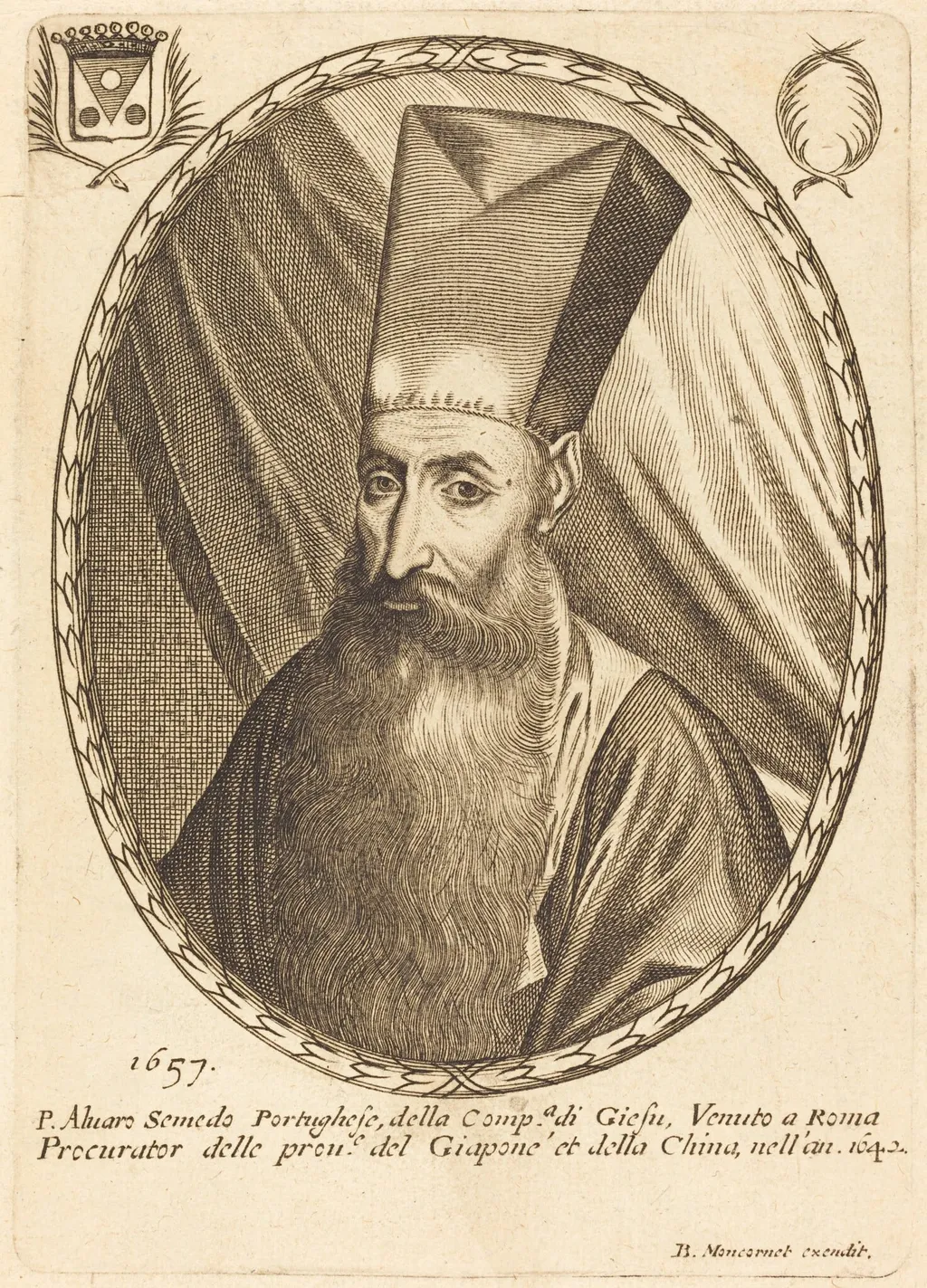
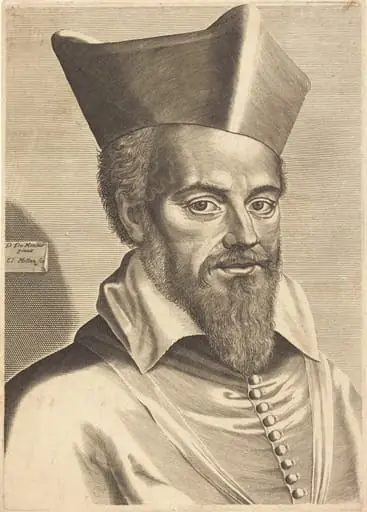
Aluaso Semedo is an ink print by the Baroque artist Balthasar Moncornet. It dates from 1657 and is held in the collection of the National Gallery of Art.
About this work
Overview
Known for his work in multiple media—including painting, engraving, and tapestry design—he focused on capturing the likenesses of contemporary notable figures.
Balthasar Moncornet, a French artist active in the mid-17th century, produced *Aluaso Semedo* in 1657 as an engraved portrait on laid paper. Known for his work in multiple media—including painting, engraving, and tapestry design—he focused on capturing the likenesses of contemporary notable figures. This print is one of approximately forty-five such portraits he created, reflecting his dedication to documenting the faces of his era through precise graphic techniques.
Subject & Meaning
The subject is Aluaso Semedo, a figure of prominence in the 17th century, though specific biographical details remain limited. The portrait presents him with a long beard and a tall, pointed hat, attire suggesting status or profession. His direct gaze and solemn expression convey a sense of dignity and presence, aligning with the conventions of portraiture meant to assert identity and authority. The image functions as a visual record rather than a narrative scene.
Technique & Style
Moncornet employed fine-line engraving on laid paper, using cross-hatching and controlled shading to model form and texture. The dark robe and light collar are rendered with graduated tones, while the background’s subtle gradation suggests depth without distraction. The precision of the lines captures individual features—wrinkles, beard strands, and fabric folds—with clarity. The technique emphasizes realism through tonal variation rather than color, typical of engraved portraiture of the period.
History & Provenance
Created in 1657, the print likely circulated among collectors and intellectuals in France, where Moncornet operated in Rouen and Paris. As part of a series documenting contemporary figures, it may have been sold individually or bound in albums. Its survival into modern collections indicates continued interest in Moncornet’s work, though its specific early ownership history remains undocumented in public records.
Context
In mid-17th-century France, engraved portraits served as accessible records of influential individuals, bridging the gap between painted likenesses and mass reproduction. Moncornet’s work aligned with a broader European trend of documenting statesmen, scholars, and artists through print. His focus on recognizable figures reflected a growing cultural interest in individual identity and the visual documentation of social hierarchy.
Legacy
Moncornet’s engraved portraits, including *Aluaso Semedo*, contribute to the historical archive of early modern European portraiture. While not widely known today, his prints remain valuable for their technical precision and as primary sources for understanding the appearance and self-presentation of 17th-century elites. His approach influenced later engravers who sought to combine accuracy with artistic restraint in reproductive portraiture.
Artist & collection
Artist
Balthasar Moncornet (1600, Rouen – 1668, Paris) was a French painter, engraver, and tapissier revered for his depictions of around 45 different prominent figures of the 17th century.

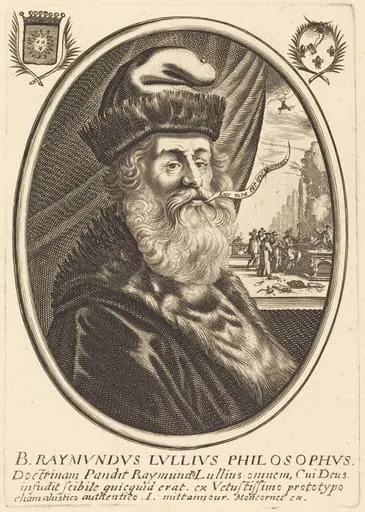 Raymond Lulle
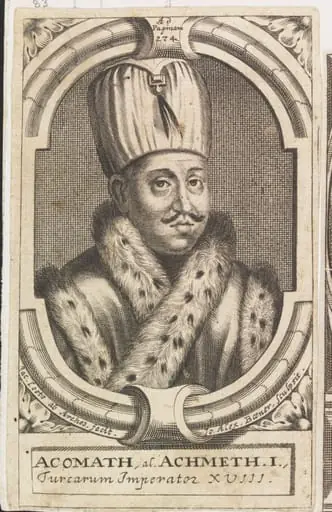 Turkish sultans, sultanas and other historical figures
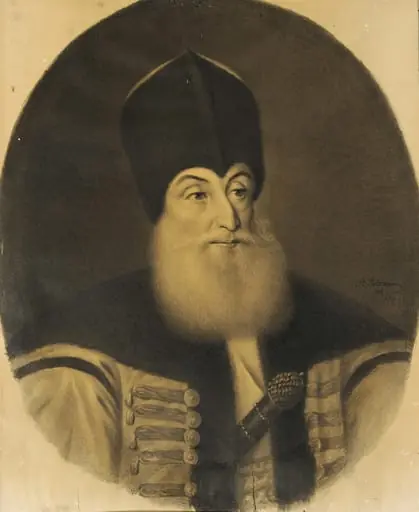 Προσωπογραφία του Αλεξάνδρου (Βόδα) Σούτσου
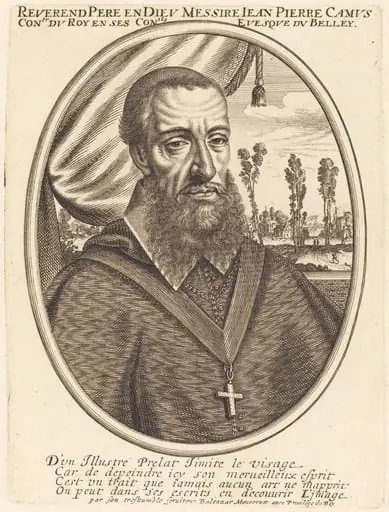 Jean Pierre Camus
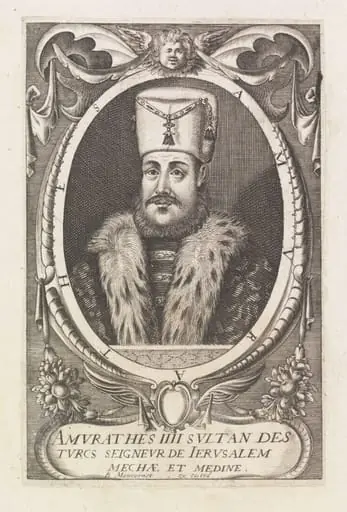 Turkish sultans, sultanas and other historical figures
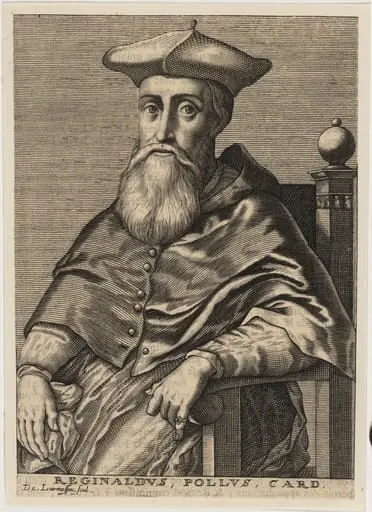 Cardinal Reginald Pole, Archbishop of Canterbury
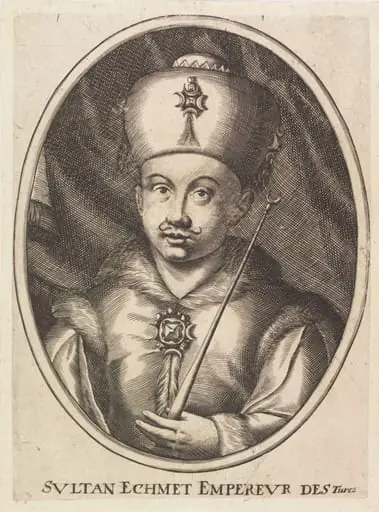 Turkish sultans, sultanas and other historical figures
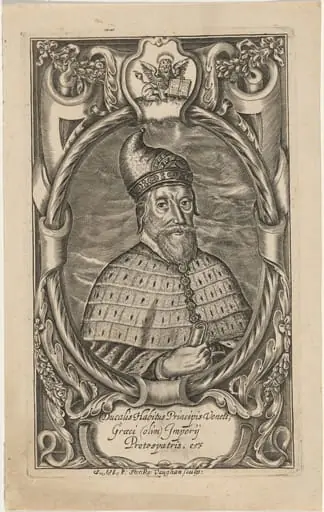 A Doge of Venice
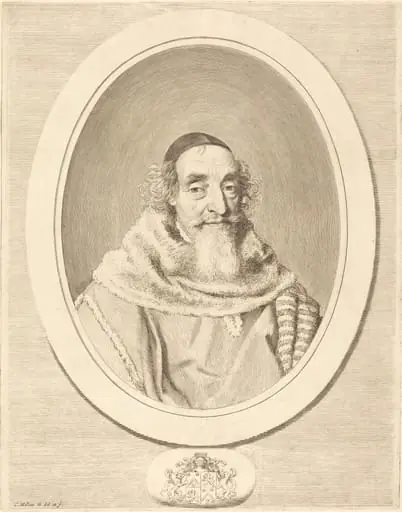 Mathieu Mole
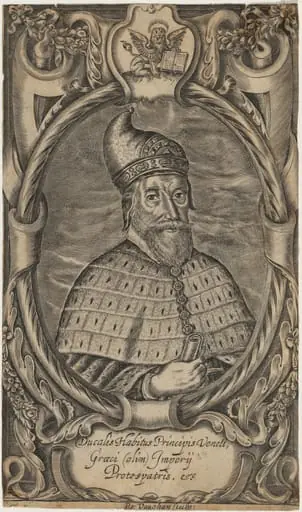 A Venetian Doge
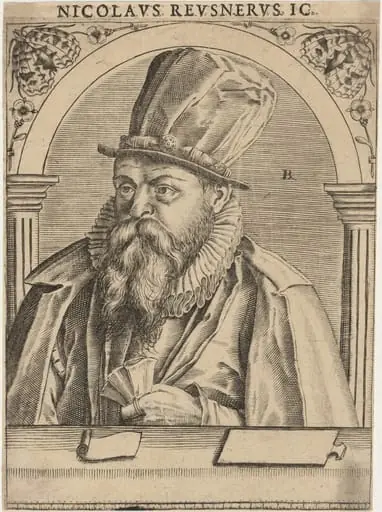 Nicolas Reusner
 Nicolas Coeffeteau