Artwork
Hiclo e Naucleo Argon condotti nel carro di Nettuno
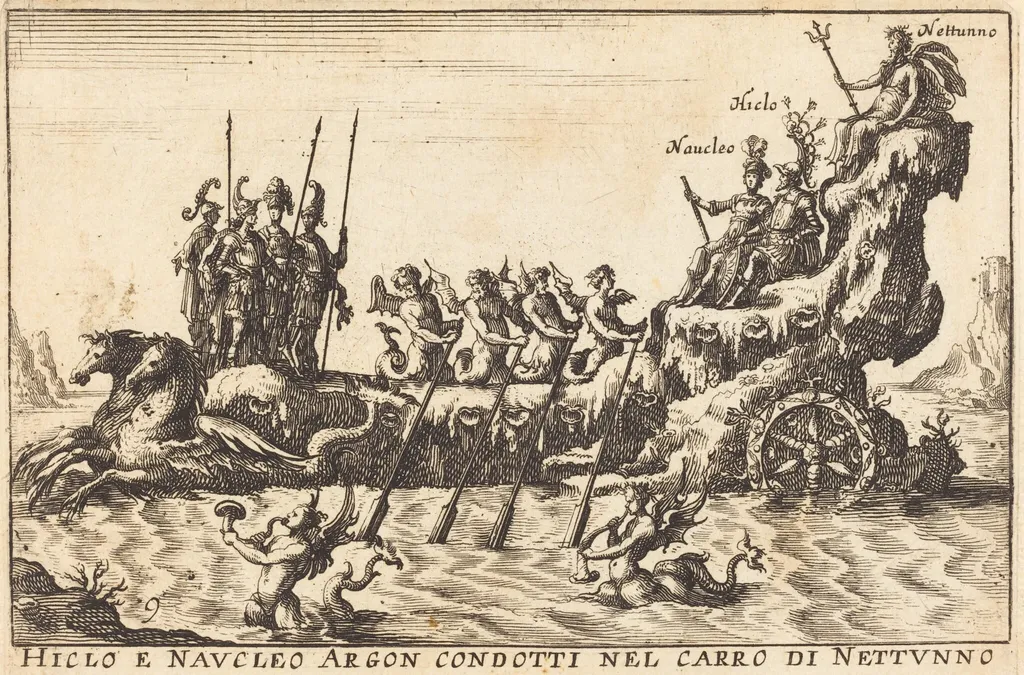
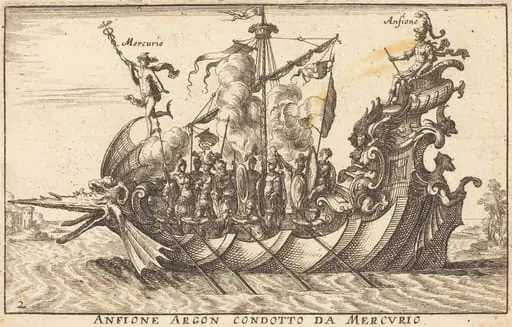
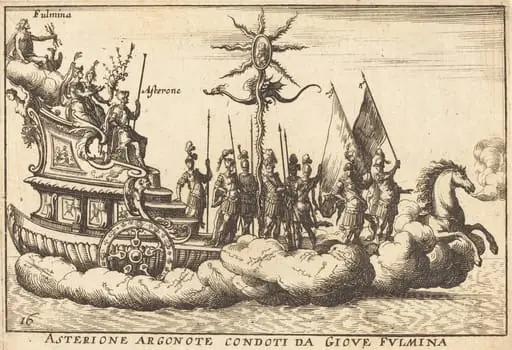
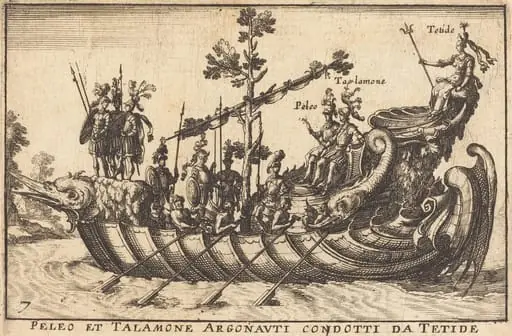
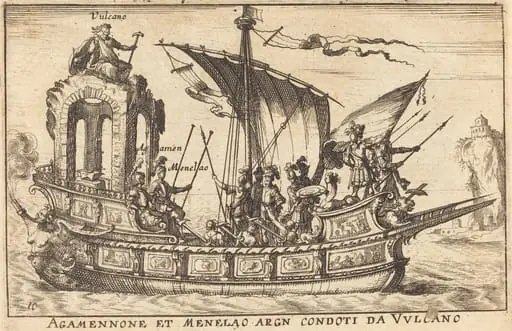
Hiclo e Naucleo Argon condotti nel carro di Nettuno is an ink print by the Baroque artist Balthasar Moncornet. It dates from 1634 and is held in the collection of the National Gallery of Art.
About this work
Overview
Balthasar Moncornet's 1634 etching, *Hiclo e Naucleo Argon condotti nel carro di Nettuno*, is a dynamic black-and-white print on laid paper, characteristic of the artist's printmaking output during his Parisian career.
Subject & Meaning
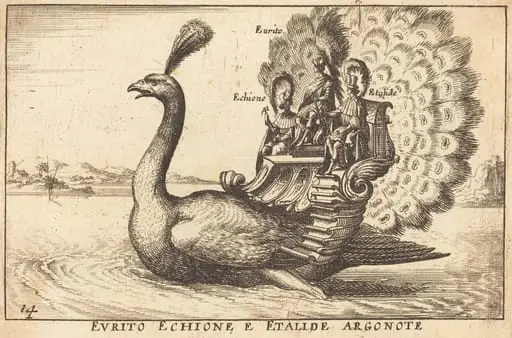
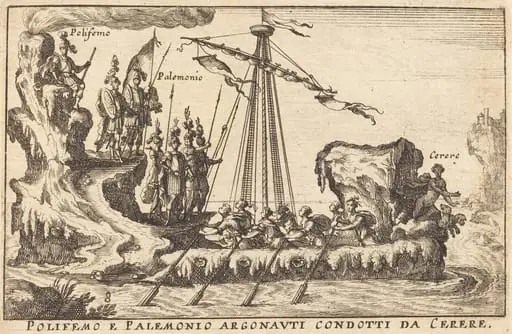
The etching depicts a chaotic mythological scene where the robed figures Hiclo and Naucleo are conveyed on Neptune's chariot, pulled by sea horses, amidst a stormy sea. The composition contrasts the serene figure with a scared one, set against the powerful backdrop of Neptune riding a sea creature and wielding a trident.
Technique & Style
Moncornet's etching showcases dense, expressive lines that carve out a scene of intense movement and drama. Every inch of the plate is utilized to convey the turmoil of the storm and the energy of the mythological narrative.
History & Provenance
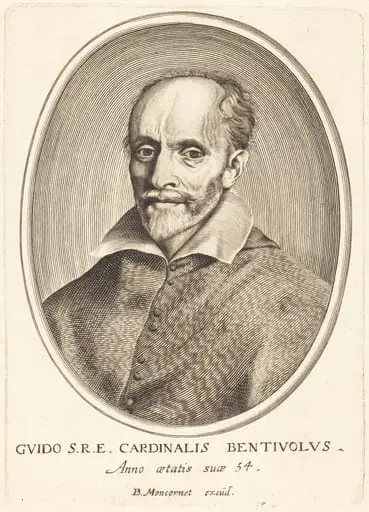
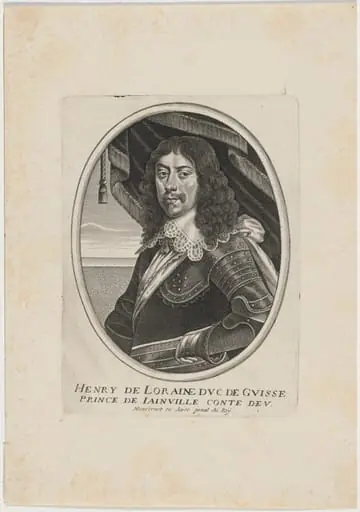
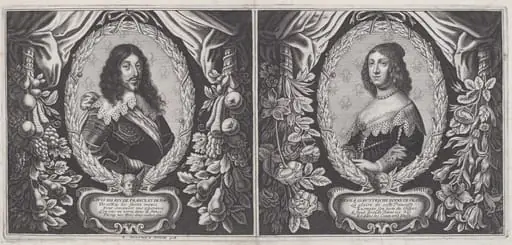
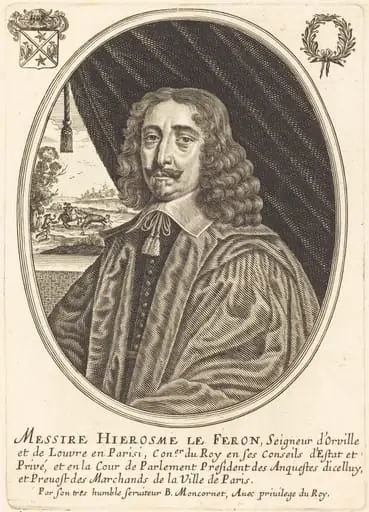
Created in 1634, this etching is part of Moncornet's body of work as a versatile French artist known for portraits of 17th-century notables, as well as his contributions to printmaking and tapestry design in Paris.
Context
While the broader contextual influences on this specific etching are not detailed, it reflects the Baroque period's penchant for dramatic and emotionally charged depictions of mythological themes.
Legacy
The legacy of *Hiclo e Naucleo Argon condotti nel carro di Nettuno* lies in its representation of Moncornet's skill in etching and his ability to capture dynamic mythological scenes, though its impact on the broader art historical canon is not prominently noted.
Artist & collection
Artist
Balthasar Moncornet (1600, Rouen – 1668, Paris) was a French painter, engraver, and tapissier revered for his depictions of around 45 different prominent figures of the 17th century.