Artwork
Saint John the Baptist
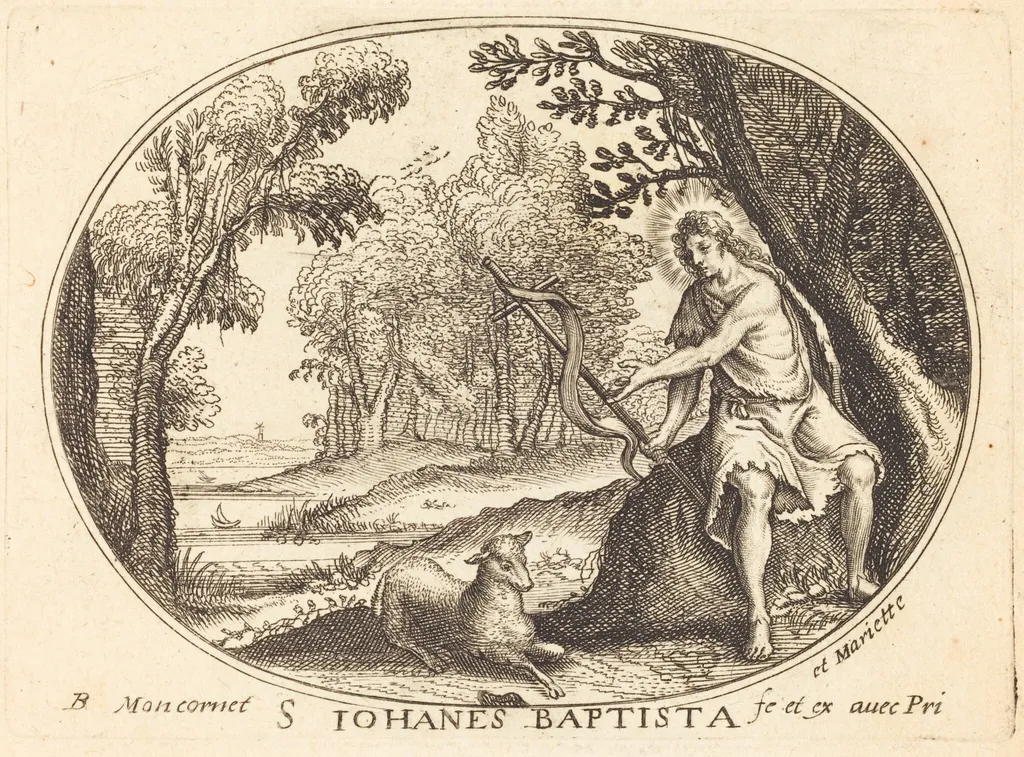
Saint John the Baptist is an ink print by the Baroque artist Balthasar Moncornet. It dates from 1634 and is held in the collection of the National Gallery of Art.
About this work
Overview
Balthasar Moncornet, a French artist active in the early seventeenth century, produced an engraving of Saint John the Baptist in 1634. Executed as a print, the work belongs to the religious genre and portrays the biblical prophet in a solitary, wilderness setting.
Subject & Meaning
The image presents John the Baptist clothed in coarse animal skins, holding a wooden staff, with a lamb at his feet—iconographic elements that identify him as the forerunner of Christ and emphasize his role as a hermit and preacher of repentance.
Technique & Style
Moncornet employs fine, sharply defined lines and extensive cross‑hatching to model form and generate tonal contrast. The engraving’s subdued palette of black ink on paper creates a quiet, contemplative atmosphere while rendering the textures of skin, wood, and fur with convincing realism.
History & Provenance
Created in 1634, the print reflects the conventions of French religious art of its period. Moncornet, known for portraits of notable contemporaries, applied his engraving skills to devotional subjects, contributing to the circulation of biblical imagery among a broader audience.
Context
In seventeenth‑century France, engravings served both devotional and instructional purposes, disseminating religious narratives beyond the reach of painted altarpieces. This work exemplifies how printmakers of the era used chiaroscuro techniques to convey spiritual themes within an accessible, reproducible format.
Artist & collection
Artist
Balthasar Moncornet (1600, Rouen – 1668, Paris) was a French painter, engraver, and tapissier revered for his depictions of around 45 different prominent figures of the 17th century.

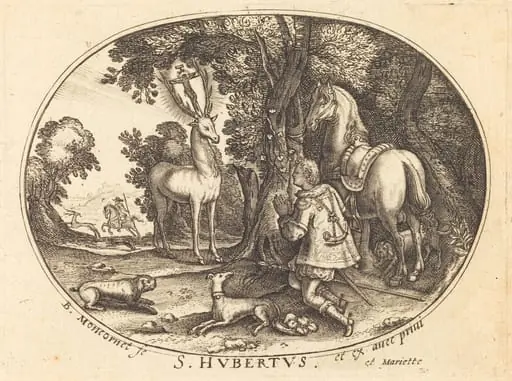 The Vision of Saint Hubert
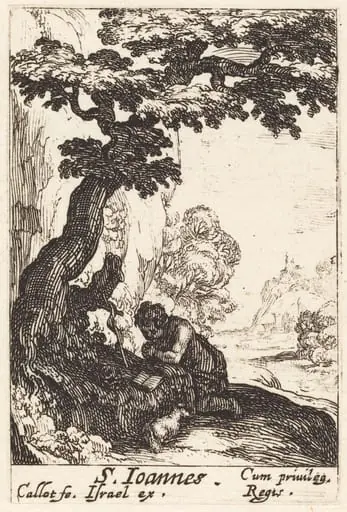 Saint John the Baptist
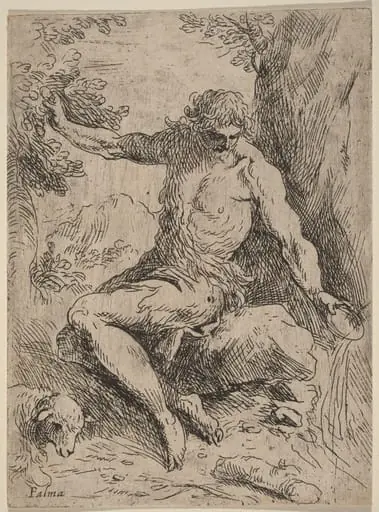 Saint John the Baptist
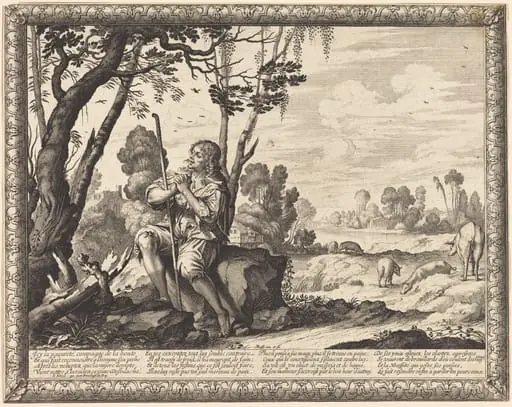 The Prodigal Son as a Swineherd
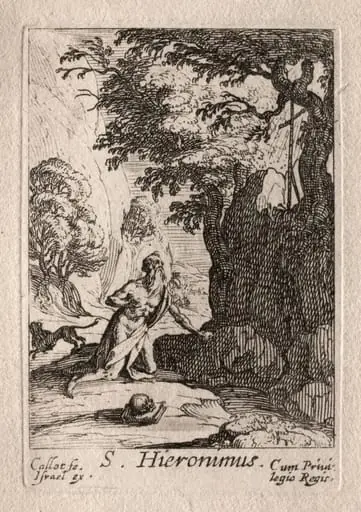 Les Penitents: St. Jérome
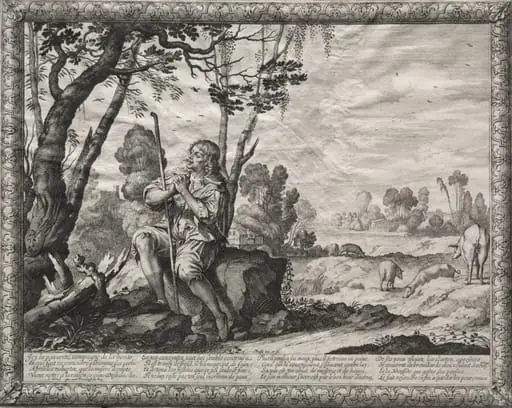 The Prodigal Son: The Prodigal Tending the Pigs
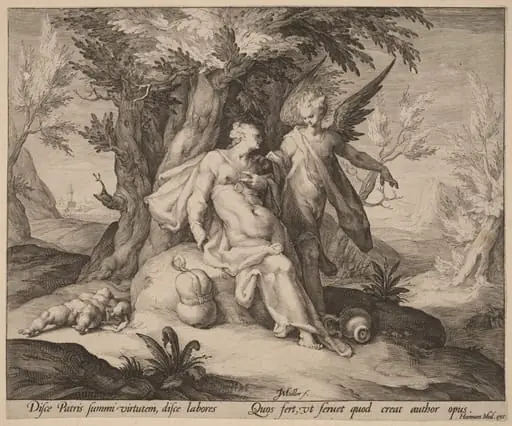 Hagar in the Desert Consoled by an Angel
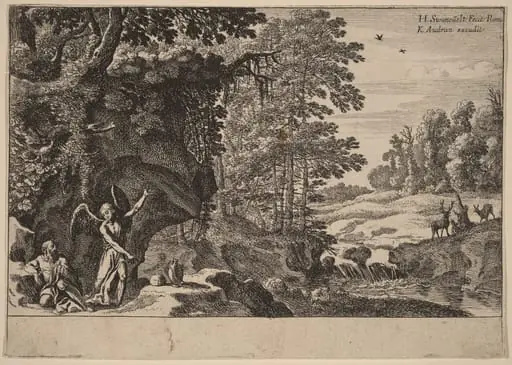 Elijah in the Wilderness
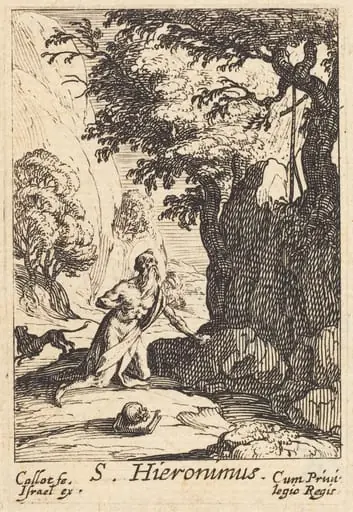 Saint Jerome
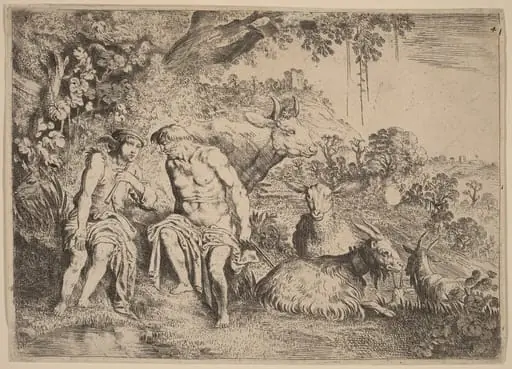 Mercury Lulling Argus to Sleep
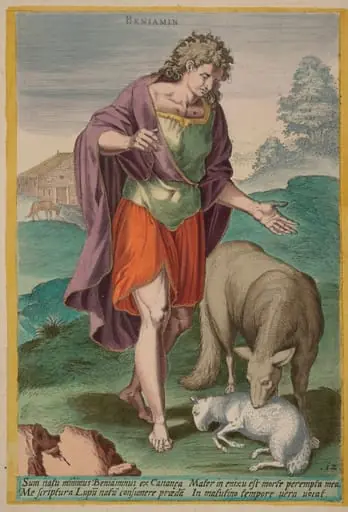 Benjamin
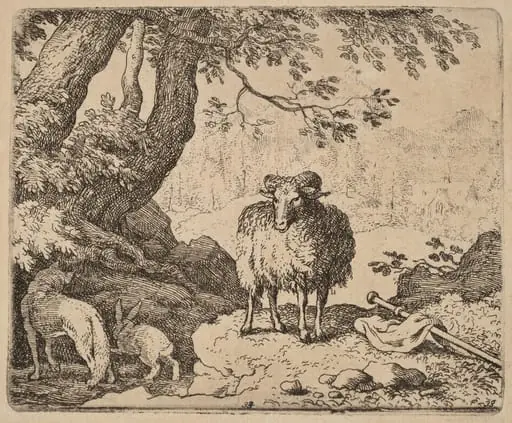 Reynard Returns Home, Accompanied by the Ram and the Rabbit