Artwork
Evrito Echione e Etalide Argonote
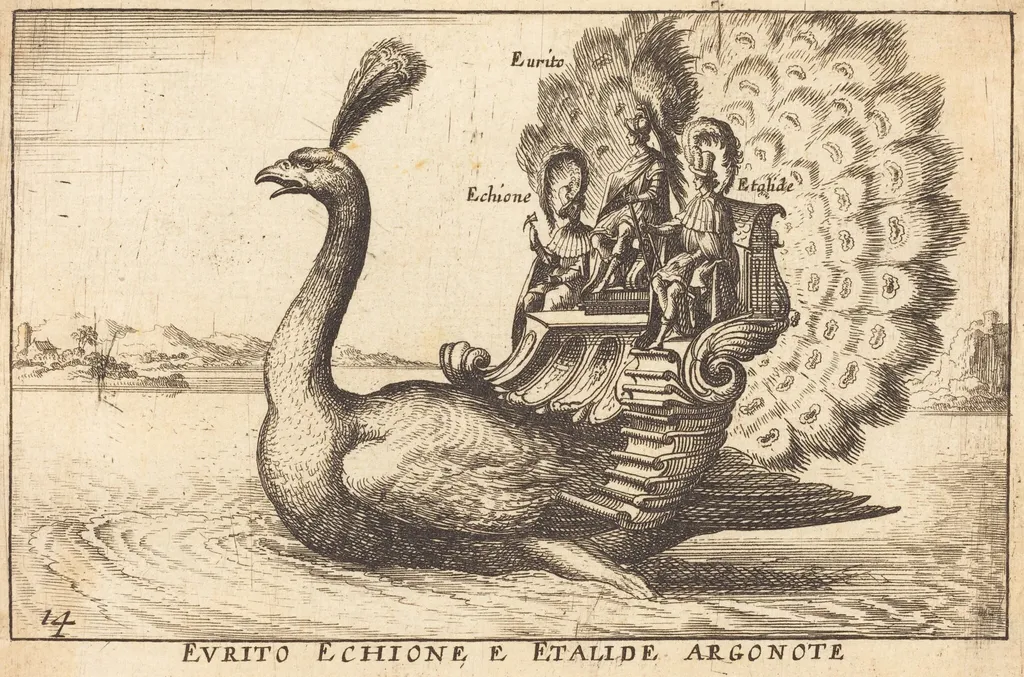
Evrito Echione e Etalide Argonote is an ink print by the Baroque artist Balthasar Moncornet. It dates from 1634 and is held in the collection of the National Gallery of Art.
About this work
Overview
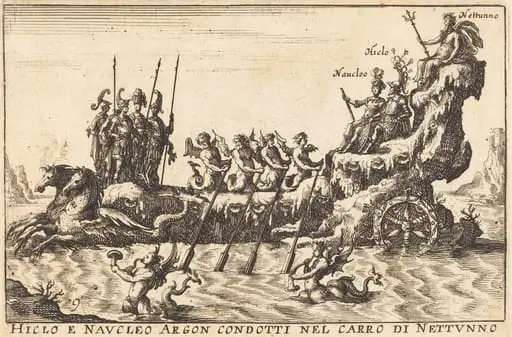
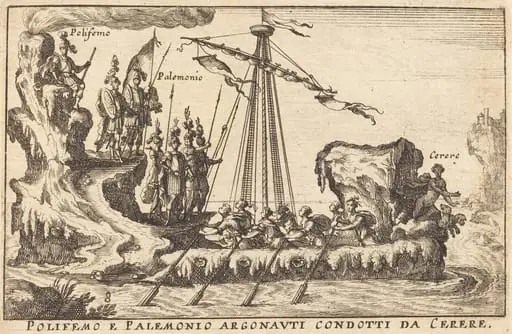
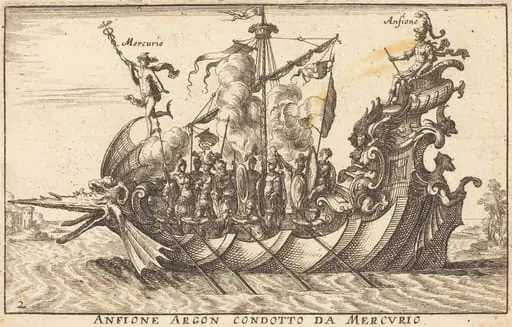
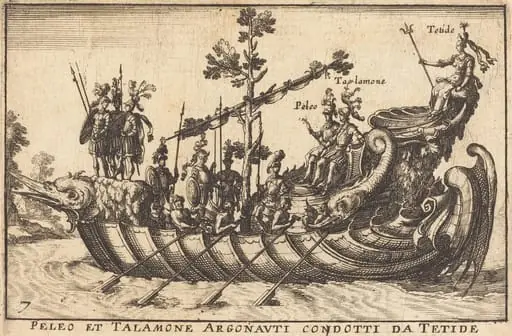
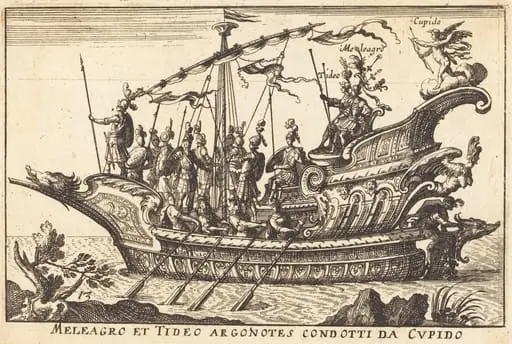
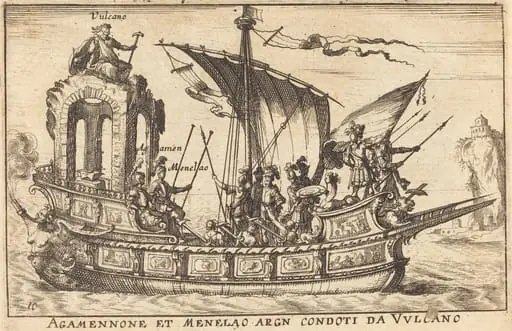
Evrito Echione e Etalide Argonote is a 1634 etching on laid paper by French artist Balthasar Moncornet, deviating from his typical depictions of contemporary figures to explore classical mythology.
Subject & Meaning
The etching portrays three figures from mythology: Eurytus, Aethalides, and Echion, capturing a specific narrative moment from ancient lore, showcasing Moncornet's engagement with classical themes.
Technique & Style
Moncornet employed etching techniques to render detailed, intricate drawings of the characters, characteristic of the medium's expressive capabilities. For insight into this process, see 'etching'.
History & Provenance
Created in 1634, the work's provenance and historical context beyond its creation are not detailed here, focusing instead on its thematic departure in Moncornet's oeuvre.
Context
While Moncornet was known for portraying prominent 17th-century individuals, this piece reflects a broader artistic interest in classical subjects during the period, requiring significant research into mythological sources.
Legacy
The etching's impact or influence on subsequent artistic works is not specified, though it remains an example of 17th-century engagement with classical mythology through printmaking.
Artist & collection
Artist
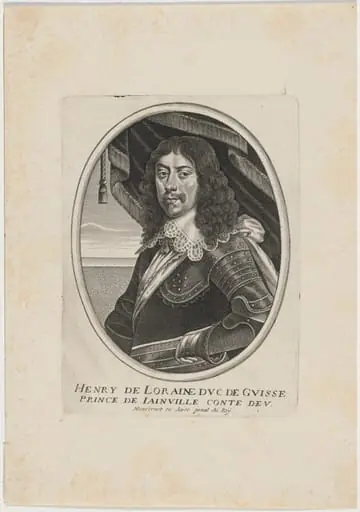
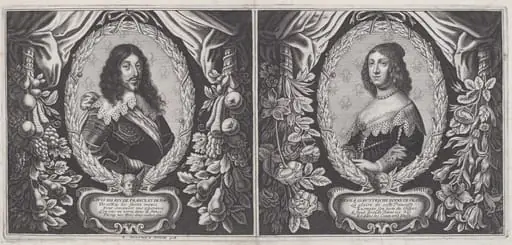
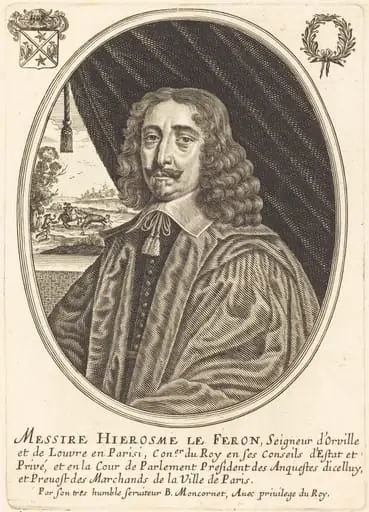
Balthasar Moncornet (1600, Rouen – 1668, Paris) was a French painter, engraver, and tapissier revered for his depictions of around 45 different prominent figures of the 17th century.