Artwork
Calai e Zeti condotti da Borea et Oritia
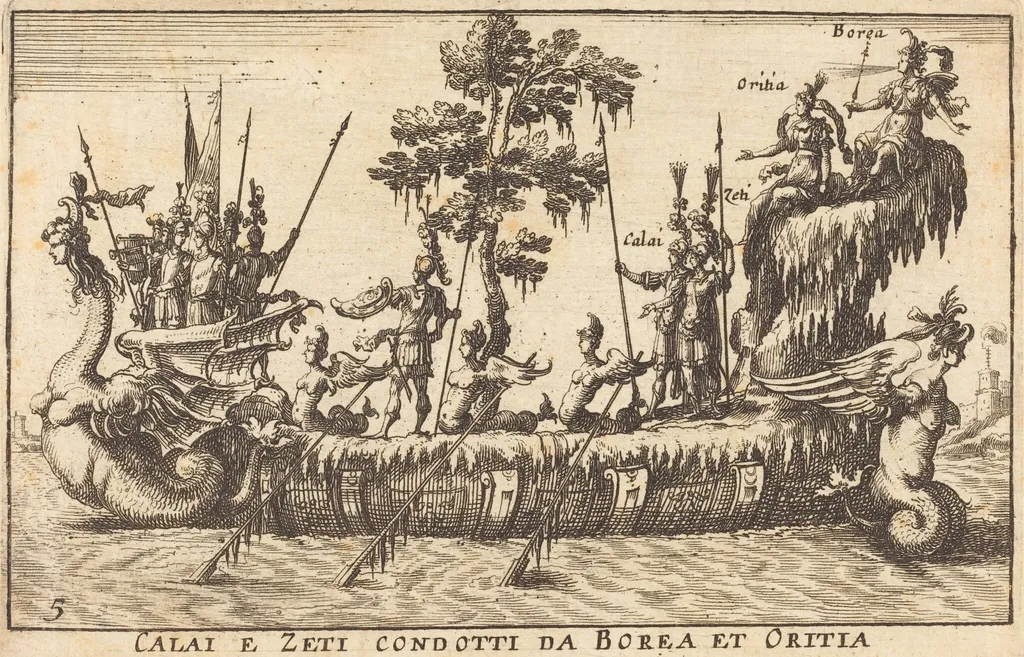
Calai e Zeti condotti da Borea et Oritia is an ink print by the Baroque artist Balthasar Moncornet. It dates from 1634 and is held in the collection of the National Gallery of Art.
About this work
Overview
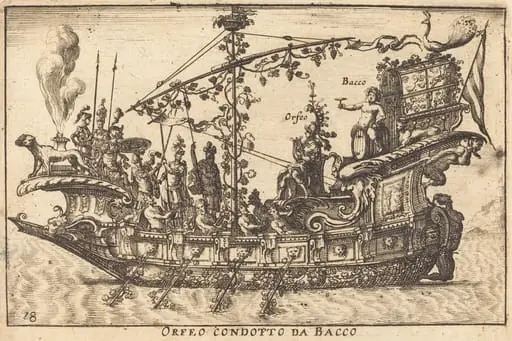
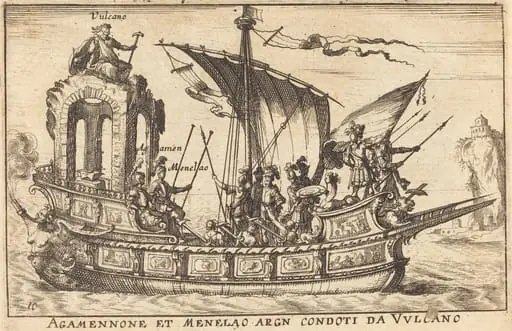
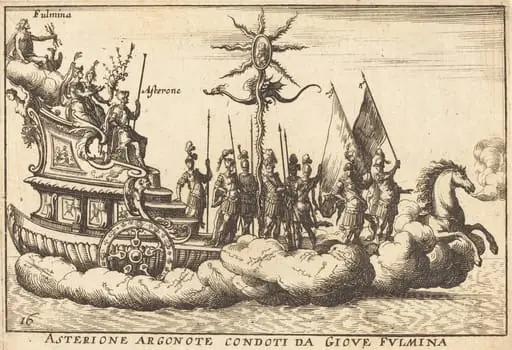
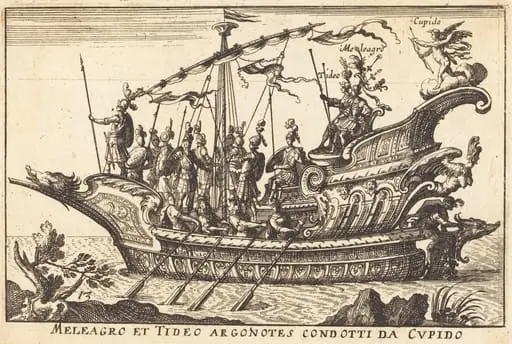
Calai e Zeti condotti da Borea et Oritia is an etching on laid paper created by Balthasar Moncornet in 1634. It is a print depicting a scene from mythology.
Subject & Meaning
The etching illustrates a mythological narrative, featuring figures in a dynamic scene. The subject is drawn from classical mythology, with the figures of Calai, Zeti, Borea, and Oritia central to the composition.
Technique & Style
The work is executed in etching, a technique involving the scratching of a design onto a metal plate. Moncornet's use of this technique allows for detailed narrative and expressive figures, characteristic of 17th-century printmaking traditions.
History & Provenance
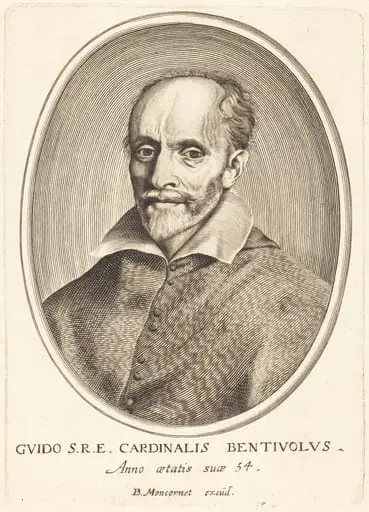
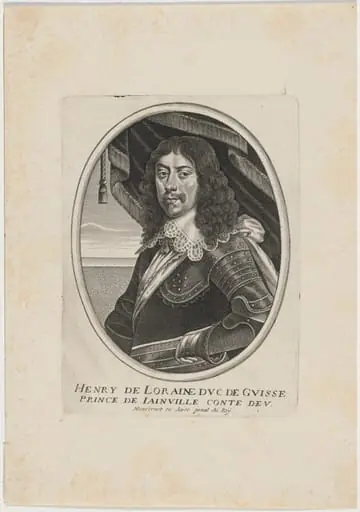
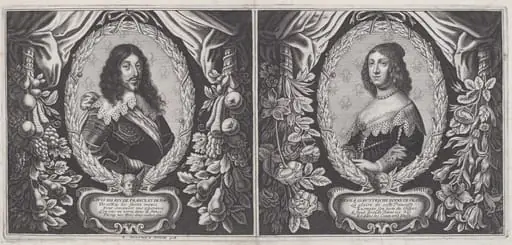
Balthasar Moncornet, a French artist active in the 17th century, was known for his work as a painter, engraver, and tapissier. He produced around 45 portraits of prominent contemporaries, situating this etching within his broader oeuvre.
Artist & collection
Artist
Balthasar Moncornet (1600, Rouen – 1668, Paris) was a French painter, engraver, and tapissier revered for his depictions of around 45 different prominent figures of the 17th century.