Artwork
Orfeo condotto da Bacco
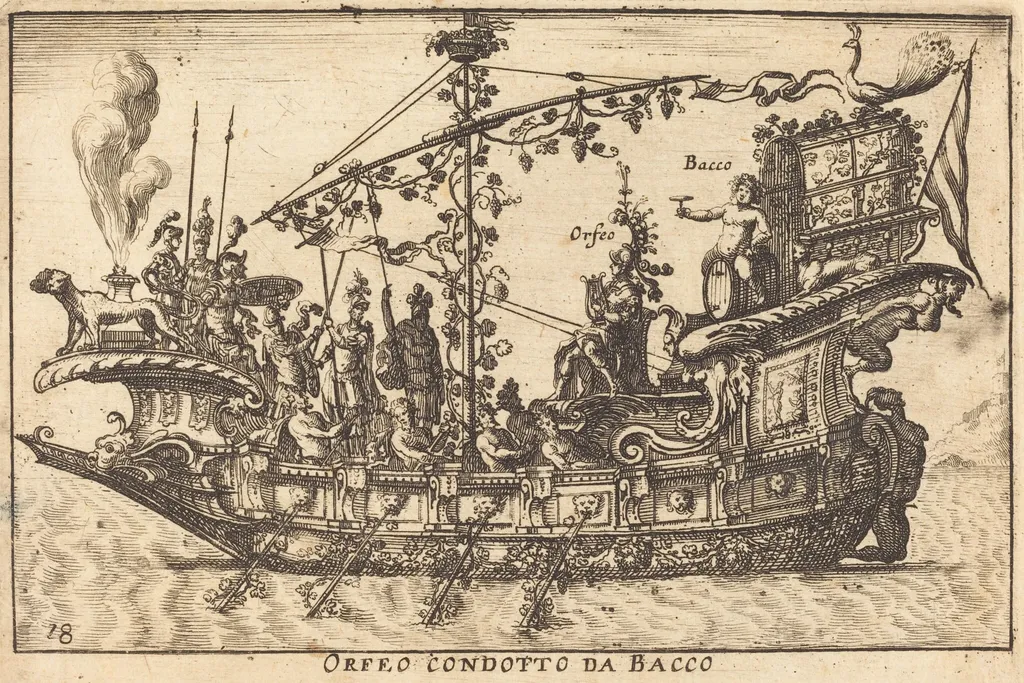
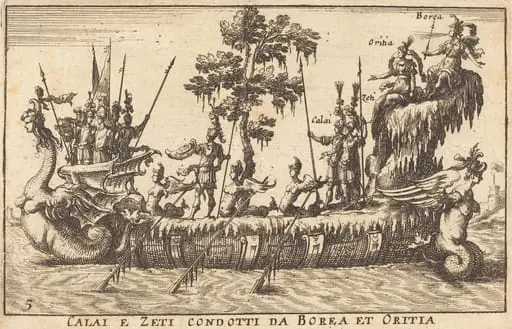
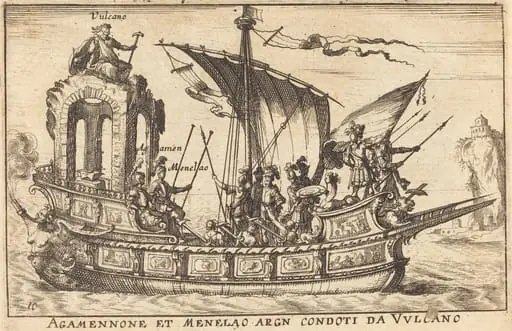
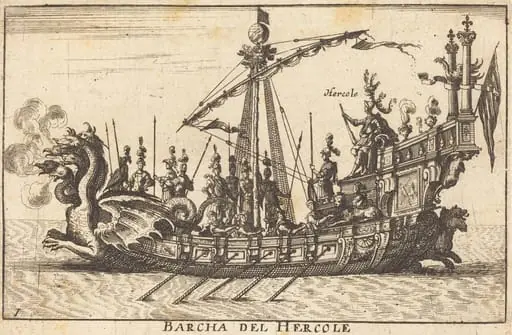
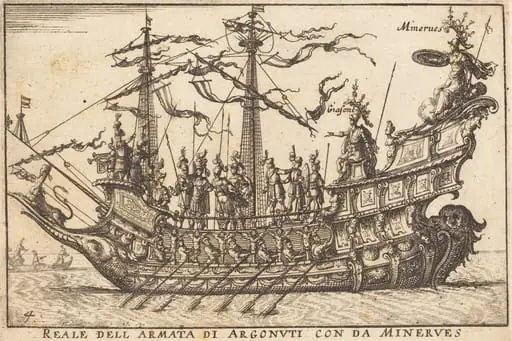
Orfeo condotto da Bacco is an ink print by the Baroque artist Balthasar Moncornet. It dates from 1634 and is held in the collection of the National Gallery of Art.
About this work
Overview
Balthasar Moncornet's 1634 etching *Orfeo condotto da Bacco* is a Baroque print on laid paper, depicting a vibrant, mythological scene featuring Orpheus and Bacchus.
Subject & Meaning
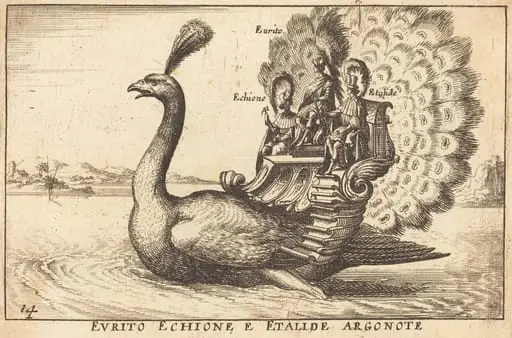
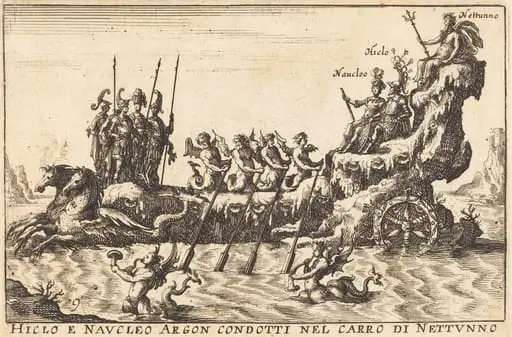
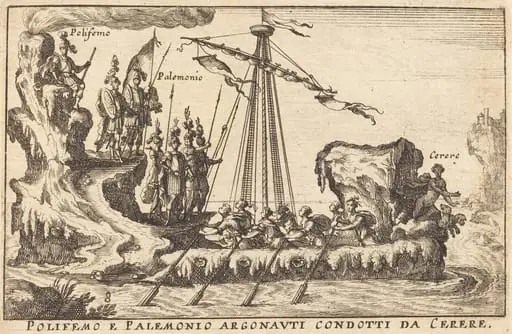
The etching illustrates a mythological narrative where Orpheus is accompanied by Bacchus, set amidst a lively, symbolic backdrop. The scene juxtaposes musical and ritualistic elements, with figures engaged in music, procession, and possibly libation, reflecting the intertwined themes of art, revelry, and the divine in Baroque interpretations of classical mythology.
Technique & Style
Executed in etching, the work showcases Moncornet's ability to achieve detailed, expressive prints. The composition's dynamic energy, dramatic contrasts, and crowded, symbolic elements are characteristic of the Baroque aesthetic.
History & Provenance
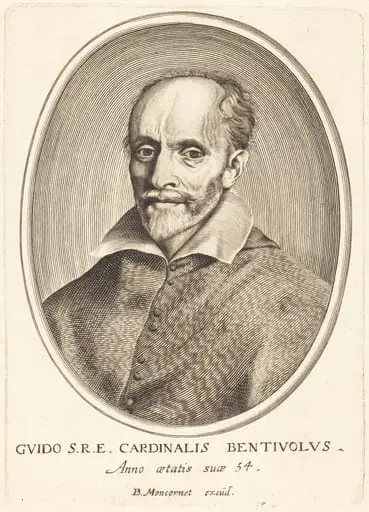
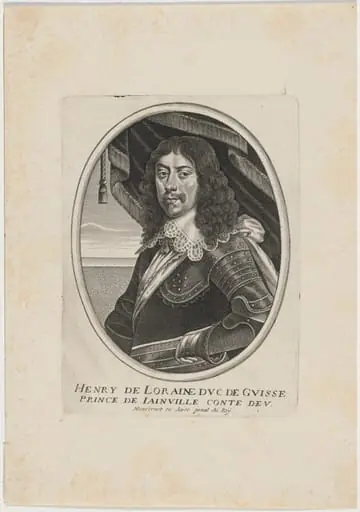
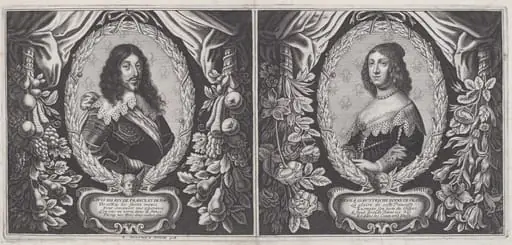
Part of Moncornet's print oeuvre of approximately 45 known plates, *Orfeo condotto da Bacco* is less typical of his more common subject matter, which often featured portraits of contemporary notables. Moncornet, active in 17th-century France, practiced as a painter, engraver, and tapestry designer.
Context
Created during the Baroque period, the etching's themes and visual language align with the era's emphasis on movement, emotion, and the dramatic. The choice of mythological subject matter also reflects the period's fascination with classical themes.
Legacy
While *Orfeo condotto da Bacco* may not be among Moncornet's most renowned works, it contributes to the broader understanding of 17th-century French printmaking and the artistic exploration of mythological themes during the Baroque era.
Artist & collection
Artist
Balthasar Moncornet (1600, Rouen – 1668, Paris) was a French painter, engraver, and tapissier revered for his depictions of around 45 different prominent figures of the 17th century.