Artwork
Anfione Argon condotto da Mercurio
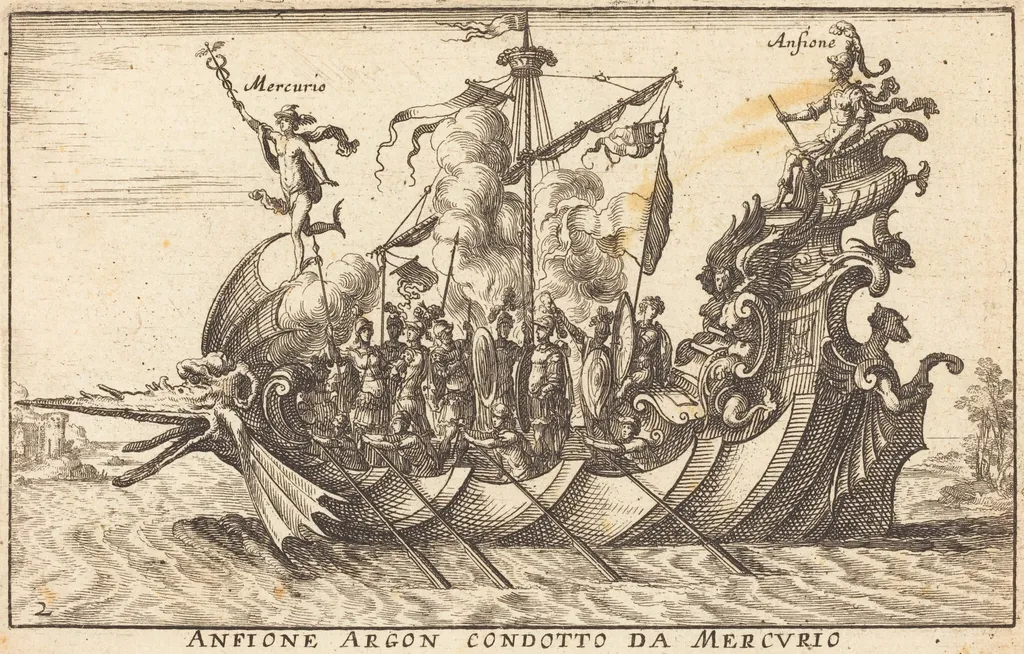
Anfione Argon condotto da Mercurio is an ink print by the Baroque artist Balthasar Moncornet. It dates from 1634 and is held in the collection of the National Gallery of Art.
About this work
Overview
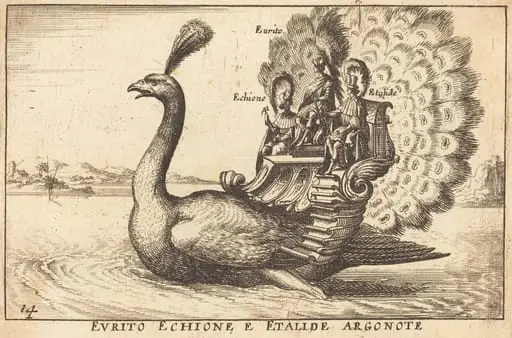
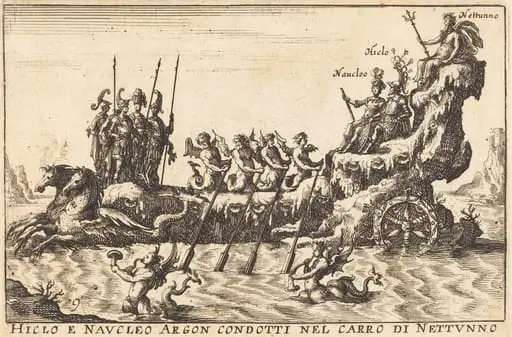
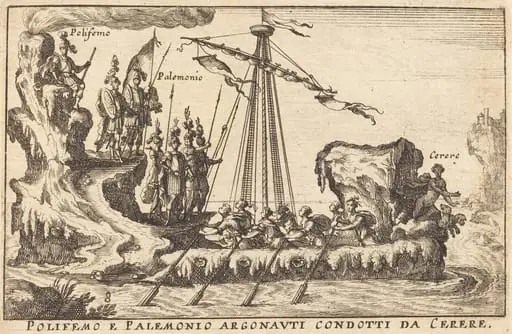
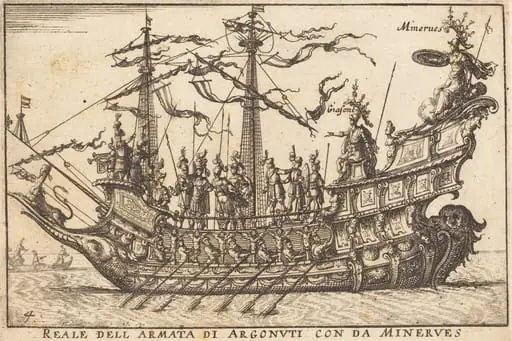
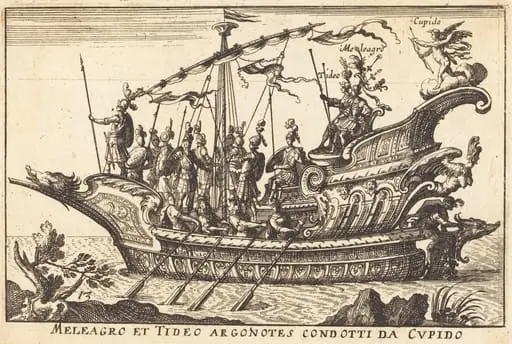
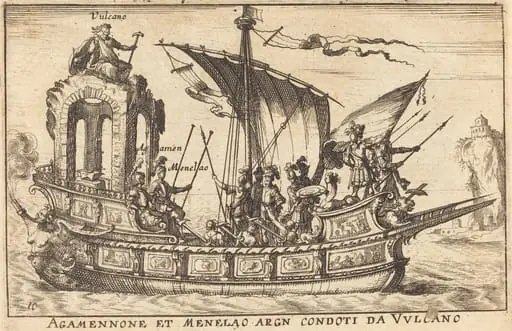
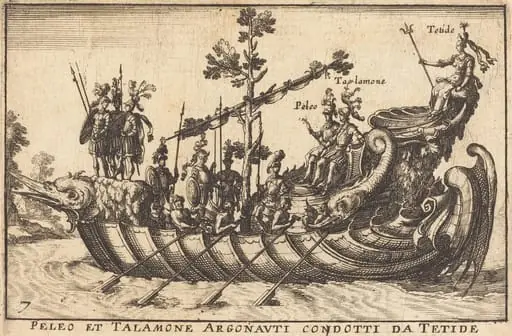
Balthasar Moncornet’s 1634 etching *Anfione Argon condotto da Mercurio* is a black‑and‑white print executed on laid paper. The image presents a crowded, mythological vessel navigating turbulent seas, flanked by two winged figures—one bearing a staff, the other sounding a trumpet. The composition is dense with miniature figures engaged in various activities on deck.
Subject & Meaning
The work identifies the central characters as Mercury (Mercurio) and Anfion (Anfione), suggesting a narrative drawn from classical mythology in which the messenger god guides a ship named *Anfione Argon*. The presence of stormy clouds and churning waves may allude to divine intervention in perilous voyages, a common allegorical theme in 17th‑century art.
Technique & Style
Moncornet employed traditional etching methods, incising lines into a metal plate that were then transferred onto laid paper.
Moncornet employed traditional etching methods, incising lines into a metal plate that were then transferred onto laid paper. The print relies on linear hatching and cross‑hatching to model light and shadow, creating a sense of depth and texture that mimics the appearance of carved metal reliefs. The fine, crowded detailing reflects the artist’s skill in managing complex compositions within a relatively small format.
History & Provenance
Balthasar Moncornet, a French painter, engraver, and tapestry designer active in the early 1600s, is chiefly remembered for portraiture of contemporary figures. This print, dated 1634, illustrates his broader engagement with graphic media beyond portraiture, aligning with the period’s flourishing print culture. Its survival on laid paper indicates it was likely produced for a limited audience of collectors or scholars interested in classical subjects.
Context
The etching belongs to the early modern French printmaking tradition, which often blended classical themes with contemporary artistic techniques. Moncornet’s dual practice in painting and tapestry design informs the intricate, decorative quality of the scene, while the mythological subject reflects the era’s fascination with antiquity as a source of moral and intellectual exempla.
Artist & collection
Artist
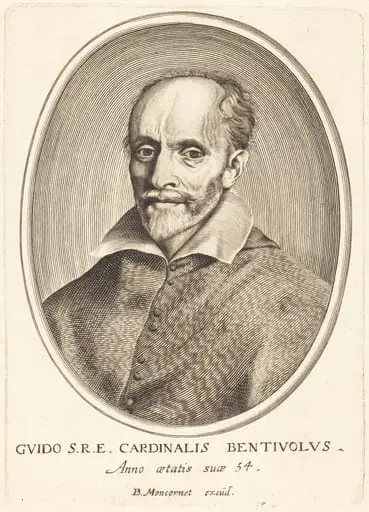
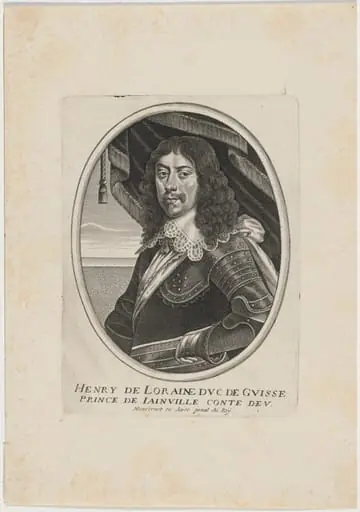
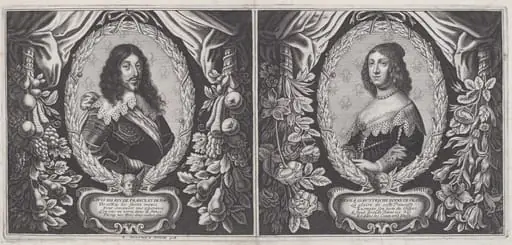
Balthasar Moncornet (1600, Rouen – 1668, Paris) was a French painter, engraver, and tapissier revered for his depictions of around 45 different prominent figures of the 17th century.