Artwork
Louis II de Bourbon-Condé
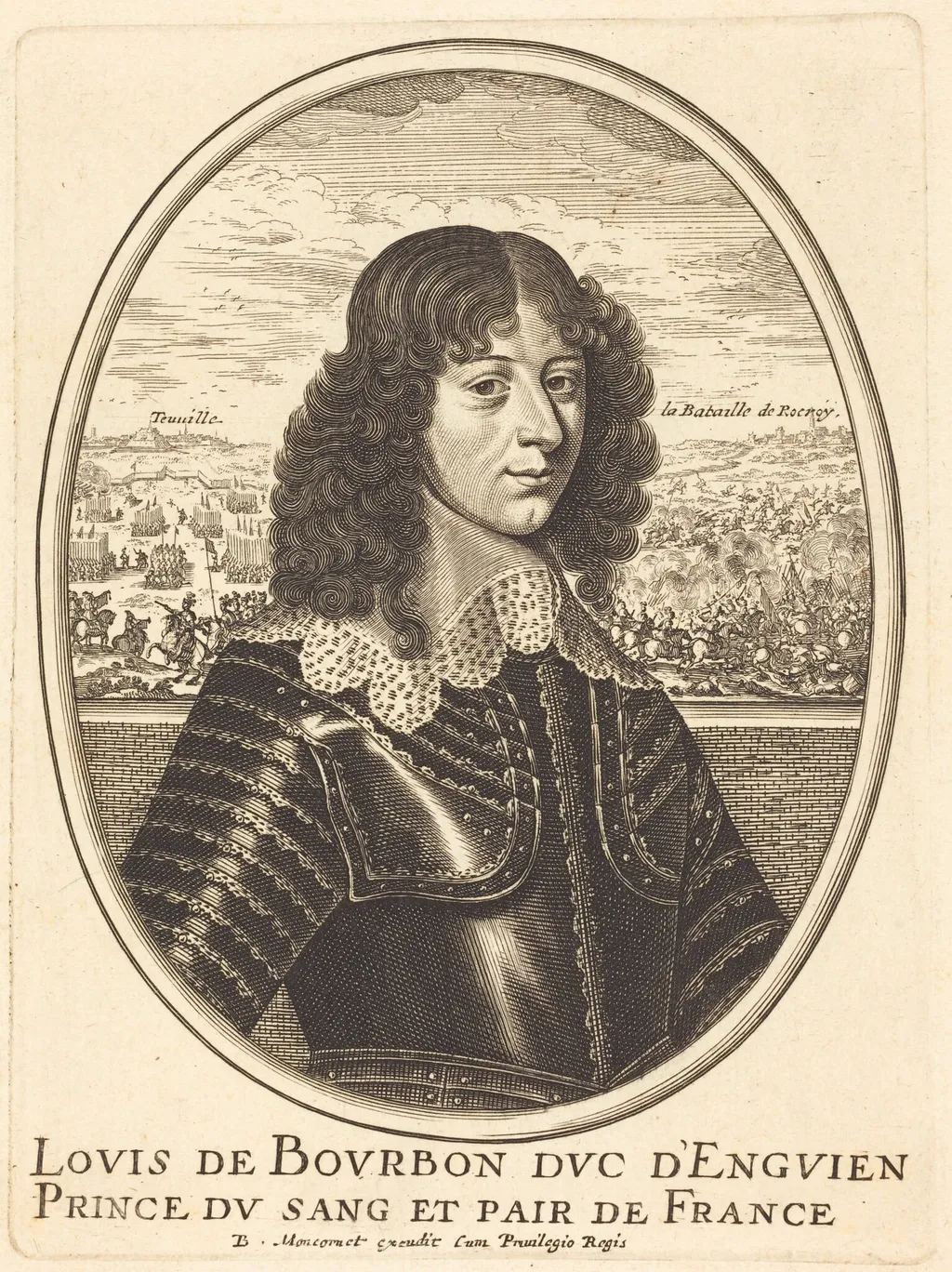
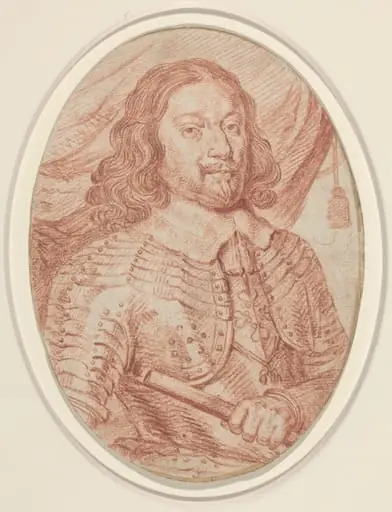
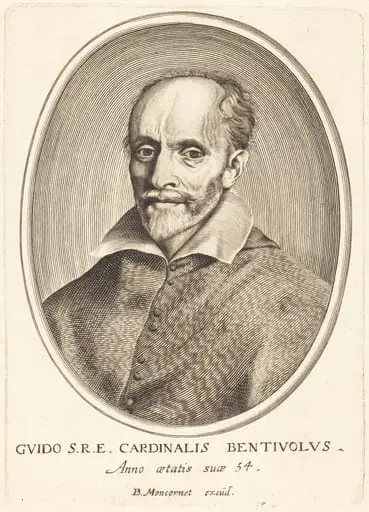
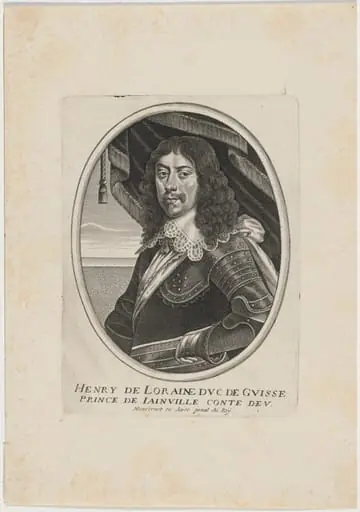
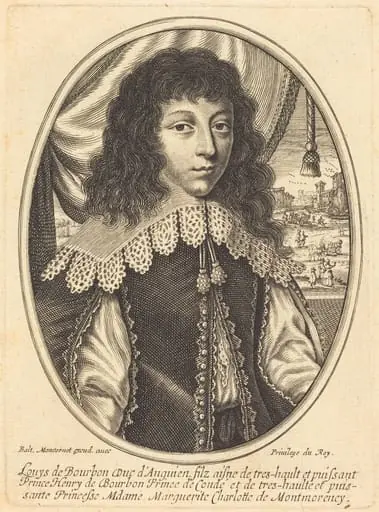
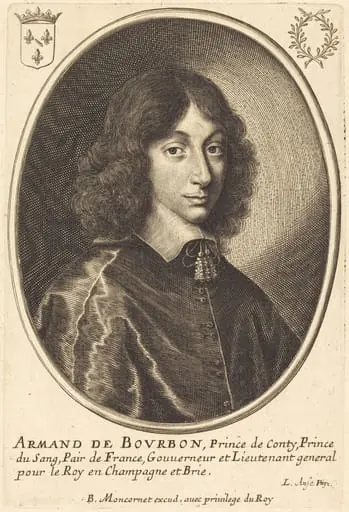
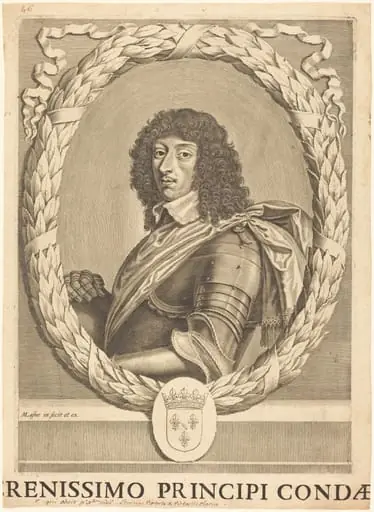
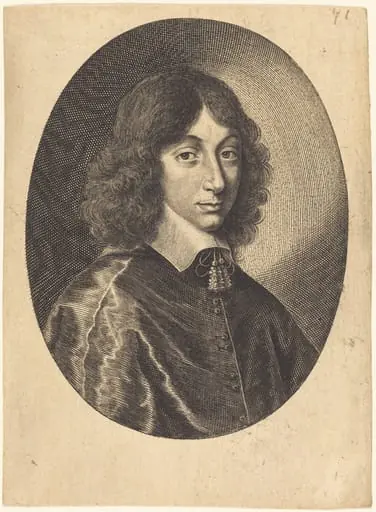
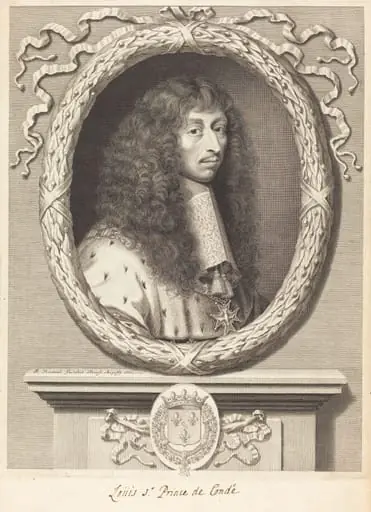
Louis II de Bourbon-Condé is an ink print by the Baroque artist Balthasar Moncornet. It dates from 1634 and is held in the collection of the National Gallery of Art.
About this work
Overview
Balthasar Moncornet, a French artist active in the mid-17th century, produced this engraved portrait of Louis II de Bourbon-Condé in 1634.
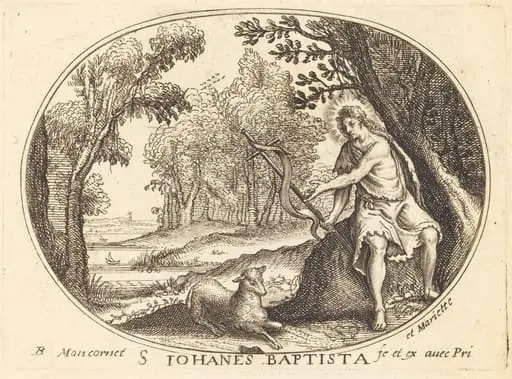
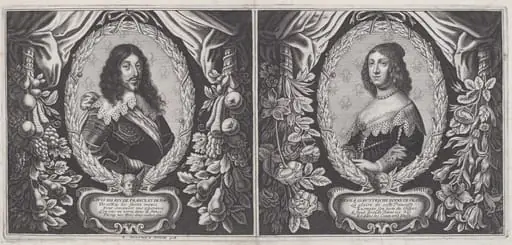
Balthasar Moncornet, a French artist active in the mid-17th century, produced this engraved portrait of Louis II de Bourbon-Condé in 1634. Executed on laid paper, the work belongs to a series of approximately 45 portraits Moncornet created of influential French figures. The print reflects the period’s demand for authoritative visual records of nobility, rendered with precision and formal restraint.
Subject & Meaning
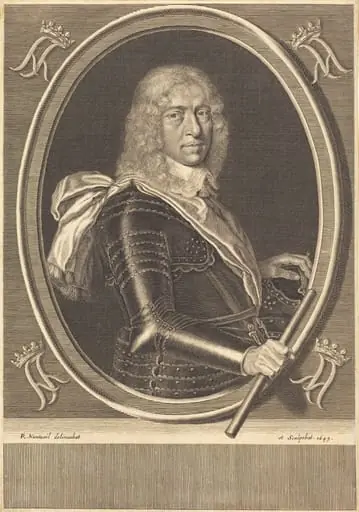
Louis II de Bourbon-Condé, known as the Grand Condé, was a leading military commander and prince of the blood. The portrait emphasizes his status through elaborate armor and rigid posture, projecting authority and lineage. The absence of movement or expression reinforces his role as a symbol of dynastic power rather than a personal likeness.
Technique & Style
Moncornet employed fine, controlled lines to render every detail of the armor, ruff, and fabric with clarity. The engraving’s sharpness and lack of tonal variation reflect the technical discipline of the medium. Laid paper, with its visible chain lines, was chosen for its durability and suitability for high-quality reproduction.
History & Provenance
Created in 1634, the print likely served as a diplomatic or aristocratic gift, circulating among elite circles to affirm Condé’s prominence. Moncornet’s workshop specialized in such portraits, which were collected by patrons seeking to document the political elite. Its survival suggests continued interest in Condé’s legacy beyond his lifetime.
Context
In 1634, France was consolidating royal authority amid religious and noble tensions. Portraits like this one functioned as visual propaganda, aligning military leaders with the crown’s legitimacy. Moncornet’s output mirrored the state’s interest in controlling public imagery through controlled, reproducible formats.
Legacy
Moncornet’s engraved portraits, including this one, contributed to the standardization of aristocratic portraiture in early modern France. Though not widely known today, his works remain valuable for understanding how power was visually constructed and disseminated before the rise of photography.
Artist & collection
Artist
Balthasar Moncornet (1600, Rouen – 1668, Paris) was a French painter, engraver, and tapissier revered for his depictions of around 45 different prominent figures of the 17th century.