Artwork
Armand de Bourbon
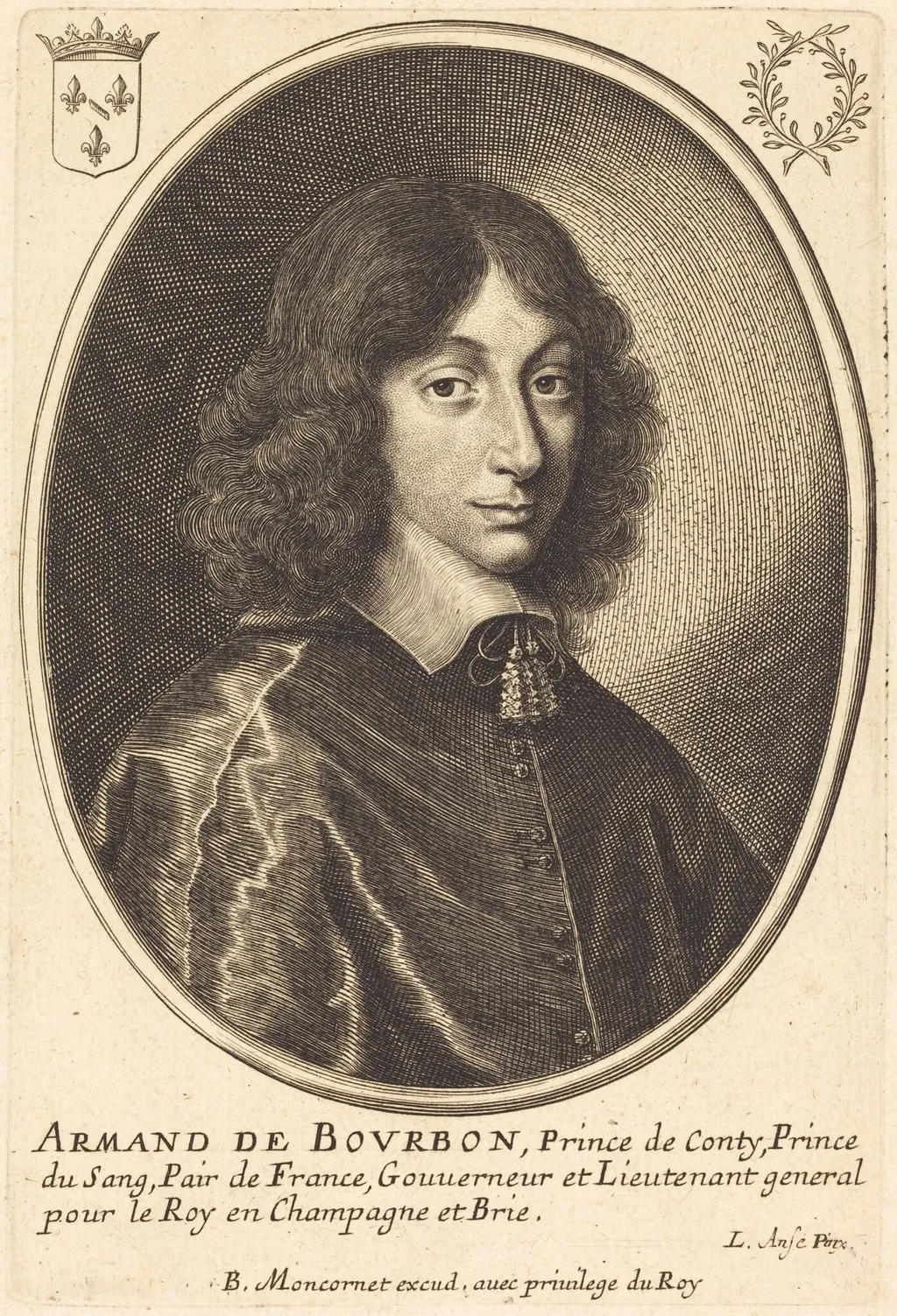
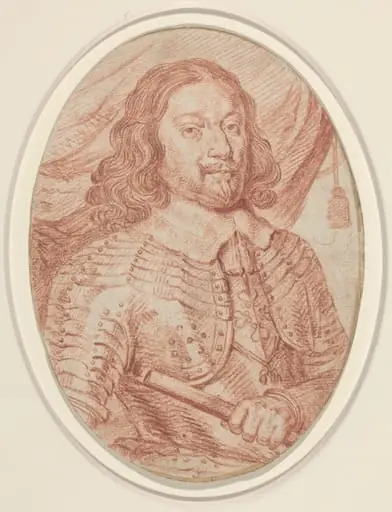
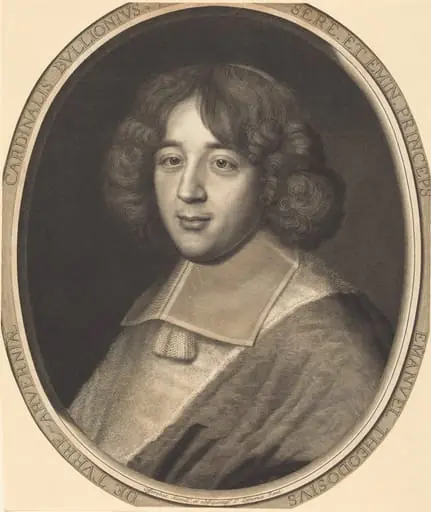
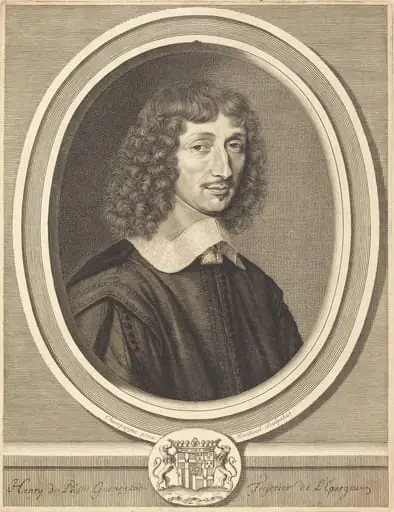
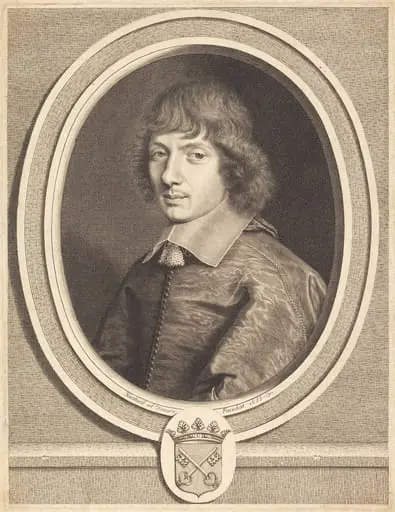
Armand de Bourbon is an ink print by the Baroque artist Balthasar Moncornet. It dates from 1634 and is held in the collection of the National Gallery of Art.
About this work
Overview
This 1634 engraving on laid paper depicts Armand de Bourbon, Prince de Conti, created by Balthasar Moncornet, a French artist active in Rouen and later Paris.
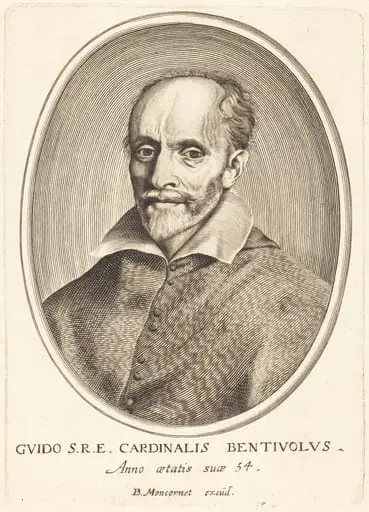
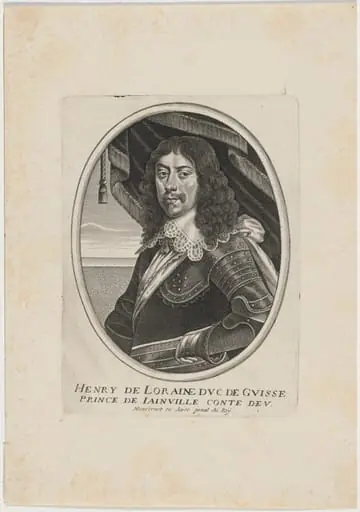
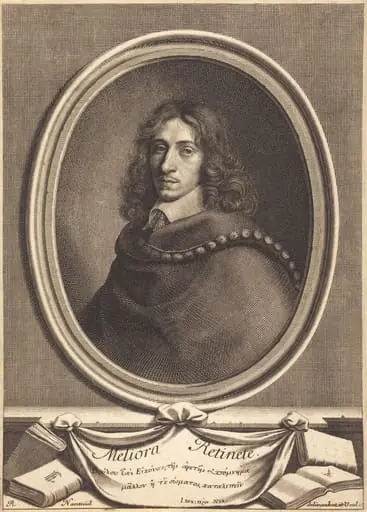
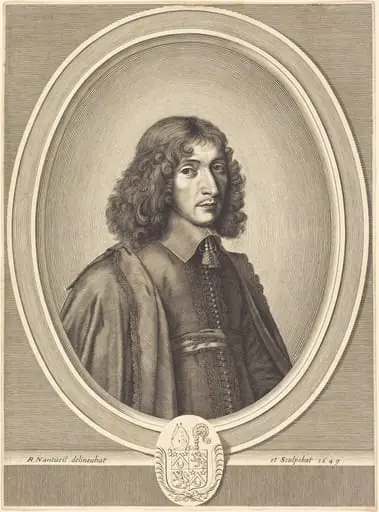
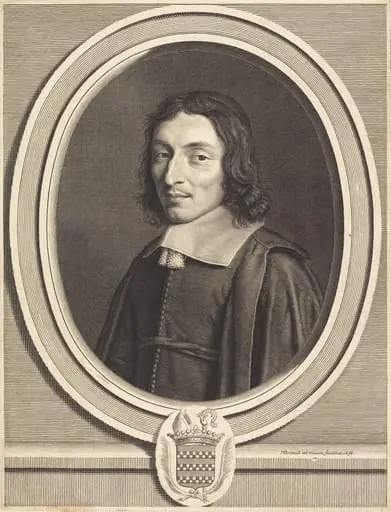
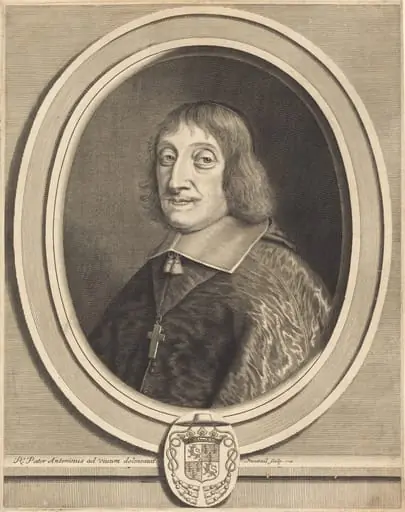
This 1634 engraving on laid paper depicts Armand de Bourbon, Prince de Conti, created by Balthasar Moncornet, a French artist active in Rouen and later Paris. Moncornet specialized in producing printed portraits of influential figures of his time, and this work is one of approximately forty-five such likenesses he produced. The image is rendered in monochrome, emphasizing fine line work and tonal contrast to convey form and status without color.
Subject & Meaning
Armand de Bourbon was a member of the French royal family, holding the title Prince de Conti, which signified his noble lineage and political relevance. The portrait presents him with a solemn demeanor, dressed in a high-collared dark coat and adorned with a ceremonial chain, symbols of his rank and courtly position. The inclusion of his full titles beneath the image reinforces his institutional authority, aligning the portrait with the tradition of using print to disseminate elite identity.
Technique & Style
Moncornet employed fine-line engraving to capture intricate details: the curl of the subject’s hair, the texture of fabric, and the subtle shadow beneath the chin. The plain background directs focus to the face and attire, while the precision of the lines reflects the technical discipline of printmaking. The signature and the word 'engraving' at the base confirm the work’s mechanical reproduction, distinguishing it from painted portraits and affirming its function as a widely distributable likeness.
History & Provenance
Created in 1634, the engraving was produced during Moncornet’s early career in Rouen, before he moved to Paris, where he remained active until his death in 1668. As a printmaker, he cultivated a market for portraits of contemporary notables, often commissioned or circulated among aristocratic circles. This piece likely served to affirm the subject’s public image and may have been collected by patrons or institutions interested in documenting the French elite.
Context
In early 17th-century France, engraved portraits were a key medium for disseminating the likenesses of nobility and public figures beyond the reach of commissioned paintings. Moncornet’s practice aligned with broader European trends in print culture, where accuracy and status were equally valued. The format allowed for multiple impressions, making such images accessible to a wider audience while maintaining the dignity and formality expected of elite representation.
Legacy
Moncornet’s series of engraved portraits, including this one of Armand de Bourbon, contributed to the standardization of visual documentation among French aristocracy. His work helped establish print as a legitimate vehicle for portraiture, influencing later generations of engravers. Though not widely known today, these prints remain valuable historical records of how power and identity were visually constructed in early modern France.
Artist & collection
Artist
Balthasar Moncornet (1600, Rouen – 1668, Paris) was a French painter, engraver, and tapissier revered for his depictions of around 45 different prominent figures of the 17th century.