Artwork
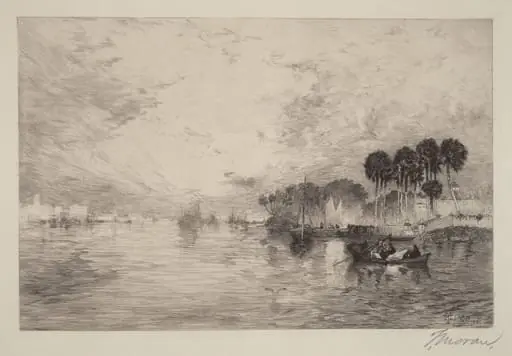
Point Isabel, Florida
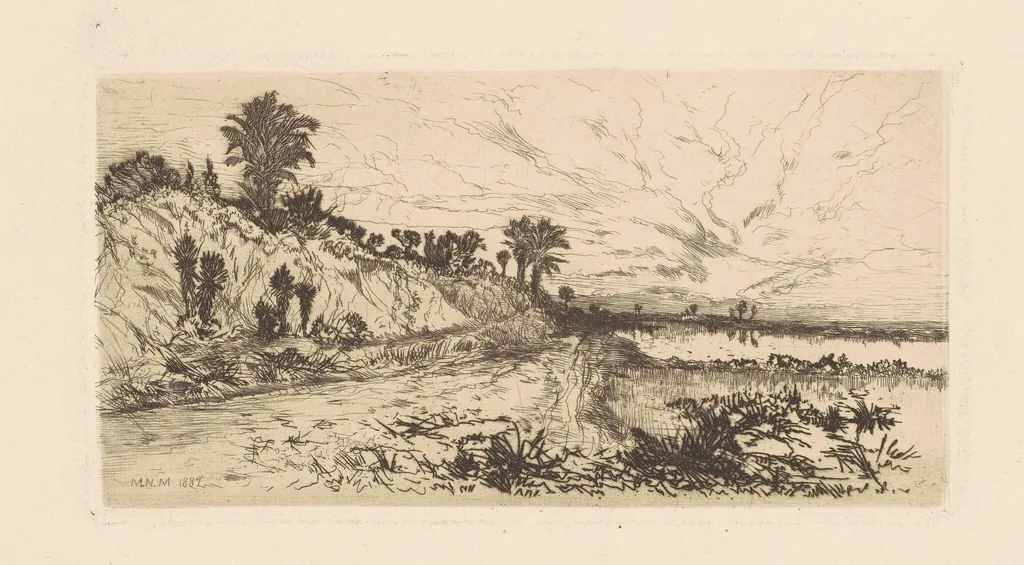
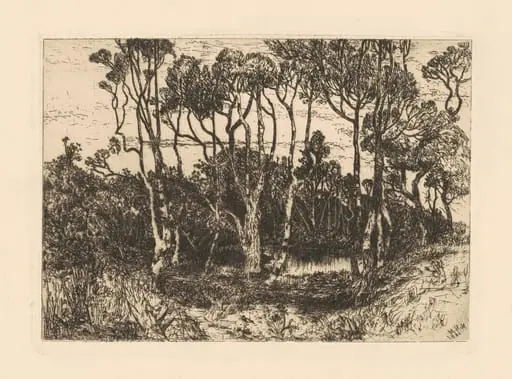
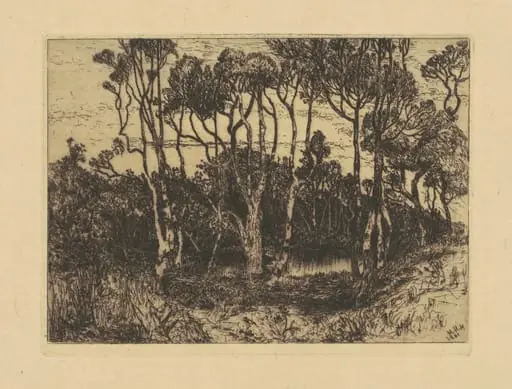
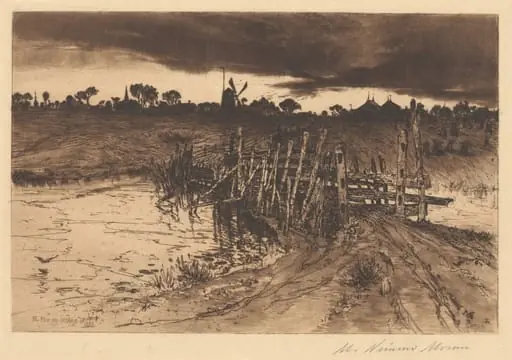
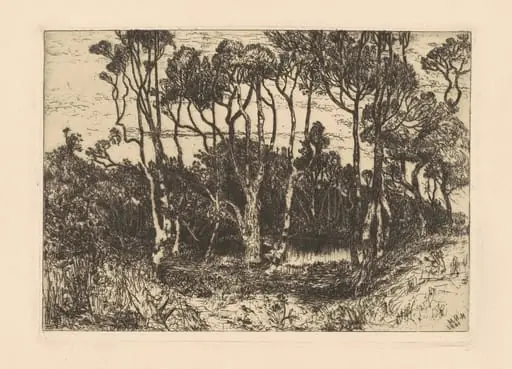
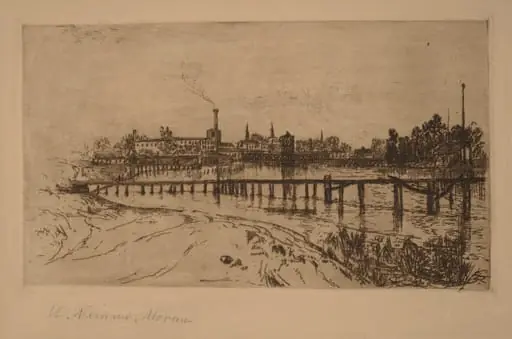
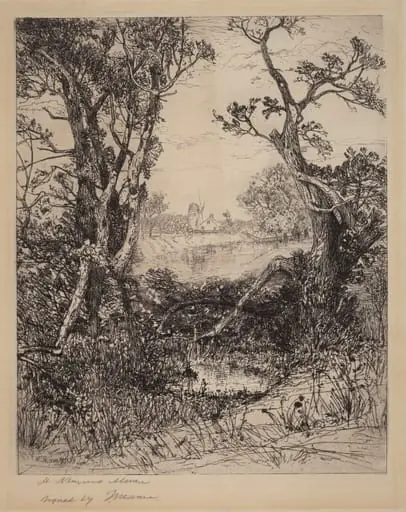
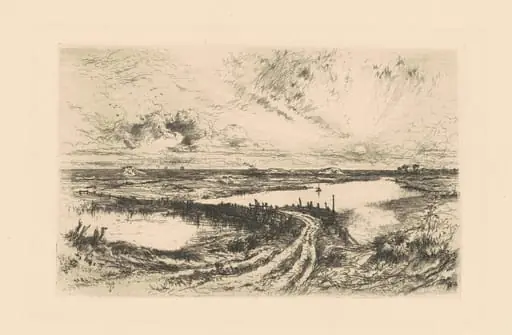
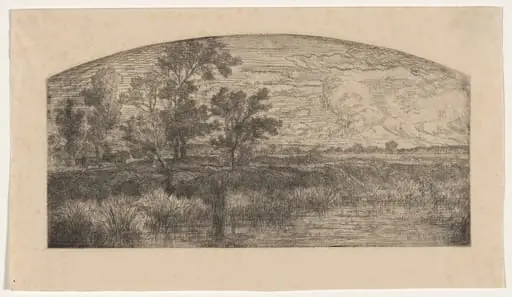
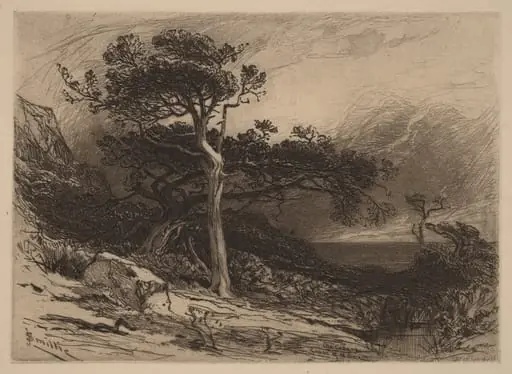
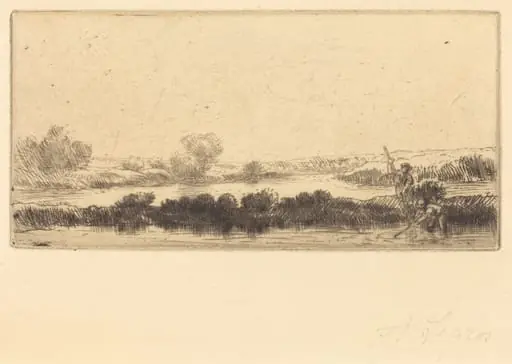
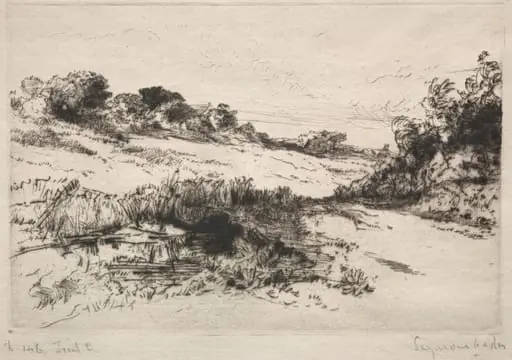
Point Isabel, Florida is an ink print by the Impressionist artist Mary Nimmo Moran. It dates from 1887 and is held in the collection of the National Gallery of Art.
About this work
Overview
As a printmaker, Moran distinguished herself through direct engagement with the environment, translating observed terrain into intimate, textured compositions.
Mary Nimmo Moran created *Point Isabel, Florida* in 1887 as an etching on laid paper, capturing a coastal wetland in the southeastern United States. One of approximately seventy prints she produced, this work reflects her focus on natural landscapes, particularly those of Florida. As a printmaker, Moran distinguished herself through direct engagement with the environment, translating observed terrain into intimate, textured compositions.
Subject & Meaning
The scene depicts a dense, untamed shoreline where palm trees rise above tangled vegetation, their forms merging with the water’s edge. A distant, hazy horizon suggests faint structures or distant trees, hinting at human presence without intrusion. The composition conveys a sense of wild, unmanaged nature, emphasizing the quiet persistence of the landscape over any human imprint.
Technique & Style
Moran employed etching to render the scene with a combination of sharp, incised lines and soft, atmospheric textures. The plate’s surface was bitten with acid to hold ink, allowing for both precise detail and blurred, smudged areas that mimic the damp, uneven quality of the swamp. Her hand-driven marks convey movement and disorder, reinforcing the untamed character of the environment.
History & Provenance
Created during a period when Moran was actively exhibiting in both the United States and Britain, *Point Isabel, Florida* emerged after her 1881 election as one of the first female fellows of the Royal Society of Painter-Etchers. The print likely resulted from her travels to Florida in the mid-1880s, a time when she was expanding her subject matter beyond the Northeastern U.S. to include subtropical coastlines.
Context
In the late 19th century, landscape etching was gaining recognition as a serious artistic medium, particularly among artists seeking to capture the immediacy of nature. Moran’s work aligned with broader trends in American and British printmaking, yet stood apart through her focus on lesser-visited regions like Florida and her refusal to idealize the scenery, instead presenting it with unembellished observation.
Legacy
Moran’s prints, including *Point Isabel, Florida*, contributed to the legitimization of women in printmaking during a time when the field remained largely male-dominated. Her commitment to direct observation and technical precision influenced later generations of American etchers, though her work remained relatively understudied until recent decades of renewed interest in 19th-century women artists.
Artist & collection
Artist
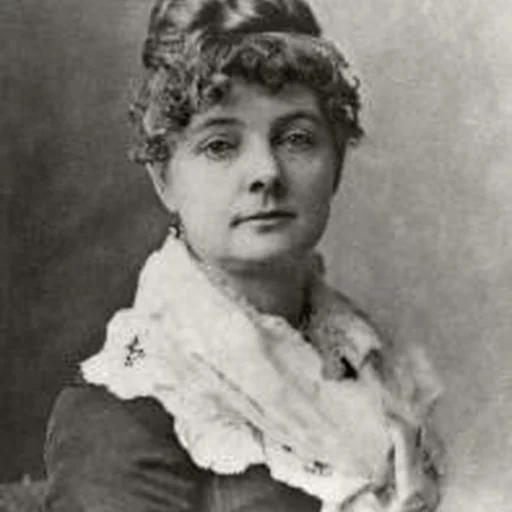
Mary Nimmo Moran (May 16, 1842 – September 25, 1899) was an American landscape printmaker, specializing in etchings.