Artwork
Cupid Dancing with Two Allegorical Women
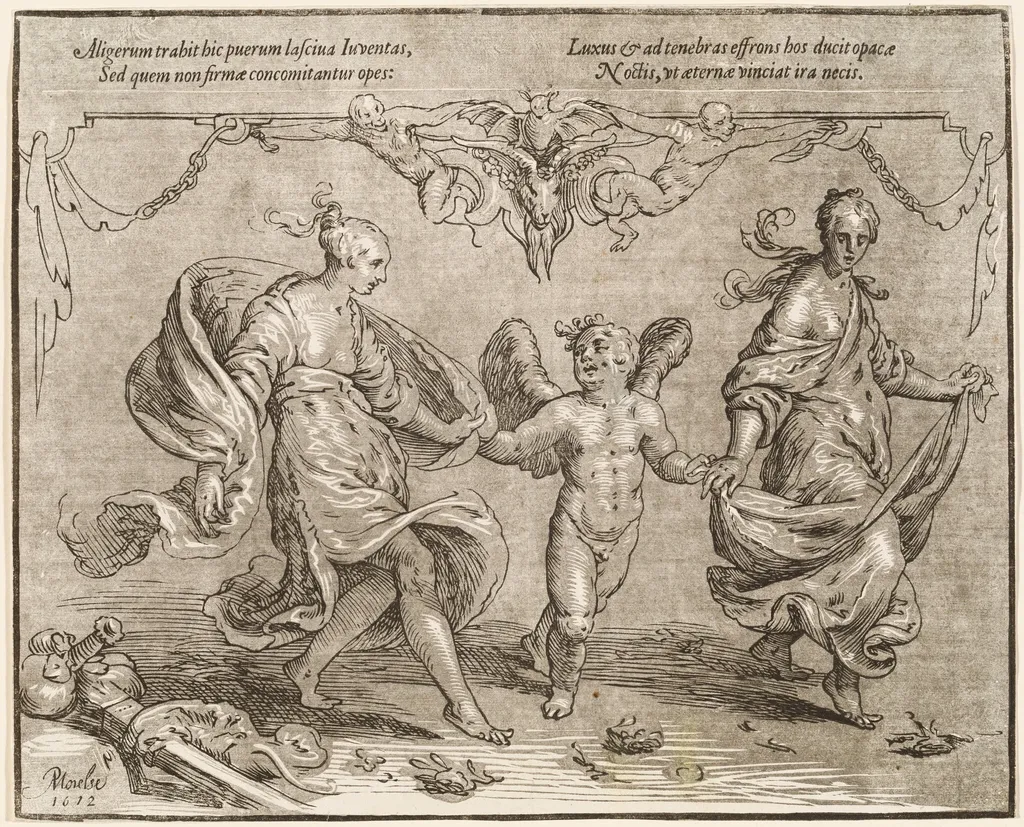
Cupid Dancing with Two Allegorical Women is an ink print by the Baroque artist Paulus Moreelse. It dates from 1612 and is held in the collection of the National Gallery of Art.
About this work
Overview
Created in 1612 by Paulus Moreelse, this chiaroscuro woodcut depicts a mythological scene rendered through two separately printed blocks. One block delivers deep black outlines, the other a muted gray tone that suggests ambient light. Printed on laid paper, the work exemplifies the Dutch mastery of tonal gradation in printmaking, using minimal means to evoke atmosphere and movement.
Subject & Meaning
The central figure of Cupid, airborne and in motion, dances with two allegorical women—one holding a flower, the other a scroll. These figures likely represent Love’s union with Beauty and Knowledge, common themes in early 17th-century humanist iconography. The composition suggests harmony between passion and intellect, reflecting Renaissance ideals adapted into a dynamic, intimate scene.
Technique & Style
The print was produced using two carved woodblocks, each inked separately: one in black for definition, the other in gray for subtle shading.
The print was produced using two carved woodblocks, each inked separately: one in black for definition, the other in gray for subtle shading. This chiaroscuro method creates a soft, luminous effect, mimicking candlelit intimacy. The delicate rendering of fabric and skin tones relies on controlled pressure and layering, demonstrating technical precision without overt detail, favoring mood over realism.
History & Provenance
The print was made during Moreelse’s early career in Utrecht, a center of artistic innovation. While few impressions survive, it was likely produced in small editions for private collectors interested in allegorical themes. Its survival in museum collections suggests it was valued for its technical ingenuity and poetic tone, though its original ownership remains undocumented.
Context
In early 17th-century the Netherlands, allegorical prints were popular among educated patrons seeking intellectual and aesthetic refinement. Moreelse, trained in Italy, brought Italianate grace to Dutch printmaking. This work aligns with broader trends in Northern Mannerism, where mythological subjects were used to explore moral and philosophical ideas through refined, lyrical imagery.
Legacy
Though not widely reproduced, the print influenced later Dutch chiaroscuro artists who explored tonal contrast in woodcut. Its restrained palette and emotional subtlety marked a shift from bold linear prints toward atmospheric expression. Today, it stands as a quiet example of how technical constraint could yield poetic depth in early modern print culture.
Artist & collection

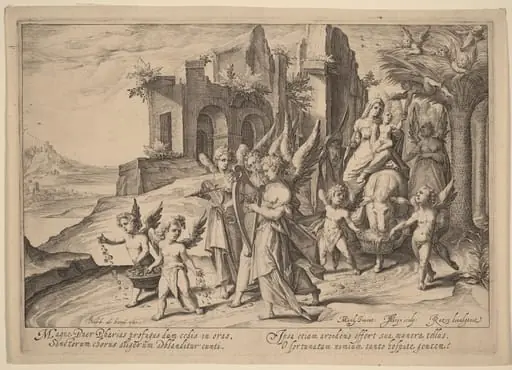 Return from the Flight into Egypt
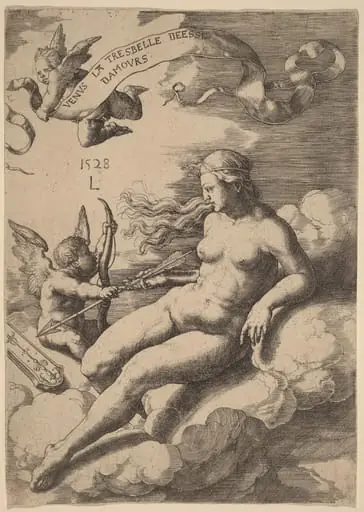 Venus and Cupid
![Temporalis Aeternitas [Second Version], by Italian 17th Century](https://artifactworldgallery.com/img/italian-17th-century--temporalis-aeternitas-second-version--2b55857961773f67-w320.webp) Temporalis Aeternitas [Second Version]
Temporalis Aeternitas [Second Version]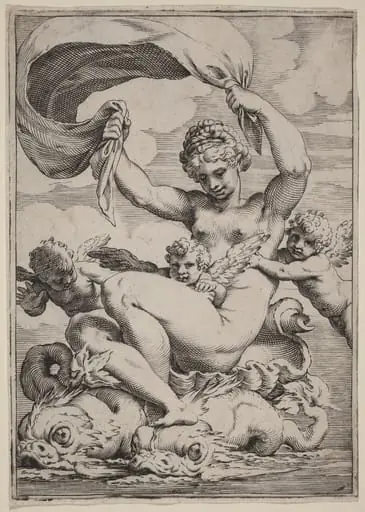 Venus or Galatea Supported by Dolphins
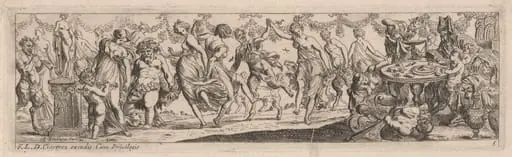 Dancing Nymphs and Satyrs
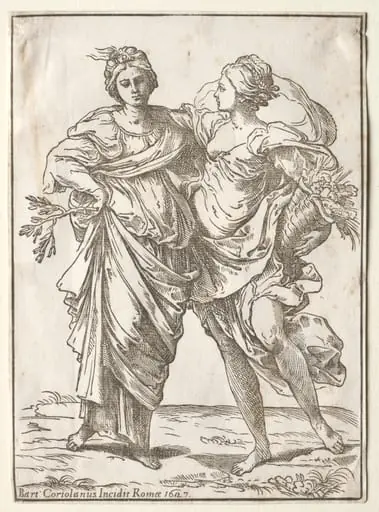 Alliance of Peace and Abundance
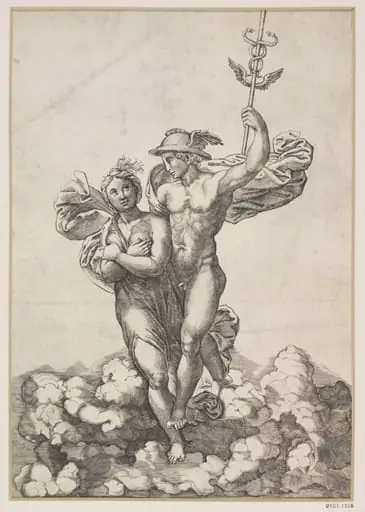 Mercury bearing Psyche to Olympus
 The Lord Endowing the Diligent Worker with Food and Clothing
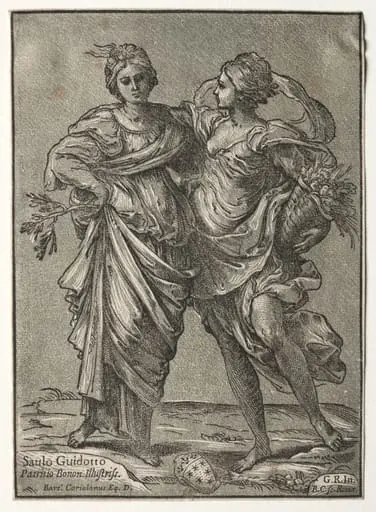 Alliance of Peace and Abundance
 Venus Appearing to Achilles