Artwork
Jacques Tuboeuf
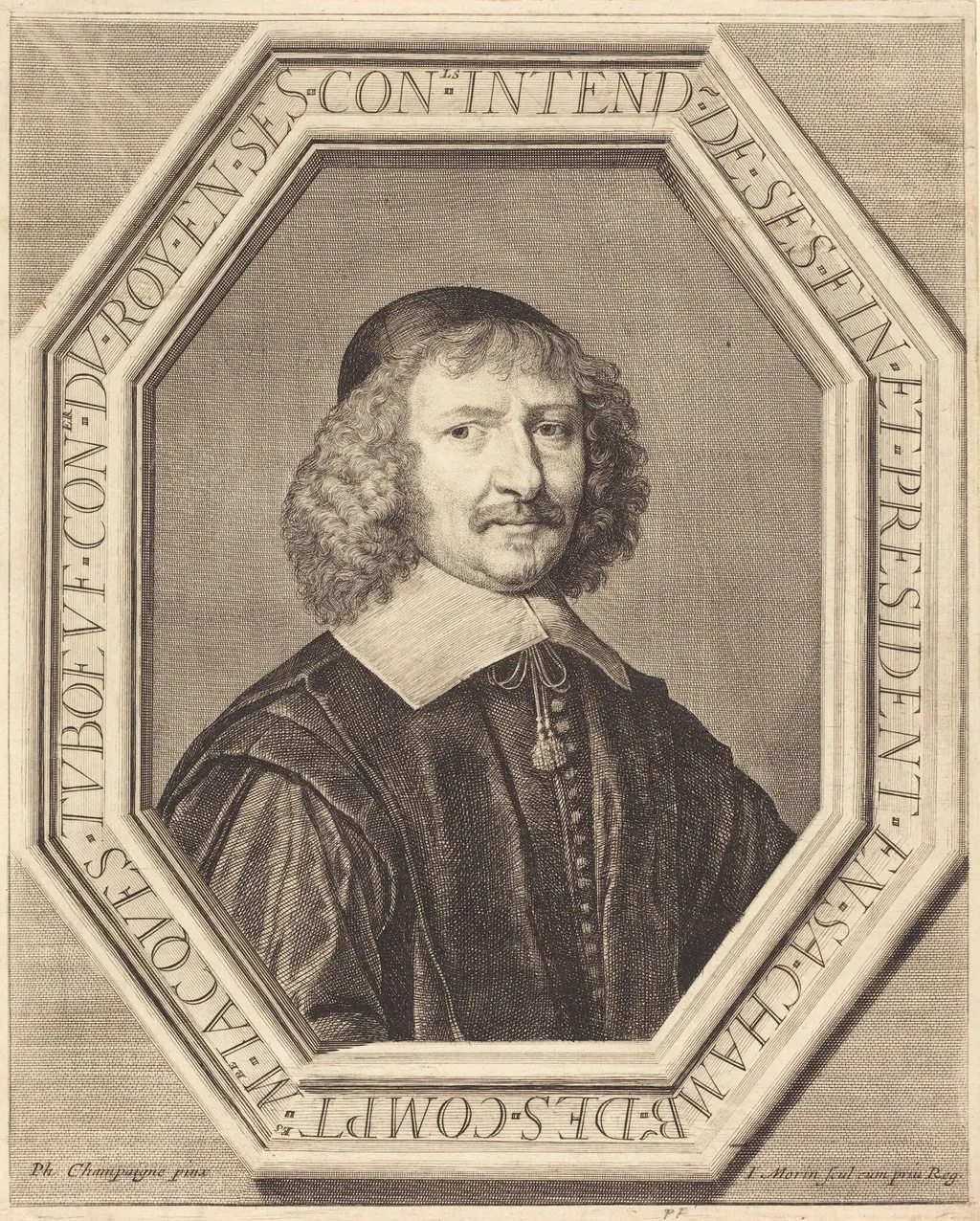
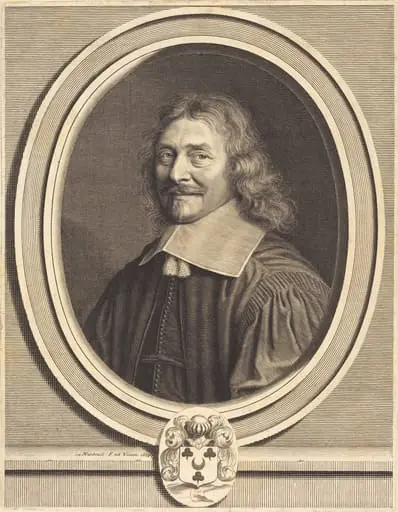
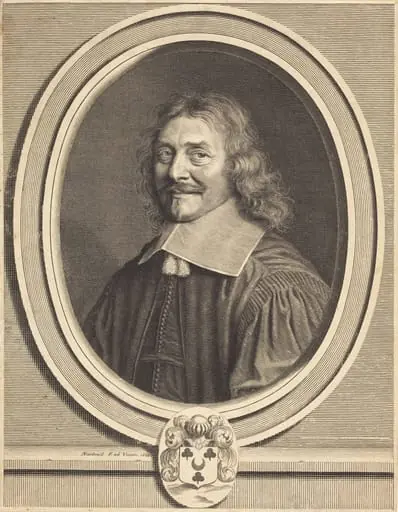
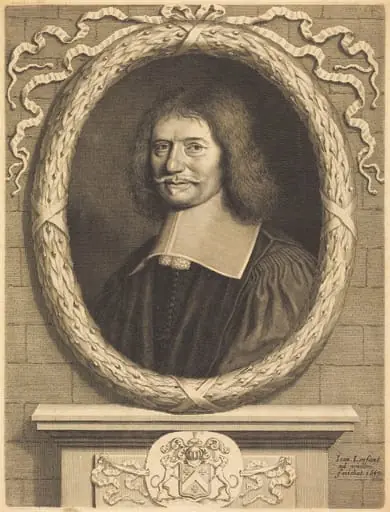
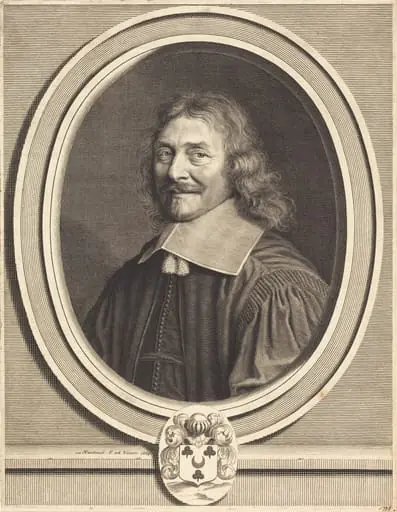
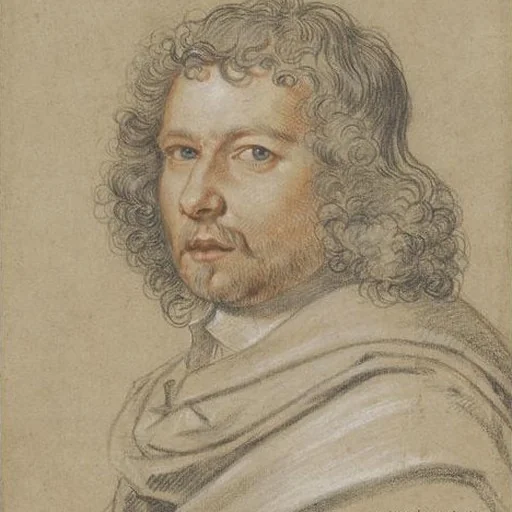
Jacques Tuboeuf is an ink print by the Baroque artist Jean Morin. It dates from 1625 and is held in the collection of the National Gallery of Art.
About this work
Overview
The work exemplifies the Baroque period’s emphasis on refined detail and tonal variation, presenting a formal likeness within a restrained composition.
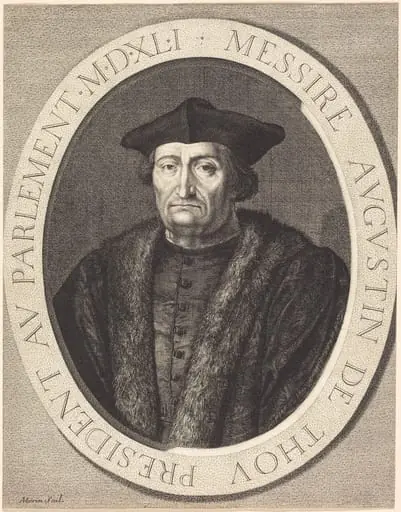
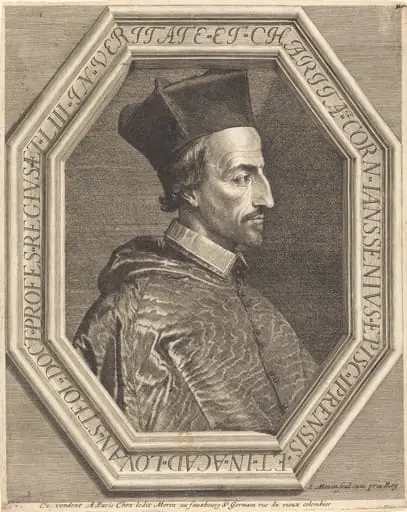
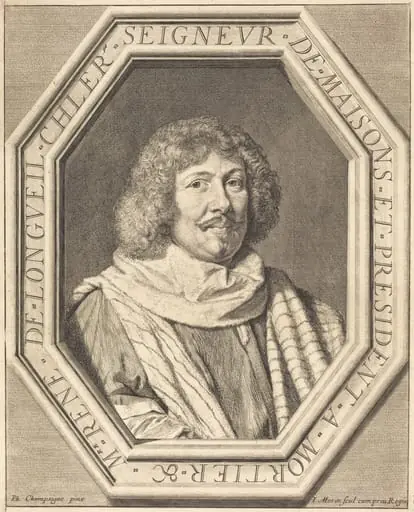
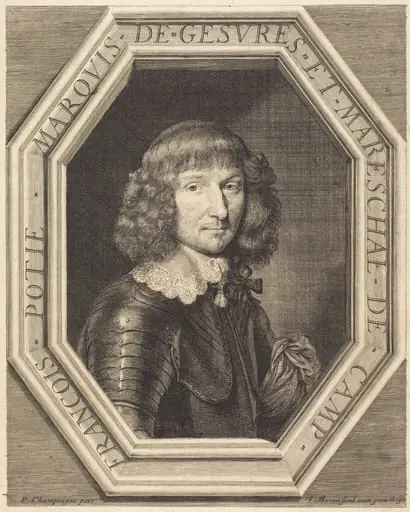
This portrait of Jacques Tuboeuf is a 1625 print by Jean Morin, executed in etching, engraving, and stippling on laid paper. As a key figure in early 17th-century French printmaking, Morin employed a hybrid technique that merged multiple intaglio methods on a single plate. The work exemplifies the Baroque period’s emphasis on refined detail and tonal variation, presenting a formal likeness within a restrained composition.
Subject & Meaning
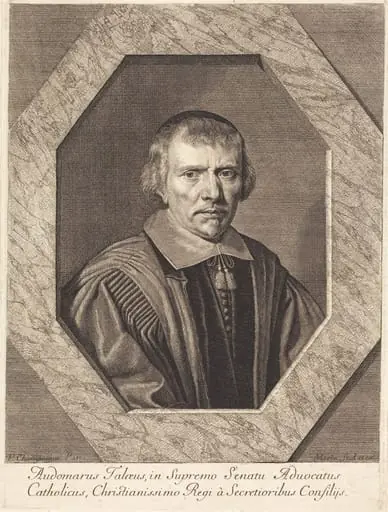
The print depicts Jacques Tuboeuf, a figure whose serious expression and attire—curly hair, a white ruff collar, and a dark jacket with a visible chain—suggest a person of status, possibly a nobleman or official. The Latin inscription framing the image reinforces the subject’s significance, though its precise meaning remains tied to the conventions of portraiture used to convey authority and dignity during the period.
Technique & Style
Morin’s approach combined etching’s fluid lines with the precision of engraving and the subtle gradations of stippling, allowing for a nuanced rendering of textures and depth. The technique enabled fine detailing in the subject’s features and garments while maintaining a controlled contrast between light and shadow. This method became influential for its ability to merge spontaneity with meticulous craftsmanship.
History & Provenance
Created in 1625, the print reflects Morin’s dual role as both artist and publisher, a common practice among printmakers of the era. The work entered the historical record as part of the broader dissemination of portrait prints, which served both artistic and documentary purposes. Its survival on laid paper, with visible age-related texture, underscores the medium’s durability and the print’s circulation over centuries.
Context
During the early 17th century, portrait prints functioned as a means of recording likenesses of notable individuals, often circulated among collectors or as commemorative works. Morin’s innovation in combining etching and engraving aligned with the Baroque interest in technical experimentation and expressive realism. The plain background and decorative inscription situate the work within the conventions of European portraiture of the time.
Legacy
Morin’s integration of etching and engraving on a single plate influenced subsequent printmaking practices, offering a model for achieving both detail and tonal richness. While the portrait of Tuboeuf may not be among his most widely reproduced works, it exemplifies the period’s advancements in reproductive techniques and the role of prints in preserving likenesses of historical figures.
Artist & collection
Artist
Jean Morin (c.1595 or 1605 – 1650) was a French baroque painter, printmaker, painter, etcher, engraver and publisher.