Artwork
Michel de Marillac
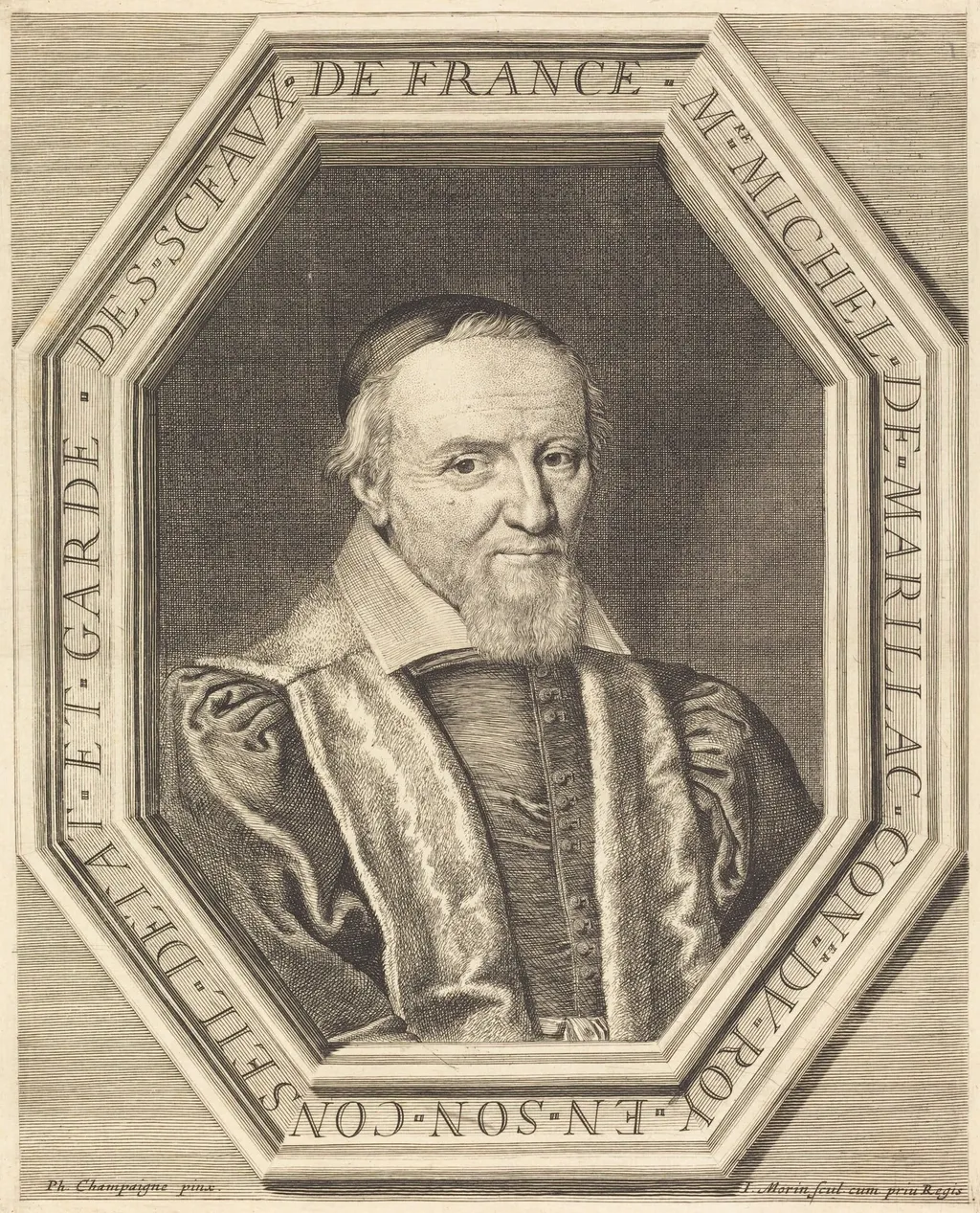
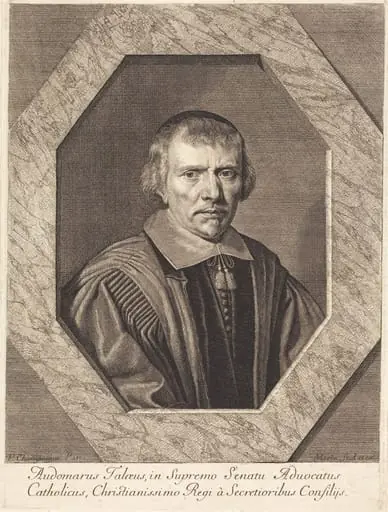
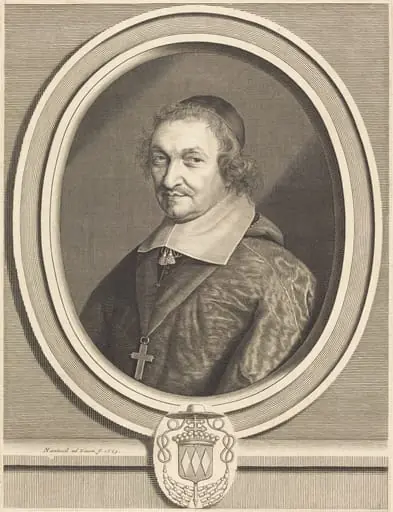
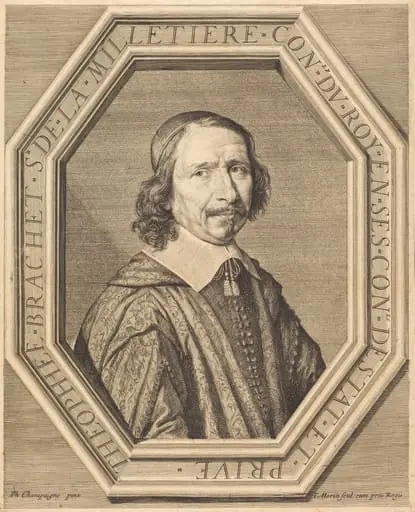
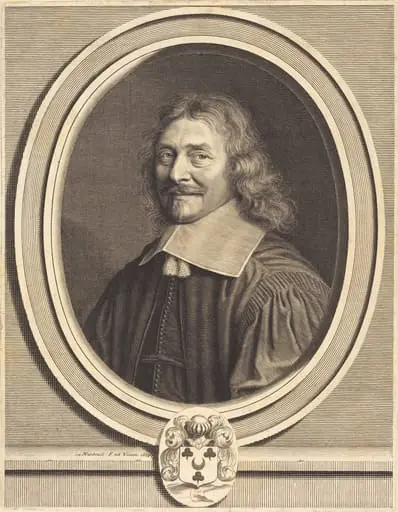
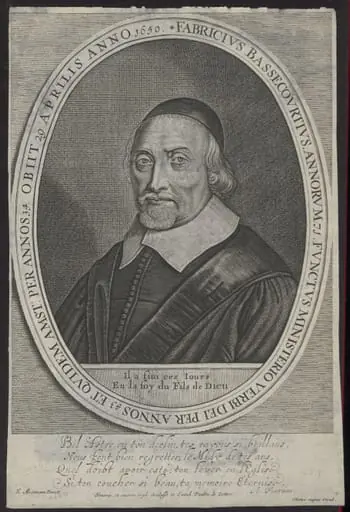
Michel de Marillac is an ink print by the Baroque artist Jean Morin. It dates from 1625 and is held in the collection of the National Gallery of Art.
About this work
Overview
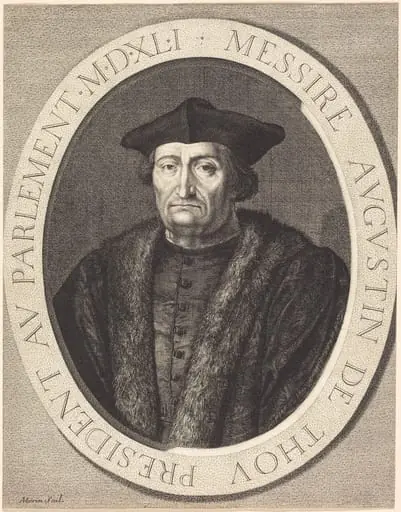
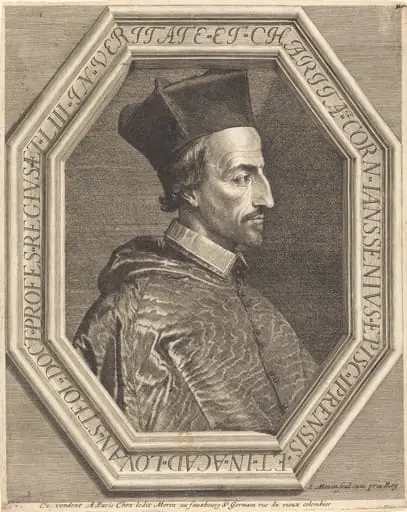
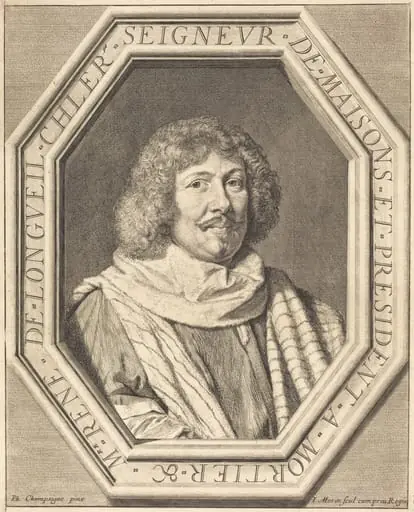
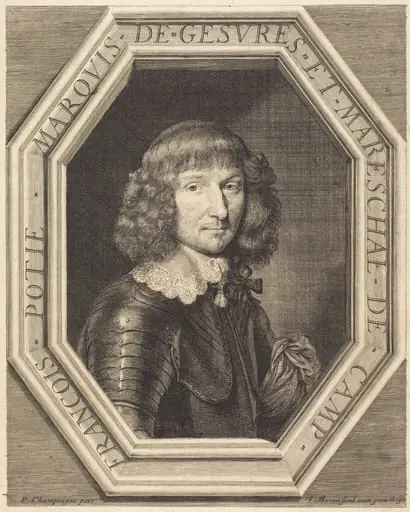
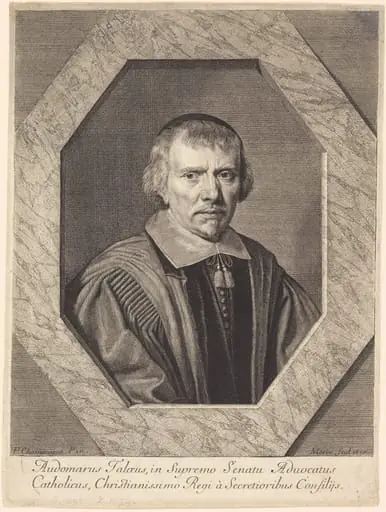
Jean Morin’s 1625 print presents a formal portrait of Michel de Marillac, a notable French statesman of the early seventeenth century. Executed on laid paper, the image combines etching, engraving, and stipple techniques to render the subject in monochrome, emphasizing texture and facial expression without color.
Subject & Meaning
The work portrays de Marillac as a dignified, bearded figure in a high‑collared, stiff‑necked garment, his hands placed on his chest in a gesture of solemnity. The plain background and the decorative frame bearing his name and titles underscore his official status and the portrait’s function as a commemorative likeness.
Technique & Style
Morin employed a hybrid approach, first incising lines with a burin for engraving, then using acid to etch broader areas, and finally applying stippling to achieve subtle tonal gradations. Fine linear work models the folds of the collar and the flesh, while delicate stipple shading creates depth, reflecting common printmaking practices of the Baroque period.
History & Provenance
Created in 1625, the print originates from Morin’s active period as a French printmaker and painter. While specific ownership records are limited, the piece exemplifies the early modern French tradition of producing portrait prints for circulation among elite circles and governmental patrons.
Context
During the early seventeenth century, French portraiture increasingly utilized prints to disseminate images of political figures. Morin’s integration of engraving and etching mirrored broader technical innovations that allowed greater detail and tonal variation, aligning the work with contemporary Baroque aesthetics.
Artist & collection
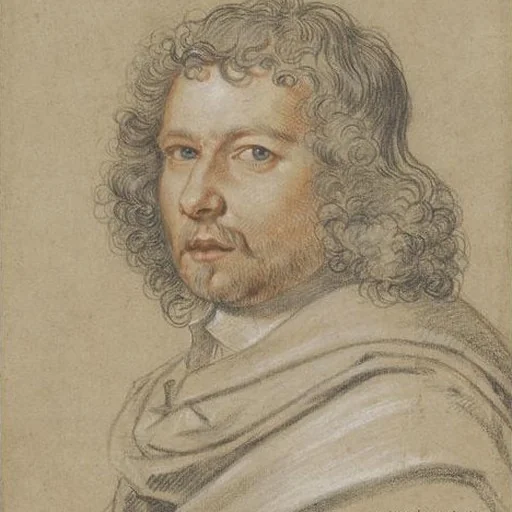
Artist
Jean Morin (c.1595 or 1605 – 1650) was a French baroque painter, printmaker, painter, etcher, engraver and publisher.