Artwork
Caliban
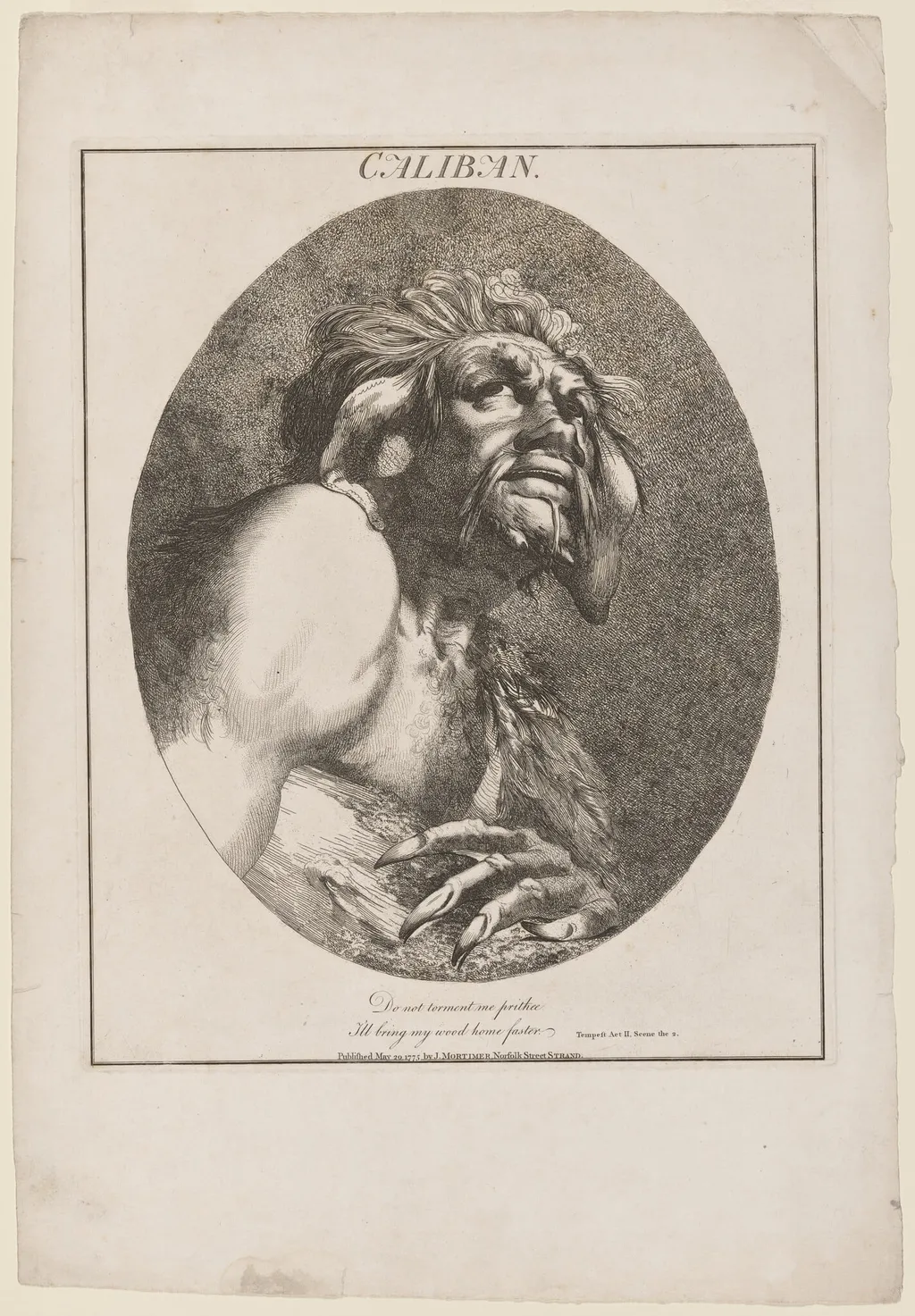
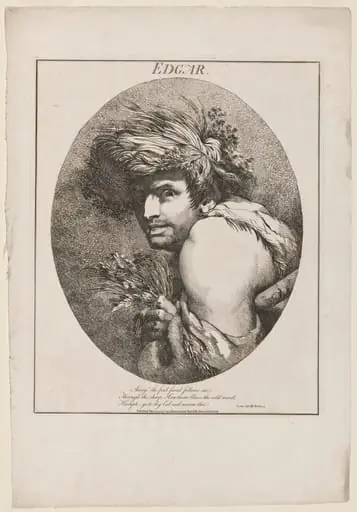
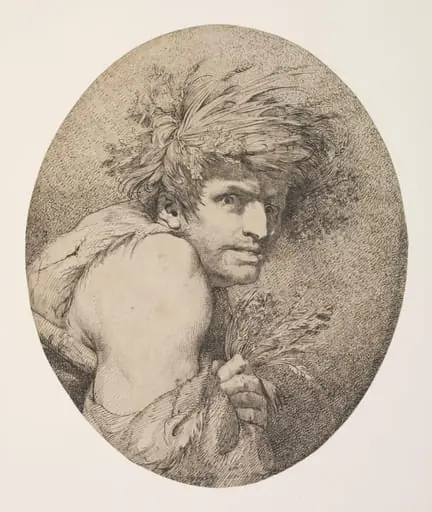
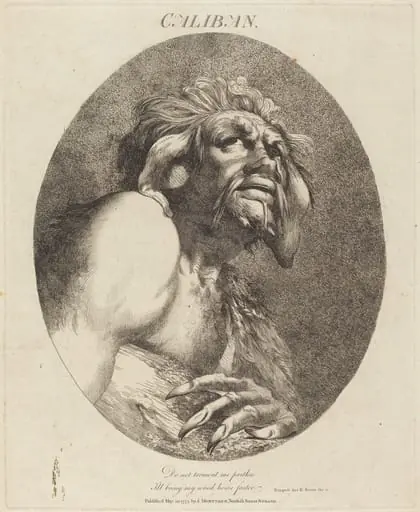
Caliban is an ink print by the Romanticist artist John Hamilton Mortimer. It dates from 1775 and is held in the collection of the National Gallery of Art.
About this work
Overview
Caliban is an etching created by John Hamilton Mortimer in 1775, exemplifying the artist's propensity for dramatic subjects during the 1770s.
Subject & Meaning
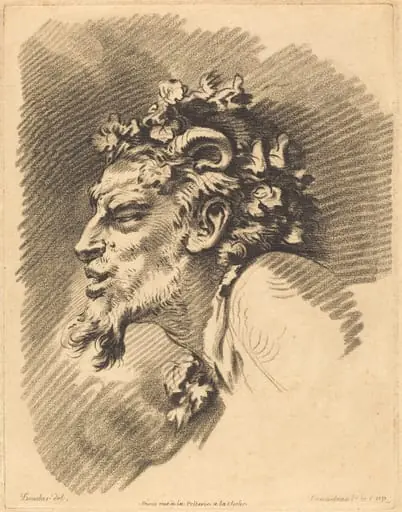
The print depicts Caliban, the enslaved character from Shakespeare's The Tempest, in a raw, unmitigated portrayal. Caliban is shown with wild hair, twisted limbs, and a snarling face, conveying intense, animalistic energy.
Technique & Style
Mortimer employed sharp, deeply etched lines to create pronounced shadows, lending the figure a sense of realism and enhancing the overall eerie effect.
History & Provenance
Created during Mortimer's presidency of the Society of Artists, Caliban reflects his engagement with dramatic themes of the time. Current location: Part of the collection at the National Gallery of Art, Washington.
Context
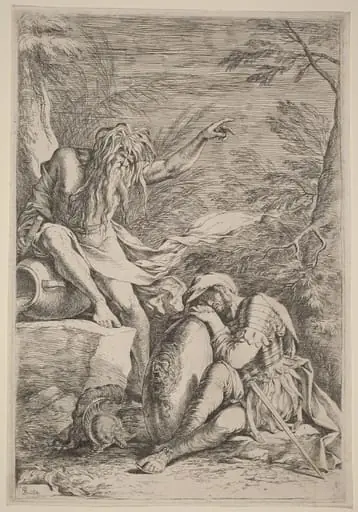
This work aligns with Mortimer's broader oeuvre, which included romantic Italian scenes and war compositions influenced by Salvator Rosa, though Caliban stands out for its dark, Romantic undertones.
Legacy
Caliban represents a notable example of 18th-century British printmaking's ability to interpret literary figures through bold, expressive means.
Artist & collection
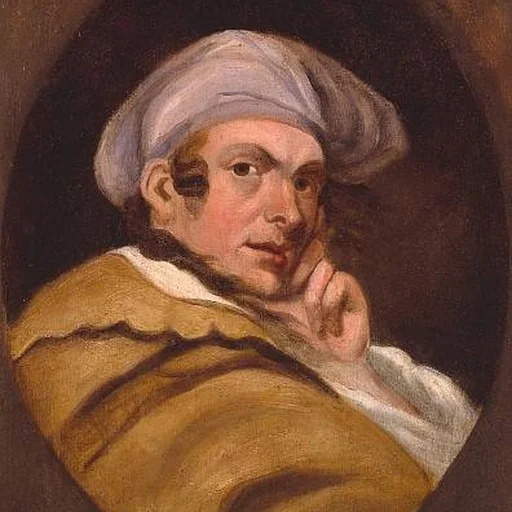
Artist
John Hamilton Mortimer (17 September 1740 – 4 February 1779) was a British figure and landscape painter and printmaker, known for romantic paintings set in Italy, works depicting conversations, and works drawn in the…

![Mucius Scaevola [recto], by John Hamilton Mortimer](https://artifactworldgallery.com/img/john-hamilton-mortimer--mucius-scaevola-recto--0de678fa443f7962-w320.webp)