Artwork
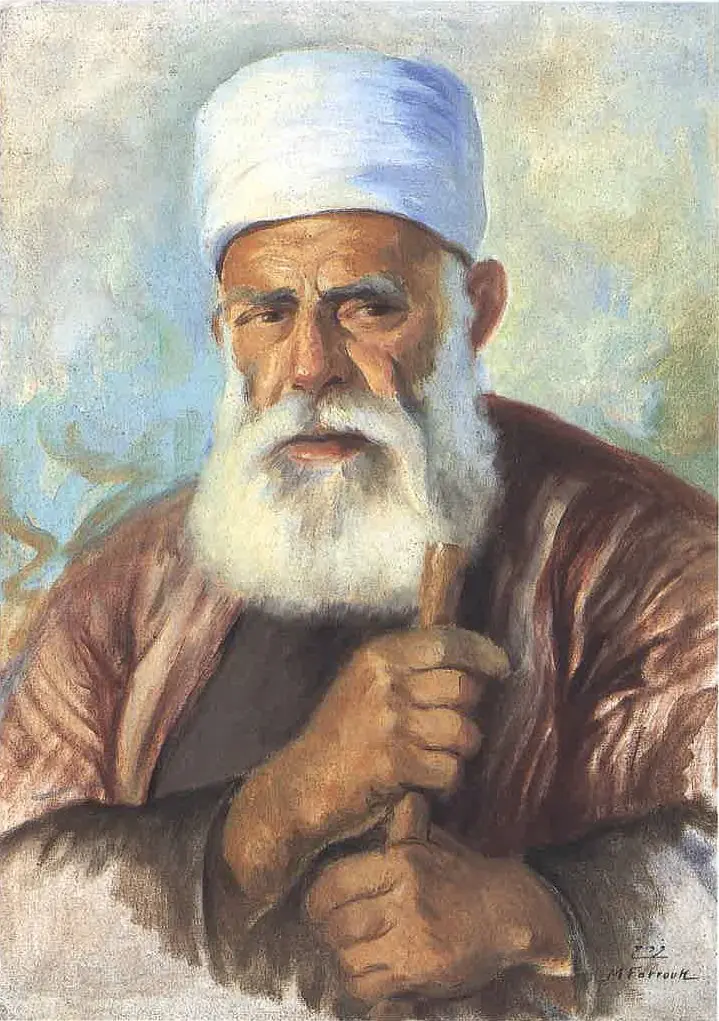
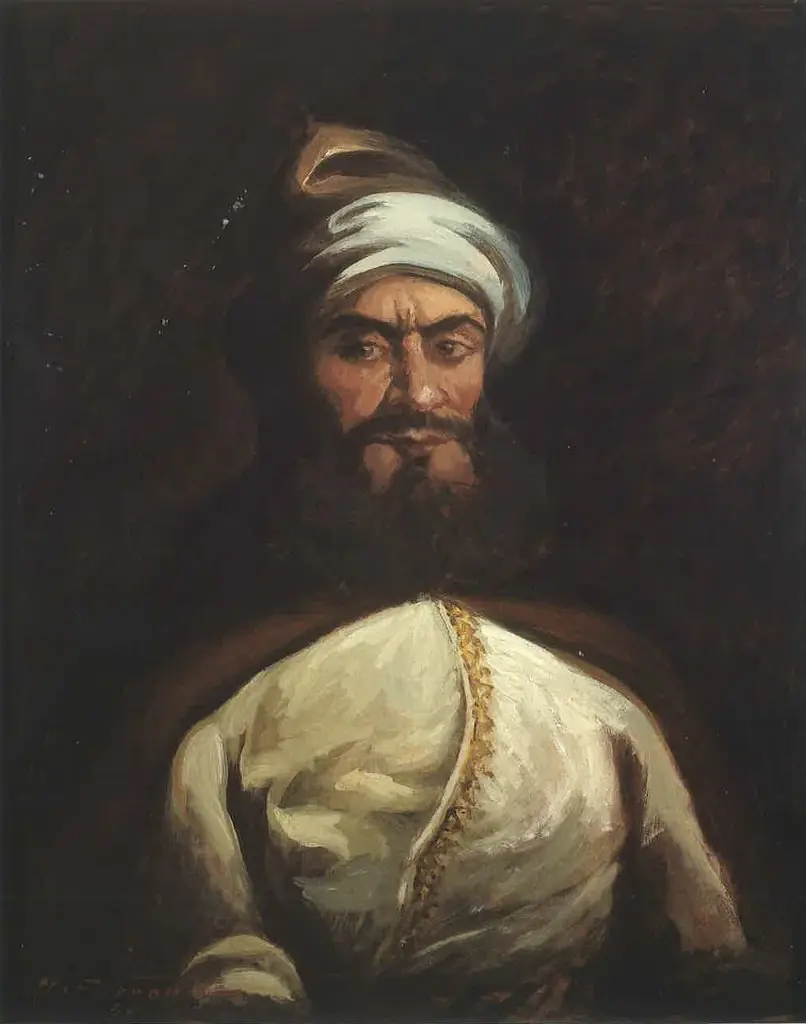
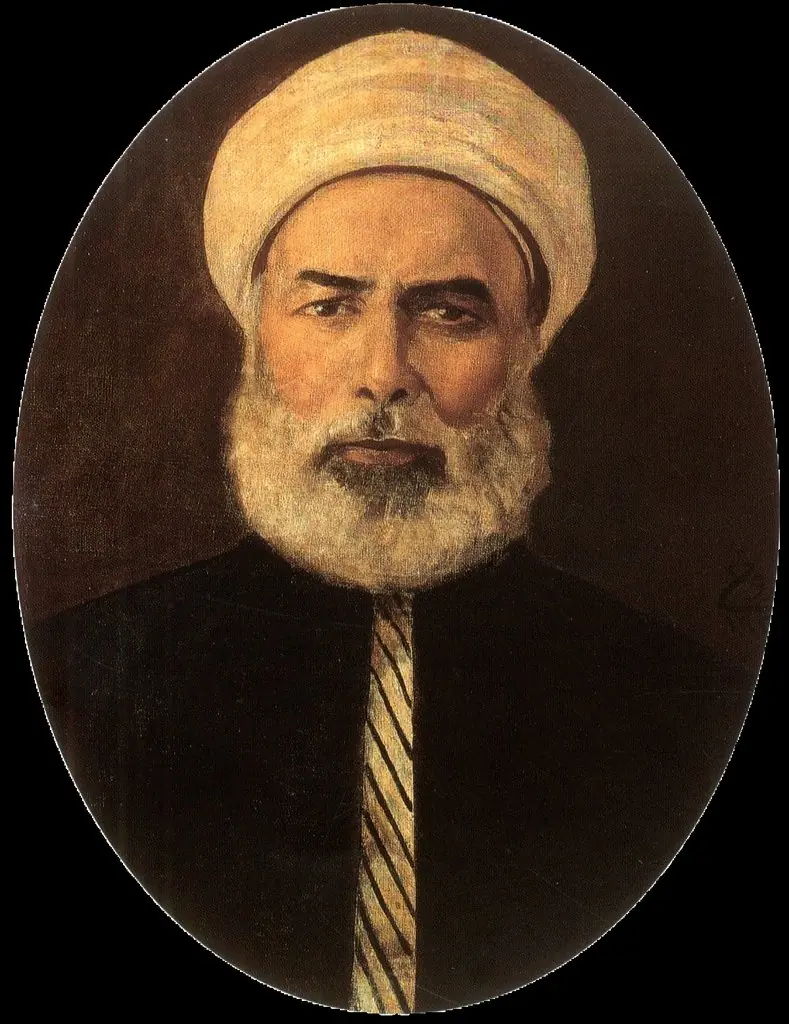
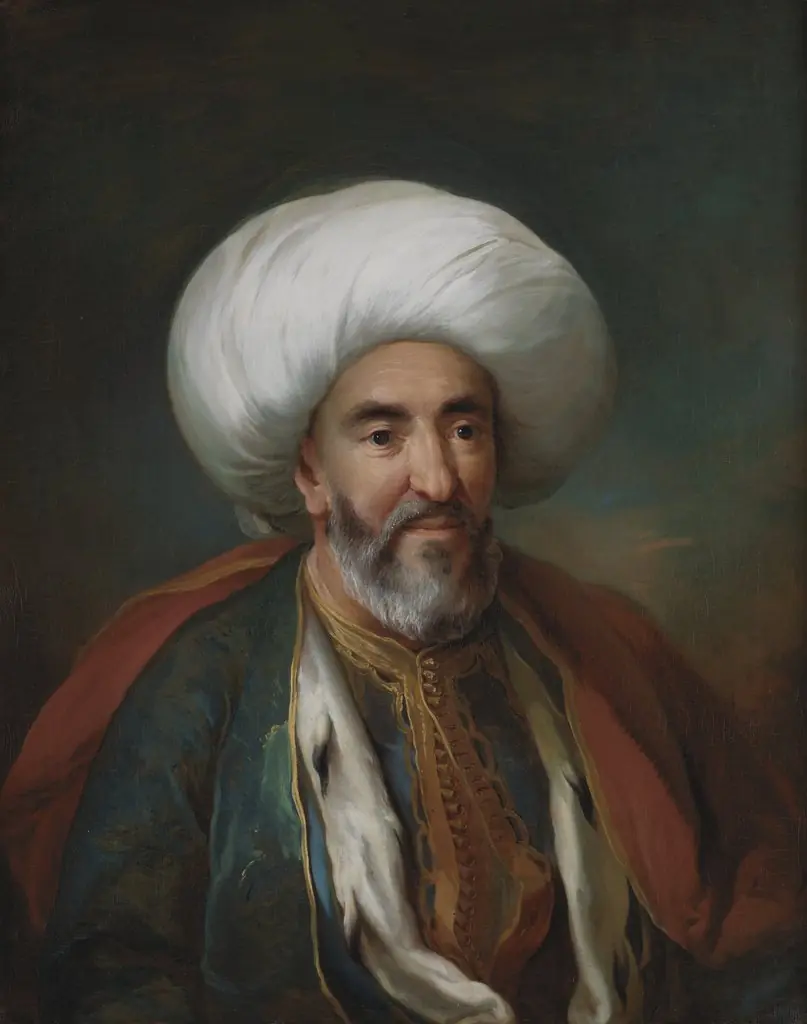
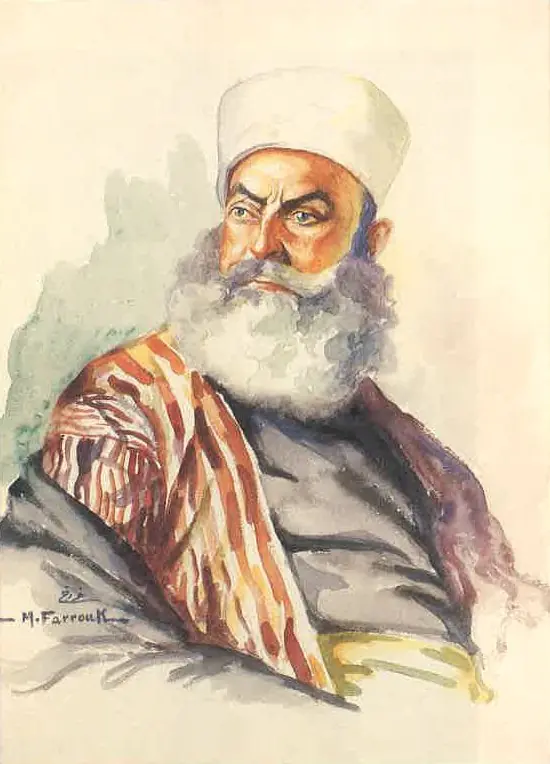
Portrait of Sheikh Selim Nasser
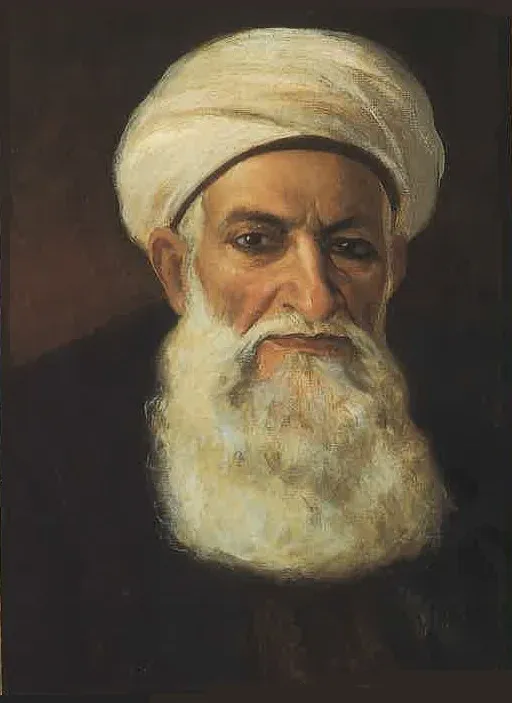
Portrait of Sheikh Selim Nasser is an oil painting by Moustafa Farroukh. It dates from 1939 and is held in the collection of the Sursock Museum.
About this work
Overview
Created circa 1939, this oil painting by Lebanese artist Moustafa Farroukh presents a formal portrait of a bearded figure in traditional attire. The work is part of the Sursock Museum’s collection and exemplifies Farroukh’s extensive output during the early twentieth century, a period when he produced thousands of canvases and authored several books.
Subject & Meaning
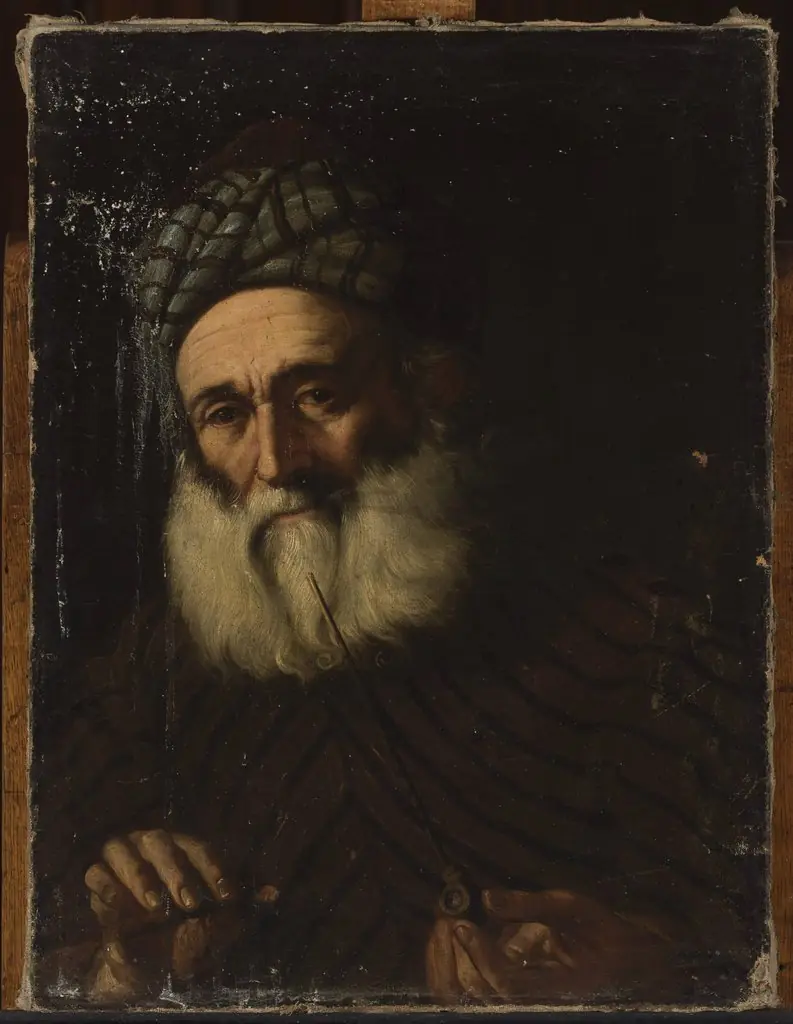
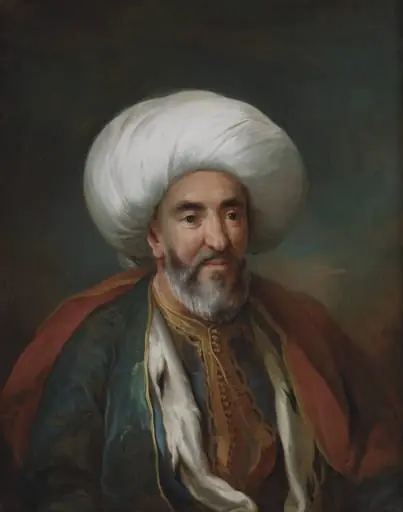
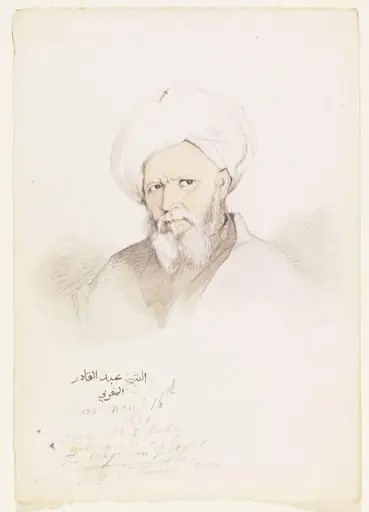
The sitter, identified as Sheikh Selim Nasser, is shown with a long white beard and a white turban, his gaze meeting the viewer directly. Dressed in a dark robe, his composed expression and dignified posture convey a sense of quiet authority and contemplation, reflecting the cultural stature of a community leader.
Technique & Style
Farroukh employs a restrained palette of earth tones, allowing the illuminated face and beard to emerge from a muted background. Careful modeling of light and shadow creates subtle texture on the skin and fabric, while the overall handling remains realistic, emphasizing depth and three‑dimensional presence without overt dramatization.
History & Provenance
Since its creation, the portrait has remained in Lebanon, eventually entering the holdings of the Sursock Museum. The museum’s acquisition situates the work within a broader narrative of Lebanese modern art, preserving Farroukh’s contribution to the nation’s visual heritage.
Artist & collection
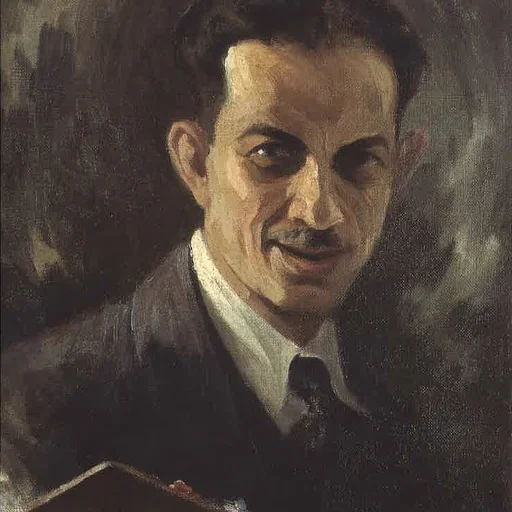
Artist
Moustafa Farroukh (Arabic: مصطفى فروخ; 1901 – 1957) was one of Lebanon's most prominent painters of the 20th century.