Artwork
Nadir Shah
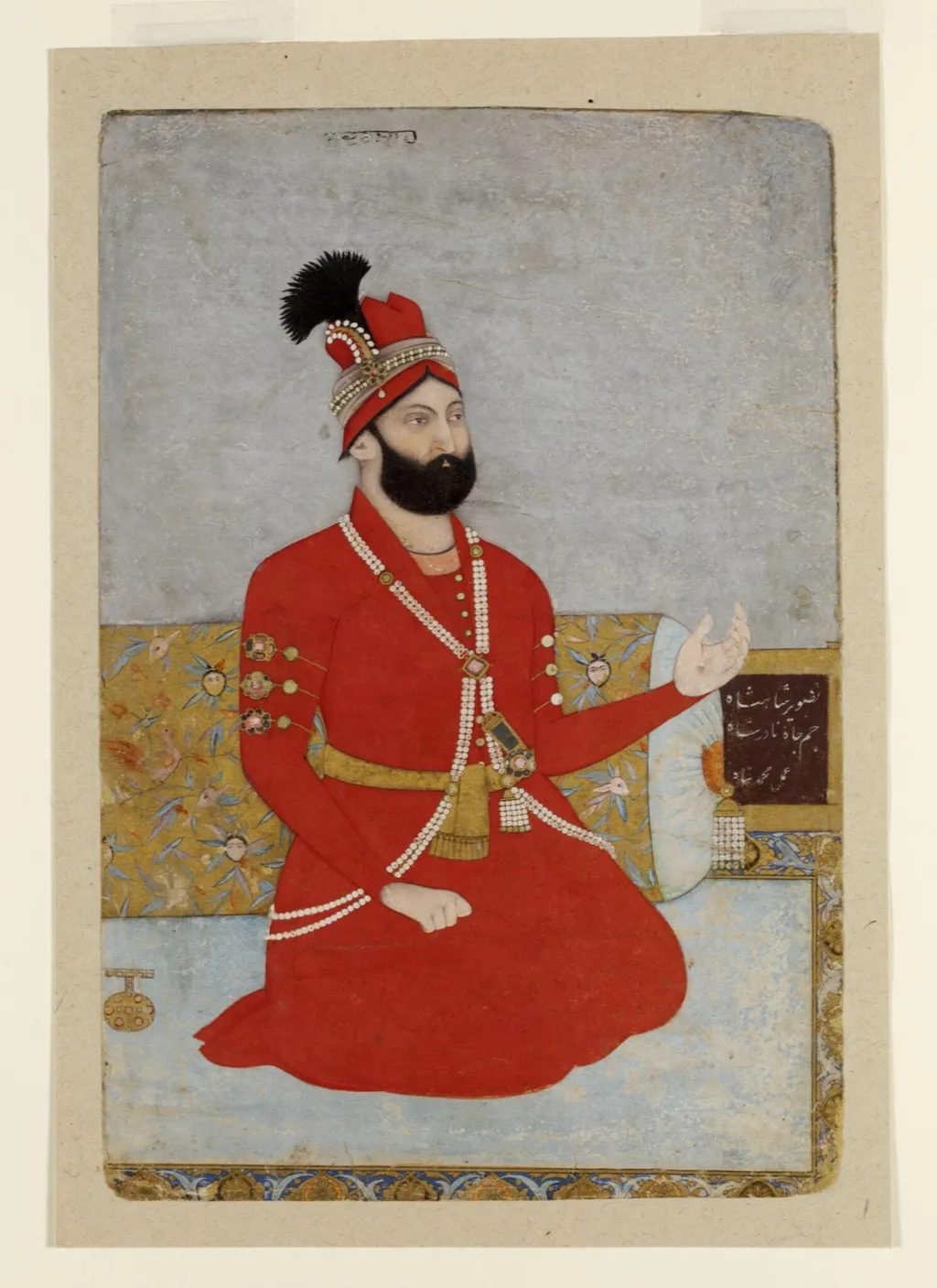
Nadir Shah is a paint painting by the Baroque artist Muhammad Panah. It dates from 1740 and is held in the collection of the Victoria and Albert Museum.
About this work
Overview
The work captures the Iranian monarch during a period of military incursion into Mughal territories, reflecting the political turbulence of the era.
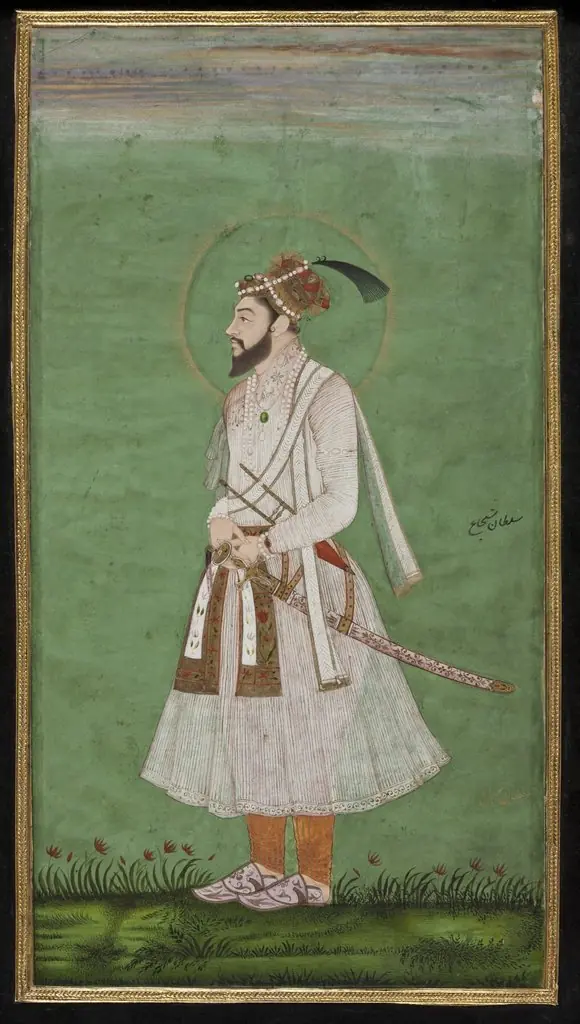
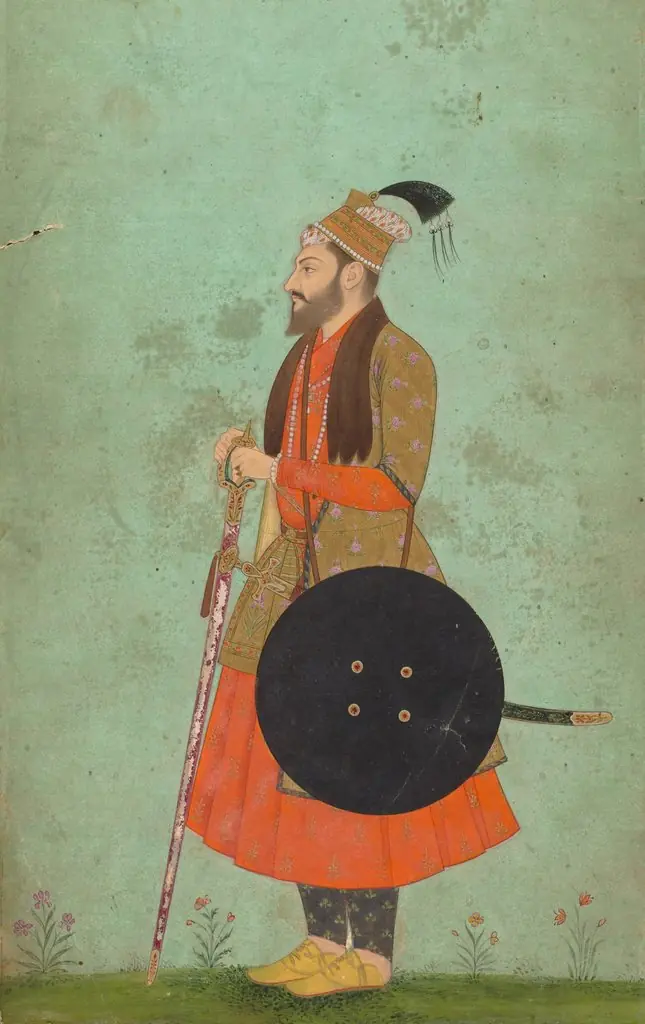
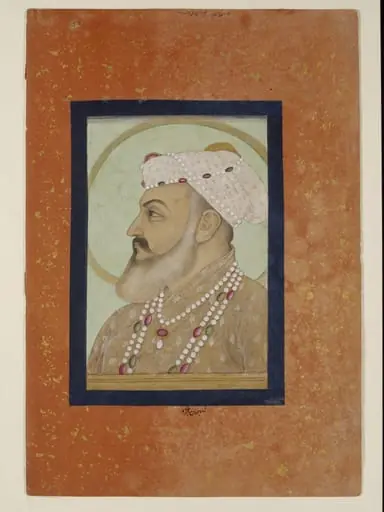
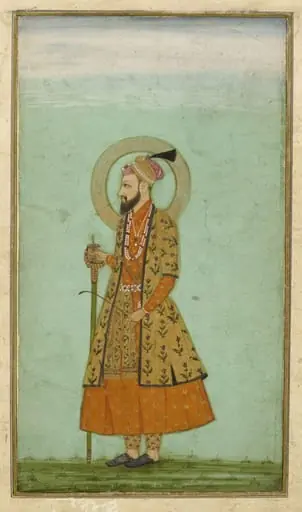
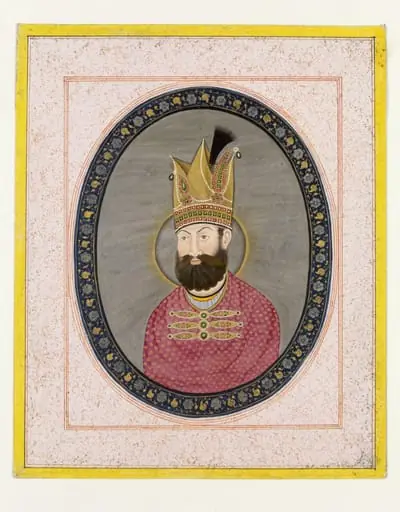
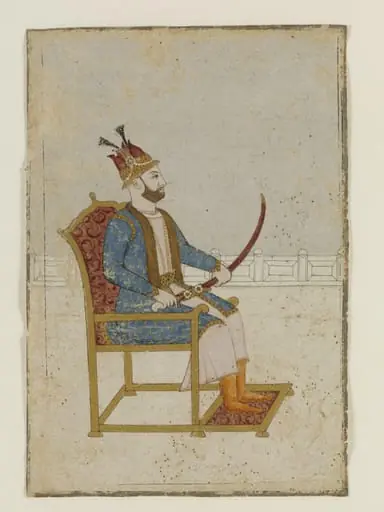
This portrait depicts Nadir Shah, ruler of Iran from 1736 to 1747, painted in the northern Indian subcontinent, likely in Delhi. Signed by Muhammad Panah, it aligns with another dated 1742 version held in the Bodleian Library. The work captures the Iranian monarch during a period of military incursion into Mughal territories, reflecting the political turbulence of the era. Its composition emphasizes the subject’s authority through color and positioning.
Subject & Meaning
Nadir Shah is portrayed in a vivid red robe, a deliberate contrast to the muted grey background and pale blue rug, underscoring his dominance. His presence evokes the 1738 invasion of Delhi, during which he seized immense wealth, including the Koh-i-Noor diamond and Shah Jahan’s throne. The painting functions as both a personal likeness and a symbol of imperial power, asserting his legitimacy through visual grandeur rather than narrative detail.
Technique & Style
The artist, Muhammad Panah, employs a refined Mughal-derived style with flattened space and precise line work. Color is used symbolically: the intense red of the robe commands attention, while the subdued tones of the background isolate the figure. Fine brushwork defines textures in fabric and jewelry, and the Persian inscription on the right confirms identity and authorship, reflecting the fusion of Persianate aesthetics with local Indian conventions.
History & Provenance
The painting was acquired in 1904 or 1905 by Sir Robert Nathan, then private secretary to the Viceroy of India, from Maulvi Muhammad Husain, a Delhi judge. A later Gurmukhi inscription on the reverse repeats Nadir Shah’s name, suggesting the work passed into Sikh or Punjabi hands after its creation. Its journey from Delhi to British colonial collections reflects shifting cultural ownership in post-Mughal India.
Context
Created shortly after Nadir Shah’s sack of Delhi, the portrait emerged amid the collapse of Mughal authority and the rise of regional powers. Artists in northern India adapted Persianate courtly traditions to depict new patrons, including foreign conquerors. This work exemplifies how visual culture absorbed political upheaval, transforming a conqueror’s image into a lasting artifact of cross-cultural encounter.
Legacy
As one of few surviving portraits attributed to Muhammad Panah, the painting offers insight into the mobility of artists and styles across 18th-century South Asia. Its survival and later acquisition by a British official highlight how colonial collectors recontextualized regional artworks. The piece remains a material witness to the transient nature of imperial power and the enduring role of portraiture in asserting authority.
Artist & collection
Artist
Muhammad Panah worked in 18th-century Persia, painting portraits of powerful figures.