Artwork
Vanité
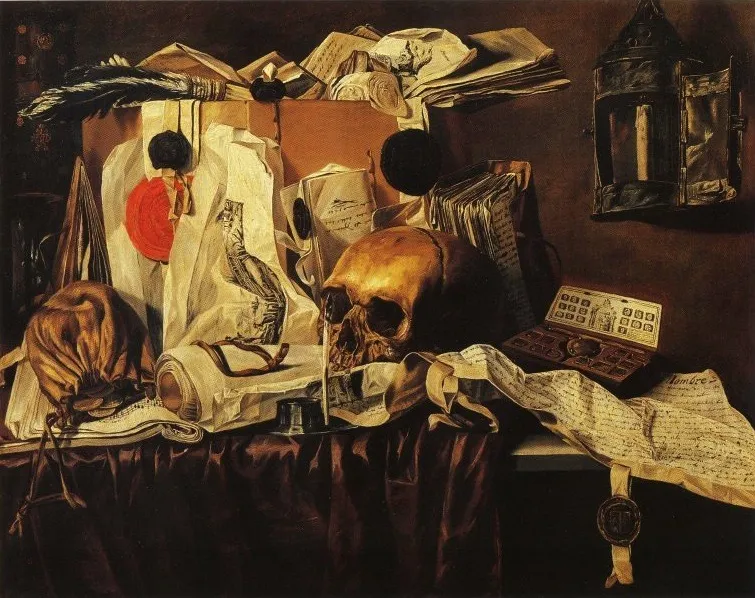
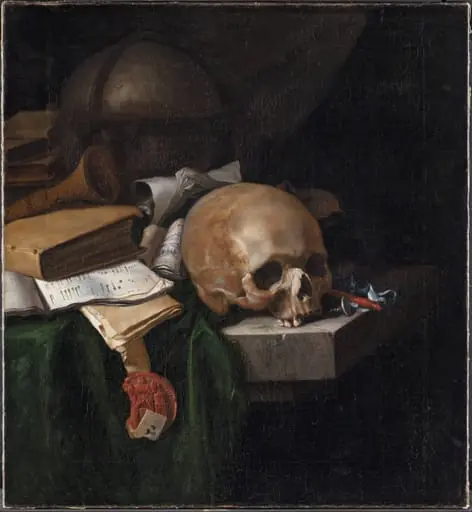
Vanité is an unspecified painting by the Dutch Golden Age artist N.L. Peschier. It dates from 1660 and is held in the collection of the Montreal Museum of Fine Arts.
About this work
Overview
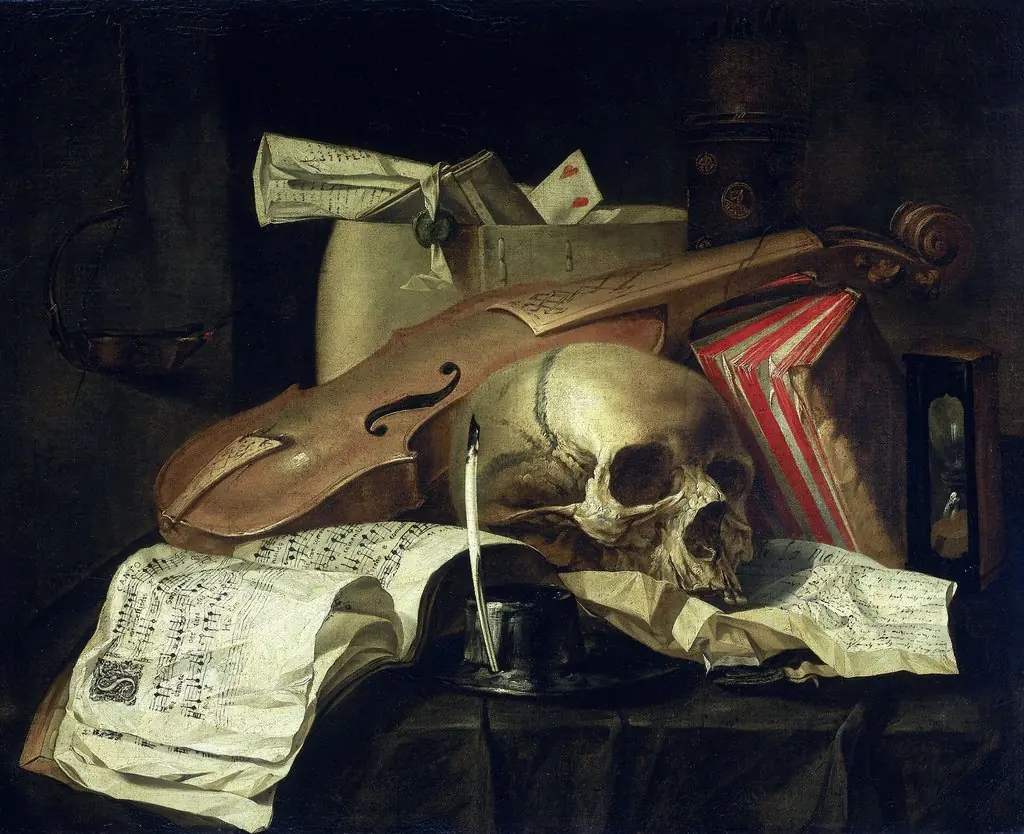
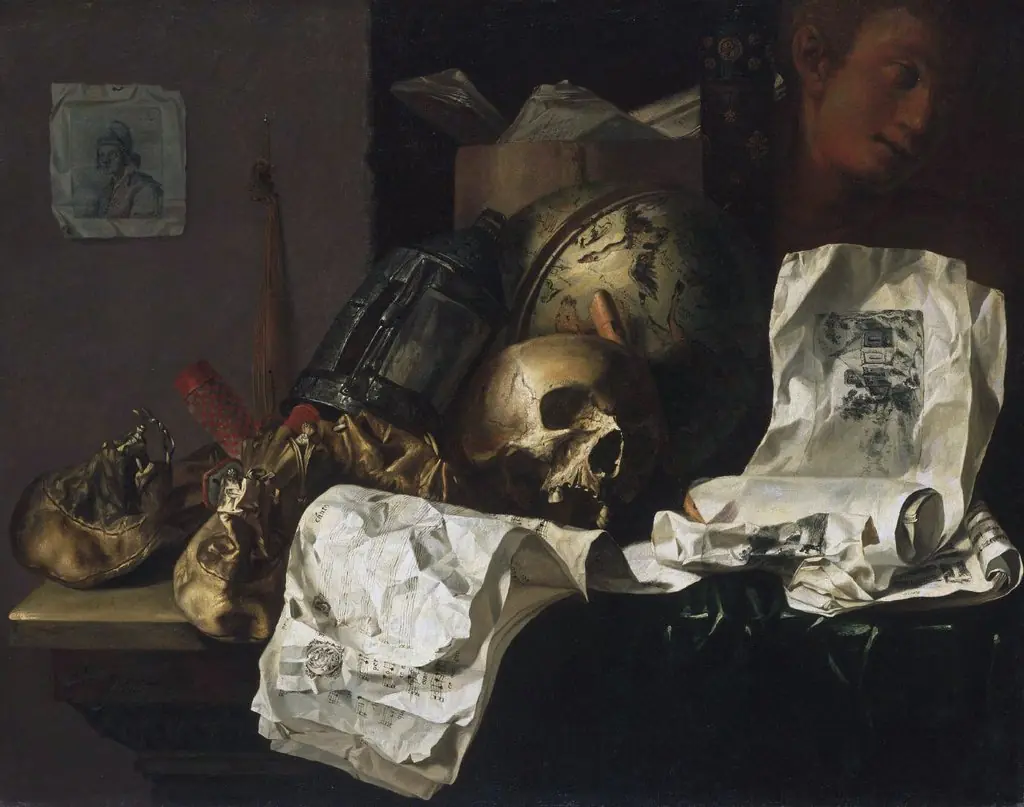
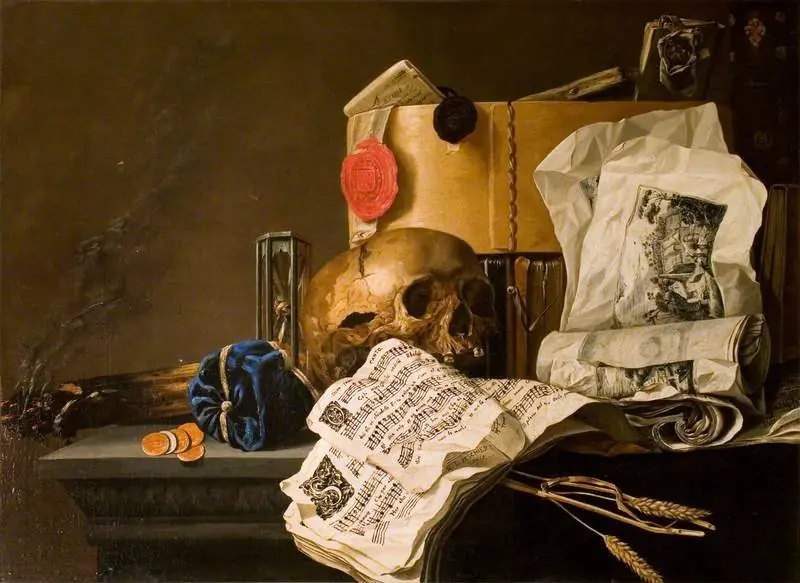
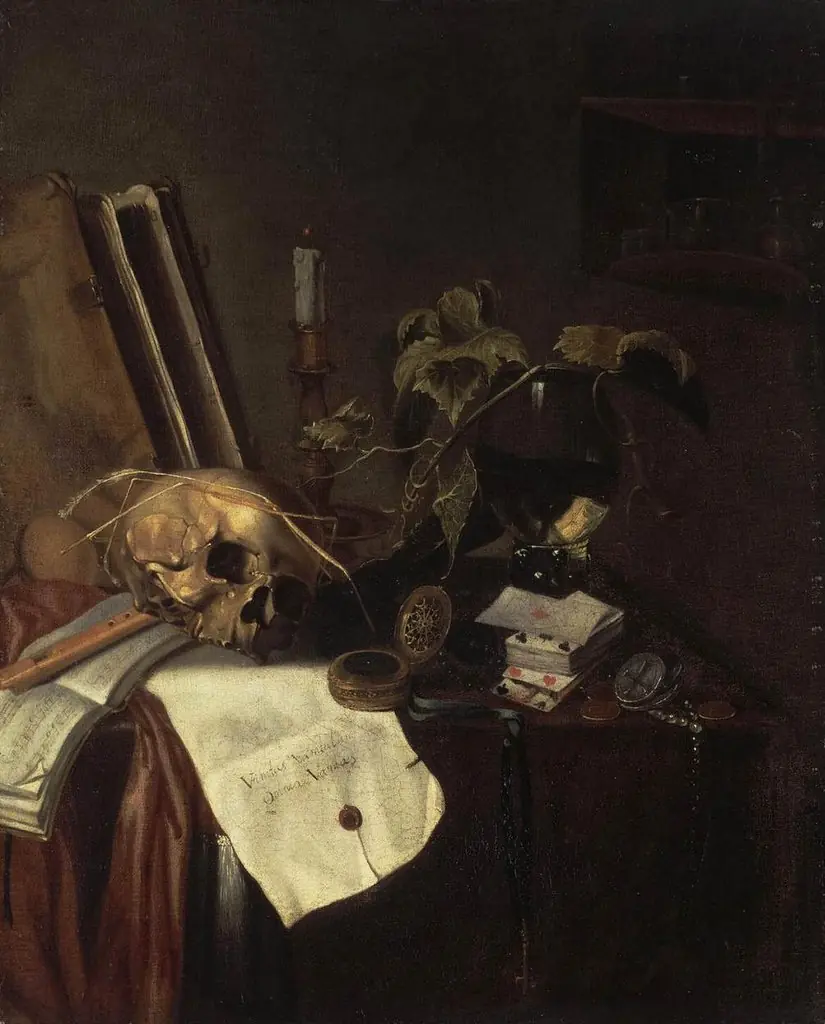
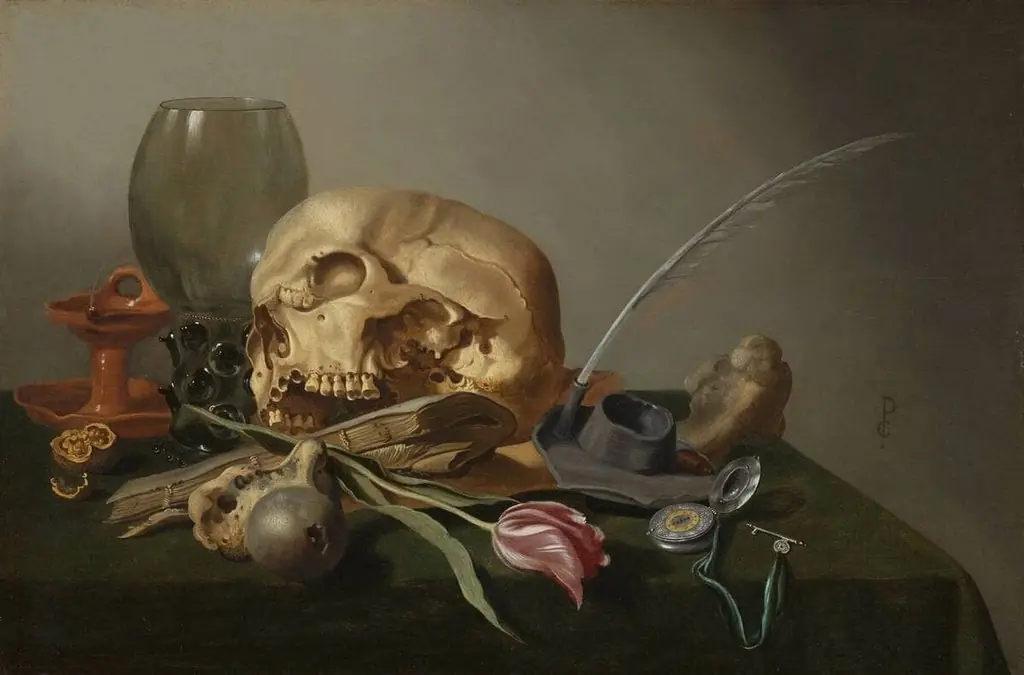
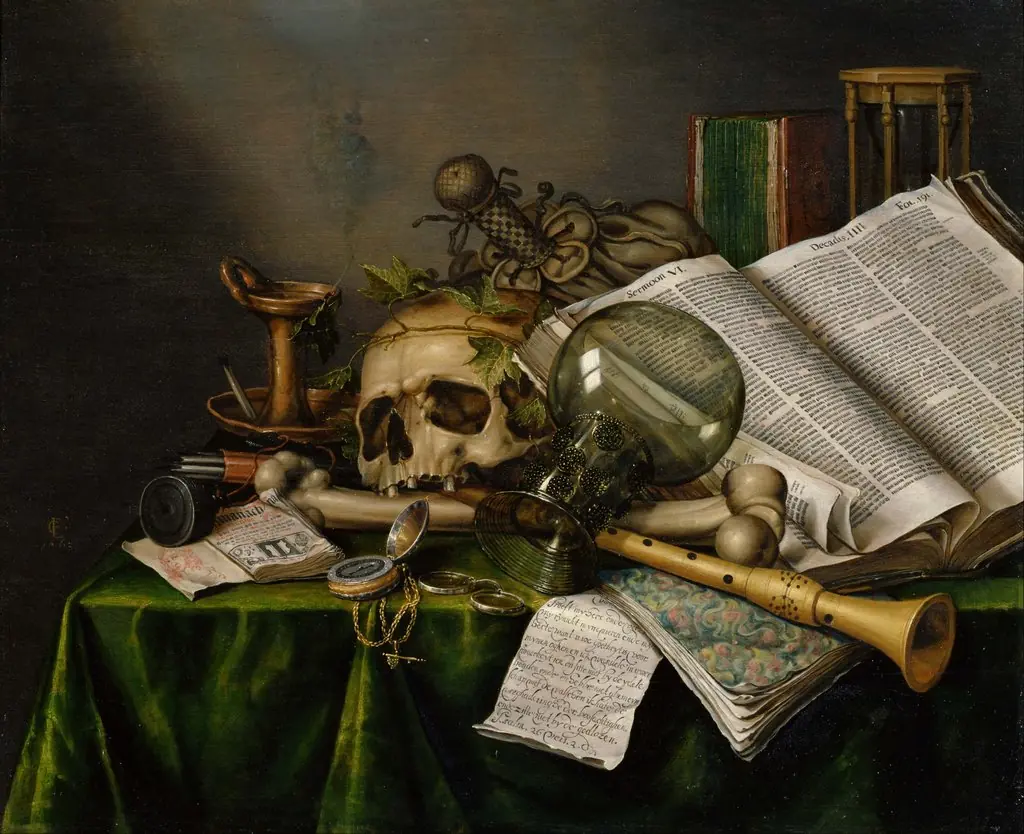
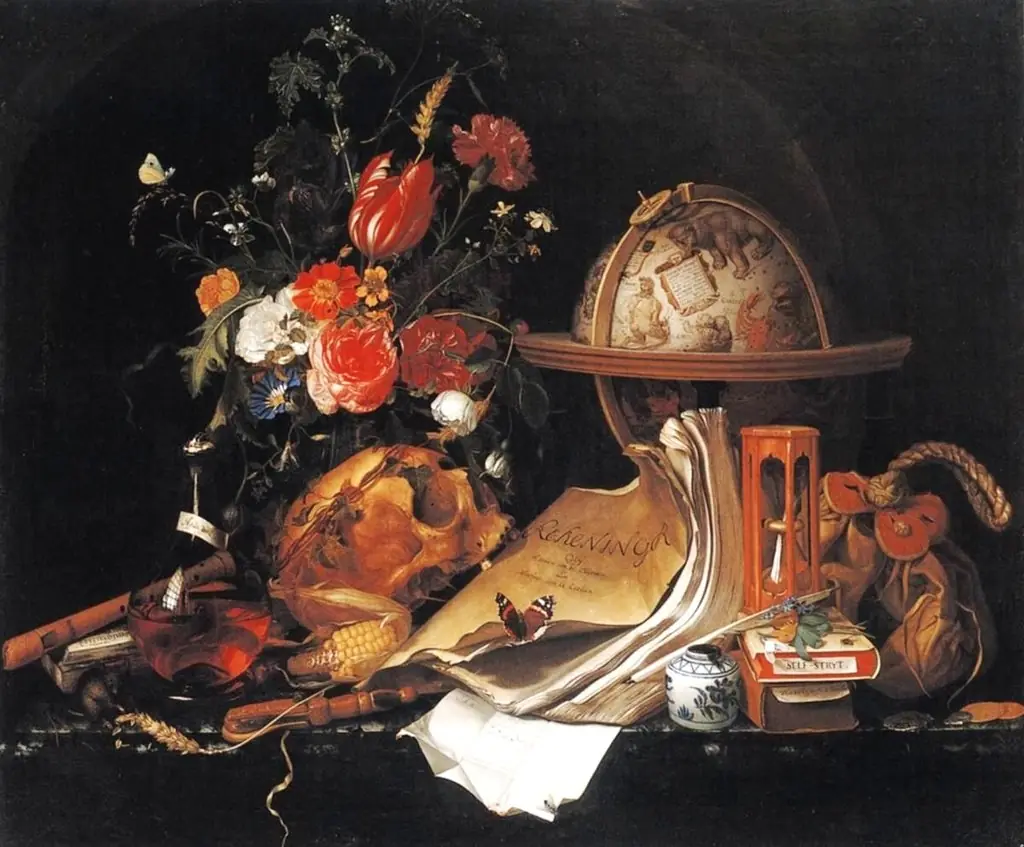
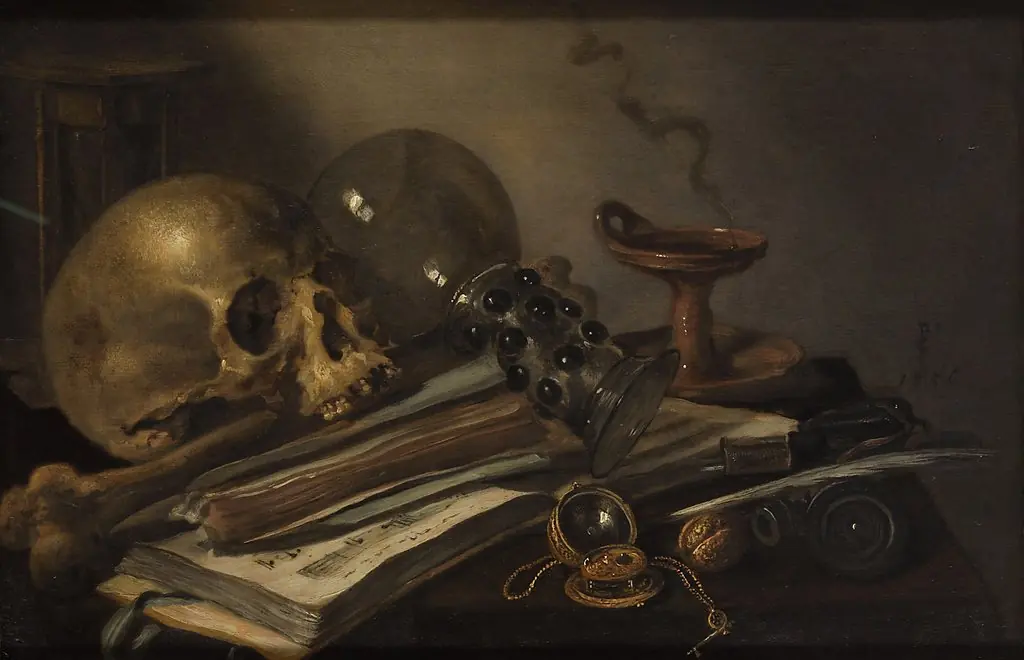
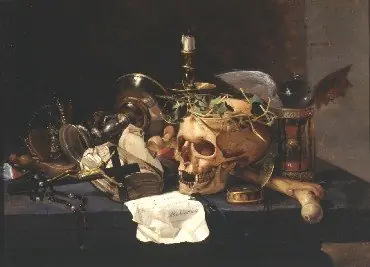
Created in 1660, *Vanité* is a still‑life composition by the Dutch painter N.L. Peschier. The work assembles a skull, an open book, a lantern and assorted objects on a tabletop, rendered with meticulous realism. It is part of the Montreal Museum of Fine Arts’ collection and exemplifies the moralizing genre of vanitas painting that was popular in the mid‑seventeenth‑century Netherlands.
Subject & Meaning
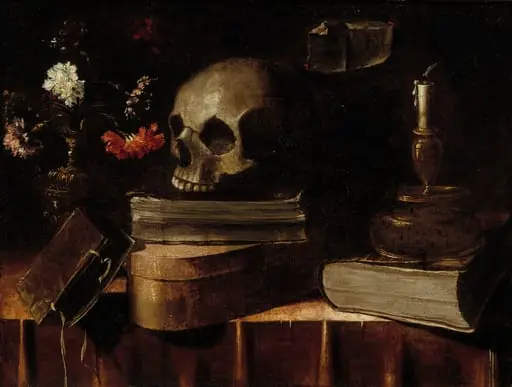
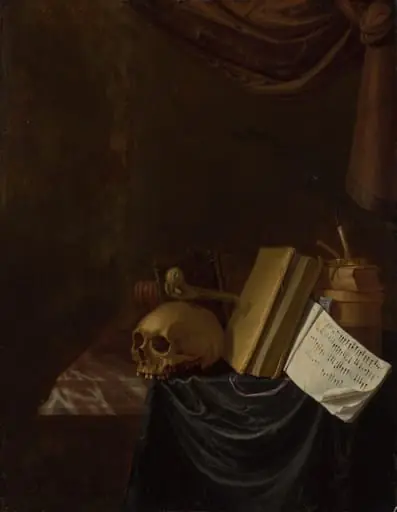
The arrangement of a human skull alongside symbols of knowledge and illumination conveys the transience of life and the futility of earthly pursuits. By juxtaposing mortality with items that suggest learning and light, the painting invites contemplation of the fleeting nature of worldly achievements, a common theme in Dutch vanitas art.
Technique & Style
Peschier employs a pronounced chiaroscuro, using strong contrasts between light and shadow to model the forms and give the scene a three‑dimensional presence.
Peschier employs a pronounced chiaroscuro, using strong contrasts between light and shadow to model the forms and give the scene a three‑dimensional presence. Fine brushwork captures the textures of fabric, metal and bone, while the subtle reflections on the lantern’s glass enhance the illusion of depth. The overall effect is a sober, highly detailed rendering typical of the period’s still‑life practice.
History & Provenance
Little documentary evidence exists about Peschier beyond his signed canvases and his influence on contemporaries such as David Bailly. *Vanité* entered the Montreal Museum of Fine Arts through acquisition in the twentieth century, joining a modest body of his work that survives in public collections and illustrates his contribution to the vanitas tradition.
Context
The painting belongs to the Dutch Golden Age, a time when artists produced a prolific output of genre scenes, portraits and still lifes. Within this milieu, vanitas works served as visual reminders of mortality, reflecting the Calvinist moral climate of the Republic. Peschier’s approach aligns with the stylistic tendencies of Vincent van der Vinne and Edwaert Collier, who also explored similar symbolic inventories.
Artist & collection
Artist
N.L. Peschier (died after 1661), was a Dutch Golden Age painter. According to the RKD nothing more is known of him besides his signatures on dated paintings. He influenced David Bailly and is known for vanitas paintings…