Artwork
Vanitas
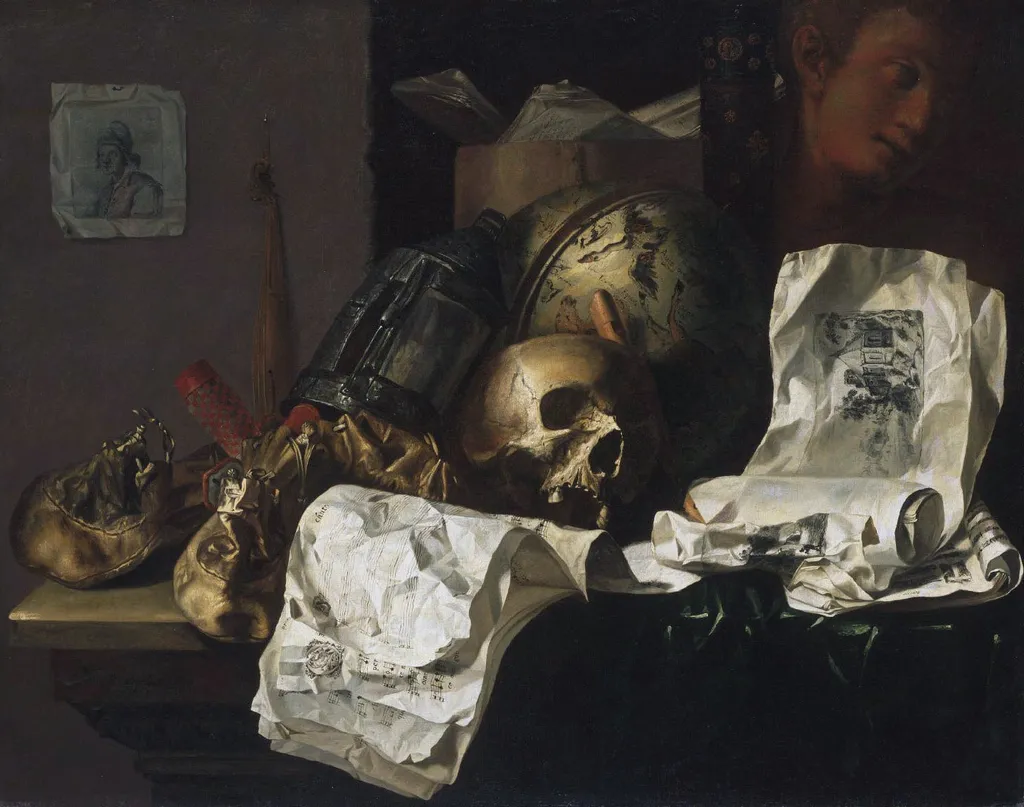
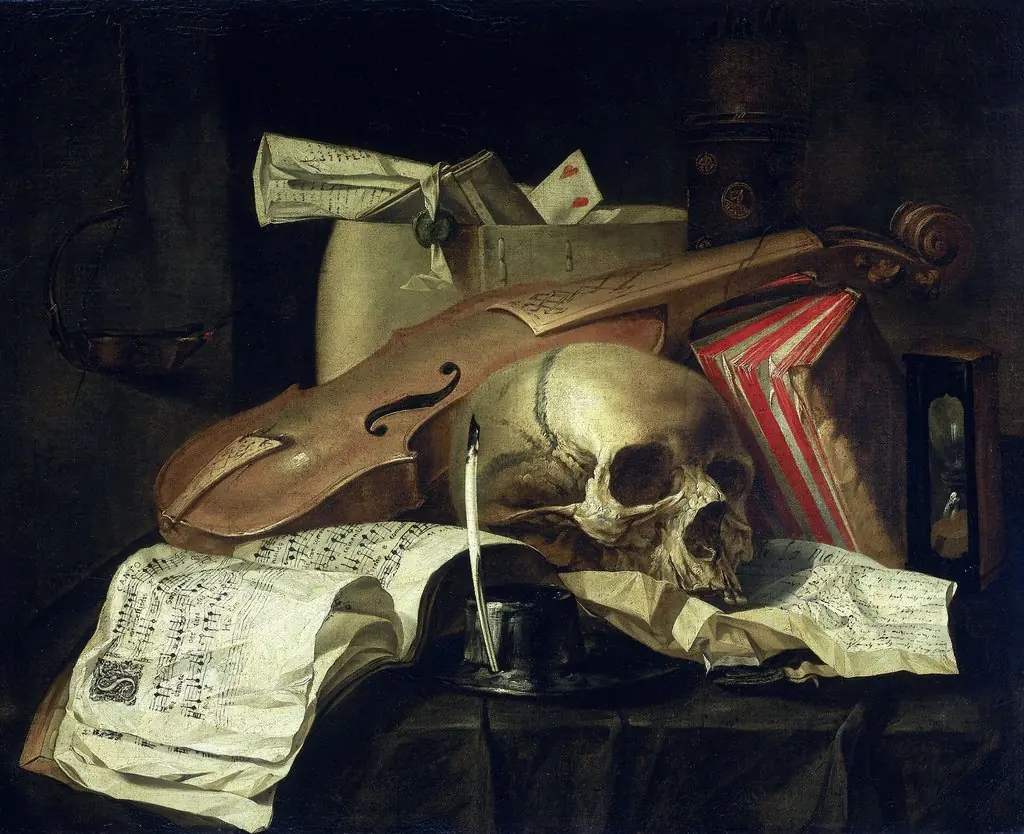
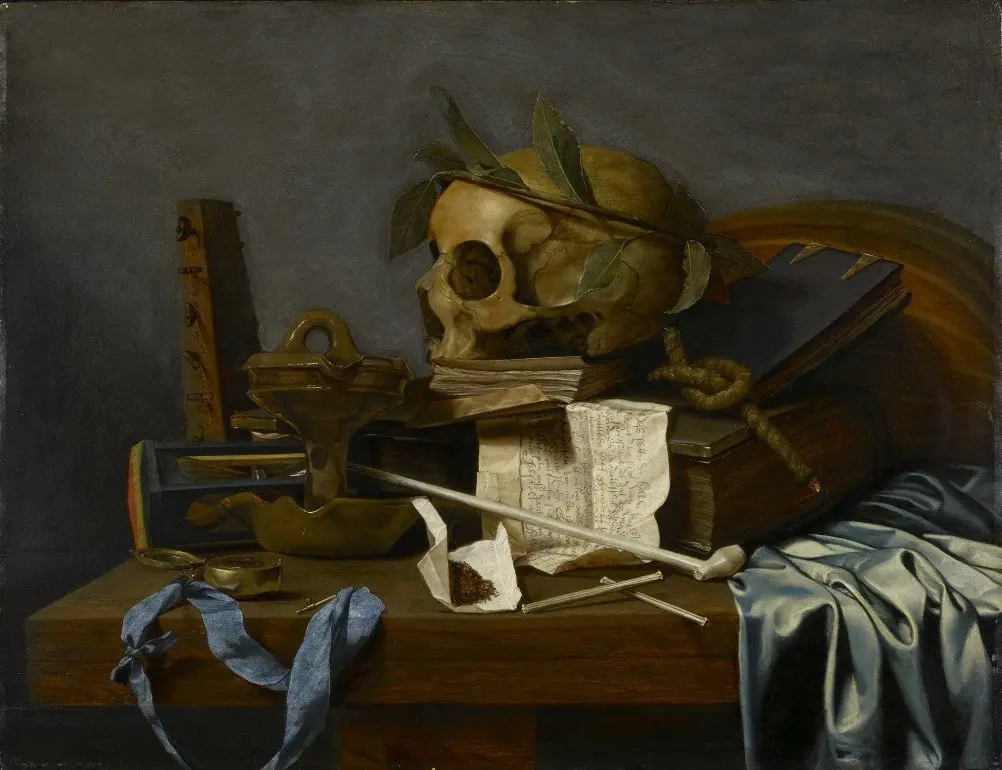
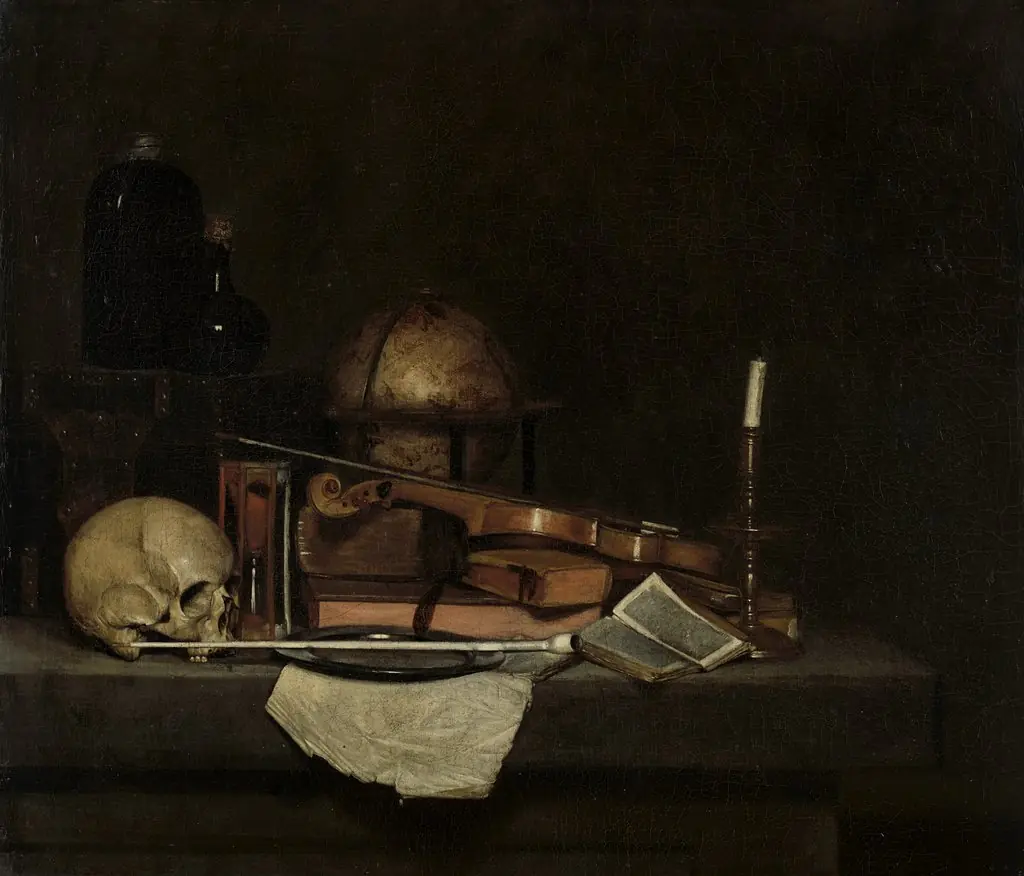
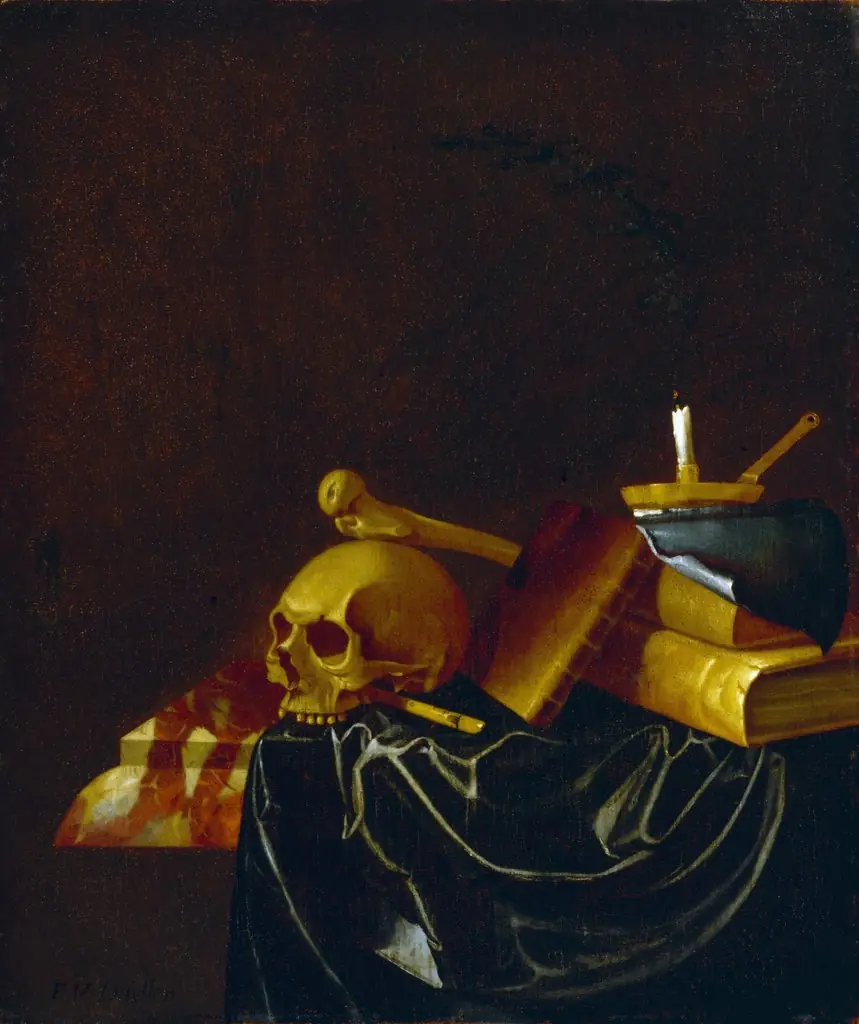
Vanitas is an oil painting by the Dutch Golden Age artist N.L. Peschier. It dates from 1661 and is held in the collection of the Philadelphia Museum of Art. Painted in 1661 by the Dutch artist N.
About this work
Overview
Though little is known of Peschier’s life, his work aligns with contemporaries who used meticulous realism to convey moral reflection through material things.
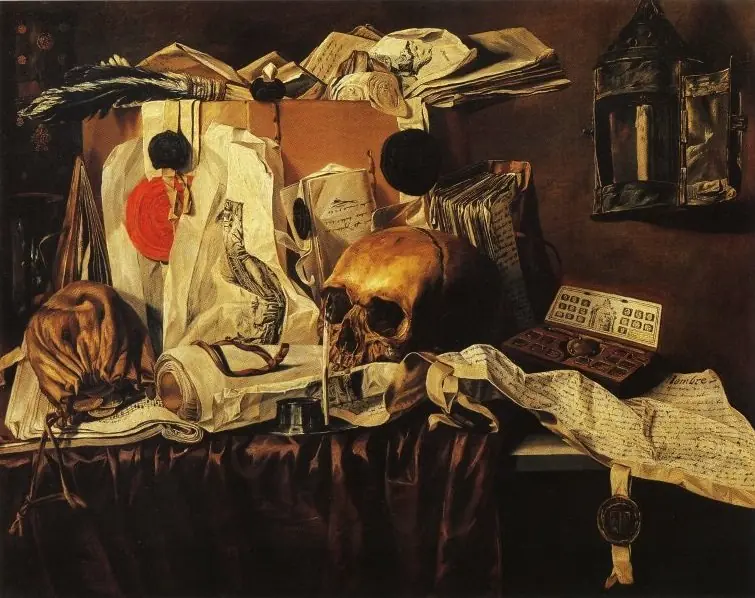
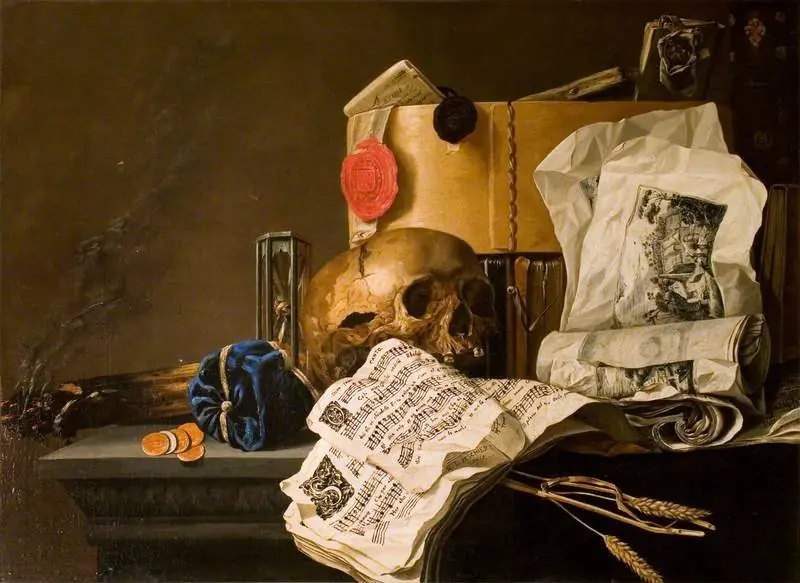
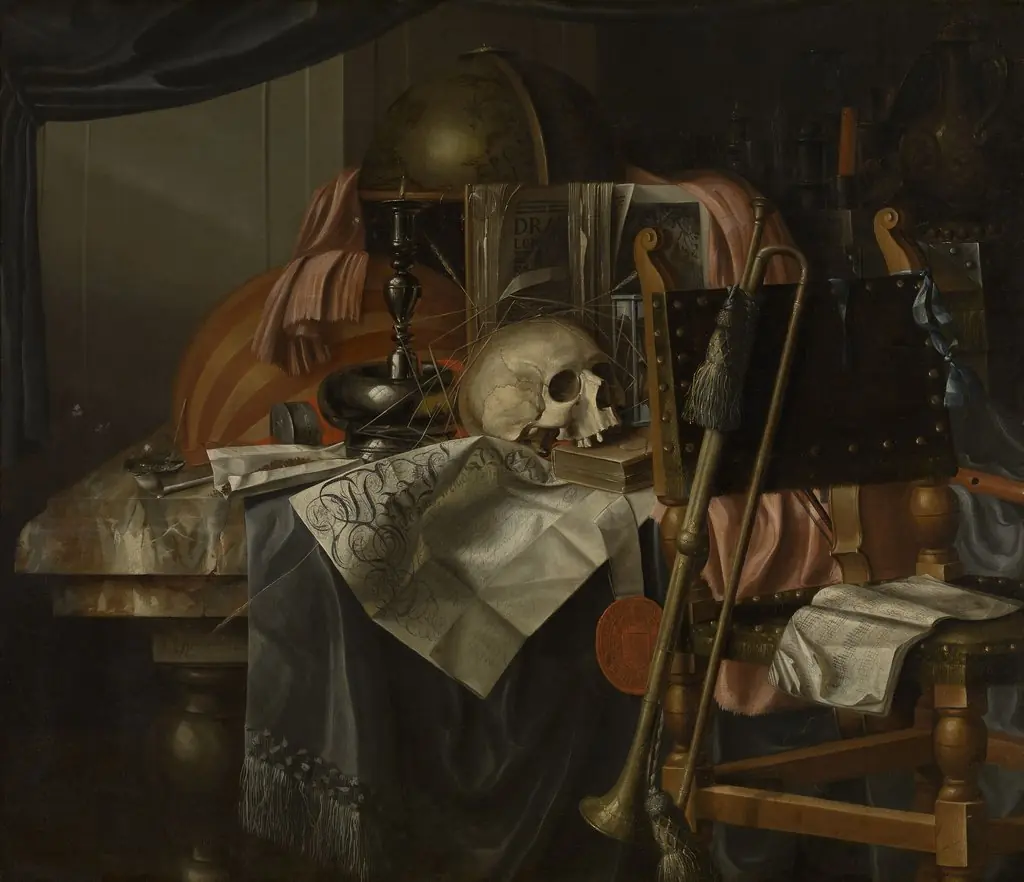
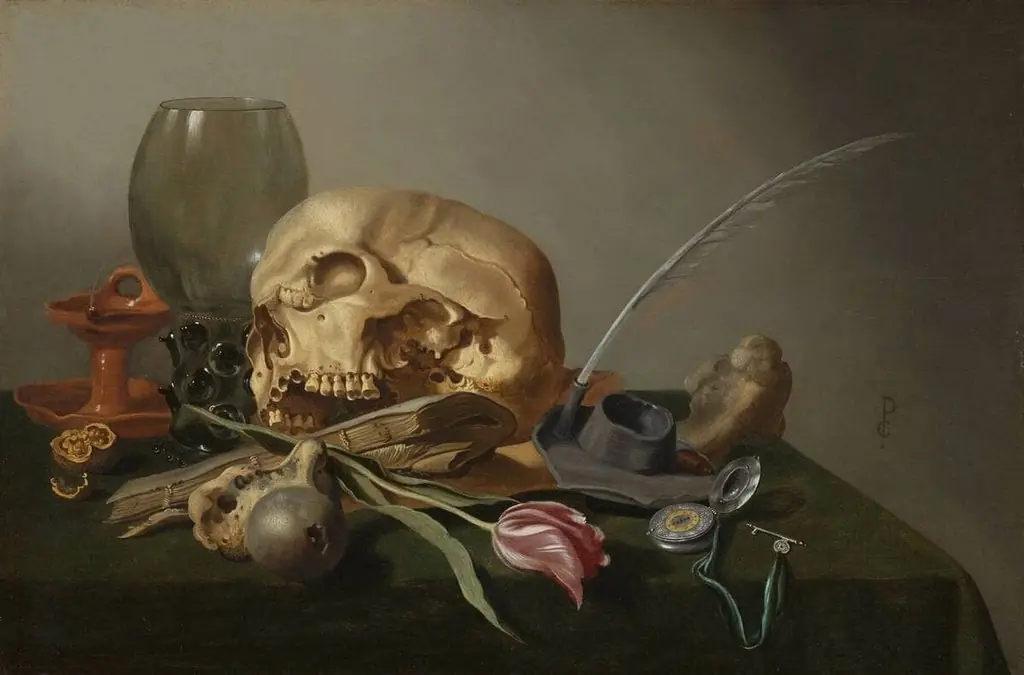
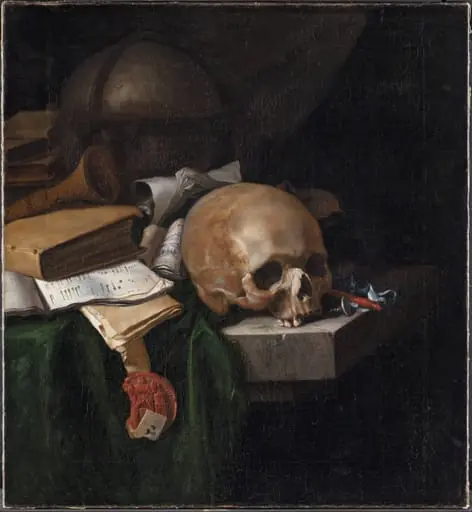
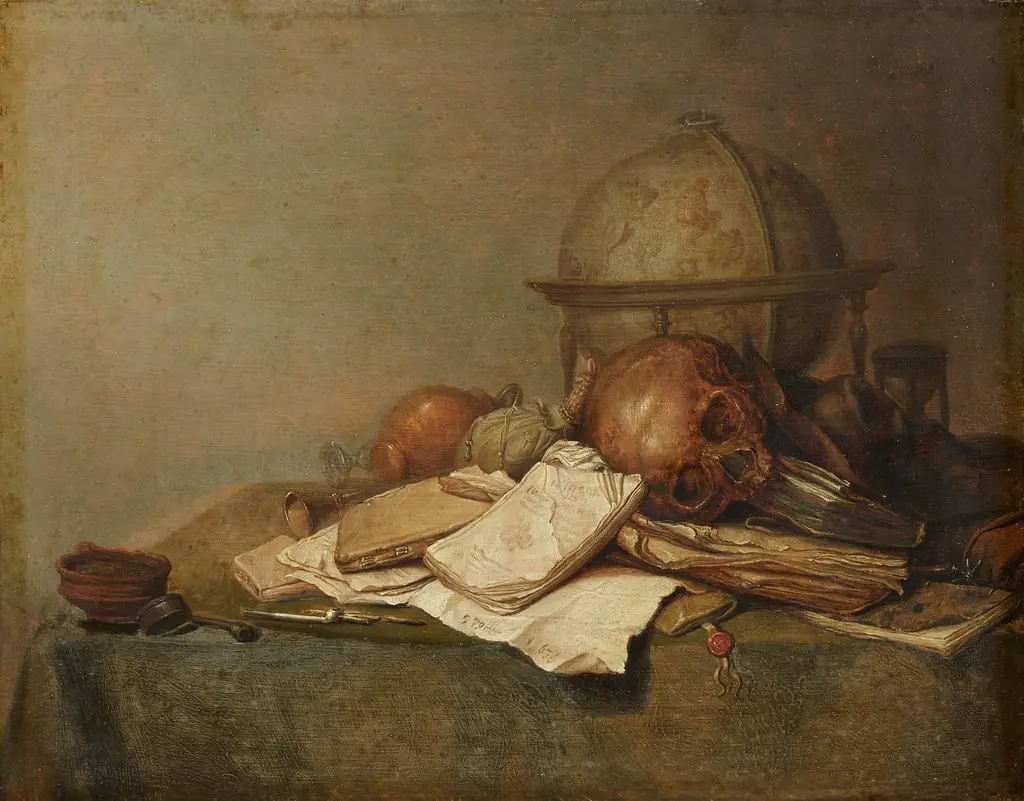
Painted in 1661 by the Dutch artist N.L. Peschier, this oil-on-canvas still life belongs to the vanitas tradition, a genre that emerged in the Netherlands during the 17th century. It presents a quiet assembly of symbolic objects arranged on a flat surface, emphasizing transience and the futility of earthly pursuits. Though little is known of Peschier’s life, his work aligns with contemporaries who used meticulous realism to convey moral reflection through material things.
Subject & Meaning
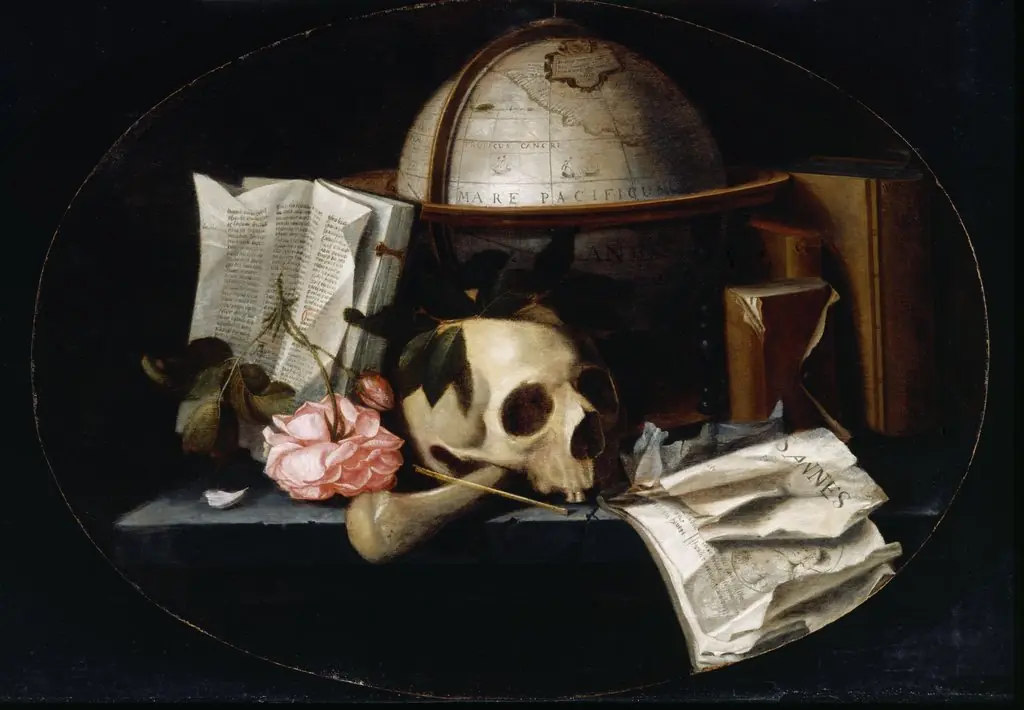
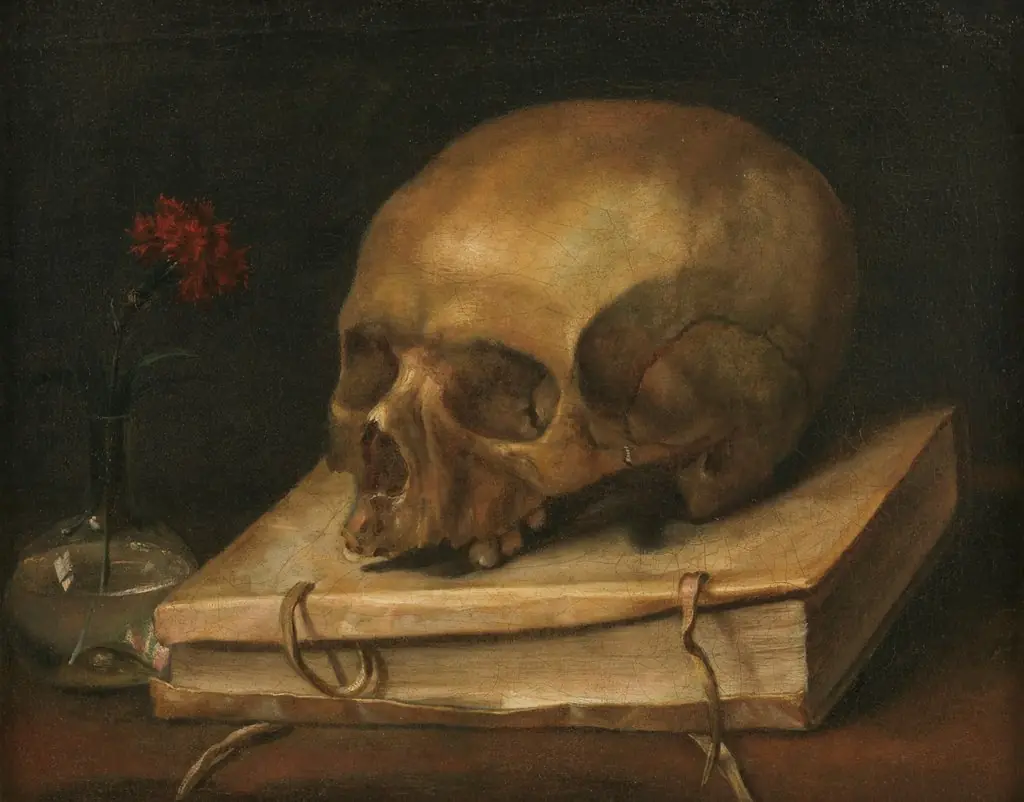
The composition includes a skull, a closed book, a globe, a violin, and scattered papers—each a conventional emblem of mortality and impermanence. The skull signifies death, the book and globe represent knowledge and worldly ambition, while the violin suggests the fleeting nature of pleasure. Together, these items form a visual meditation on the inevitability of decay, urging contemplation beyond material achievement.
Technique & Style
Peschier employs a restrained palette and precise brushwork to render surfaces with lifelike texture—velvet, parchment, bone, and wood are distinguished through subtle shifts in light. Soft, directional illumination models each object, creating a tangible sense of volume and spatial depth. The arrangement, though seemingly casual, is carefully balanced, avoiding theatricality in favor of quiet, meditative order.
History & Provenance
The painting has been part of the Philadelphia Museum of Art’s collection since at least the early 20th century, though its earlier ownership history remains undocumented. Its presence in a major American institution reflects broader 20th-century interest in Dutch Golden Age still lifes as both aesthetic and philosophical artifacts, rather than mere decorative works.
Context
In mid-17th century Holland, vanitas paintings flourished amid economic prosperity and religious introspection. As trade and science expanded, so did anxiety over the impermanence of wealth and human endeavor. Artists like Peschier responded by crafting objects that invited viewers to consider spiritual priorities, aligning with Calvinist values that cautioned against earthly attachment.
Legacy
Though Peschier’s oeuvre is limited and his biography obscure, this work endures as a representative example of a genre that shaped Northern European visual culture. Its quiet precision and symbolic clarity continue to inform scholarly study of Dutch moral painting, preserving the era’s preoccupation with time, death, and the limits of human knowledge.
Artist & collection
Artist
N.L. Peschier (died after 1661), was a Dutch Golden Age painter. According to the RKD nothing more is known of him besides his signatures on dated paintings. He influenced David Bailly and is known for vanitas paintings…