Artwork
Diogene
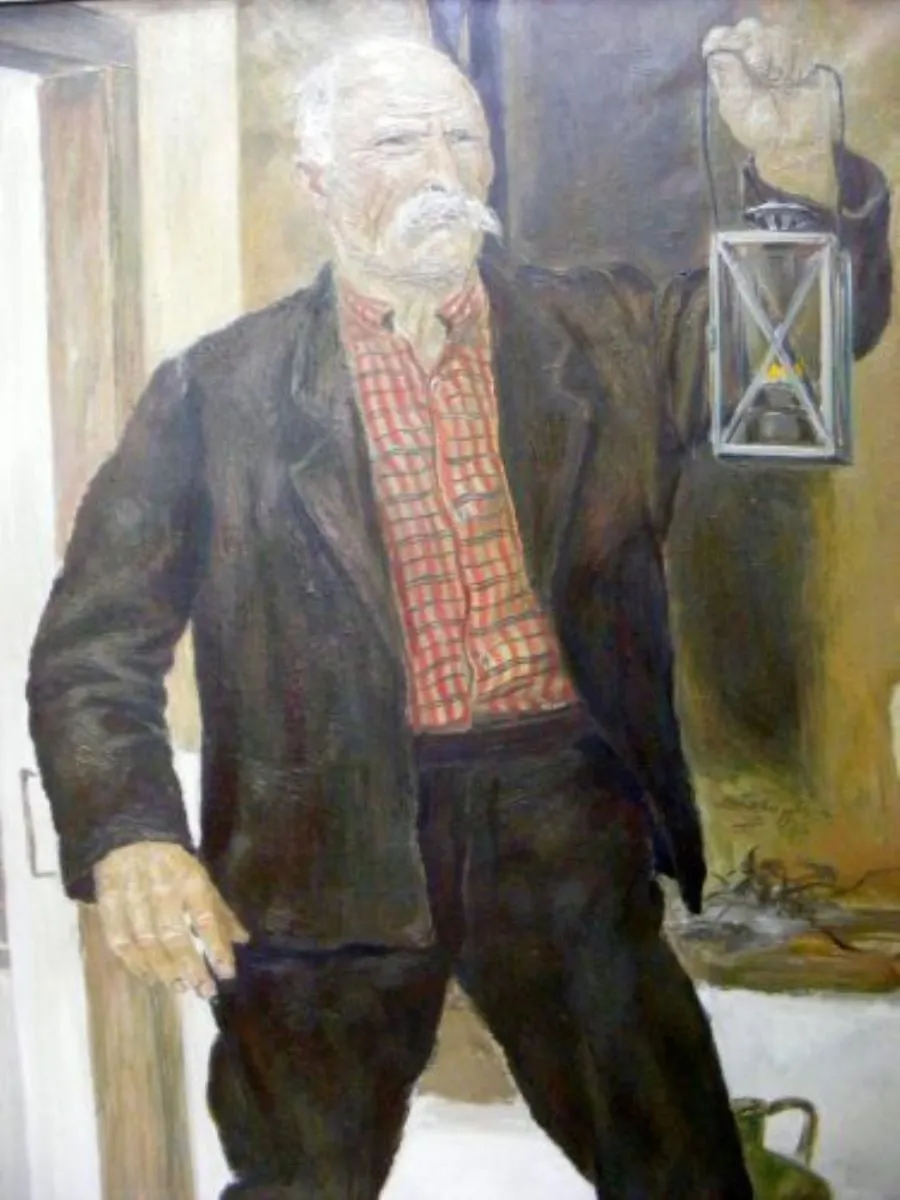
Diogene is an unspecified painting by Albert Nagy. It dates from 1949 and is held in the collection of the Székely National Museum.
About this work
Overview
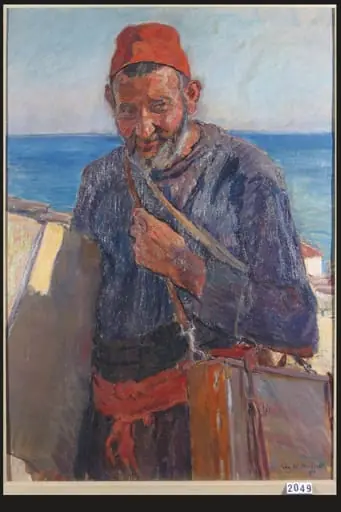
Albert Nagy painted Diogene in 1949, a quiet portrait of an elderly man in a domestic interior. The work is part of the Museum of Ethnography’s collection. It captures a solitary figure in a moment of stillness, framed by a window and minimal furnishings. The composition avoids dramatic action, instead emphasizing atmosphere through subdued tones and gentle brushwork.
Subject & Meaning
The figure, an aging man, stands before a window, holding a lantern with his right hand. His face is softened, eyes lowered, suggesting inward reflection rather than outward engagement. The lantern may imply a search for light or meaning, while the window frames an unseen external world. The absence of clear identity invites interpretation of solitude, memory, or philosophical contemplation.
Technique & Style
Nagy employed muted earth tones and blurred edges to dissolve the figure’s features, creating a sense of emotional distance. Soft brushstrokes blend the man’s form into the dim interior, while the white window frame and shelf provide structural contrast. The lighting is diffused, casting no sharp shadows, reinforcing the painting’s hushed, meditative quality.
History & Provenance
Diogene entered the Museum of Ethnography’s holdings shortly after its creation. There is no documented public exhibition history prior to its acquisition. The work remained in private hands until its inclusion in the museum’s collection, where it has been preserved as part of Nagy’s lesser-known but introspective oeuvre.
Context
Painted in postwar Hungary, Diogene reflects a cultural mood of quiet resilience. While not overtly political, its focus on solitude and inner life aligns with broader artistic tendencies of the era, where personal introspection offered an alternative to public narratives. Nagy’s approach diverges from socialist realism, favoring psychological nuance over ideological messaging.
Legacy
Diogene remains a quiet example of Nagy’s interest in human stillness and interiority. Though not widely reproduced, it is referenced in studies of Hungarian postwar painting for its emotional restraint. The work contributes to understanding how artists navigated personal expression under constrained cultural conditions.
Artist & collection
Artist
Albert Nagy painted mid-20th-century Romanian scenes: village markets, snow-dusted towns, and construction sites.

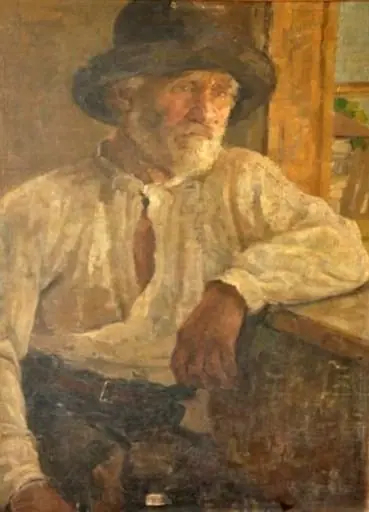 Țăran bătrân
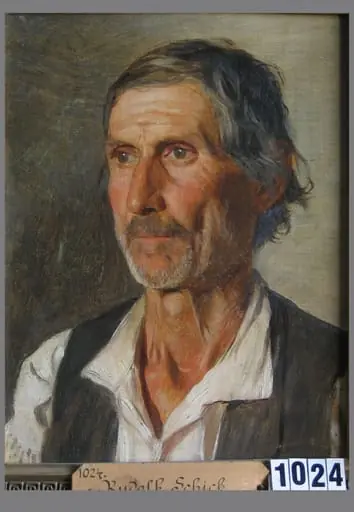 Bătrân din Ciociara (în registrul inventar: Un bătrân). Pandant: Țăran din Carrara
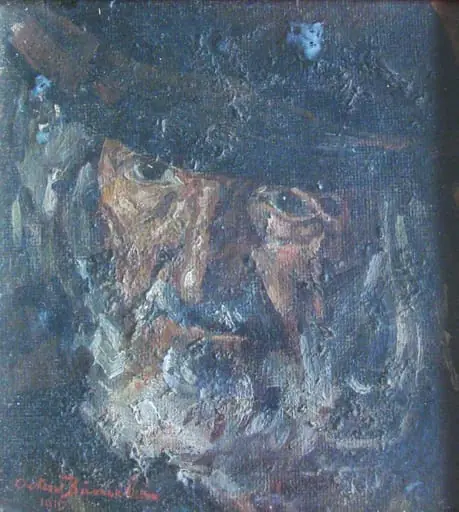 Portret de bătrân
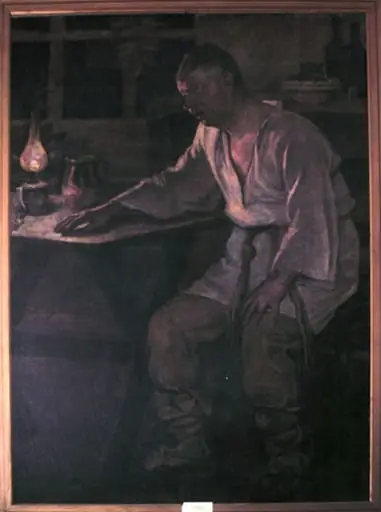 Ion Brezeanu în rolul Ion din „Năpasta” de I.L. Caragiale
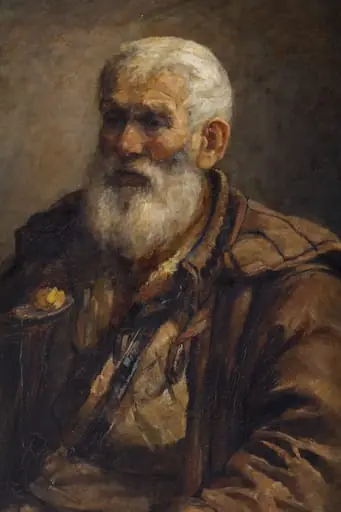 Bătrân mâncând (Un bătrân mâncând mămăligă)
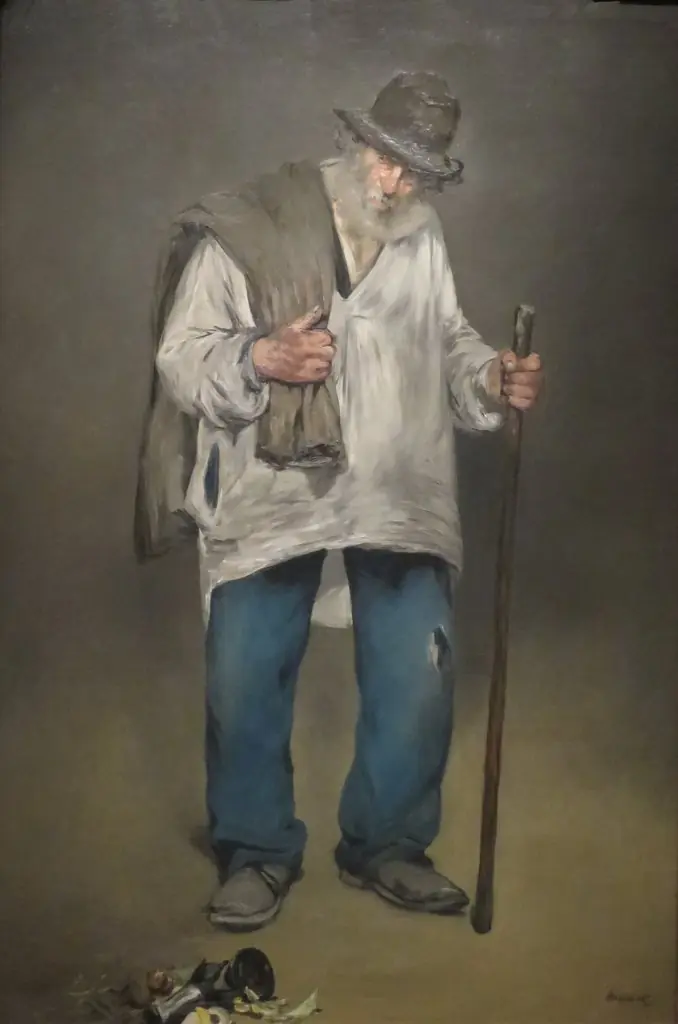 The Ragpicker
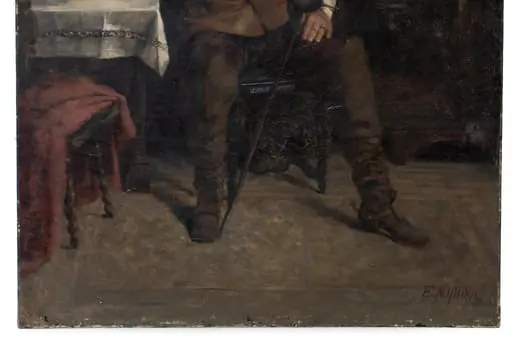 Un cavaler - Porthos
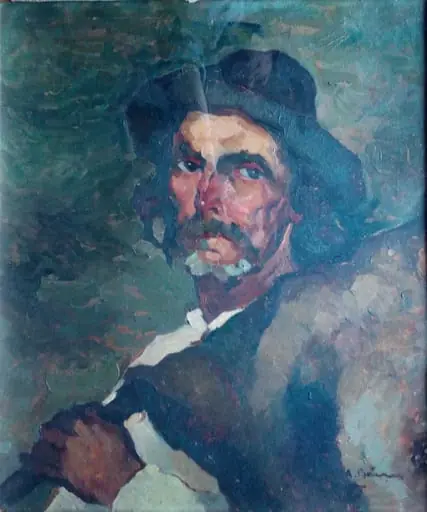 Cap de expresie
 Portretul lui Osman
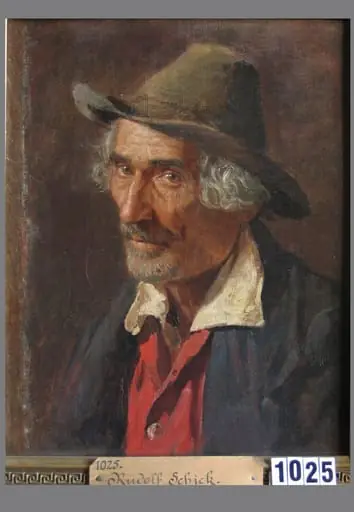 Țăran din Carrara. Pandant: Bătrân din Ciociara (în registrul inventar: Un bătrân)
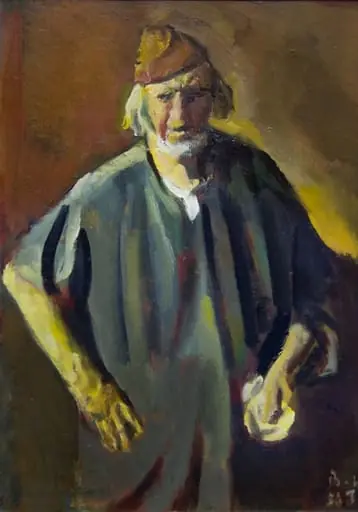 Autoportret
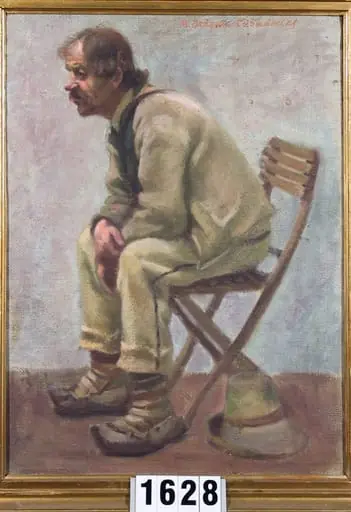 Țăran șezând