Artwork
Andre Le Fevre d'Ormesson
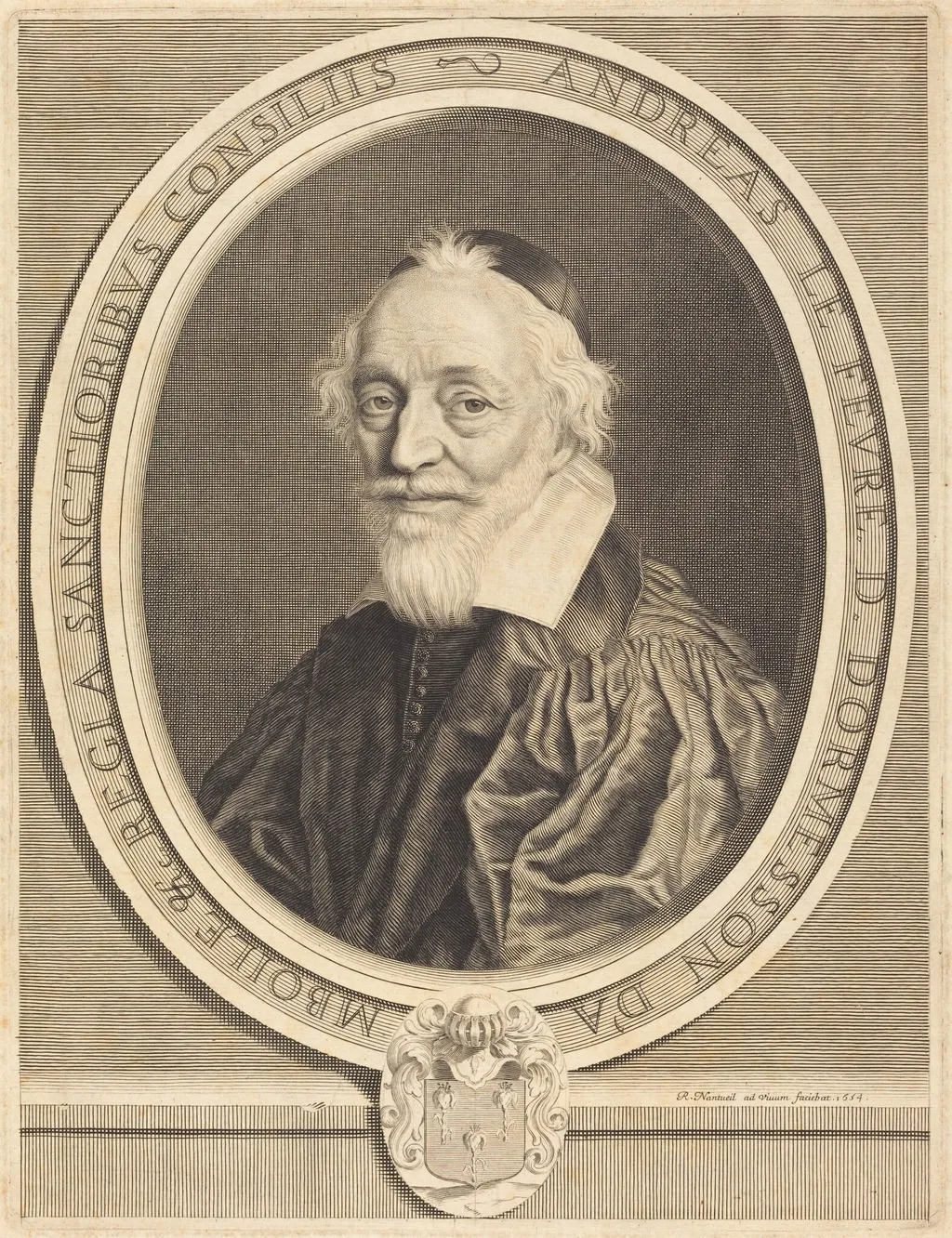
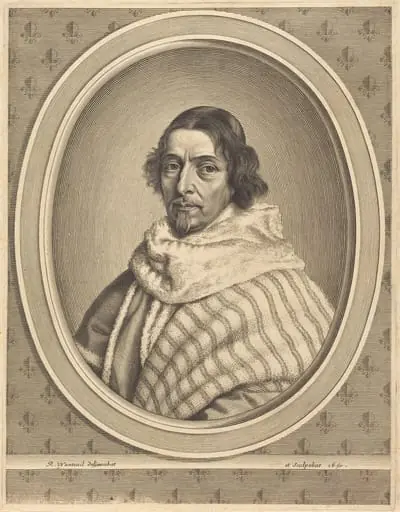
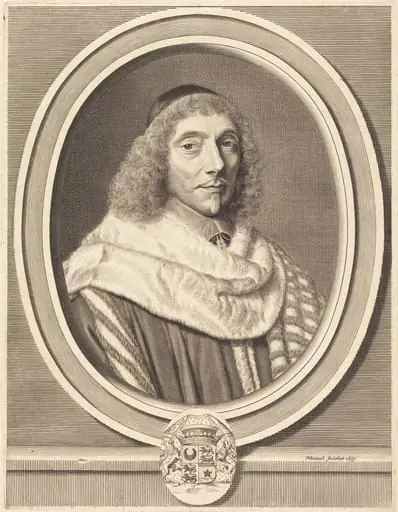
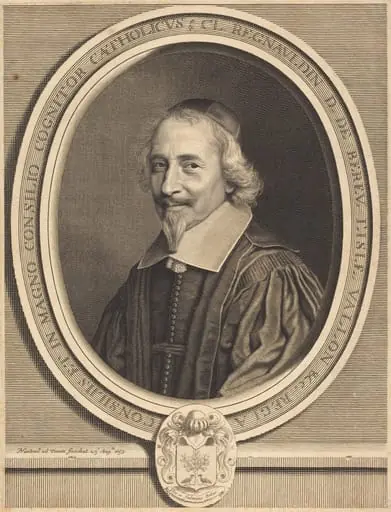
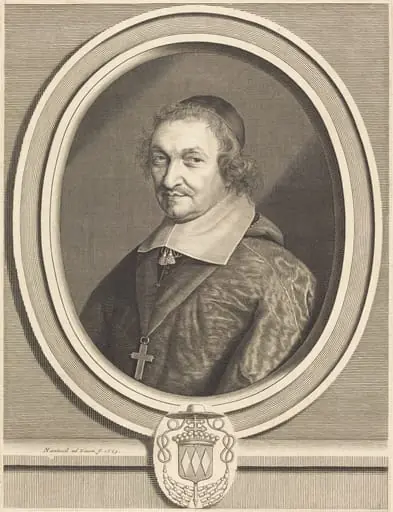
Andre Le Fevre d'Ormesson is an ink print by the Baroque artist Robert Nanteuil. It dates from 1650 and is held in the collection of the National Gallery of Art.
About this work
Overview
Executed in fine line and subtle tonal gradations, the work exemplifies the precision and restraint characteristic of French royal portraiture under Louis XIV.
This 1650 engraving by Robert Nanteuil portrays André Le Fèvre d'Ormesson, a French court official, in a formal half-length portrait. Executed in fine line and subtle tonal gradations, the work exemplifies the precision and restraint characteristic of French royal portraiture under Louis XIV. The image was produced as part of a broader effort to document and legitimize the king’s inner circle through controlled visual representation.
Subject & Meaning
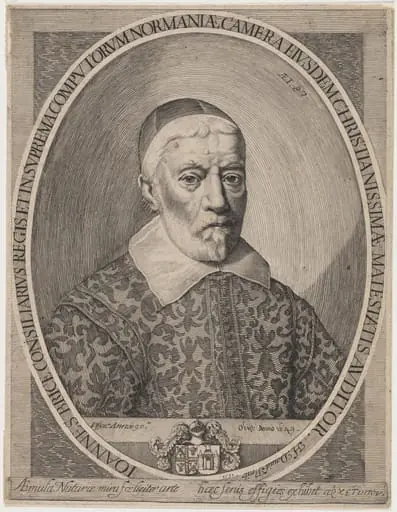
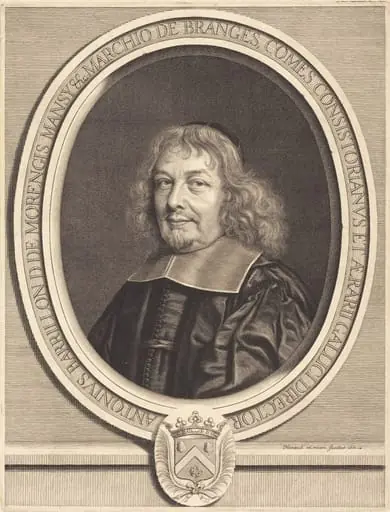
The sitter, André Le Fèvre d'Ormesson, is depicted with a long white beard and solemn expression, conveying age, authority, and gravitas. His dark robe and black cap suggest clerical or administrative status, while the direct gaze establishes a quiet, unyielding presence. The Latin inscription in the circular border likely identifies his title or lineage, reinforcing his institutional role within the court hierarchy.
Technique & Style
Nanteuil employed fine, controlled etching lines to render texture in the beard, fabric, and skin with remarkable subtlety. Shading is achieved through cross-hatching and delicate stippling, avoiding overt dramatic contrast. The dark, unmodeled background isolates the figure, focusing attention on facial detail and posture. The circular frame, common in portrait engravings of the era, adds a sense of formality and permanence.
History & Provenance
Created during Nanteuil’s tenure as the principal engraver to Louis XIV’s court, this portrait was likely commissioned to accompany official records or distributed among courtiers. It belongs to a series of engraved portraits of royal functionaries, intended to circulate an image of orderly, dignified governance. The work remained within French collections, reflecting its status as a document of state rather than a private keepsake.
Context
In mid-17th century France, portraiture served political ends as much as personal commemoration. Nanteuil’s engravings helped standardize the visual language of courtly authority, replacing earlier flamboyant styles with restrained realism. This image aligns with broader efforts to project stability and hierarchy through controlled imagery, reinforcing the monarchy’s centralized power structure.
Legacy
Nanteuil’s approach to portraiture influenced generations of engravers across Europe, particularly in the use of fine line and psychological nuance. While his works were once widely reproduced, their historical value now lies in their role as precise records of courtly identity. This engraving remains a key example of how printmaking was instrumental in shaping the public face of absolutist rule.
Artist & collection
Artist
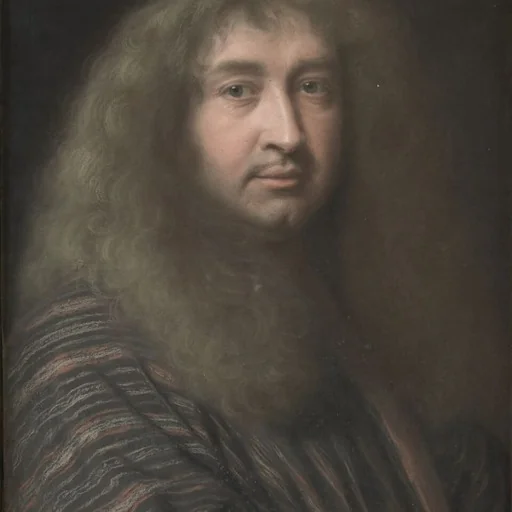
Robert Nanteuil (French pronunciation: ; 1623 – 9 December 1678) was a French portrait artist: engraver, draughtsman and pastellist to the court of Louis XIV.