Artwork
Charles-Maurice Le Tellier
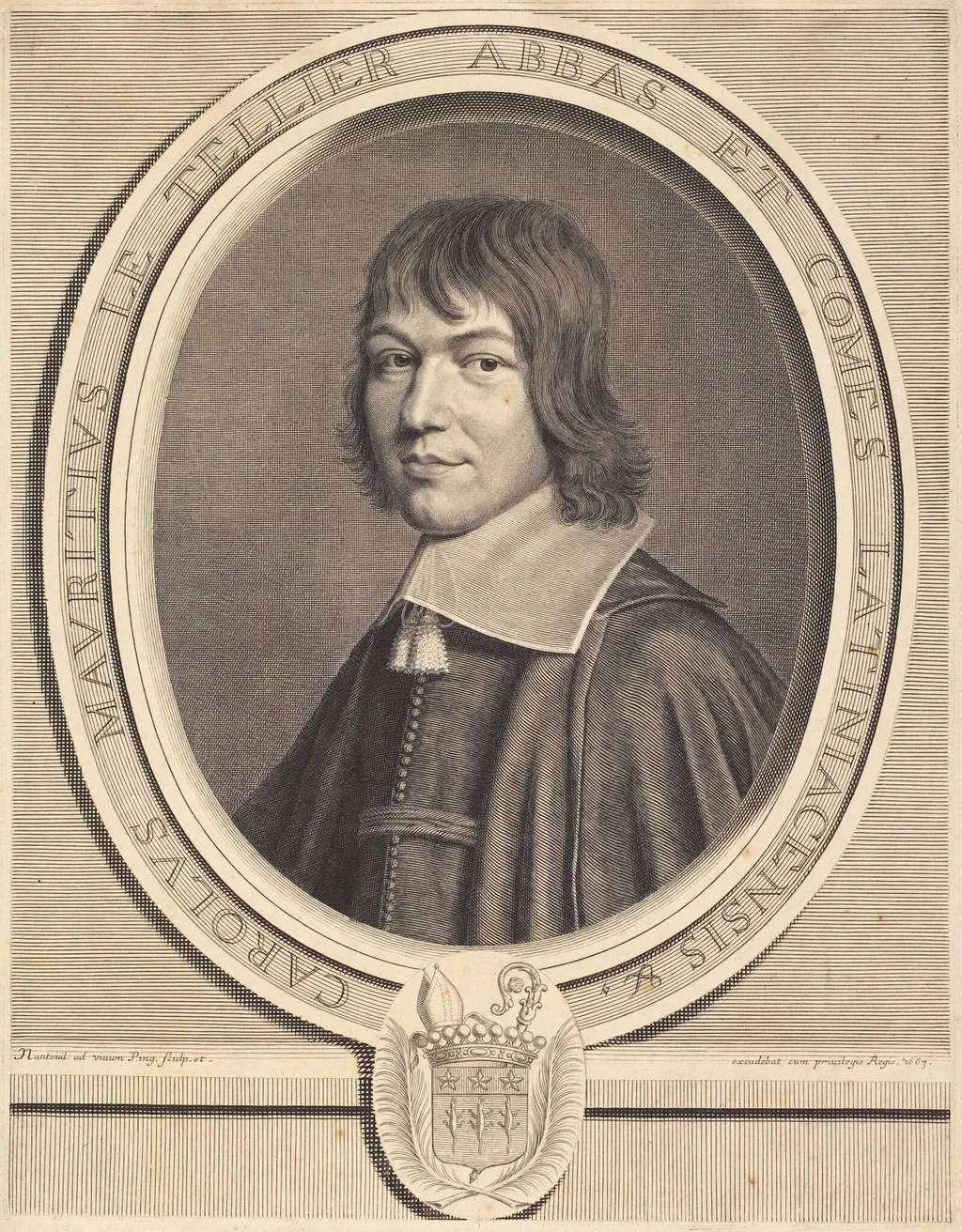
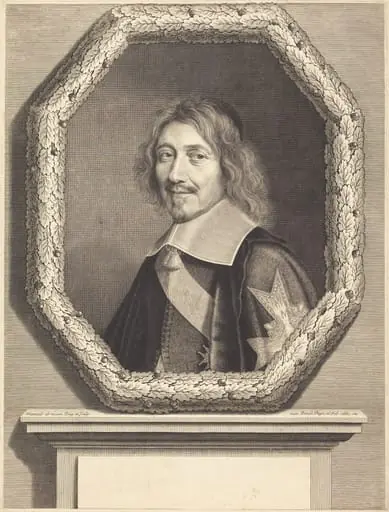
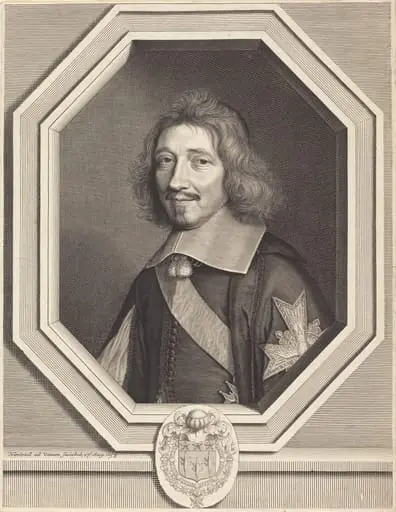
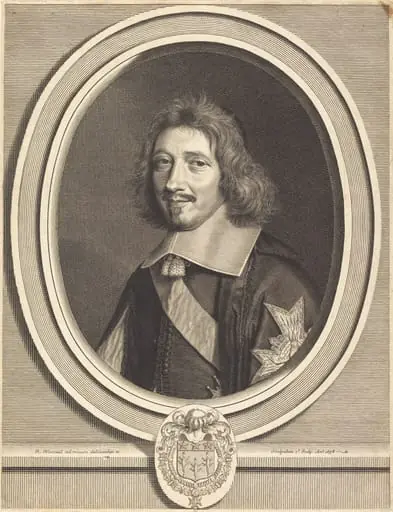
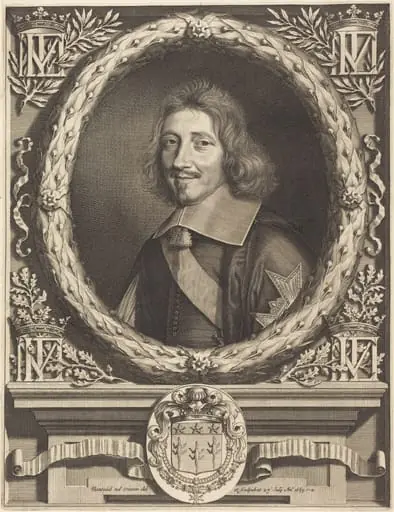
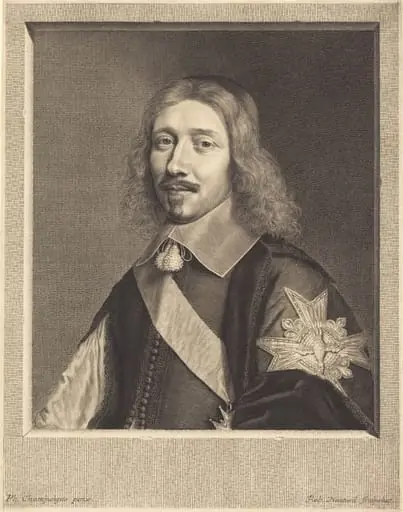
Charles-Maurice Le Tellier is an ink print by the Baroque artist Robert Nanteuil. It dates from 1663 and is held in the collection of the National Gallery of Art.
About this work
Overview
Created using fine linear techniques typical of 17th-century printmaking, the work is a monochrome portrait rendered in ink on paper.
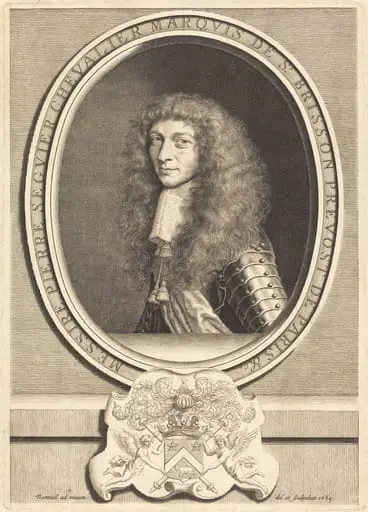
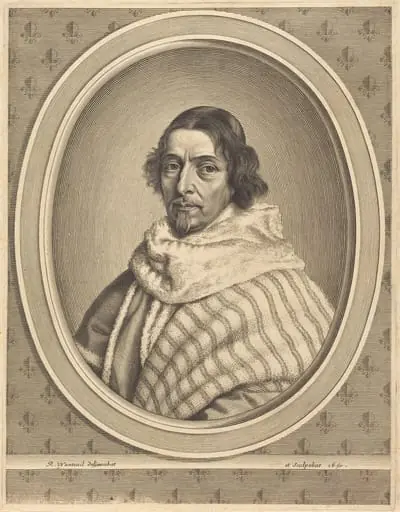
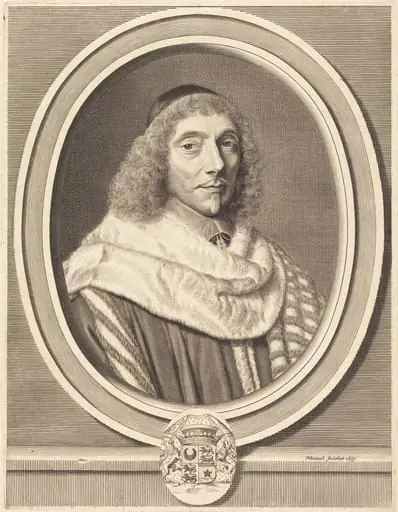
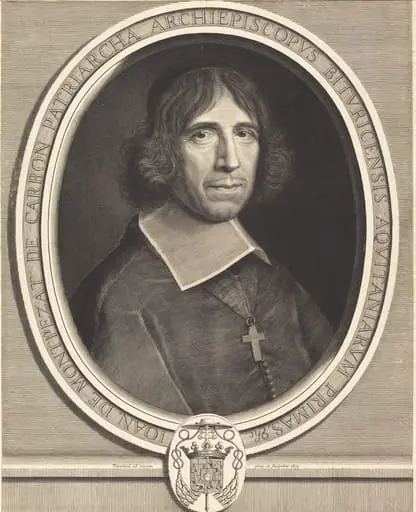
An engraving from 1663 by Robert Nanteuil portrays Charles-Maurice Le Tellier, a French ecclesiastical figure. Created using fine linear techniques typical of 17th-century printmaking, the work is a monochrome portrait rendered in ink on paper. Nanteuil, a court artist under Louis XIV, specialized in precise portraiture, and this piece reflects his mastery of detail and tonal gradation within the constraints of black-and-white medium.
Subject & Meaning
Charles-Maurice Le Tellier, Archbishop of Reims and influential advisor to the French crown, is depicted with solemn composure. His attire—a dark coat, high white collar, and ornate chain—signals his ecclesiastical rank and proximity to royal power. The inclusion of a crowned heraldic shield below reinforces his familial and institutional authority. The restrained expression and formal pose convey dignity rather than individual emotion, aligning with the conventions of official portraiture of the era.
Technique & Style
Nanteuil employed fine cross-hatching and delicate line work to model the contours of the face and fabric, achieving subtle shifts in light and texture. The engraving’s background is a simple oval border adorned with stylized decorative lines, focusing attention on the figure. The chain and collar are rendered with meticulous precision, while the skin’s surface gains depth through layered strokes. The technique reflects the academic discipline of French engraving, prioritizing clarity and control over expressive flourish.
History & Provenance
Created in 1663, the engraving was likely commissioned to commemorate Le Tellier’s status within the French church and court. As a favored artist of Louis XIV’s circle, Nanteuil produced numerous portraits of nobility and clergy, often used for dissemination among elite networks. This print would have served both as a personal keepsake and a public assertion of Le Tellier’s influence, circulating in manuscript collections and royal archives.
Context
In mid-17th century France, engraved portraits were vital tools for projecting authority beyond the court. As the monarchy centralized power, images of key clerical and administrative figures reinforced state legitimacy. Nanteuil’s work aligned with this political culture, translating the presence of powerful individuals into reproducible form. The engraving’s formalism mirrors broader trends in French art, where restraint and hierarchy dominated visual representation.
Legacy
Nanteuil’s portrait of Le Tellier exemplifies the peak of French engraved portraiture in the Baroque period. While not widely exhibited today, it remains a reference for understanding how religious and political elites used print to assert identity and status. The work’s technical precision influenced later generations of engravers, and its survival in institutional collections underscores its role as a historical document of French ecclesiastical hierarchy.
Artist & collection
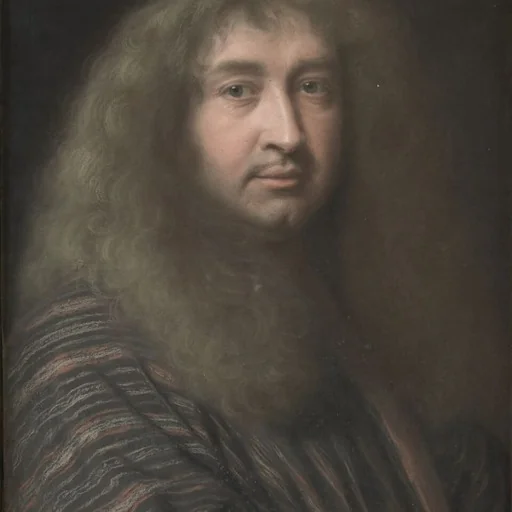
Artist
Robert Nanteuil (French pronunciation: ; 1623 – 9 December 1678) was a French portrait artist: engraver, draughtsman and pastellist to the court of Louis XIV.

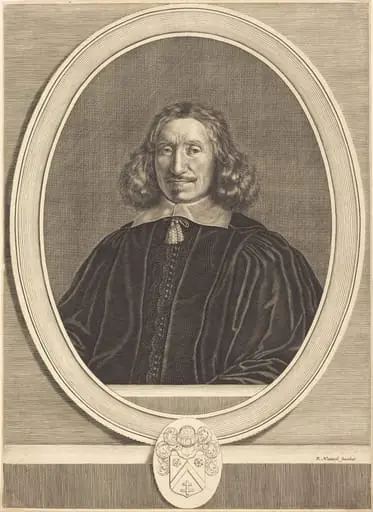
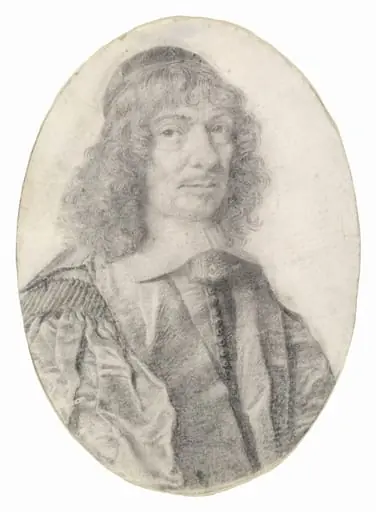
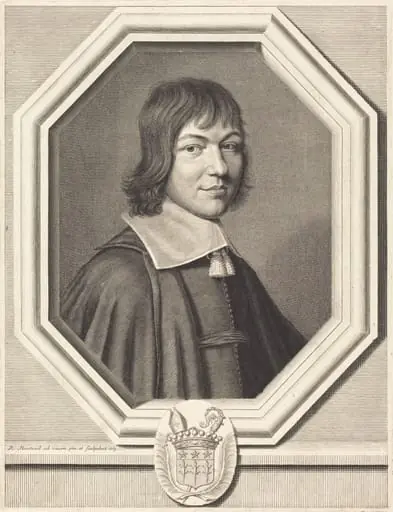 Charles-Maurice Le Tellier
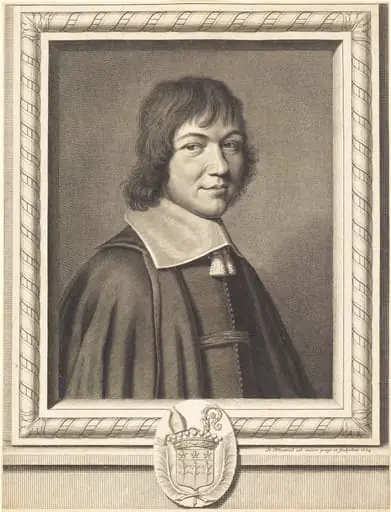 Charles-Maurice Le Tellier
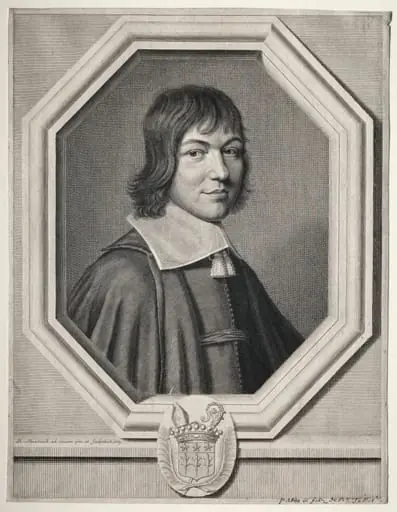 Charles Maurice le Tellier
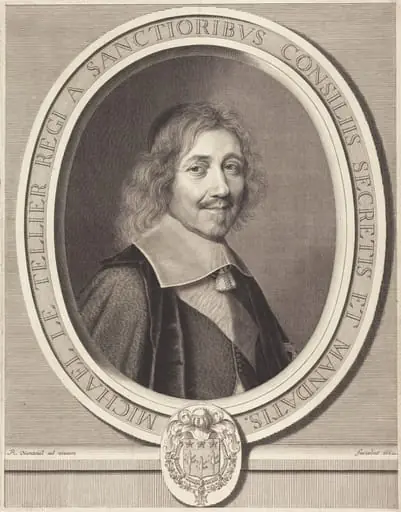 Chancellor Michel Le Tellier
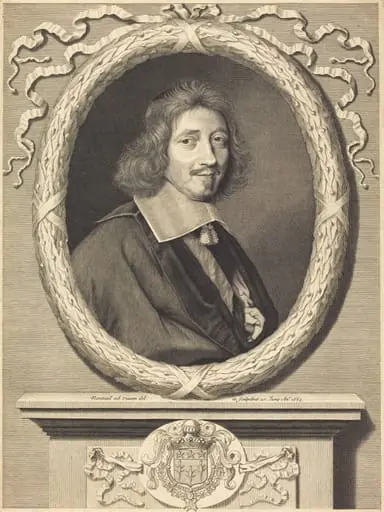 Chancellor Michel Le Tellier
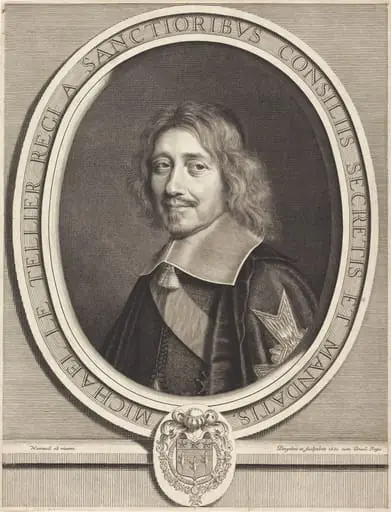 Chancellor Michel Le Tellier
 Chancellor Michel Le Tellier
 Chancellor Michel Le Tellier
 Chancellor Michel Le Tellier
 Chancellor Michel Le Tellier
 Chancellor Michel Le Tellier