Artwork
Charles-Maurice Le Tellier
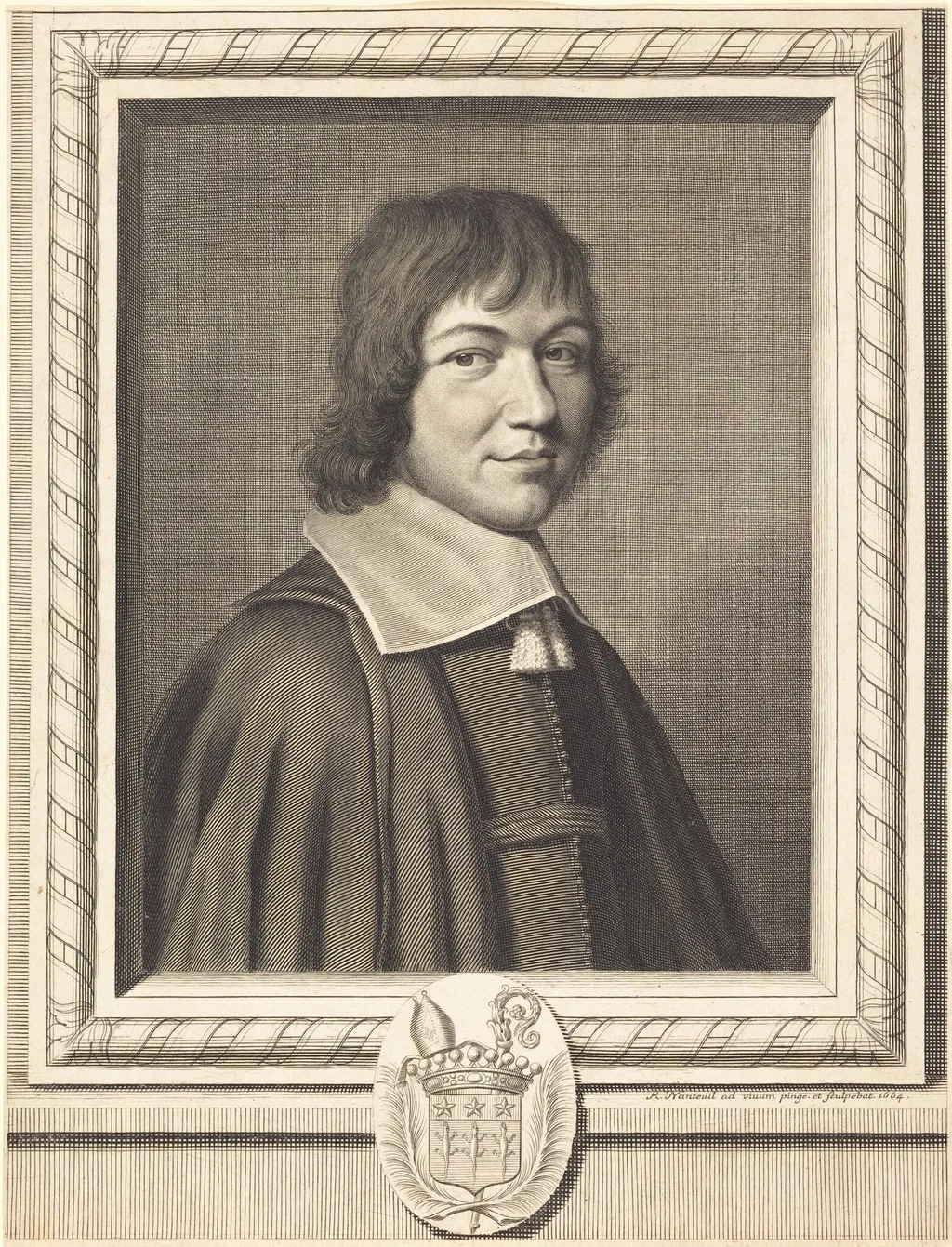
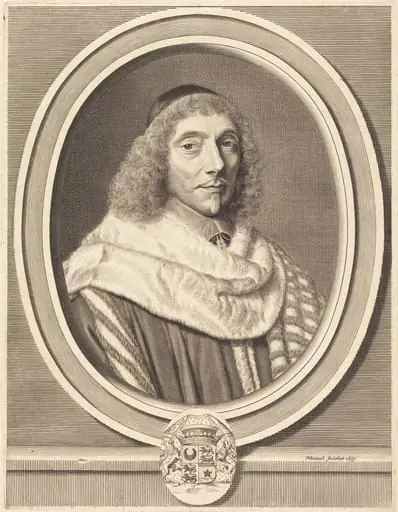
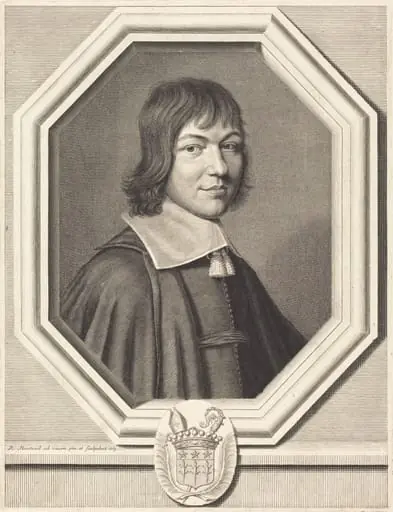
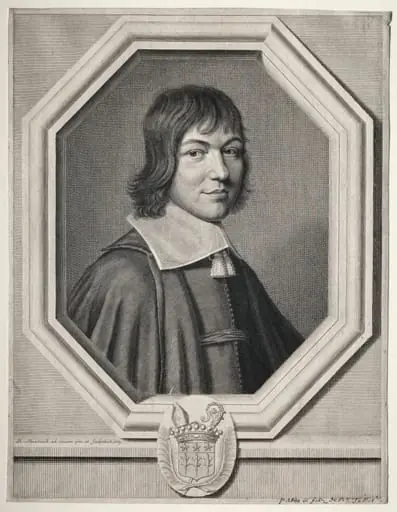
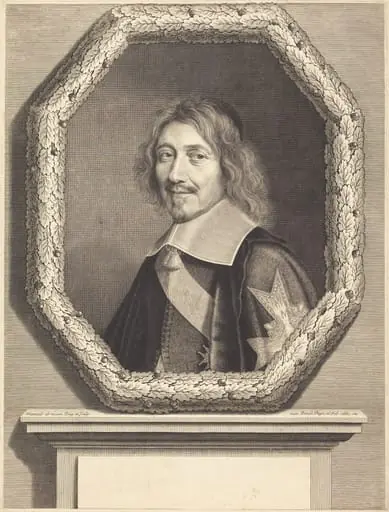
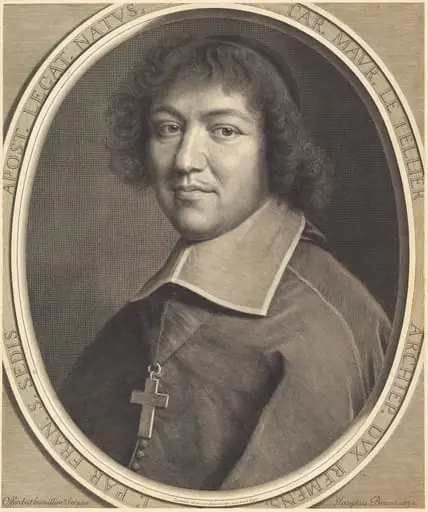
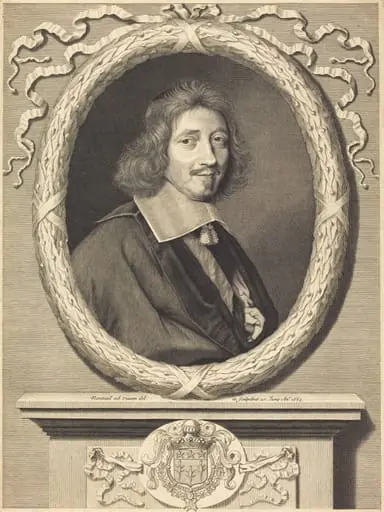
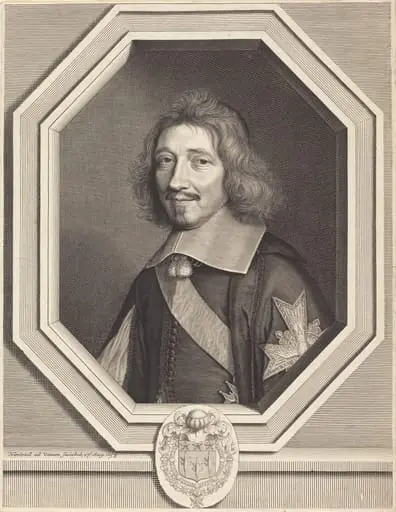
Charles-Maurice Le Tellier is an ink print by the Baroque artist Robert Nanteuil. It dates from 1663 and is held in the collection of the National Gallery of Art.
About this work
Overview
An engraving by Robert Nanteuil, completed in 1663, portrays Charles-Maurice Le Tellier, a French ecclesiastical and political figure.
An engraving by Robert Nanteuil, completed in 1663, portrays Charles-Maurice Le Tellier, a French ecclesiastical and political figure. Rendered in monochrome, the print exemplifies the refined portraiture favored at the court of Louis XIV. Nanteuil, known for his precision in etching, captured the subject with meticulous detail, reflecting the era’s emphasis on dignity and status through visual representation.
Subject & Meaning
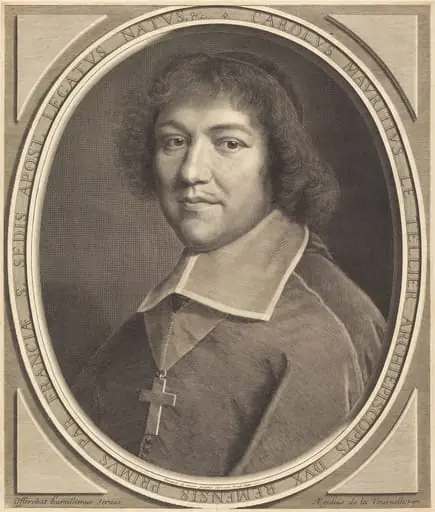
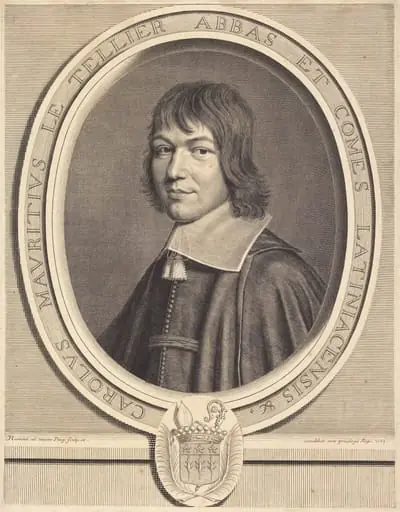
Charles-Maurice Le Tellier, Archbishop of Reims and influential advisor to the king, is depicted with solemnity and authority. His formal attire, including a high collar and dark coat, signals his ecclesiastical rank, while the curled hair and composed gaze convey intellectual gravitas. The small heraldic shield beneath, bearing a crown and emblematic symbols, reinforces his noble and institutional affiliations, anchoring his identity within the structures of church and state.
Technique & Style
Nanteuil employed fine, controlled lines to model the face and fabric, creating subtle gradations of light and shadow. The engraving’s tonal depth emerges from cross-hatching and delicate stippling, typical of 17th-century printmaking. The texture of the hair and the crispness of the collar demonstrate his mastery of the burin, allowing for both precision and naturalism without color, relying solely on line to convey volume and character.
History & Provenance
Created in 1663, the engraving was likely commissioned to circulate Le Tellier’s image among courtly and ecclesiastical circles. As a favored artist of Louis XIV’s court, Nanteuil’s portraits served both personal and political functions, reinforcing the authority of key figures. The print’s survival in institutional collections suggests its early recognition as a significant representation of French elite portraiture.
Context
In mid-17th century France, engraved portraits were vital tools for projecting power and legitimacy. Nanteuil’s work aligned with the absolutist aesthetic promoted by Louis XIV’s regime, where visual control of identity was paramount. The formal pose, restrained palette, and heraldic elements reflect broader trends in courtly imagery, where clarity, order, and hierarchy were visually encoded.
Legacy
Nanteuil’s engraving of Le Tellier stands as a representative example of French portrait engraving at its peak. His technique influenced subsequent generations of printmakers, and his portraits remain key references for understanding the visual culture of the French court. The work continues to be studied for its technical discipline and its role in shaping the public image of religious and political leaders.
Artist & collection
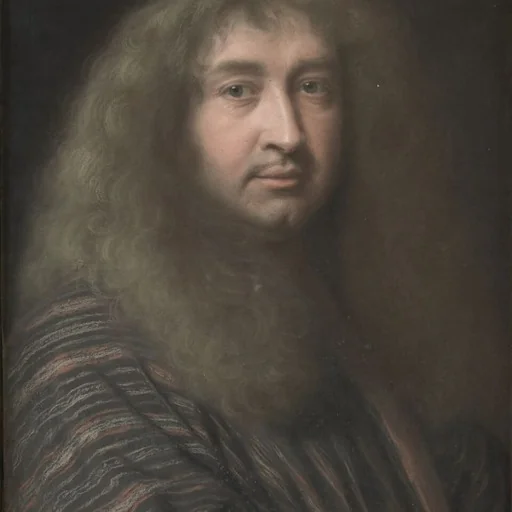
Artist
Robert Nanteuil (French pronunciation: ; 1623 – 9 December 1678) was a French portrait artist: engraver, draughtsman and pastellist to the court of Louis XIV.