Artwork
Charles-Maurice Le Tellier
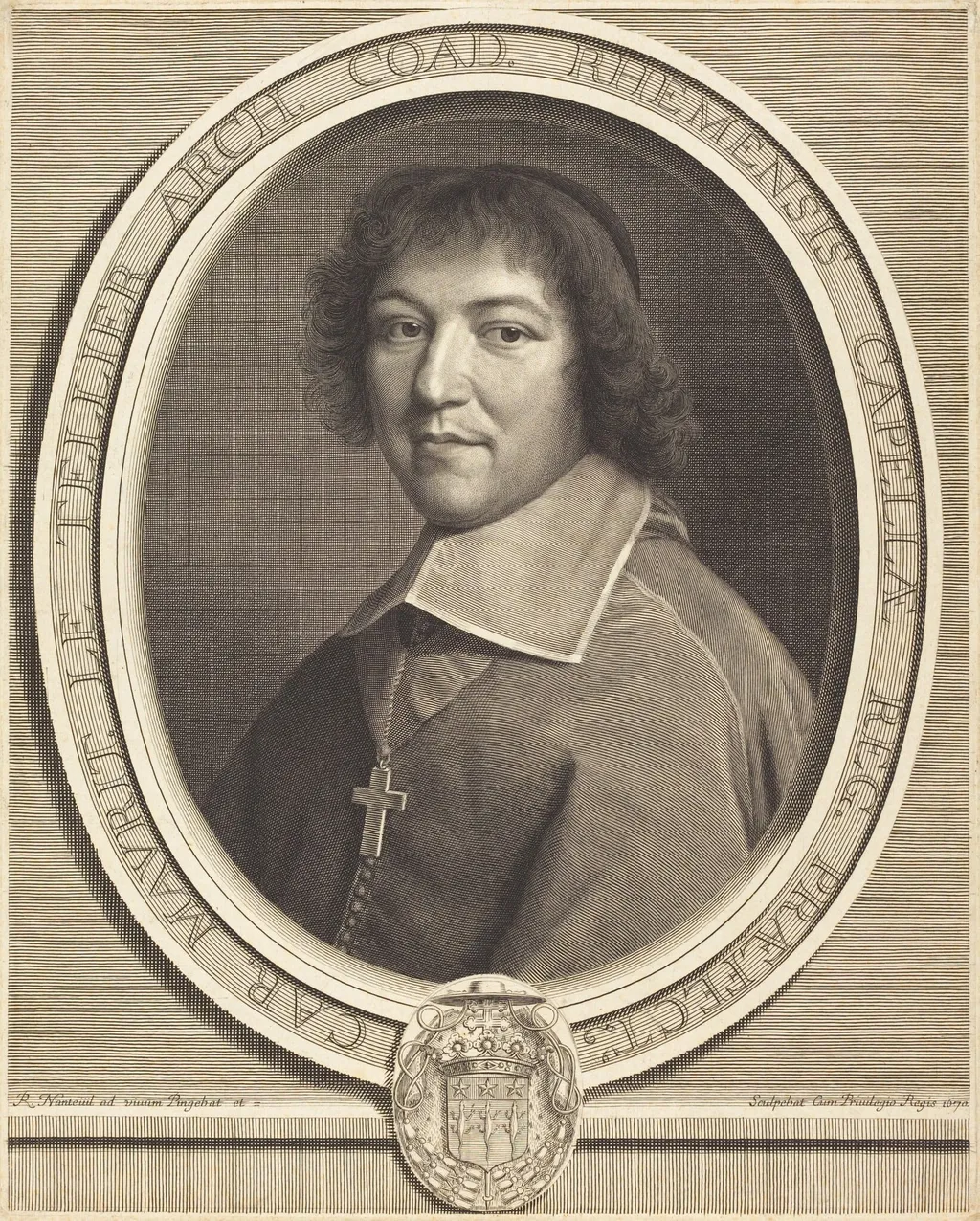
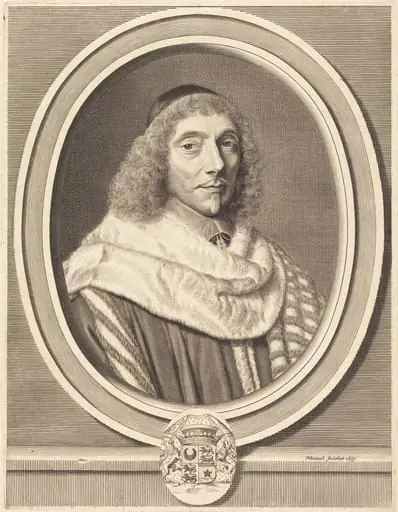
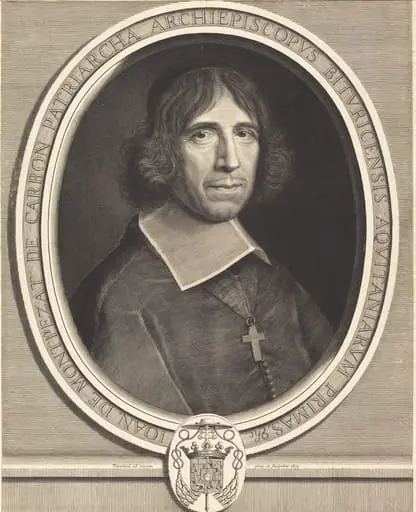
Charles-Maurice Le Tellier is an ink print by the Baroque artist Robert Nanteuil. It dates from 1670 and is held in the collection of the National Gallery of Art.
About this work
Overview
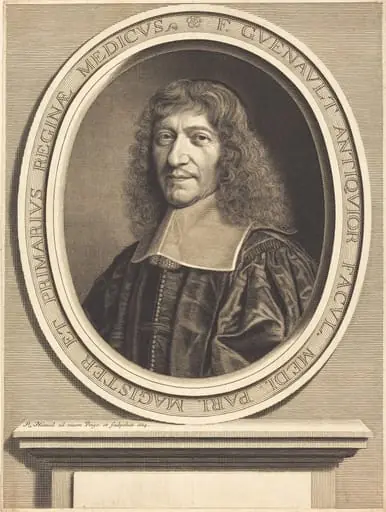
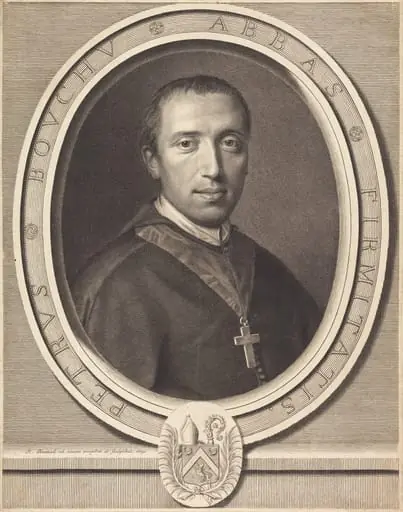
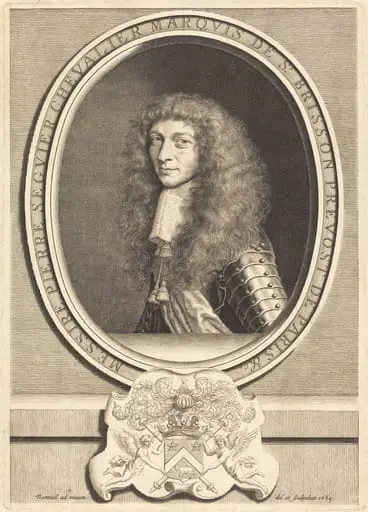
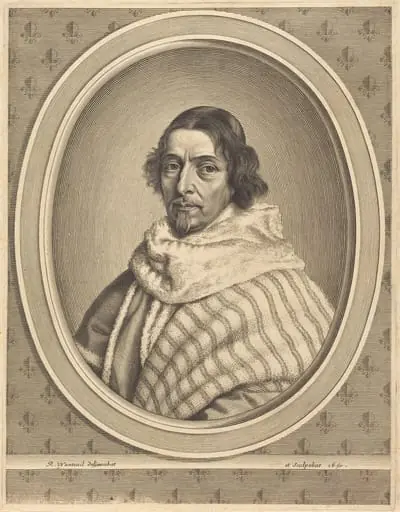
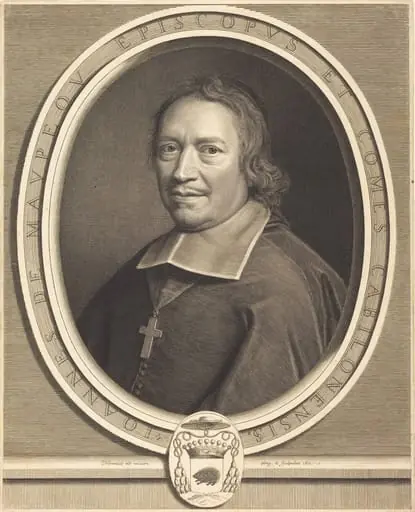
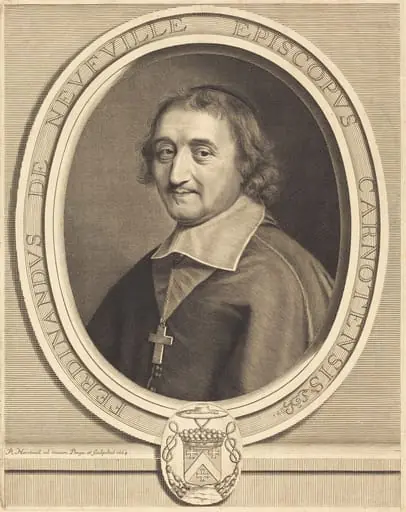
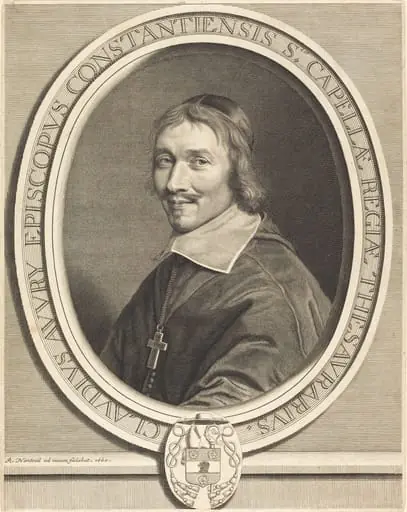
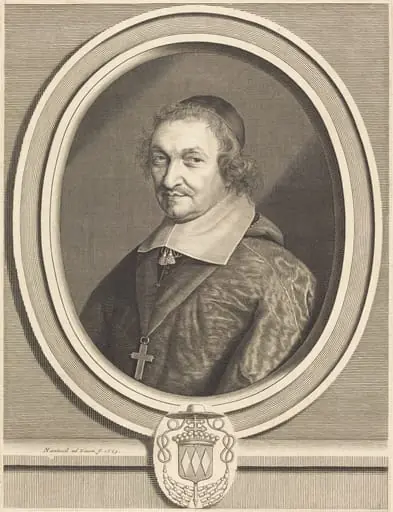
An oval engraving from 1670 by Robert Nanteuil portrays Charles-Maurice Le Tellier, a French ecclesiastical figure.
An oval engraving from 1670 by Robert Nanteuil portrays Charles-Maurice Le Tellier, a French ecclesiastical figure. Created during the height of Nanteuil’s career as a court engraver under Louis XIV, the work exemplifies the precision and restraint typical of French portrait prints of the era. The image is rendered in fine, controlled lines, emphasizing the sitter’s dignity without overt embellishment.
Subject & Meaning
Charles-Maurice Le Tellier, Archbishop of Reims and influential advisor to the crown, is depicted in formal ecclesiastical attire: a dark robe, white collar, and a cross at his chest. His serious expression and seated posture convey authority and contemplation. The absence of symbolic objects or elaborate settings directs focus to his presence, reflecting the quiet gravitas expected of high clergy in the French court.
Technique & Style
Nanteuil employed fine, incised lines to model the face with subtle gradations of tone, achieving a lifelike texture without heavy shading. The dark, uniform background isolates the figure, enhancing the clarity of his features. The engraving’s meticulous detail and balanced composition reflect the academic ideals of French portraiture, prioritizing psychological presence over theatricality.
History & Provenance
Commissioned during Nanteuil’s tenure as official engraver to Louis XIV’s court, the portrait likely served to document the likeness of a key religious official. It was produced in the context of a broader effort to visually codify the hierarchy of the French state. The print’s survival in institutional collections suggests its early recognition as a representative work of courtly portraiture.
Context
Created in the late 17th century, the engraving aligns with the French Baroque tradition’s emphasis on order and restraint, distinct from the more dramatic Italian or Flemish variants. While contemporaries in other regions favored dynamic movement, French artists like Nanteuil favored clarity and psychological nuance, reflecting the centralized authority and refined aesthetics of Louis XIV’s reign.
Legacy
Nanteuil’s portraits, including this one, became benchmarks for French engraved portraiture. His technique influenced generations of printmakers who sought to capture individual character through controlled line and tonal subtlety. Though not widely reproduced today, the engraving remains a reference point in studies of early modern French visual culture and ecclesiastical representation.
Artist & collection
Artist
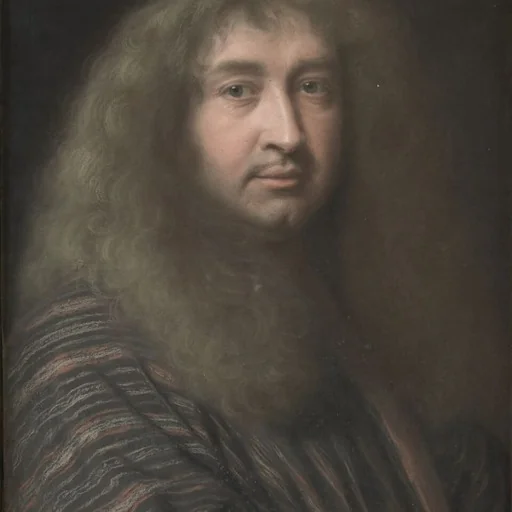
Robert Nanteuil (French pronunciation: ; 1623 – 9 December 1678) was a French portrait artist: engraver, draughtsman and pastellist to the court of Louis XIV.