Artwork
Claude Auvry
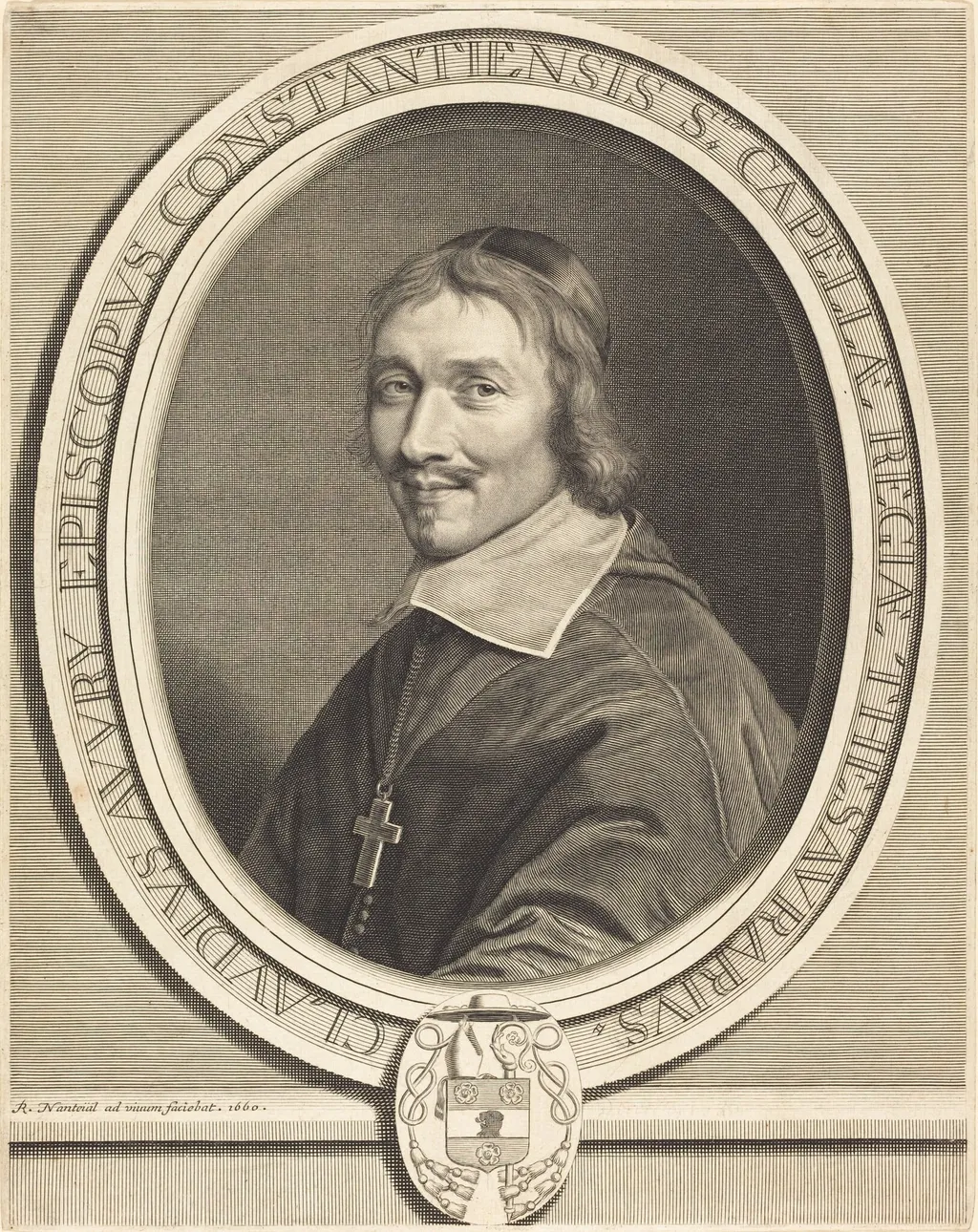
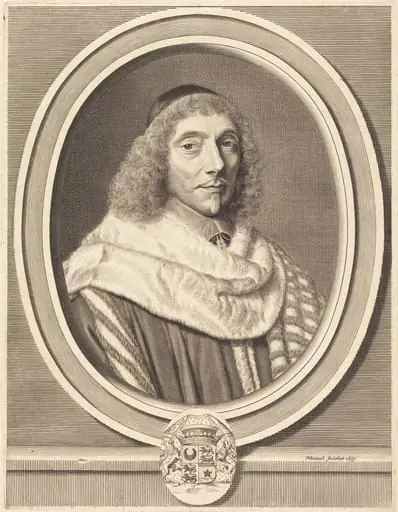
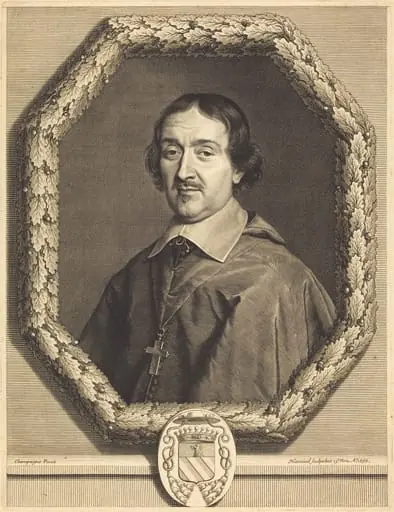
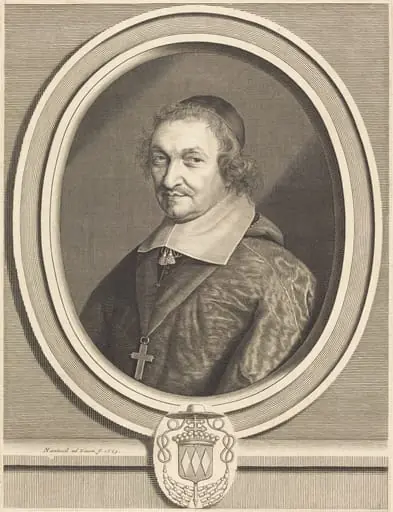
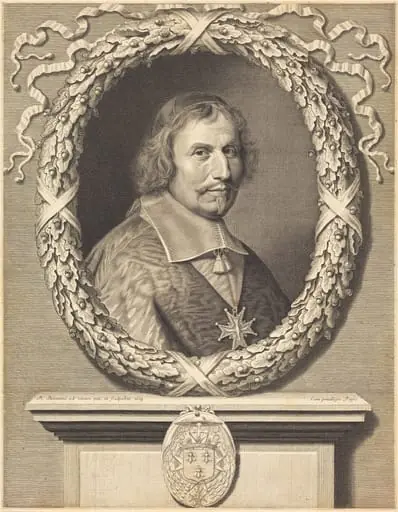
Claude Auvry is an ink print by the Baroque artist Robert Nanteuil. It dates from 1660 and is held in the collection of the National Gallery of Art. This mid‑17th‑century print presents a solemn male figure framed within a circular border.
About this work
Overview
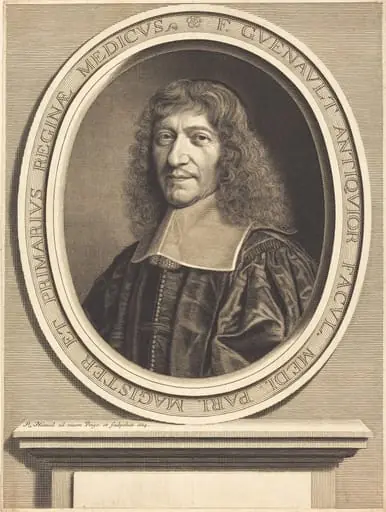
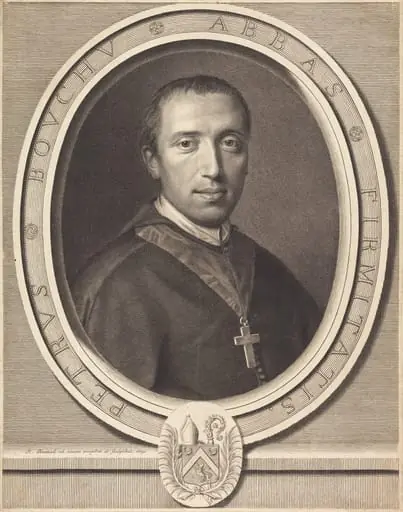
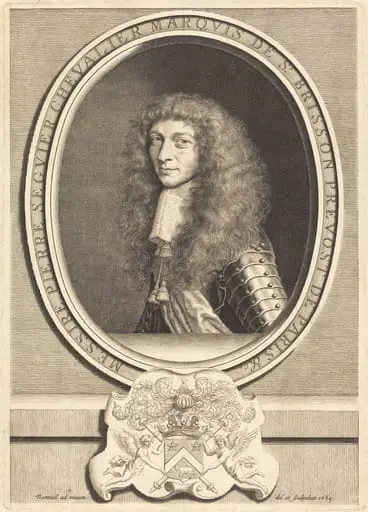
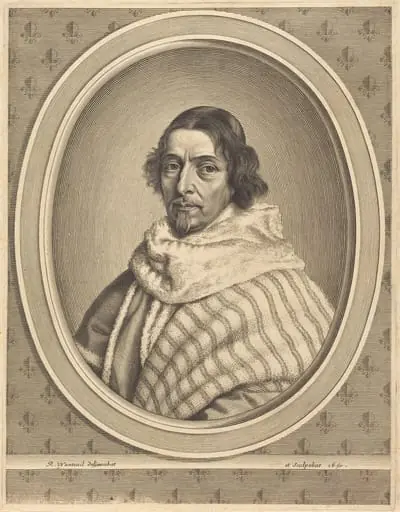
This mid‑17th‑century print presents a solemn male figure framed within a circular border. The subject wears a dark robe trimmed with a white collar, a chain bearing a cross, and displays short, curled hair and a neatly trimmed beard. The composition is rendered entirely in black ink, emphasizing line and contrast.
Subject & Meaning
The portrait depicts Claude Auvry, whose identity is signified by the accompanying coat of arms and Latin inscriptions. The dignified pose, formal attire, and religious emblem suggest a status of respectability, possibly linked to a clerical or academic office.
Technique & Style
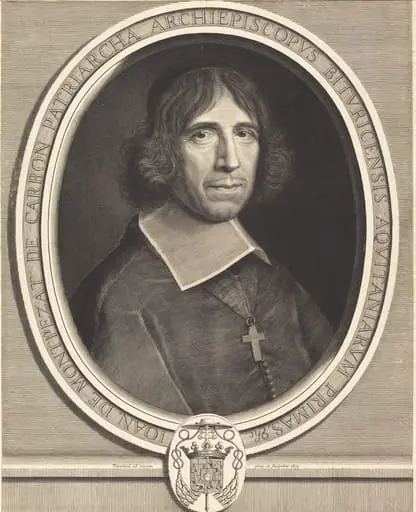
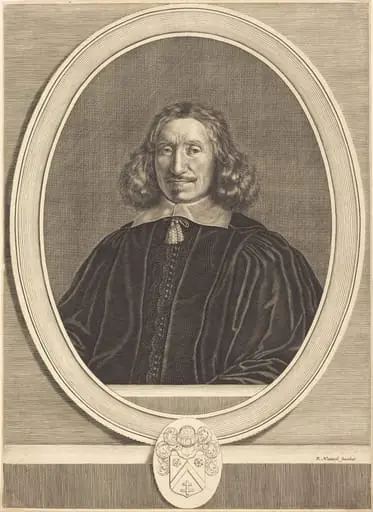
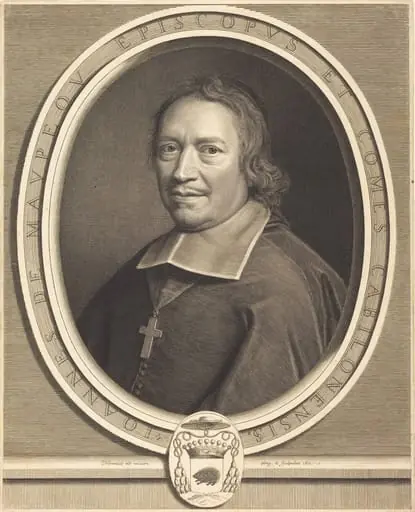
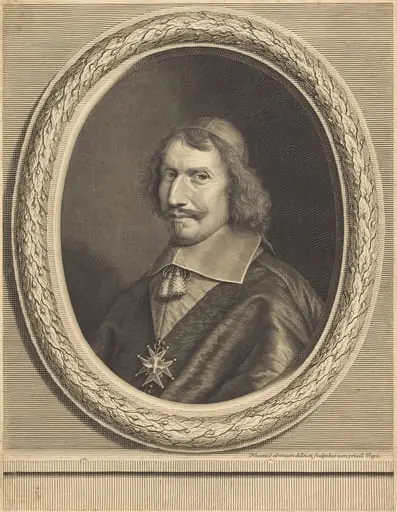
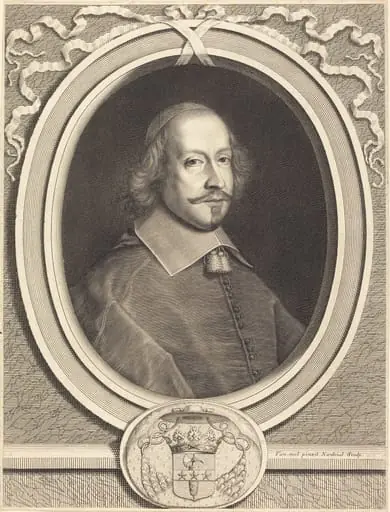
Executed by Robert Nanteuil, the engraving employs fine cross‑hatching and delicate line work to model facial features and fabric textures. The surrounding frame is densely filled with ornamental motifs and script, a hallmark of Nanteuil’s meticulous approach to portraiture.
History & Provenance
Created in 1660, the print reflects Nanteuil’s role as the official engraver for the court of Louis XIV. The artist’s signature appears at the bottom, confirming authorship, while the heraldic device indicates the work’s original association with the Auvry family.
Context
During the reign of Louis XIV, portrait engravings served both as personal commemorations and as means of disseminating the likenesses of notable individuals. Nanteuil’s output exemplifies the French Baroque emphasis on clarity, precision, and the elevation of the sitter’s social standing through visual detail.
Artist & collection
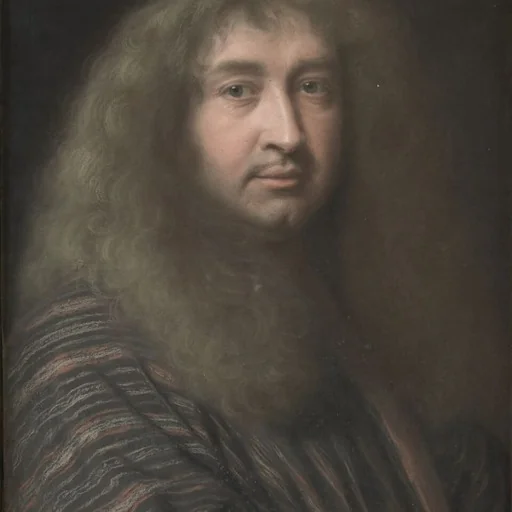
Artist
Robert Nanteuil (French pronunciation: ; 1623 – 9 December 1678) was a French portrait artist: engraver, draughtsman and pastellist to the court of Louis XIV.