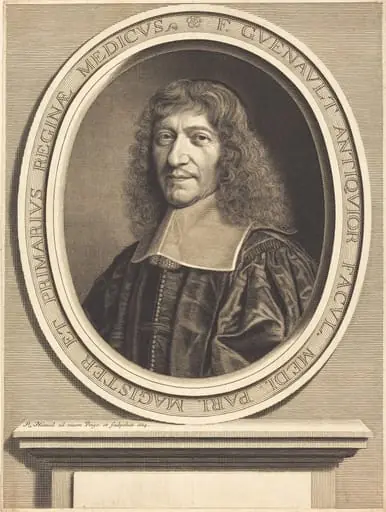
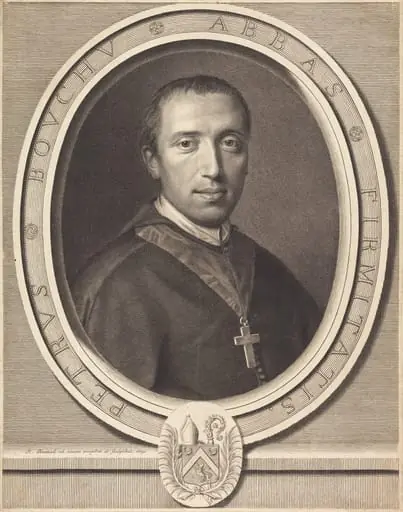
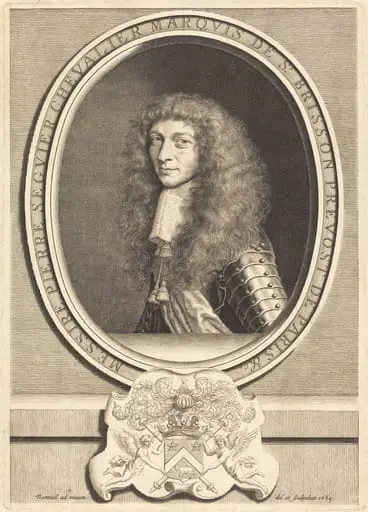
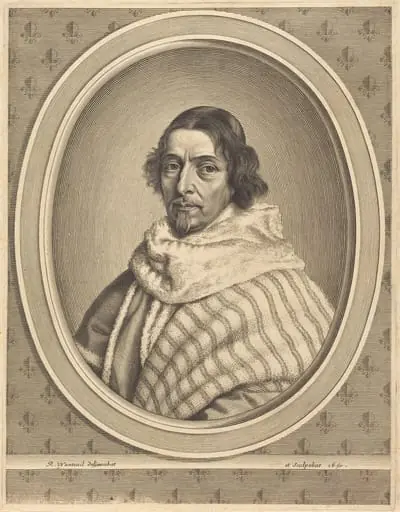
Artwork
Cardinal Jules Mazarin
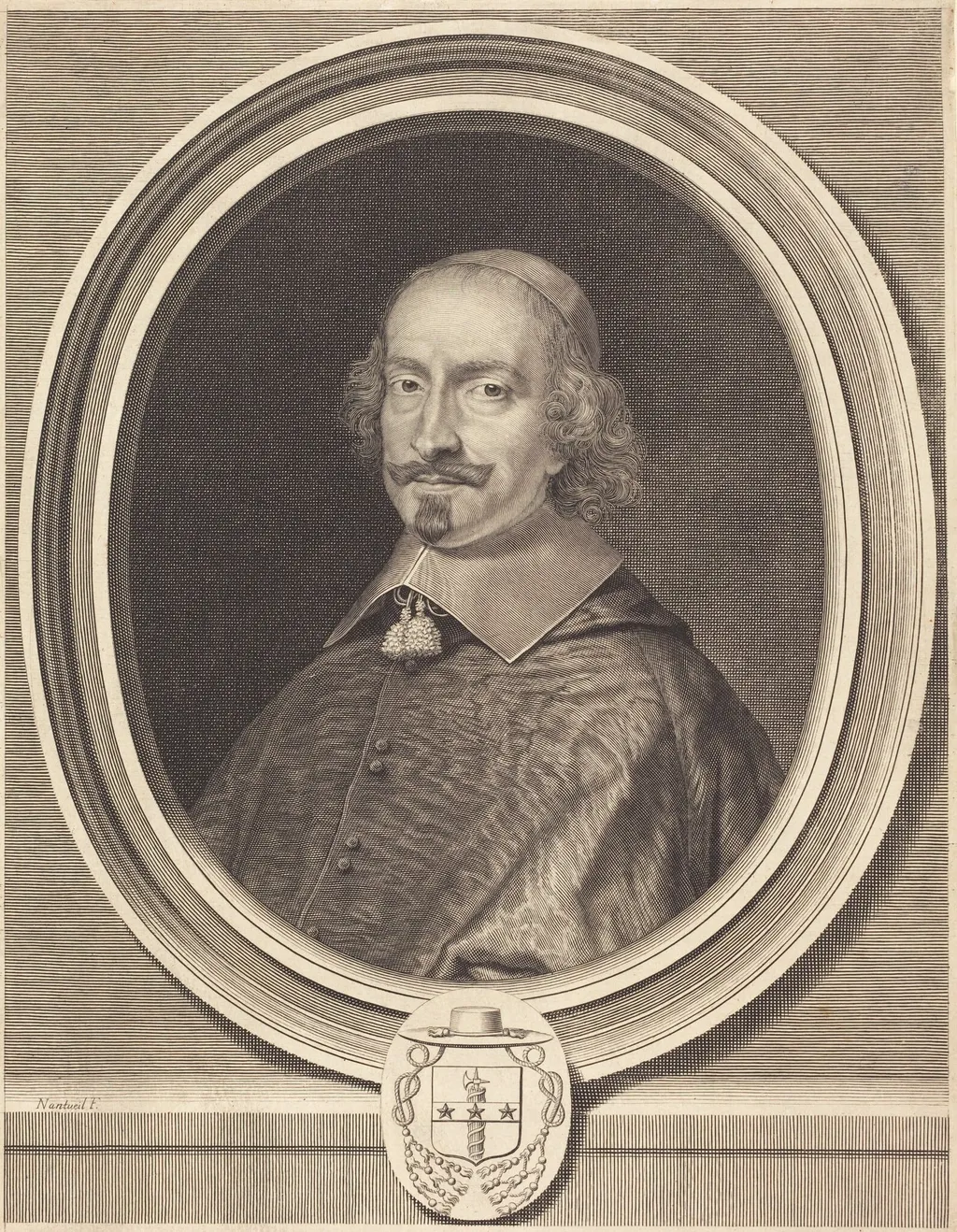
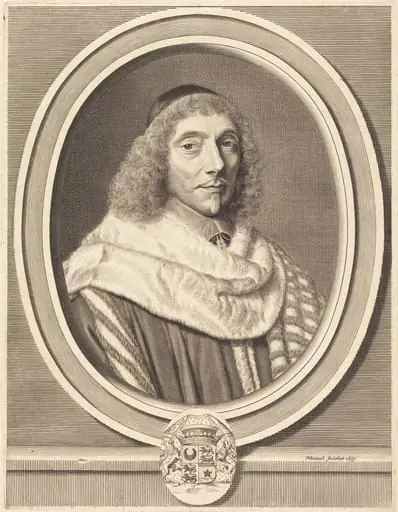
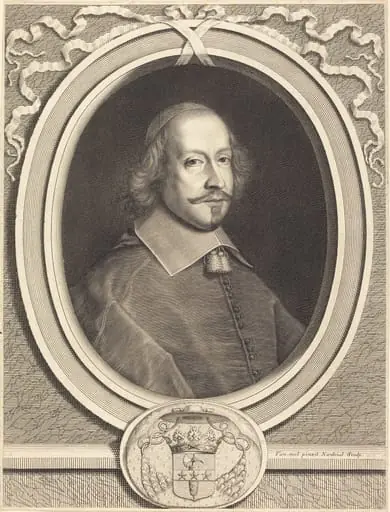
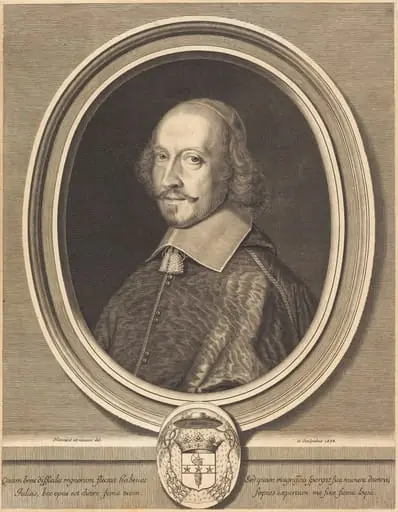
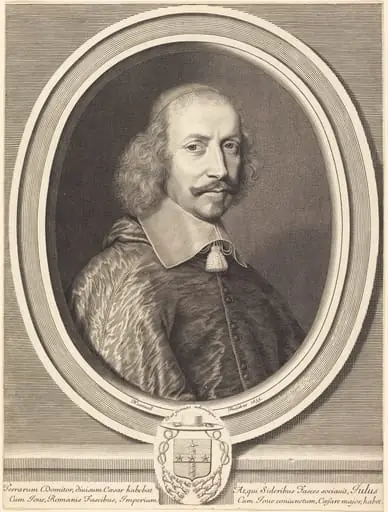
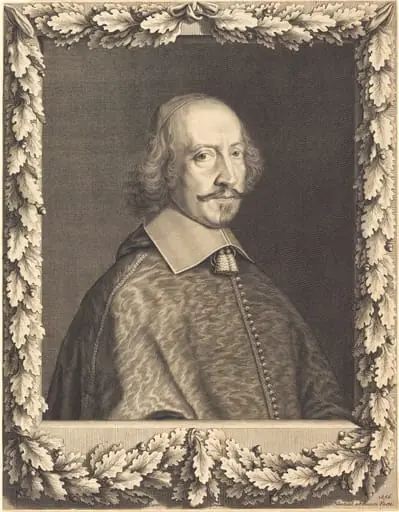
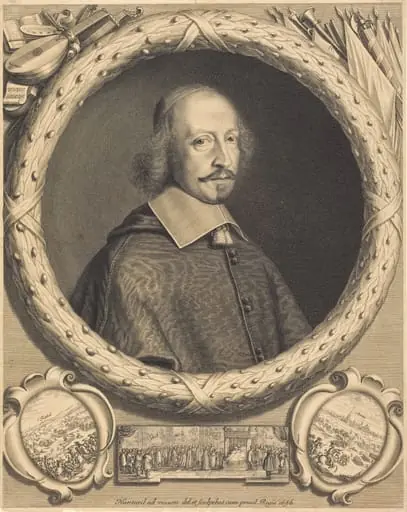
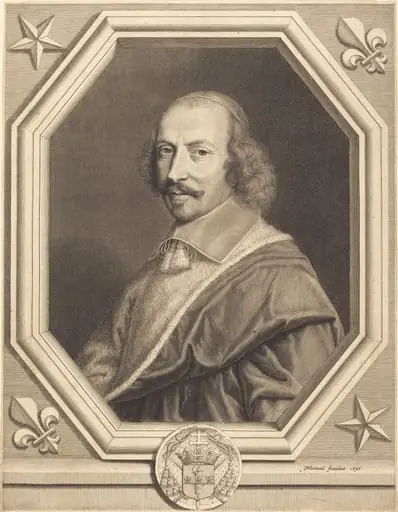
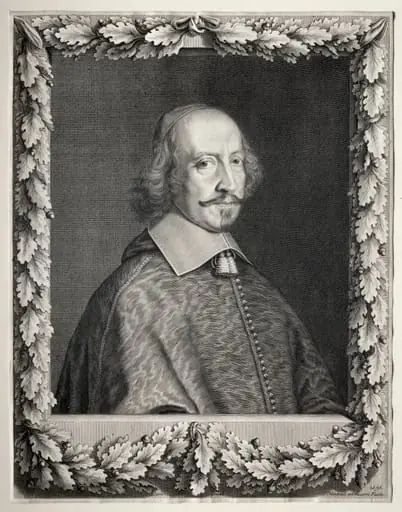
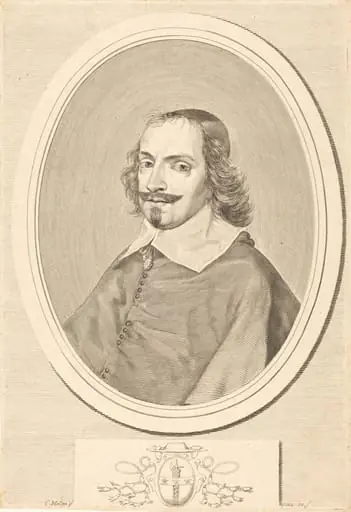
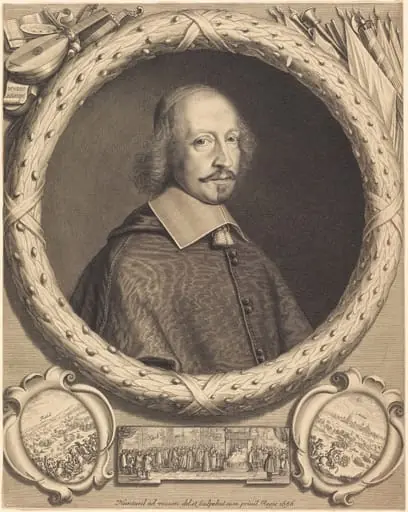
Cardinal Jules Mazarin is an ink print by the Baroque artist Robert Nanteuil. It dates from 1652 and is held in the collection of the National Gallery of Art.
About this work
Overview
Executed in black and white, the portrait reflects the precision and refinement characteristic of Nanteuil’s work as a court engraver under Louis XIV.
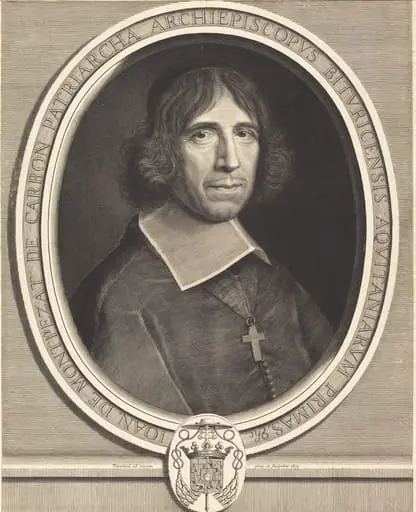
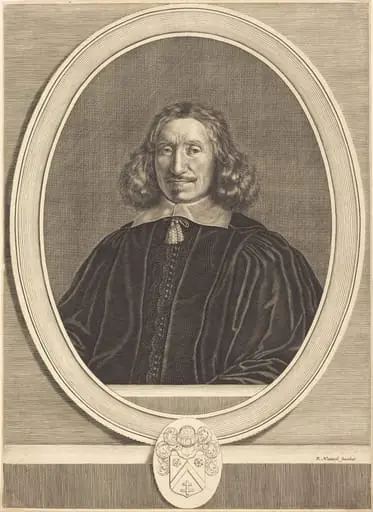
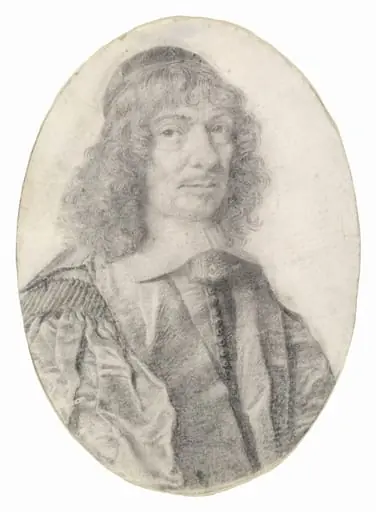
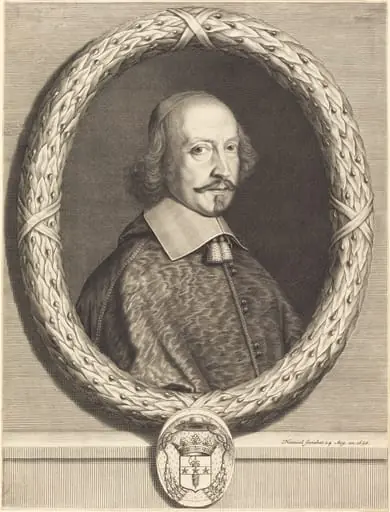
Created in 1652, this engraving by Robert Nanteuil portrays Cardinal Jules Mazarin, a key political figure in 17th-century France. Executed in black and white, the portrait reflects the precision and refinement characteristic of Nanteuil’s work as a court engraver under Louis XIV. The image is framed within a circular ornamental border, emphasizing the subject’s status while maintaining a restrained, formal composition.
Subject & Meaning
Cardinal Mazarin, chief minister to the young Louis XIV, is depicted with quiet authority. His mustache and curled hair reflect contemporary aristocratic fashion, while the small flower pinned to his dark collar suggests personal refinement. The coat of arms at the base—featuring stars, a cross, and a crown—signals his ecclesiastical rank and noble privileges, reinforcing his dual role as churchman and statesman.
Technique & Style
Nanteuil employed fine, controlled lines typical of copperplate engraving to render texture and form. The face is modeled with delicate hatching, capturing subtle shifts in light and shadow, while the decorative border and heraldic shield are rendered with geometric precision. The plain background focuses attention on the cardinal’s expression and attire, showcasing Nanteuil’s skill in balancing detail with clarity.
History & Provenance
The engraving was made during Mazarin’s tenure as de facto ruler of France, shortly before his death in 1661. As a favored artist of the royal court, Nanteuil was commissioned to produce portraits of leading figures, and this image likely served to circulate Mazarin’s likeness among diplomats and nobility. Its survival suggests it was valued as both a political document and an artistic object.
Context
In mid-17th-century France, engraved portraits were vital tools for projecting power and legitimacy. Mazarin, an Italian-born cardinal navigating French politics, relied on such imagery to assert his authority. Nanteuil’s style, rooted in the tradition of Flemish and Italian portraiture, aligned with the court’s preference for dignified, restrained representation over flamboyance.
Legacy
Nanteuil’s engravings of Mazarin helped define the visual language of French state portraiture. His ability to convey character through meticulous line work influenced later portrait engravers and established a model for depicting political figures with psychological nuance. This print remains a key example of how printmaking served as a medium of political communication in early modern Europe.
Artist & collection
Artist
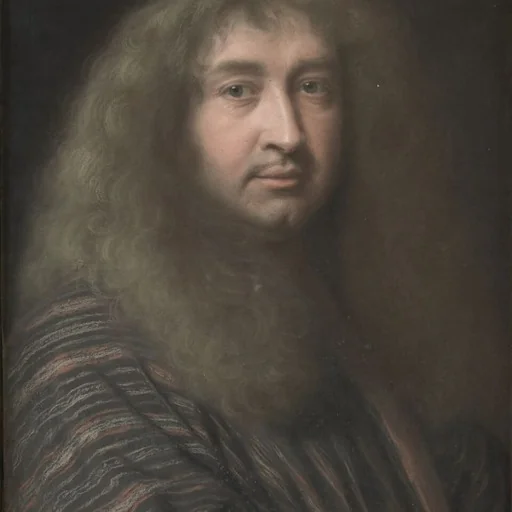
Robert Nanteuil (French pronunciation: ; 1623 – 9 December 1678) was a French portrait artist: engraver, draughtsman and pastellist to the court of Louis XIV.