Artwork
Jules-Paul de Lionne
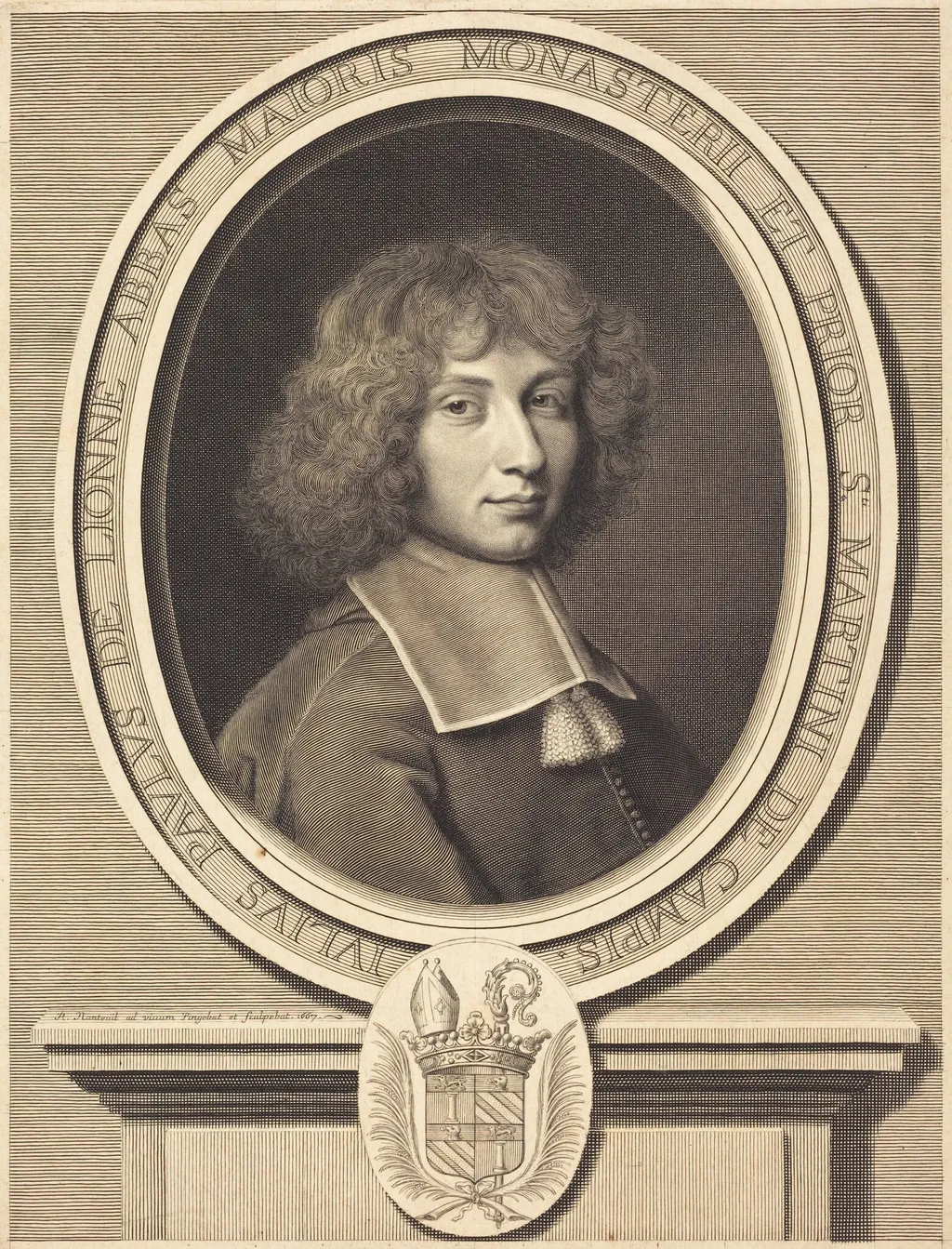
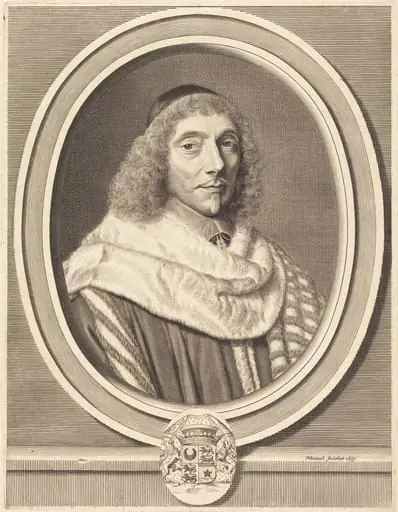
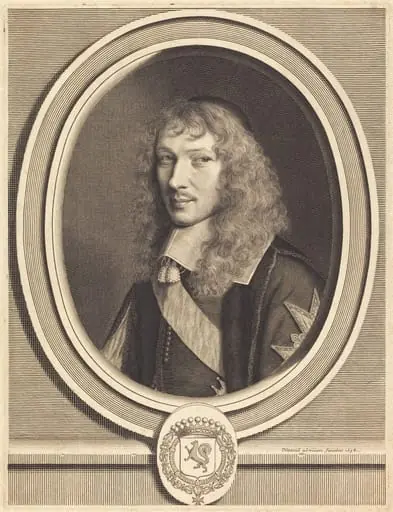
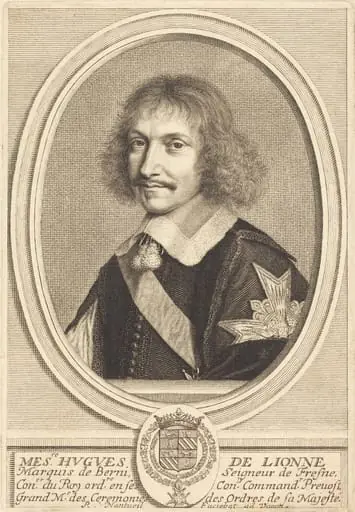
Jules-Paul de Lionne is an ink print by the Baroque artist Robert Nanteuil. It dates from 1667 and is held in the collection of the National Gallery of Art.
About this work
Overview
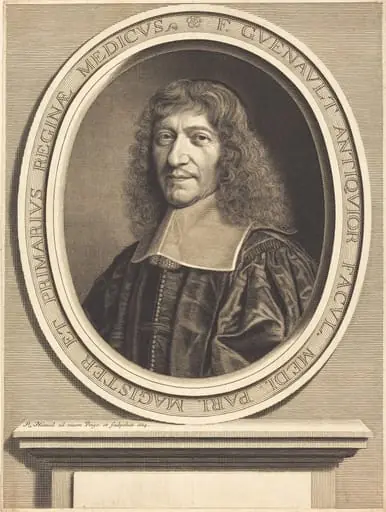
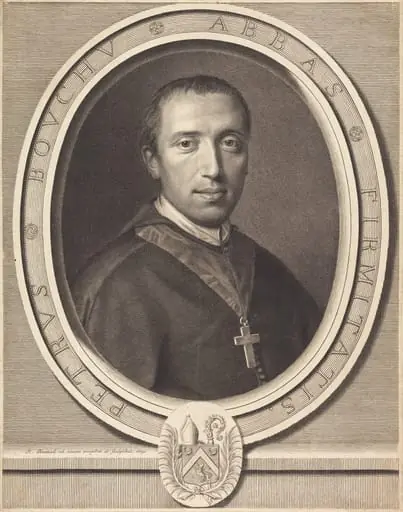
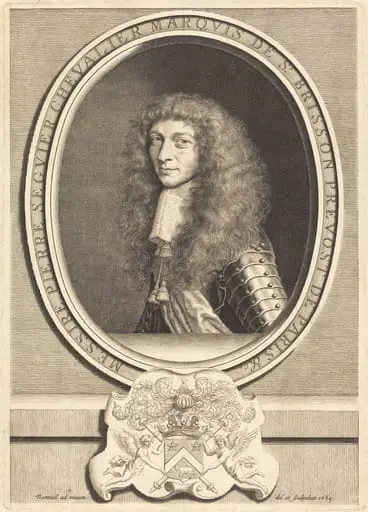
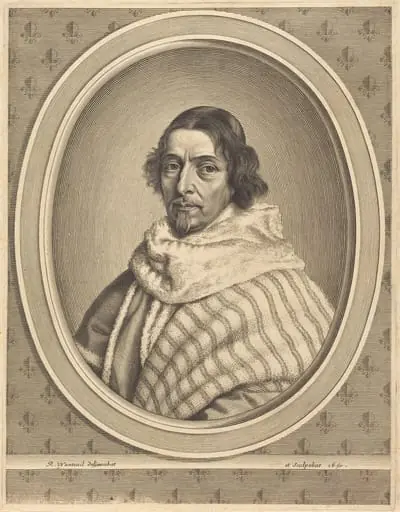
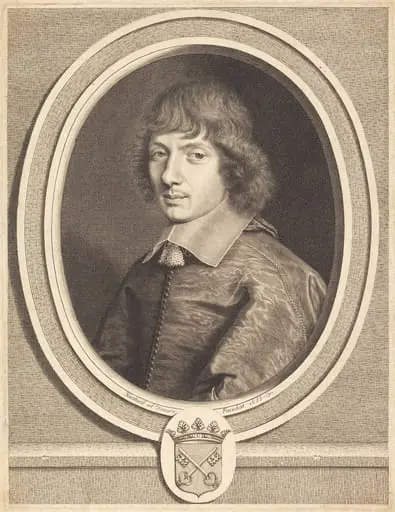
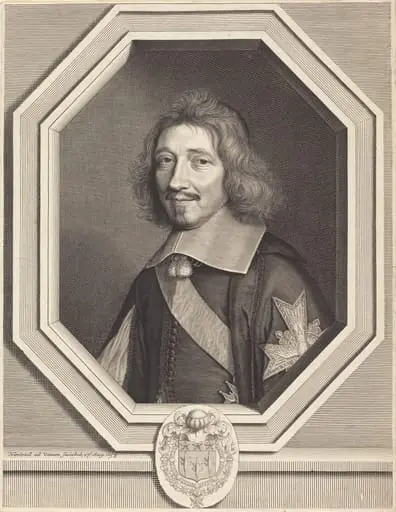
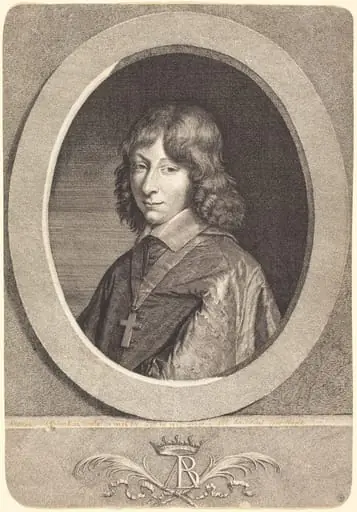
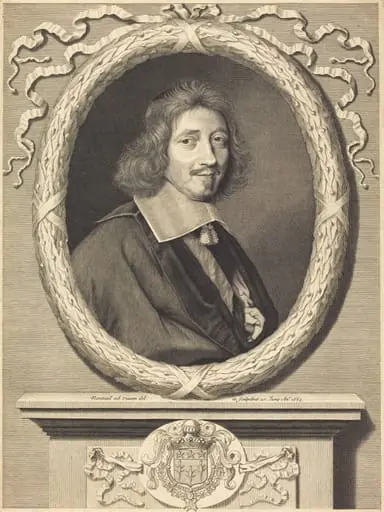
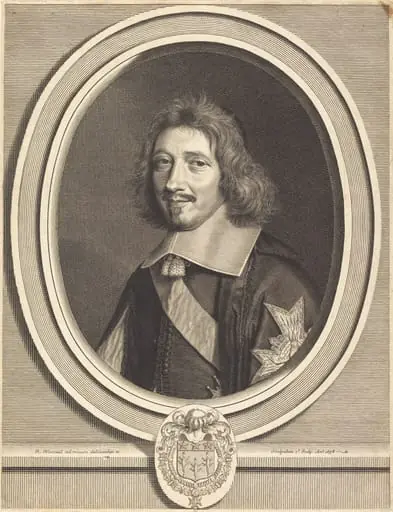
Jules-Paul de Lionne is a black-and-white engraving created by Robert Nanteuil in 1667. The print is a portrait of a man, framed by a decorative border and accompanied by a coat of arms and text.
Subject & Meaning
The subject is depicted with a serious expression, wearing formal attire that includes a lace collar and ruffled cuff. The inclusion of a coat of arms suggests that the individual was of notable status, aligning with Nanteuil's role in documenting prominent figures of the French royal court.
Technique & Style
Nanteuil employed fine lines and shading to achieve depth and detail in the portrait, particularly in the rendering of the subject's face and clothing. This level of detail is characteristic of engravings from the period, showcasing Nanteuil's skill in the medium.
History & Provenance
The engraving was produced during Nanteuil's tenure as portrait engraver to Louis XIV's court, highlighting his official role in capturing the likenesses of significant individuals within the royal circle.
Artist & collection
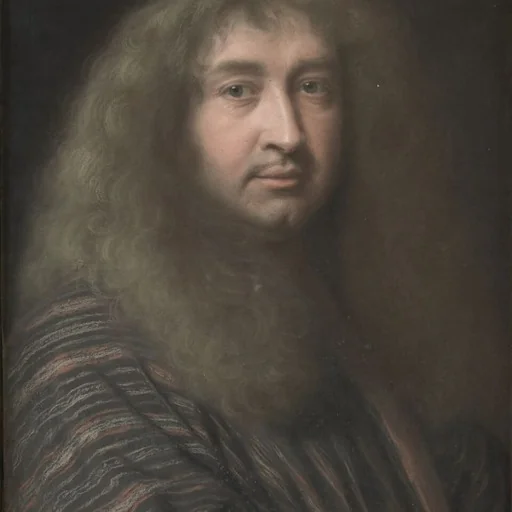
Artist
Robert Nanteuil (French pronunciation: ; 1623 – 9 December 1678) was a French portrait artist: engraver, draughtsman and pastellist to the court of Louis XIV.