Artwork
Michel Le Masle
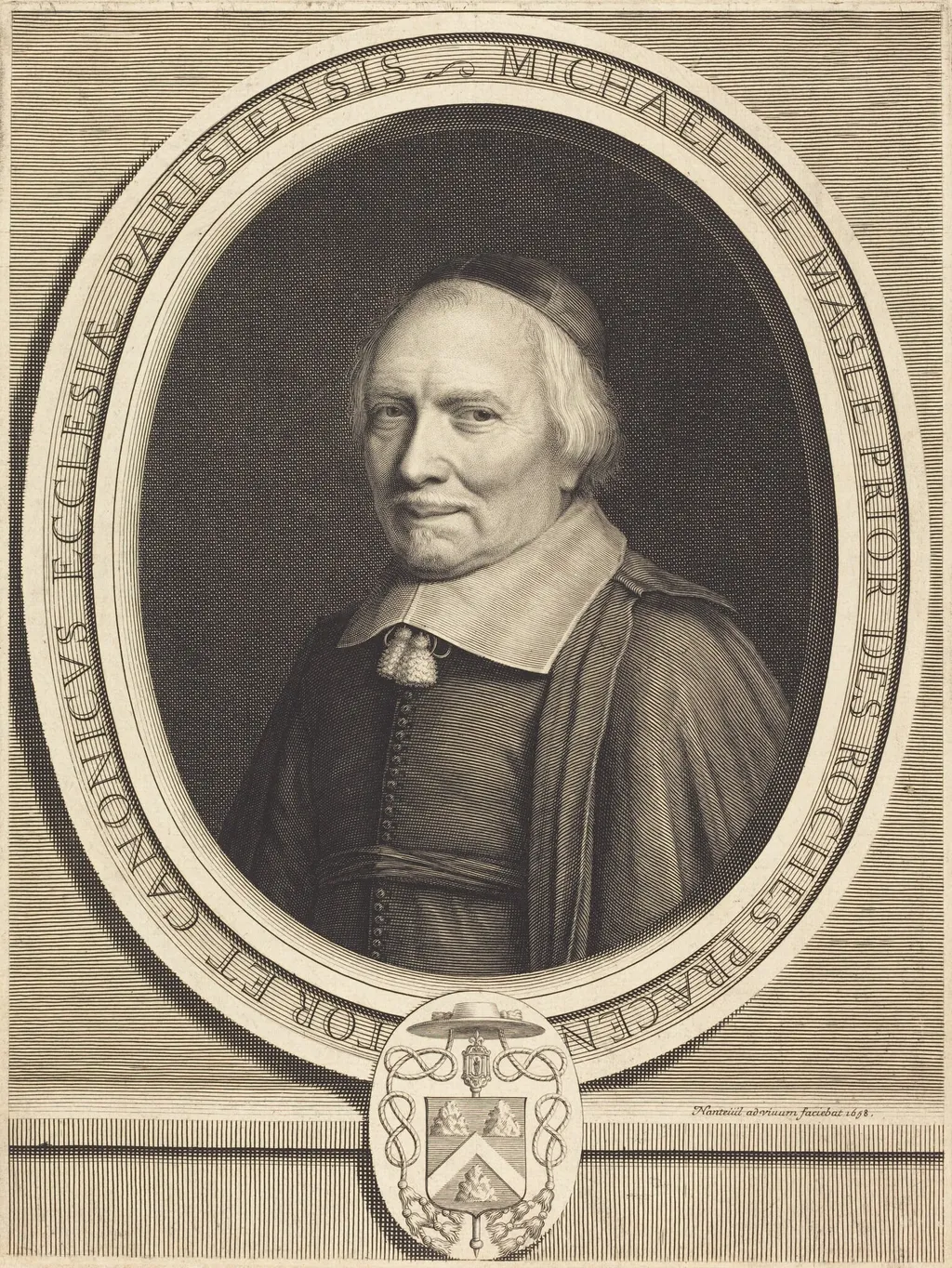
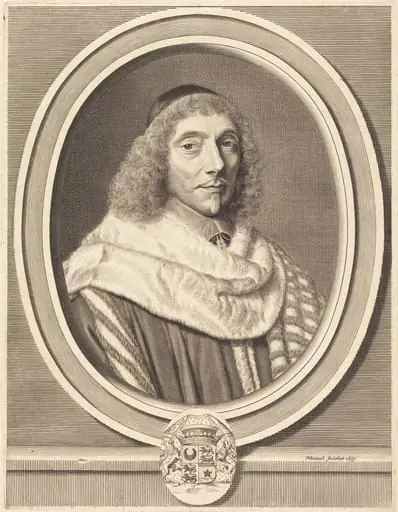
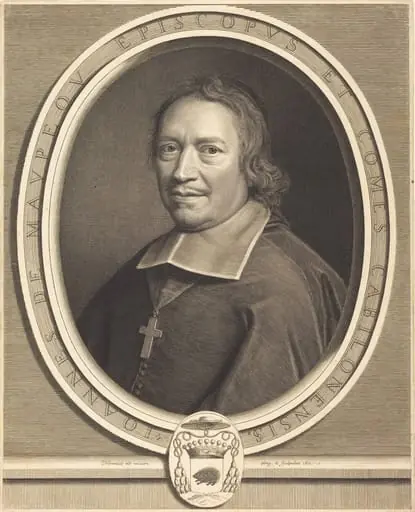
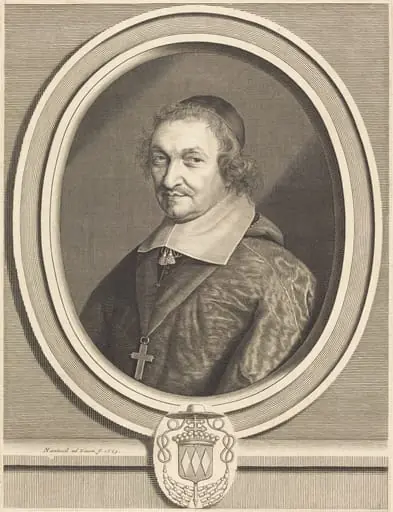
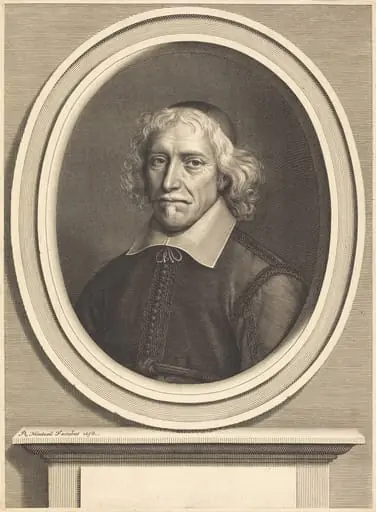
Michel Le Masle is an ink print by the Baroque artist Robert Nanteuil. It dates from 1658 and is held in the collection of the National Gallery of Art.
About this work
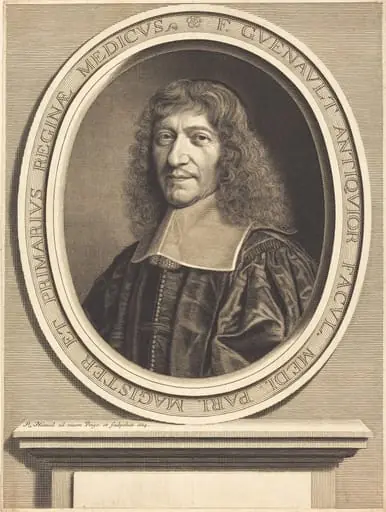
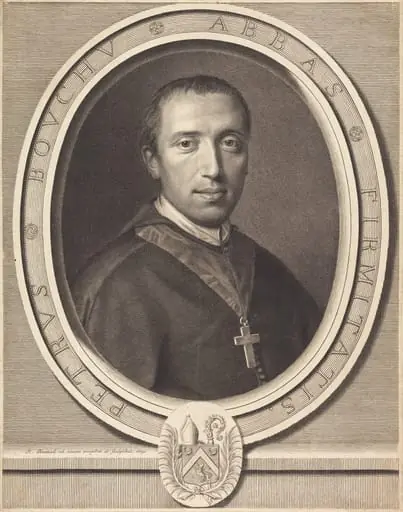
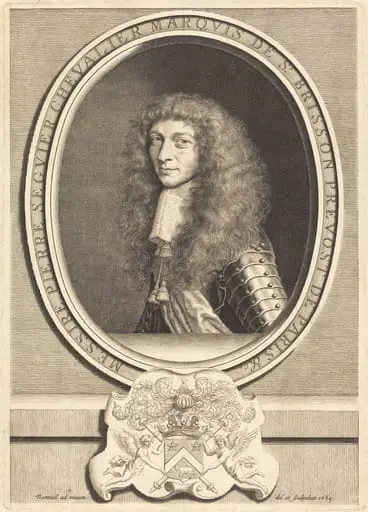
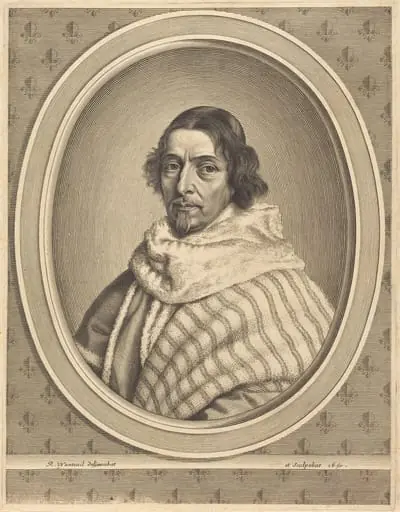
This is a black-and-white portrait of a serious-looking older man with a white collar and ruffled shirt.
This is a black-and-white portrait of a serious-looking older man with a white collar and ruffled shirt. His face is framed inside a round border filled with intricate lines and patterns. Below him is a coat of arms with symbols and a shield, surrounded by decorative knots and leaves.
The artist used fine lines and shading to create depth, which is typical of engravings. This piece was made in 1658 by an artist named Nanteuil.
Look up engraving to see how artists like this made detailed prints.
Overview
This 1658 engraving by Robert Nanteuil depicts Michel Le Masle, a French court official, rendered in fine line work characteristic of the period’s printmaking. The portrait was produced during Nanteuil’s official role as engraver to Louis XIV’s court, where he documented key figures of the French elite. The image is framed within a circular border adorned with ornamental detailing, emphasizing the sitter’s status and the technical precision of the medium.
Subject & Meaning
Michel Le Masle is portrayed with solemn composure, his white collar and ruffled shirt signaling his position within the aristocratic or administrative class. The inclusion of a heraldic shield below the portrait reinforces his familial or institutional affiliation, suggesting lineage or official duty. The restrained expression and formal attire reflect the values of decorum and authority prized in the courtly culture of mid-17th-century France.
Technique & Style
Nanteuil employed fine, controlled engraving lines to model facial features and fabric textures, achieving subtle gradations of light and shadow. The intricate decorative border and heraldic elements were meticulously incised, demonstrating mastery of the burin. The monochromatic palette and linear precision align with the conventions of French portrait engraving, where clarity and elegance took precedence over expressive flair.
History & Provenance
Created in 1658, the print emerged from Nanteuil’s official duties at the French court, where he was commissioned to produce likenesses of nobility and officials. Such portraits often circulated among elite circles as tokens of status or records of service. While specific early ownership records are sparse, the work’s survival reflects its role in the broader documentation of Louis XIV’s administrative class.
Context
During the 1650s, portrait engraving served as a primary means of disseminating images of power in France, before the widespread use of photography. Nanteuil’s work was part of a state-supported effort to visually codify the hierarchy of the monarchy’s court. His prints, including this one, contributed to a visual archive that reinforced the legitimacy and permanence of royal and noble authority.
Legacy
Nanteuil’s engravings, including this portrait, established a standard for French portraiture in print. His technical refinement influenced later generations of engravers and contributed to the enduring perception of 17th-century French officials as composed and dignified. Though less widely known today, his works remain important artifacts in the study of early modern visual culture and state representation.
Artist & collection
Artist
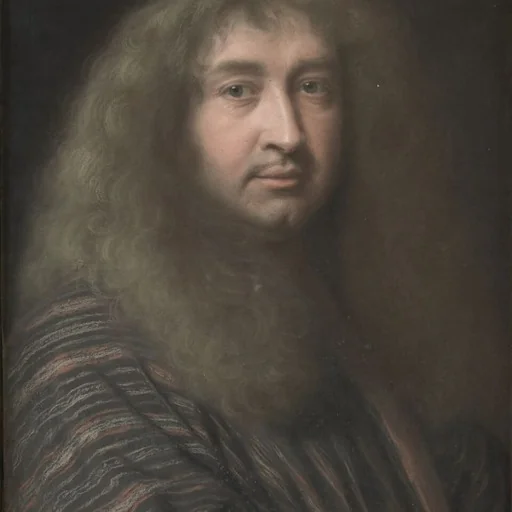
Robert Nanteuil (French pronunciation: ; 1623 – 9 December 1678) was a French portrait artist: engraver, draughtsman and pastellist to the court of Louis XIV.