Artwork
Renouvelé des petites Danaides
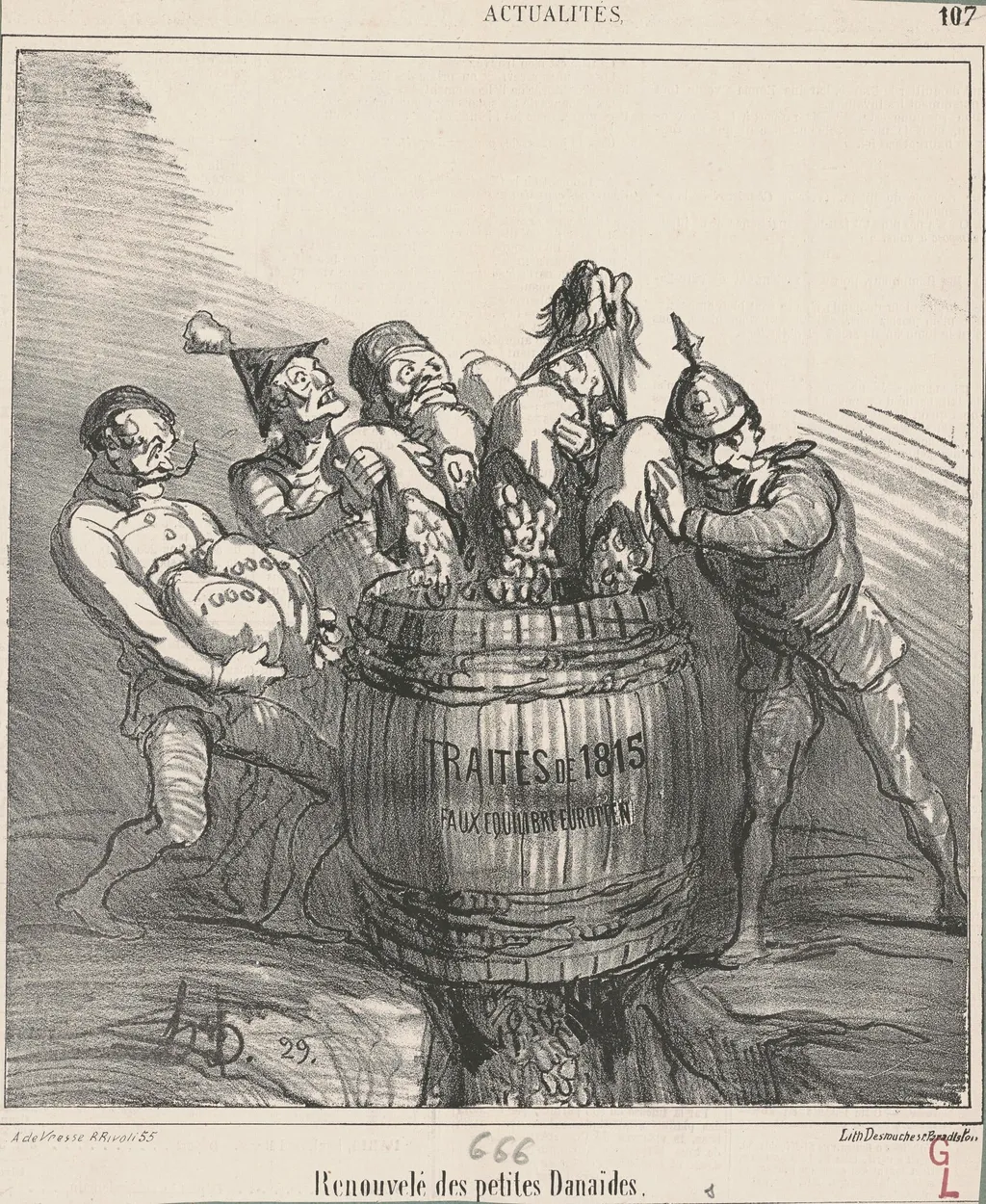
Renouvelé des petites Danaides is an ink print by the Impressionist artist Honoré Daumier. It dates from 1866 and is held in the collection of the National Gallery of Art.
About this work
Daumier uses the myth of the Danaides—doomed to fill a leaking barrel—to mock European diplomacy after the 1815 peace deals.
A group of small, lively figures desperately pour liquid into a barrel. The barrel is labeled with old treaties and the words "False European Balance." One figure looks out with a cheeky grin.
This is a political joke from 1866. Daumier uses the myth of the Danaides—doomed to fill a leaking barrel—to mock European diplomacy after the 1815 peace deals. He made it using lithography, a method where artists draw on stone to make prints. It was common in newspapers and satire of the time.
Look up lithography to see how ink and stone helped spread sharp political humor in the 1800s.
(Word count: 106)
Overview
Created in 1866, 'Renouvelé des petites Danaides' is a lithographic print by Honoré Daumier that satirizes European diplomatic efforts following the Congress of Vienna. The image presents a group of diminutive figures laboriously pouring liquid into a barrel marked with references to post-Napoleonic treaties. Daumier’s choice of medium allowed for rapid reproduction, aligning the work with the era’s tradition of political satire in illustrated press.
Subject & Meaning
The print draws on the Greek myth of the Danaides, condemned to eternally fill a leaky barrel, as a metaphor for the futility of 19th-century European diplomacy. The barrel bears inscriptions of the 1815 treaties and the phrase 'False European Balance,' suggesting the instability of the peace settlement. Daumier’s figures, animated and absurd, underscore the cyclical, ineffective nature of diplomatic negotiations after decades of conflict.
Technique & Style
Daumier employed lithography, a process involving drawing on limestone with greasy ink, enabling quick, mass-produced prints. His style features exaggerated gestures, simplified forms, and expressive faces that heighten the comedic and critical tone. The composition’s energy comes from the chaotic motion of the figures, their postures and glances—particularly one winking figure—adding a layer of ironic commentary to the scene.
History & Provenance
Produced during the reign of Napoleon III, the print emerged amid rising public skepticism toward European alliances and imperial ambitions. It likely appeared in a satirical journal, as Daumier frequently contributed to publications like Le Charivari. Though no specific early ownership records survive, its circulation among urban readers reflects the widespread appetite for political caricature in mid-century France.
Context
In 1866, Europe was navigating shifting alliances and the looming Austro-Prussian War, undermining the stability promised by the 1815 Congress of Vienna. Daumier’s work responded to public disillusionment with diplomatic rhetoric that failed to prevent renewed conflict. His use of classical myth to frame contemporary politics was a familiar device in satirical circles, allowing critique to bypass censorship through allegory.
Legacy
The print endures as a clear example of how lithography empowered artists to engage directly with political discourse. Daumier’s fusion of myth and current events influenced later satirists and cartoonists, demonstrating the power of visual allegory in critiquing institutional failure. While not widely exhibited in his lifetime, it remains a touchstone in studies of 19th-century political illustration.
Artist & collection
Artist
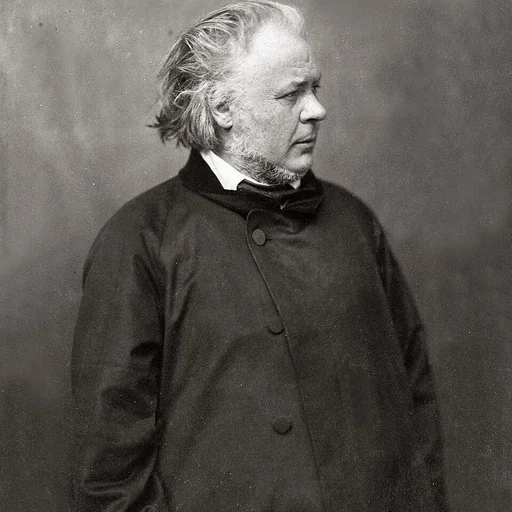
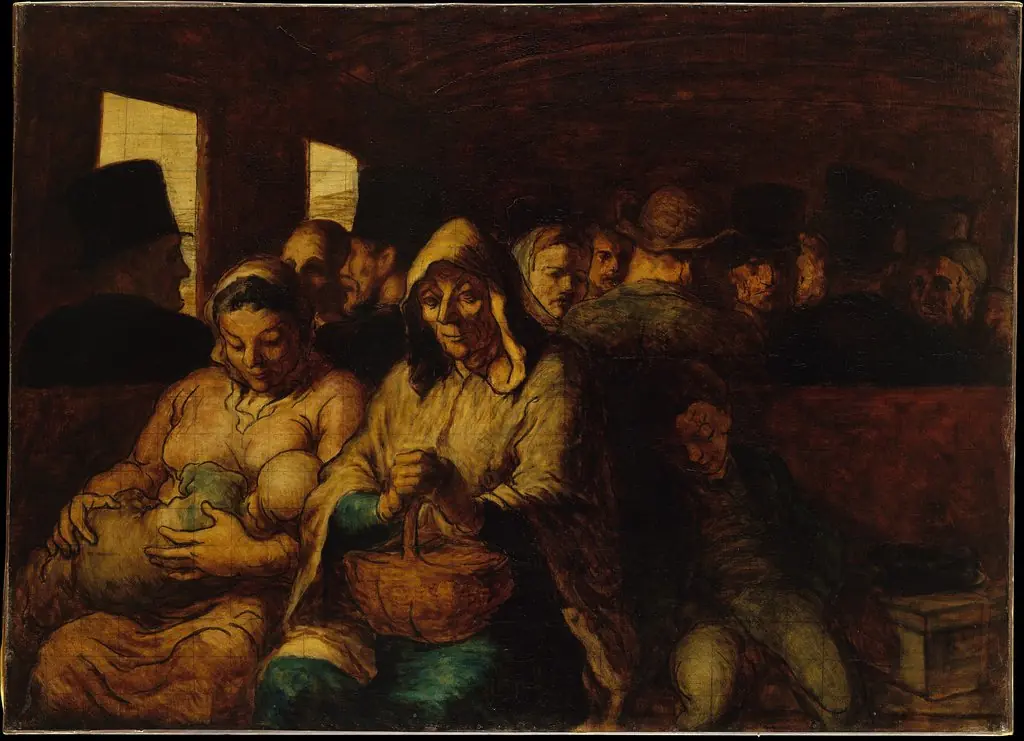
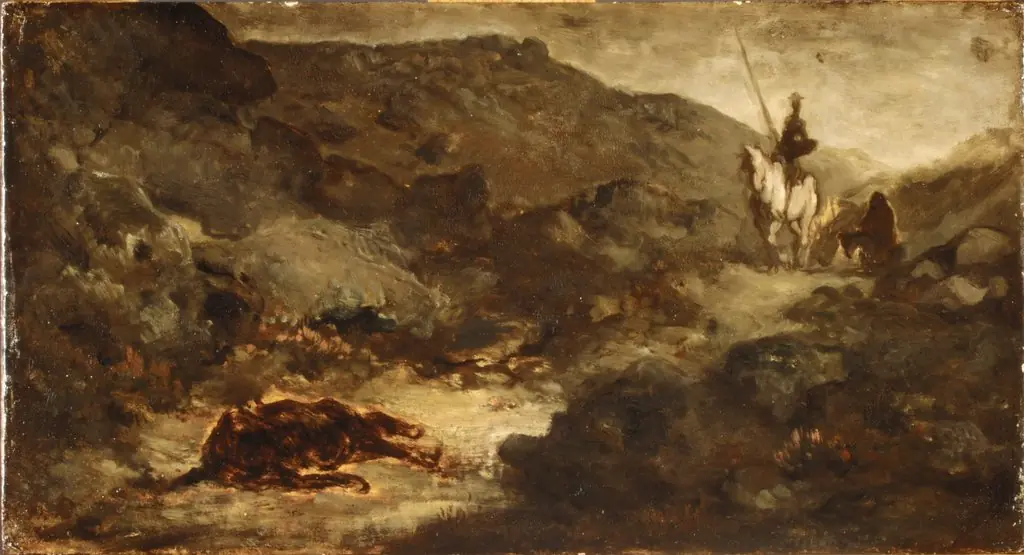
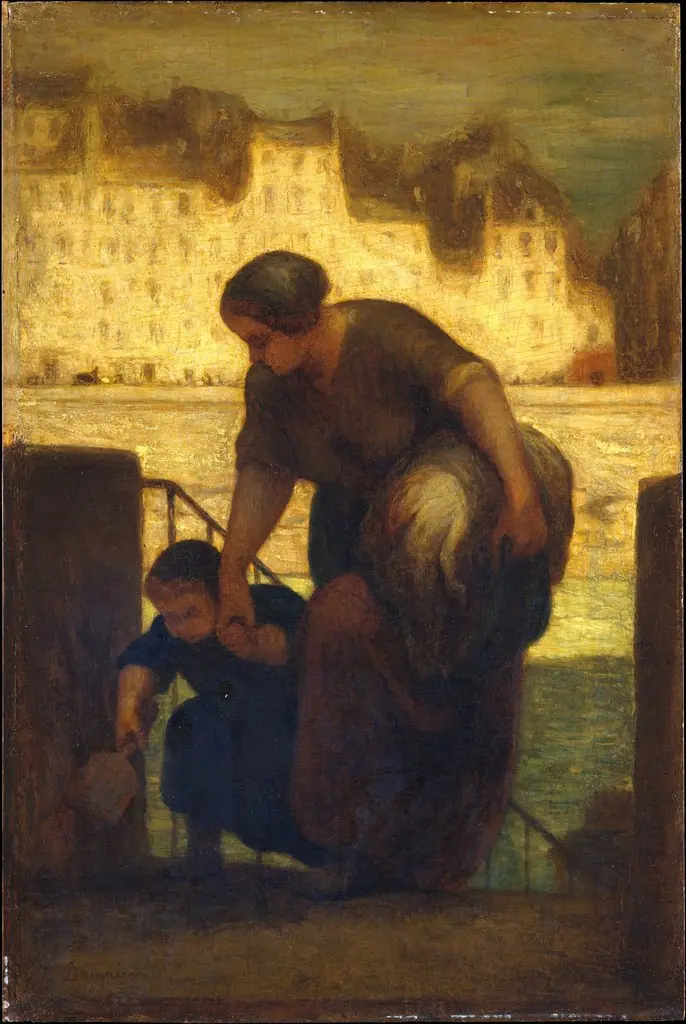
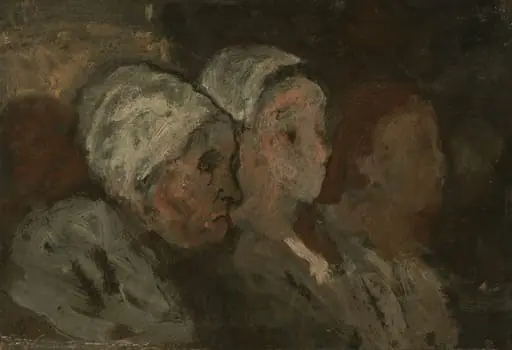
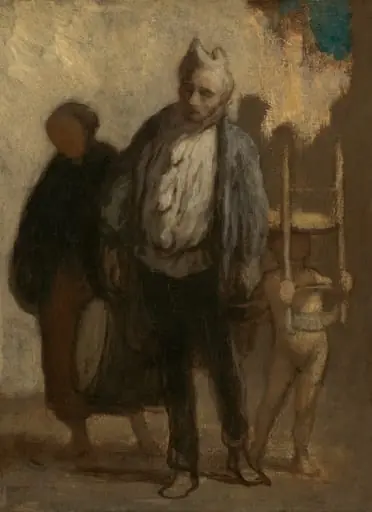
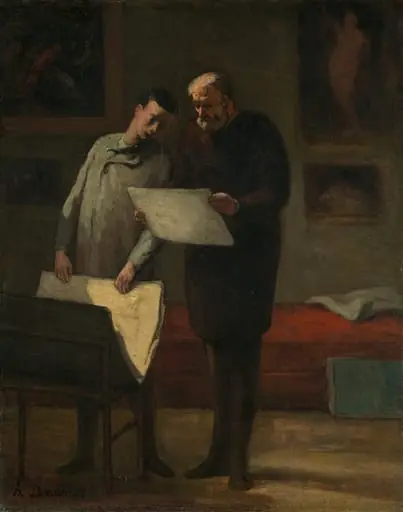
Honoré-Victorin Daumier was a French painter, sculptor, and printmaker, whose many works offer commentary on the social and political life in France, from the Revolution of 1830 to the fall of the Second French Empire in 1870.

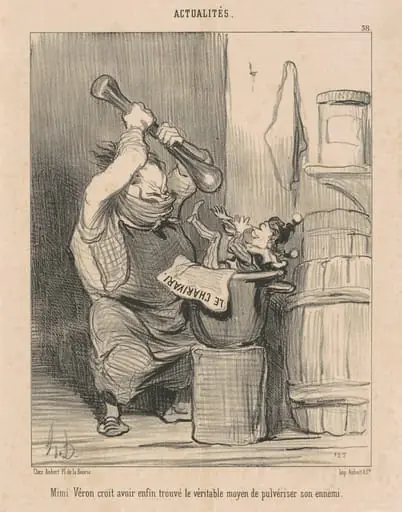 Mimi Vèron croit avoir ... trouvé le ...
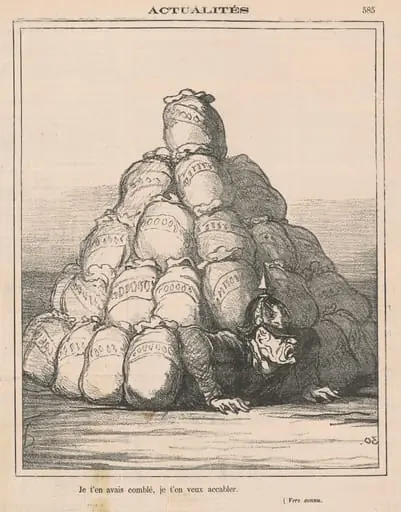 Je t'en avais comblé ...
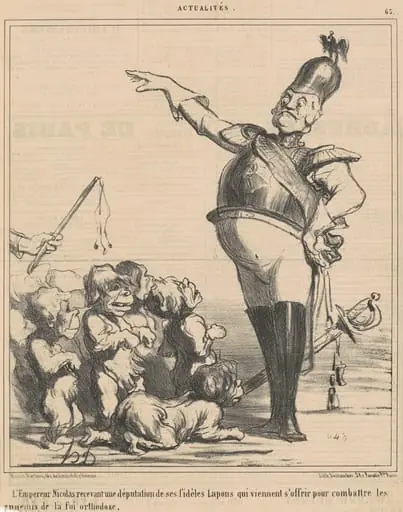 L'empereur Nicolas recevant une députation ...
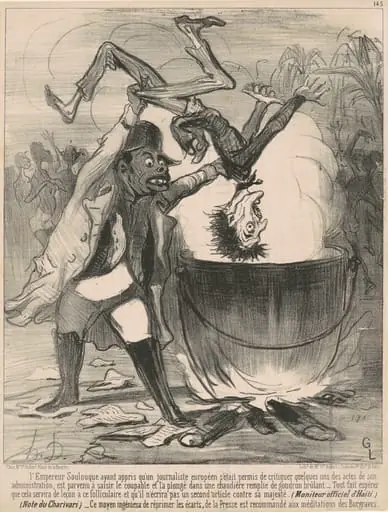 L'empereur soulouque ...
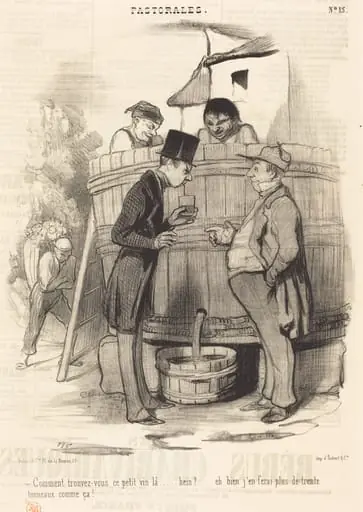 Comment trouvez-vous ce petit vin-la...
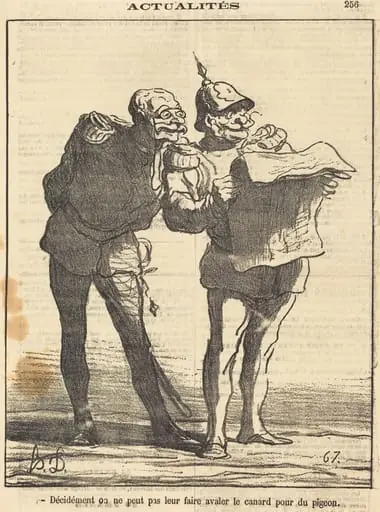 Décidément on ne peut pas...
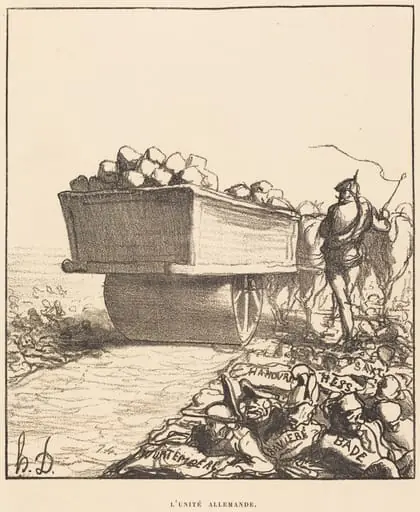 L'unité allemande
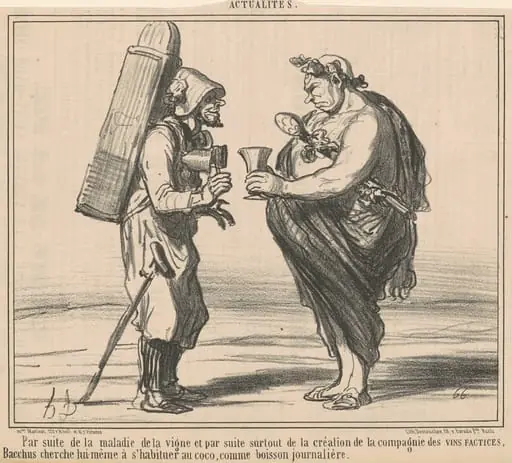 Par suite de la maladie de la vigne
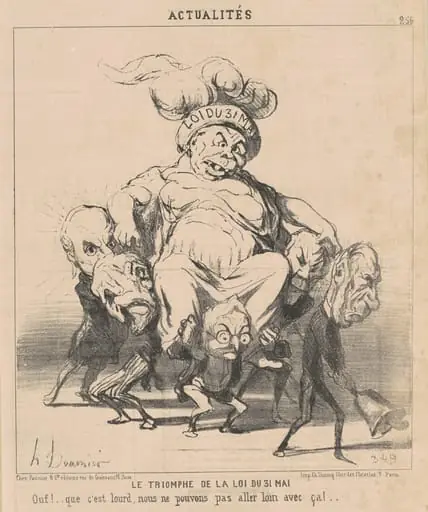 Le triomphe de la loi du 31 Mai
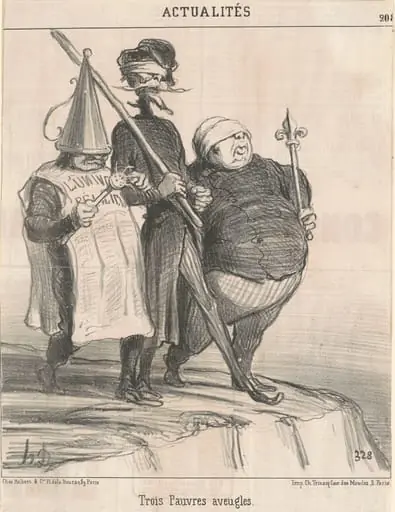 Trois Pauvres aveugles