Artwork
Bärtiger Mann in altdeutscher Tracht
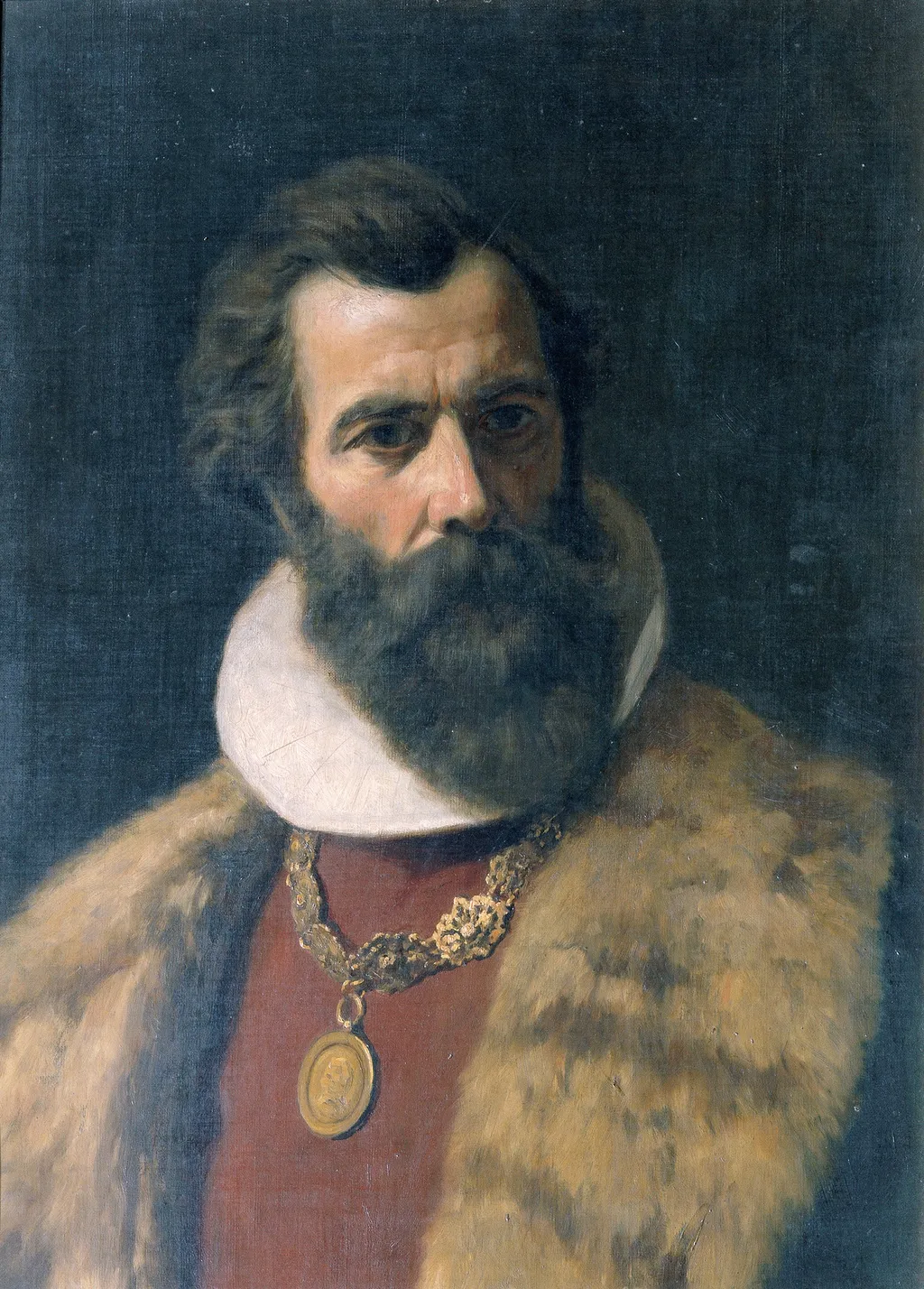
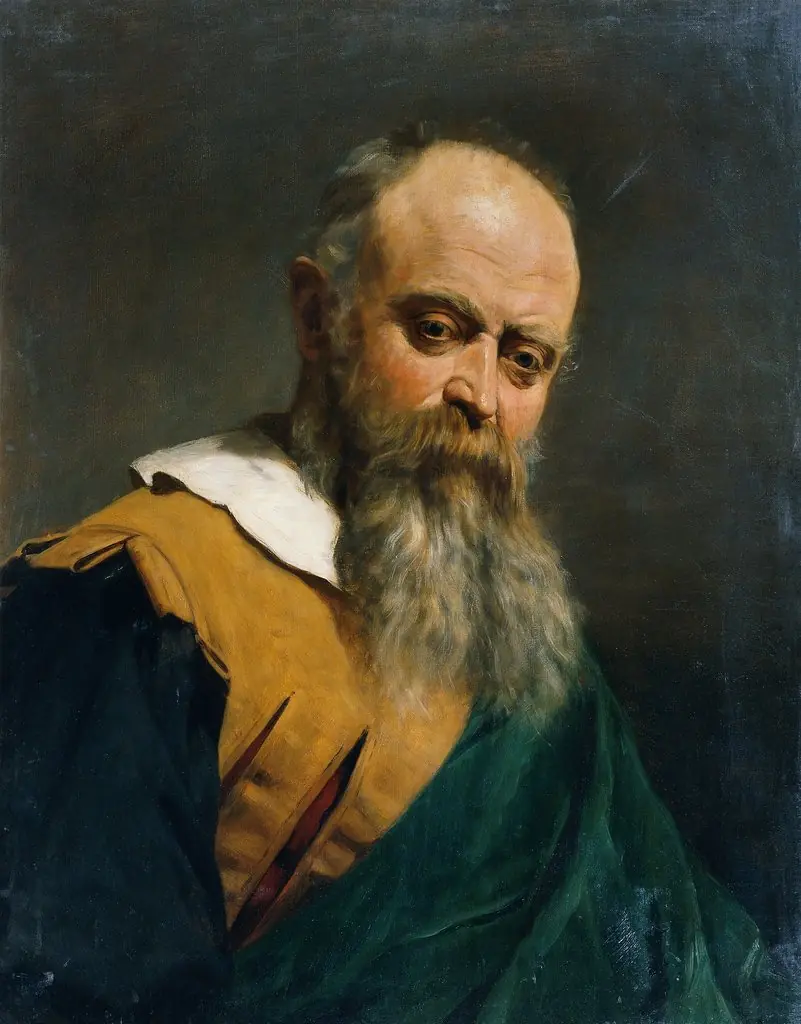
Bärtiger Mann in altdeutscher Tracht is an unspecified painting by Natale Schiavoni. It dates from 1827 and is held in the collection of the Belvedere.
About this work
Overview
The painting resides in the Kunsthistorisches Museum’s collection, reflecting 19th-century European interest in cultural identity and historical costume.
Painted around 1827 by the Italian artist Natale Schiavoni, this portrait depicts an older man dressed in traditional German clothing. Though Schiavoni was primarily known for historical scenes and portraits of women, this work diverges in subject, focusing instead on a male figure in regional dress. The painting resides in the Kunsthistorisches Museum’s collection, reflecting 19th-century European interest in cultural identity and historical costume.
Subject & Meaning
The subject is an elderly man with a full dark beard and mustache, dressed in a red tunic and a fur-lined outer garment, accented by a gold chain with a pendant. His attire suggests noble or affluent status within a German-speaking region. The portrait does not identify him by name, but the careful rendering of his clothing and jewelry implies a deliberate emphasis on social standing and regional heritage rather than individual personality.
Technique & Style
Schiavoni employs chiaroscuro to model the figure with strong contrasts between light and shadow, giving volume to the face, beard, and fabric. The dark, unbroken background isolates the subject, heightening the focus on texture and form. Brushwork is precise, particularly in the rendering of the fur trim and metallic chain, demonstrating a refined attention to material detail typical of academic portraiture of the period.
History & Provenance
The painting entered the collection of the Kunsthistorisches Museum in Vienna, likely through acquisition or donation in the 19th century. Its presence there aligns with the museum’s broader mission to document European cultural history through visual art. While Schiavoni’s other works were more widely circulated, this portrait remains a singular example of his engagement with Germanic costume, possibly commissioned or created during a period of travel or study in Central Europe.
Context
In the early 1800s, interest in regional dress and folk identity grew across Europe, fueled by Romantic nationalism. Artists and collectors sought to preserve and display traditional costumes as symbols of cultural heritage. Schiavoni’s portrait reflects this trend, even as an Italian artist working outside Germany. The image may have served as a study of ethnic costume rather than a personal likeness, aligning with broader antiquarian interests of the time.
Legacy
Though not among Schiavoni’s most celebrated works, the portrait contributes to the historical record of 19th-century portraiture that engaged with regional identity. It stands as a quiet example of how artists outside Germany interpreted and recorded local dress, offering insight into cross-cultural perceptions of tradition. The painting remains a reference point for studies of costume and representation in European art.
Own this work as a print
Artist & collection
Artist
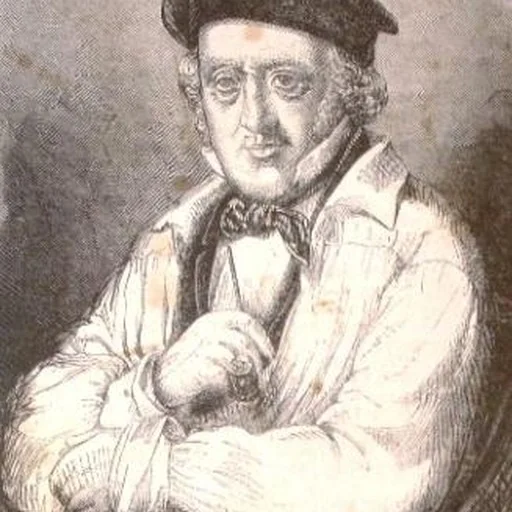
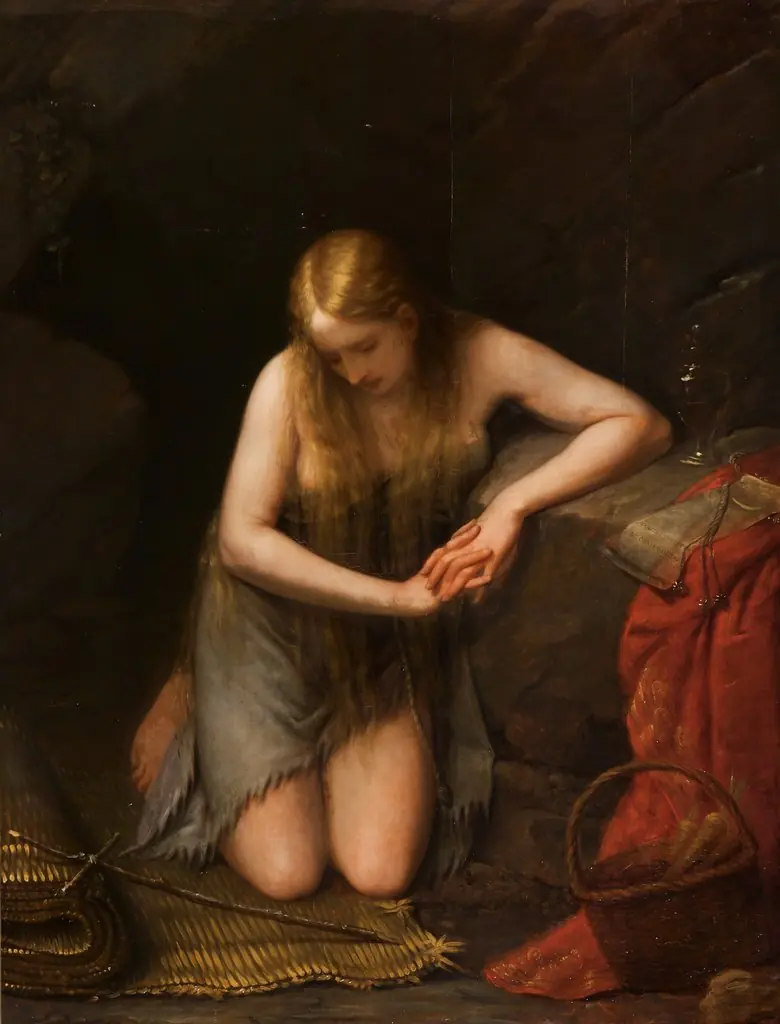
Natale Schiavoni (25 April 1777 – 15 April 1858) was an Italian painter and engraver, specializing in history and portraits. Many of his paintings depict seductive nubile women.

 Portrait of an elderly Man
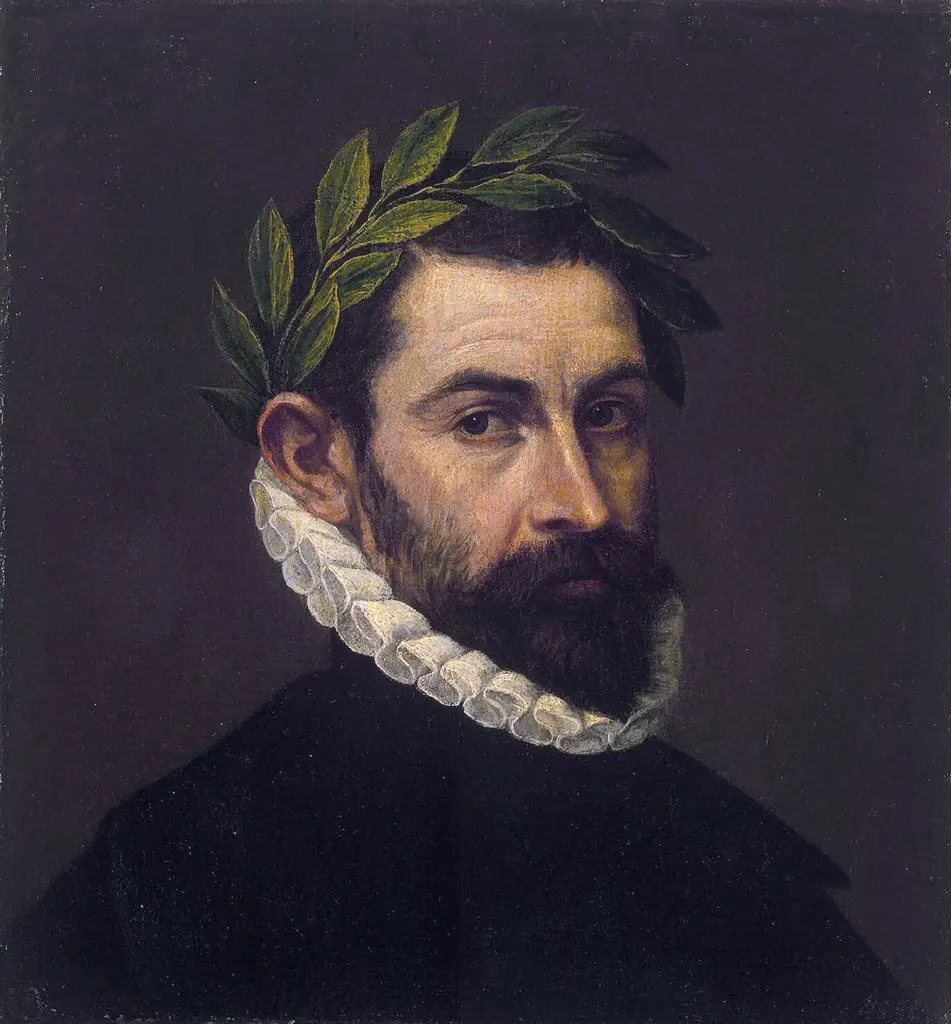 Portrait of the Poet Alonso Ercilla y Zuniga
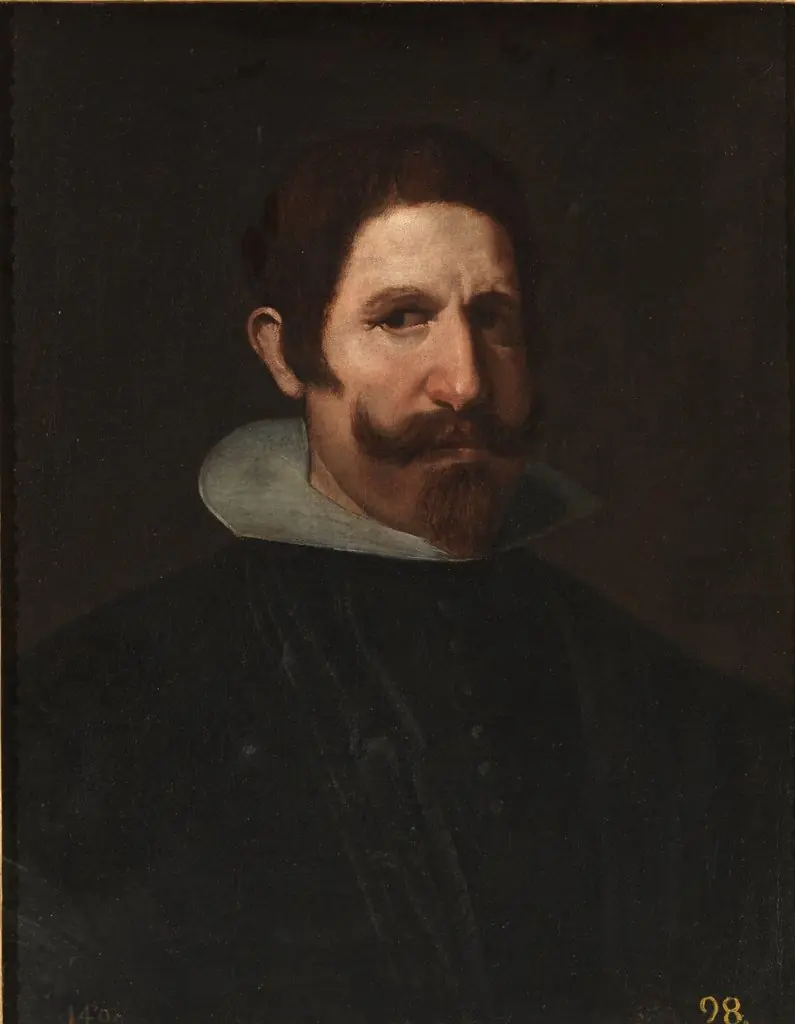 Alonso Martínez de Espinar (¿?)
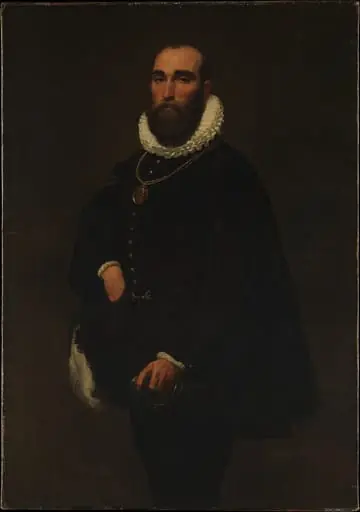 Worthington Whittredge
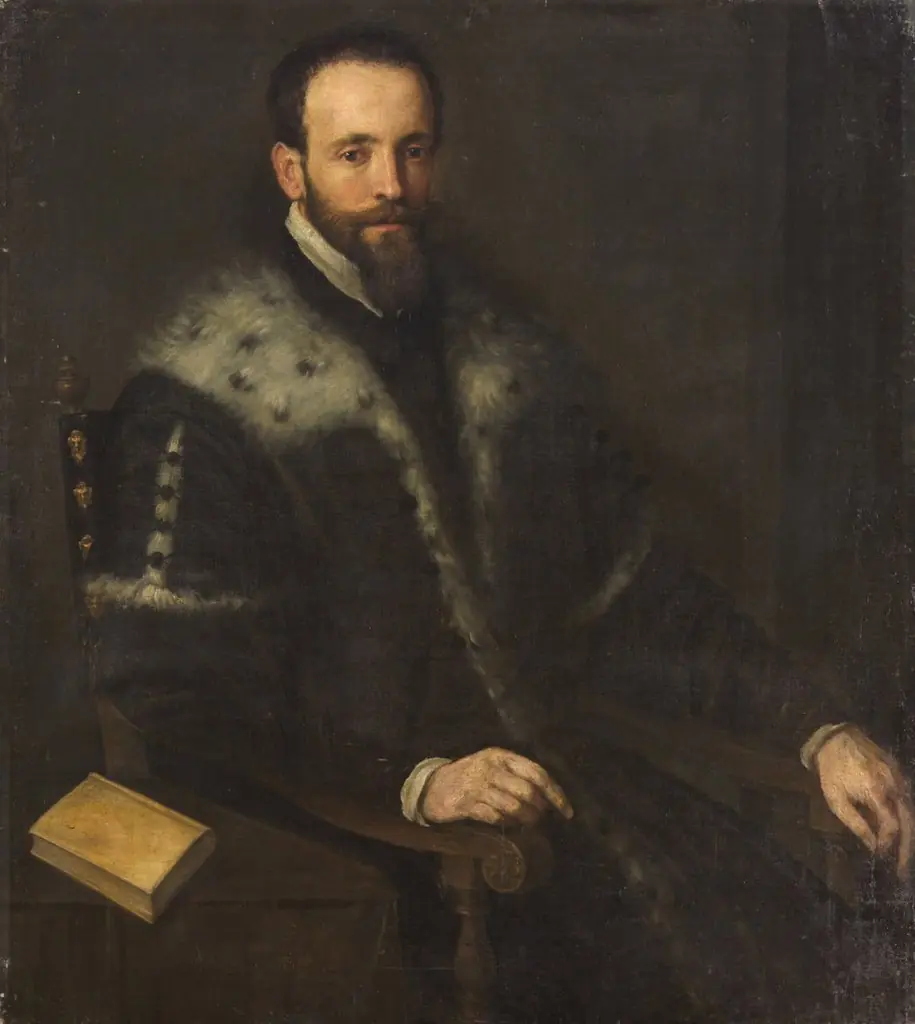 Bildnis eines Mannes im Lehnstuhl
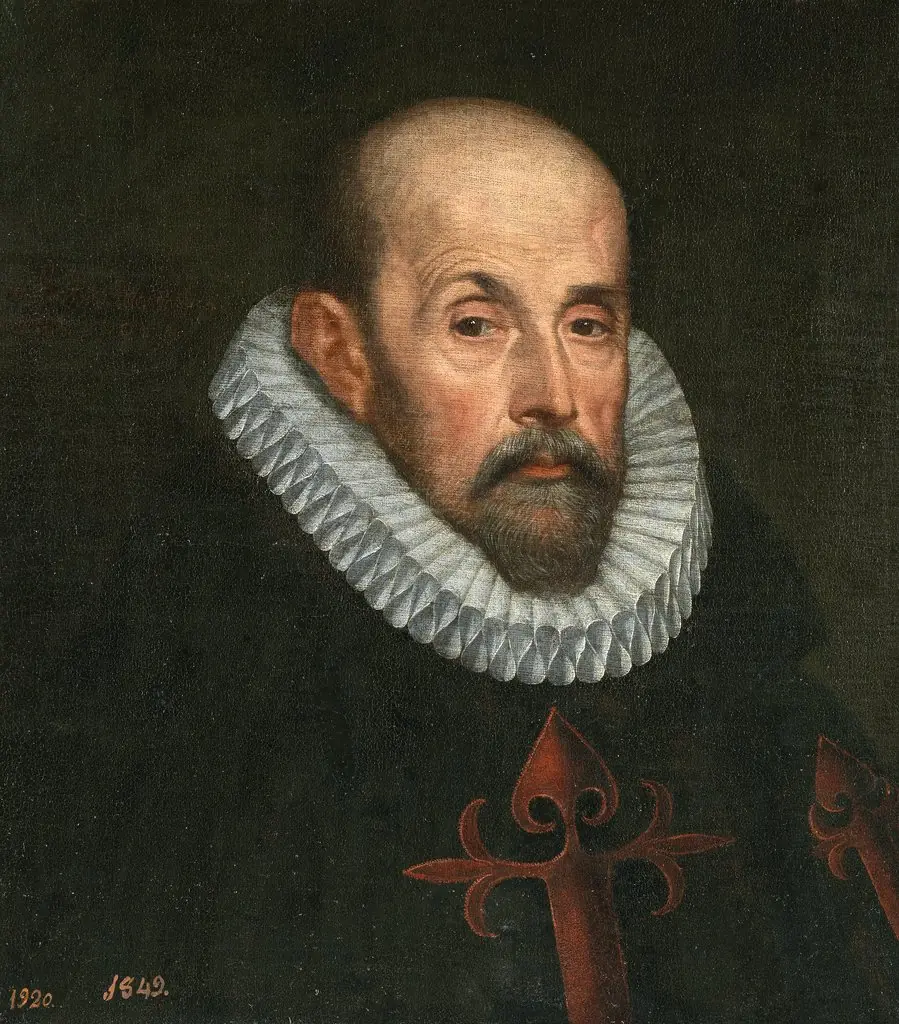 Portrait of a Knight of the Order of Santiago
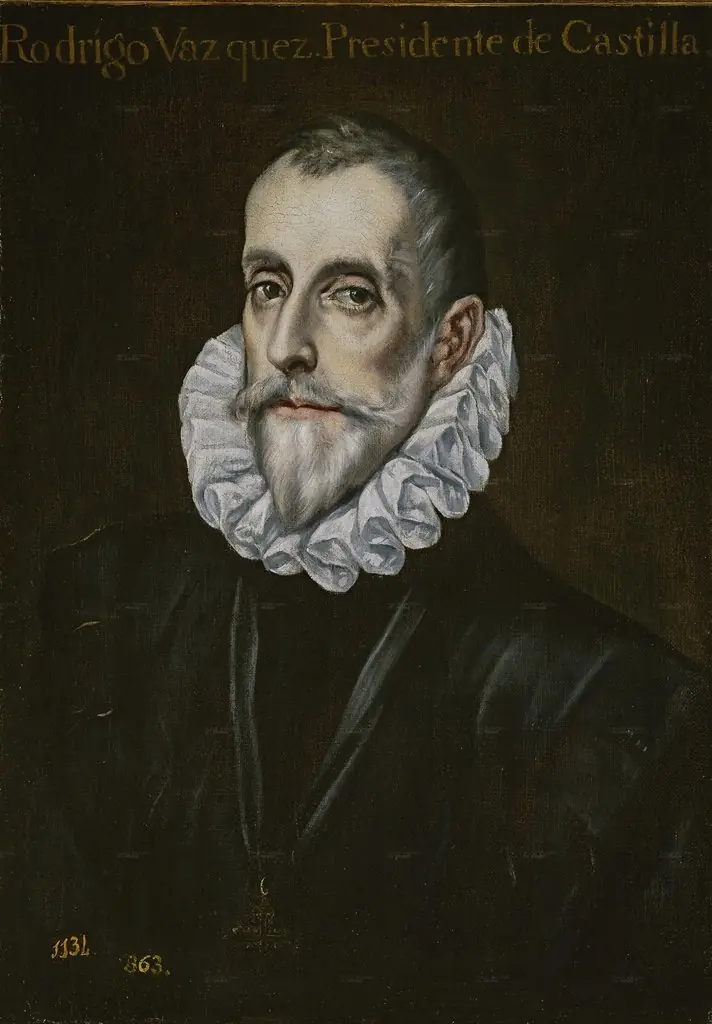 Portrait of Rodrigo Vázquez de Arce
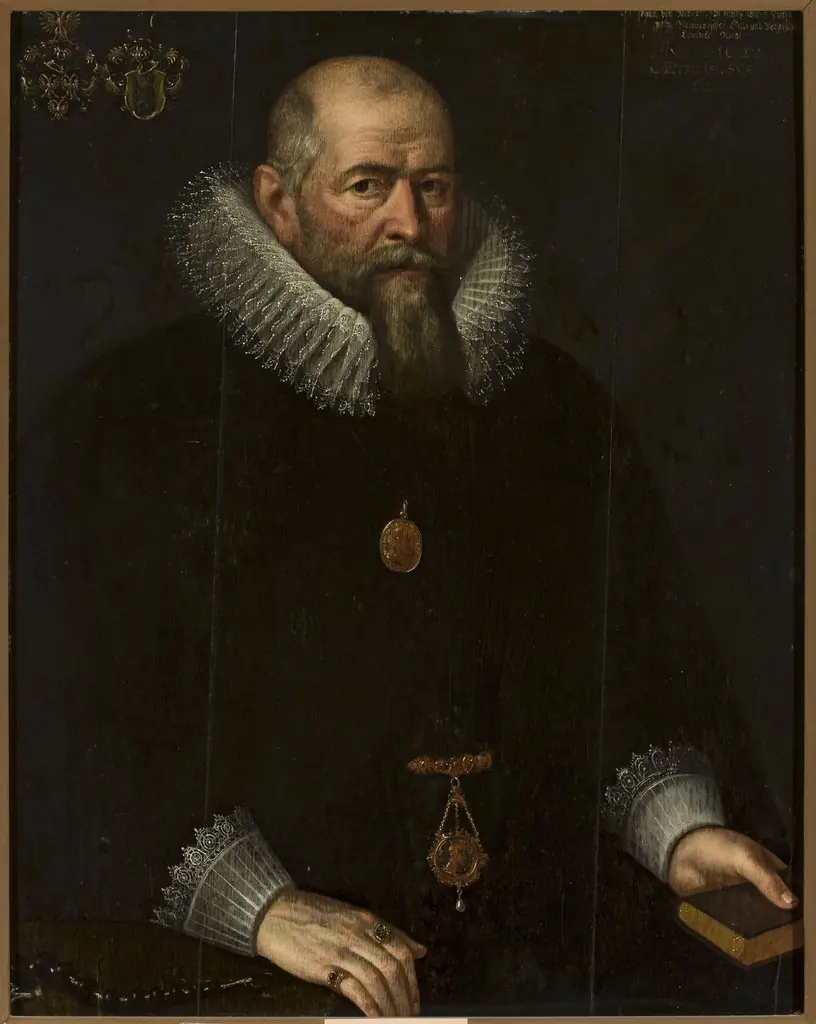 Portrait of Johan von Megen
 Bildnis eines Mannes
 Self-portrait
 Retrato de un caballero desconocido
 Portrait of Giorgio Vasari