Artwork
Loan Certificate
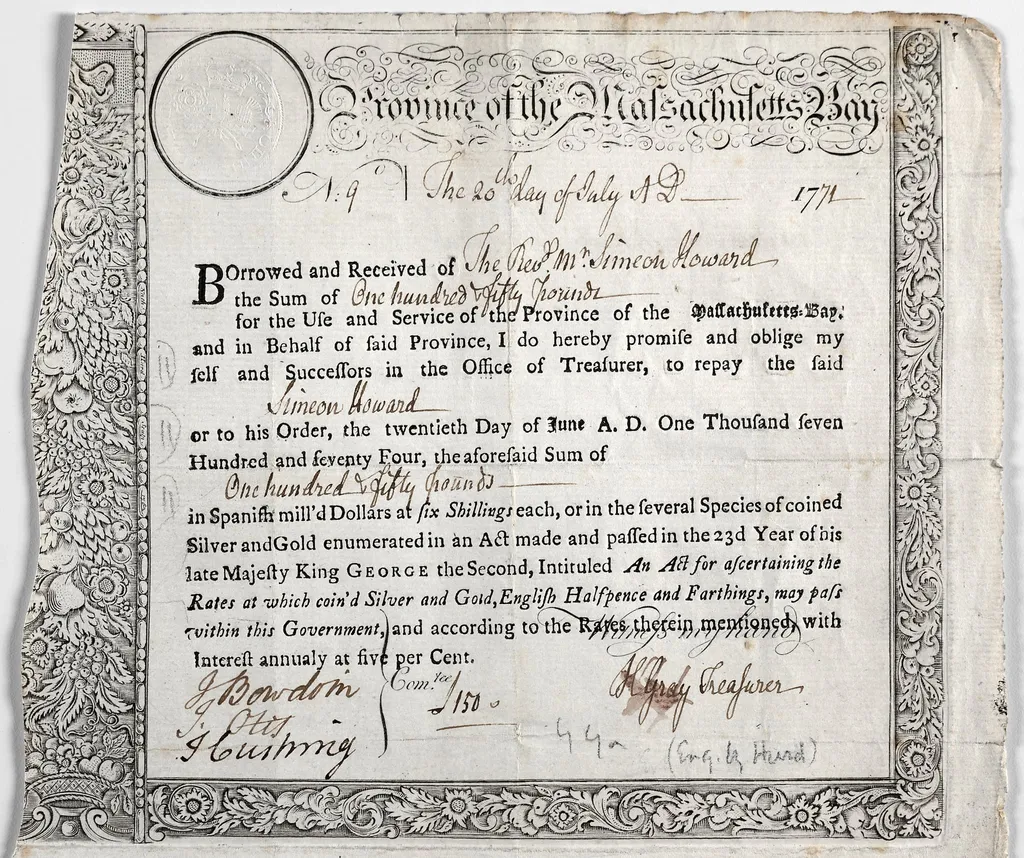
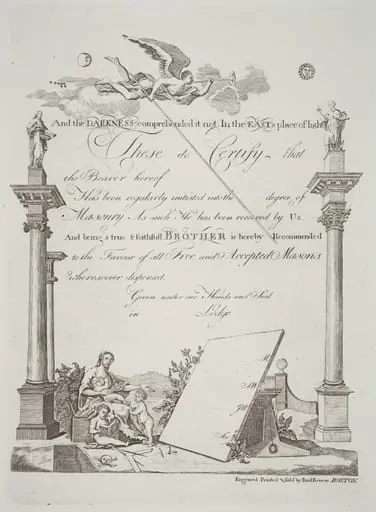
Loan Certificate is a print by Nathaniel Hurd. It dates from 1764 and is held in the collection of the Cleveland Museum of Art.
About this work
The document is a loan promise for 150 pounds, signed by someone named Simeon Howard.
This paper looks old and worn, with fancy swirls and lines around the edges. The center has handwritten text in a looped, old-fashioned style. It mentions money borrowed for the "Province of the Massachusetts Bay" in 1771.
The document is a loan promise for 150 pounds, signed by someone named Simeon Howard. The words are cramped but clear, and the paper has a yellowish tint.
Look up The Cleveland Museum of Art to see more like this.
Overview
Created around 1764, this printed document by Nathaniel Hurd functions as a formal loan certificate for the Province of the Massachusetts Bay. Though dated 1771 in its handwritten details, the design predates the transaction it records. The sheet bears ornamental borders of engraved swirls and lines, typical of colonial-era financial instruments, with the core text added by hand in a formal script. Its yellowed paper and worn edges reflect decades of handling and storage.
Subject & Meaning
The certificate certifies a loan of 150 pounds, issued to support provincial finances during a period of economic strain. Signed by Simeon Howard, a prominent Boston minister and civic figure, it reflects the intersection of religious authority and public finance in colonial governance. The document is not merely a financial tool but a symbol of institutional trust, binding individuals to communal fiscal responsibility under British colonial rule.
Technique & Style
Hurd employed engraved copperplate printing for the decorative frame and standard text, a common method for official documents of the time. The handwritten entries—amount, name, date—were added later in a dense, looping script typical of 18th-century clerical penmanship. The contrast between the precise engraved border and the fluid, cramped handwriting underscores the hybrid nature of the object: mass-produced yet individually customized.
History & Provenance
The certificate was issued in 1771, during heightened tensions preceding the American Revolution, when colonial governments frequently borrowed to cover expenses. It remained in circulation until at least the early 19th century, as evidenced by its condition. Acquired by The Cleveland Museum of Art, it is one of the few surviving examples of Hurd’s work in this genre, offering rare insight into colonial administrative practices.
Context
In mid-18th century Massachusetts, printed certificates like this were essential for managing public debt without a centralized banking system. They relied on personal reputation and community standing—hence the involvement of figures like Howard, whose authority lent credibility. Similar documents were used across the colonies, but few survive in such complete form, making this a tangible artifact of pre-revolutionary fiscal culture.
Legacy
As a surviving example of Nathaniel Hurd’s printmaking beyond portraiture, this certificate illustrates the broader role of engravers in colonial administration. It preserves the visual language of institutional legitimacy in early America and serves as a primary source for understanding how financial trust was visually constructed before modern banking. Its preservation allows ongoing study of material culture in revolutionary-era society.
Artist & collection

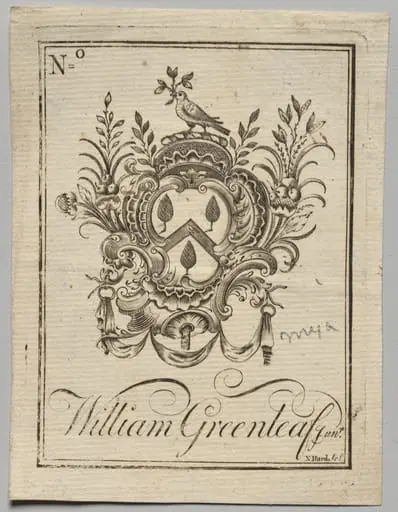 Bookplate: Coat of Arms with William Greenleaf Jun.r inscribed
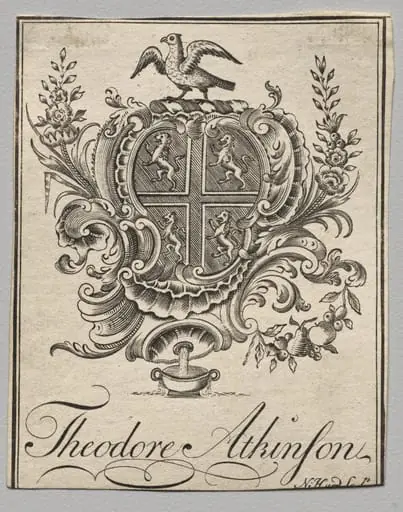 Bookplate: Coat of Arms with Theodore Atkinson inscribed
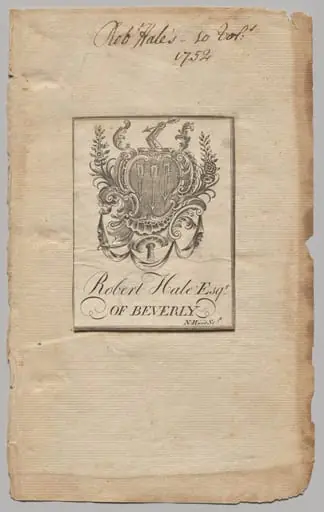 Bookplate: Coat of Arms with Robert Hale, Esq. inscribed
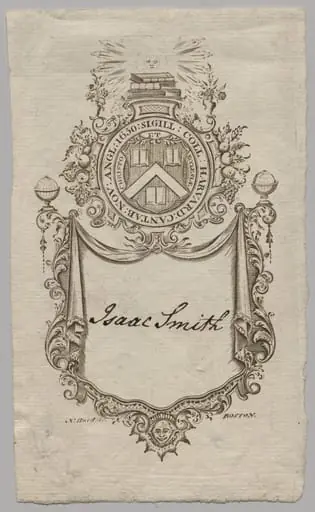 Bookplate: Coat of Arms with Isaac Smith inscribed
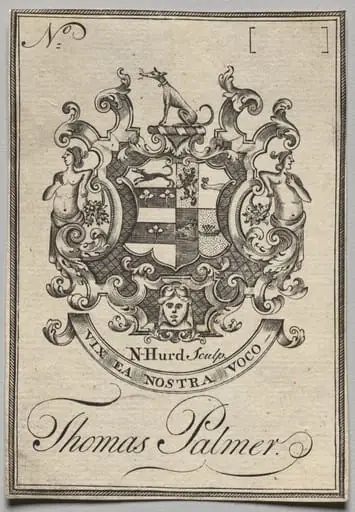 Bookplate: Coat of Arms with Thomas Palmer inscribed
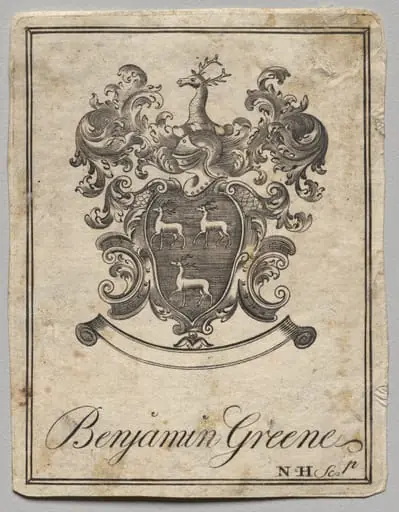 Bookplate: Coat of Arms with Benjamin Greene inscribed
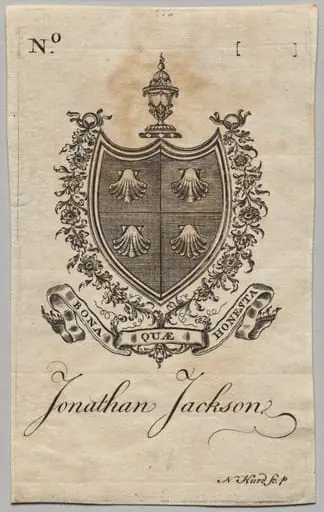 Bookplate: Coat of Arms with Jonathan Jackson inscribed
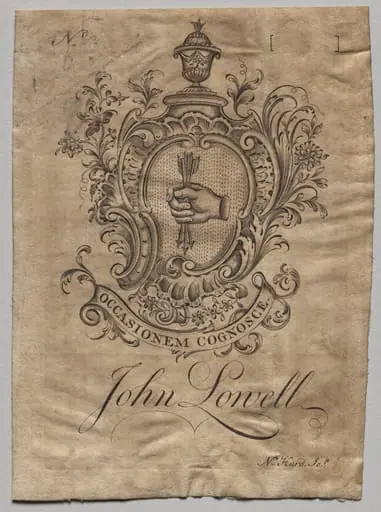 Bookplate: Coat of Arms with John Lowell inscribed
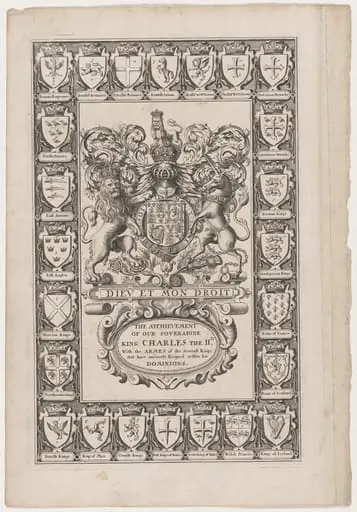 Title Page for the Achievement of Our Sovereign King Charles the Second
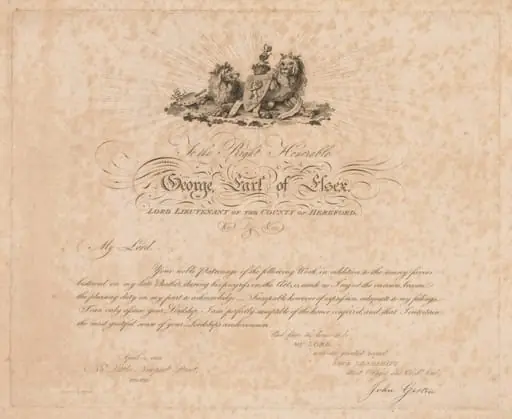 A Selection of Twenty of the Most Picturesque Views in Paris, and its Environs: Dedication Page
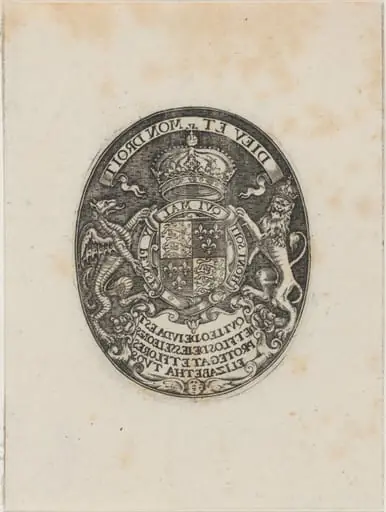 Shield of Queen Elizabeth
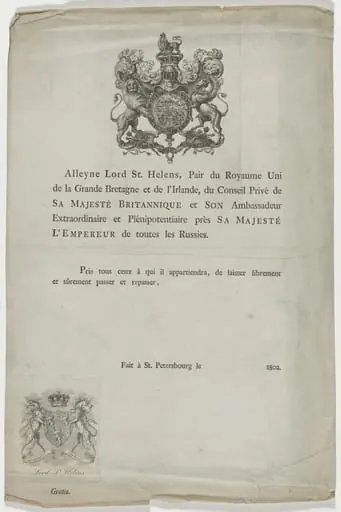 Title Page of Book by Alleyne, Lord St. Helens
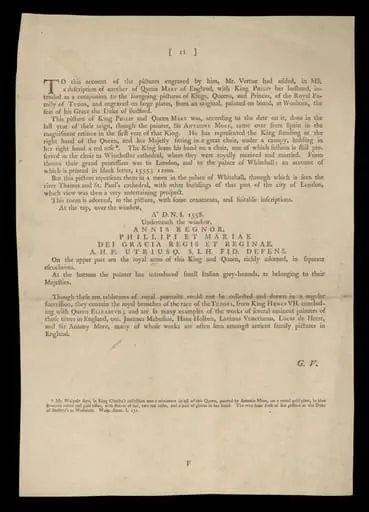 H Beard Print Collection
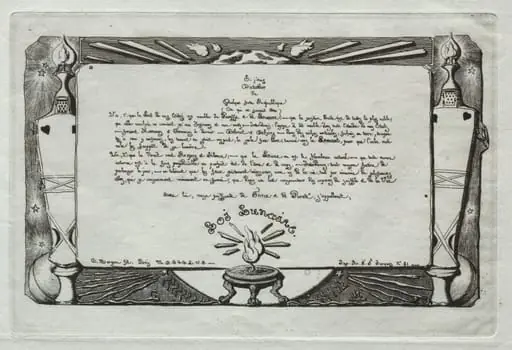 La Loi Lunaire
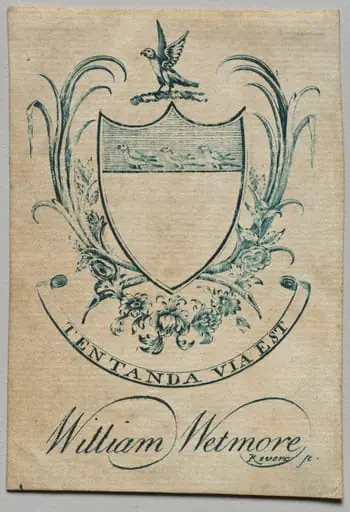 Bookplate: Coat of Arms with William Wetmore inscribed below
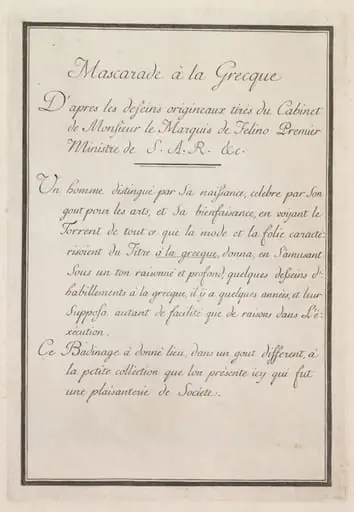 Mascarade à la Grecque: Title Page, Plate 1
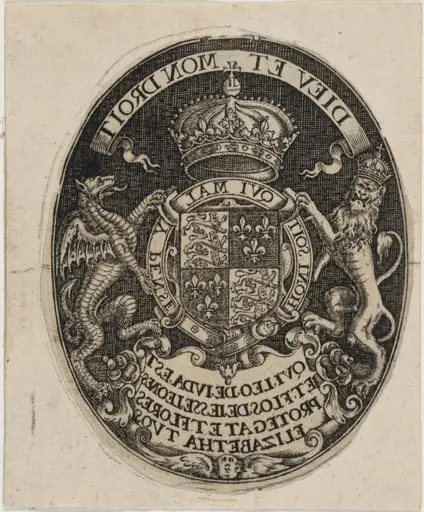 Shield of Queen Elizabeth
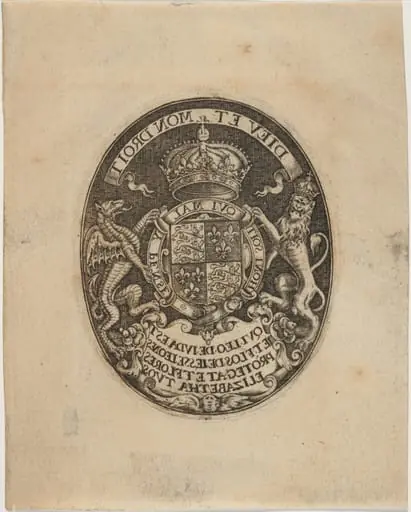 Shield of Queen Elizabeth
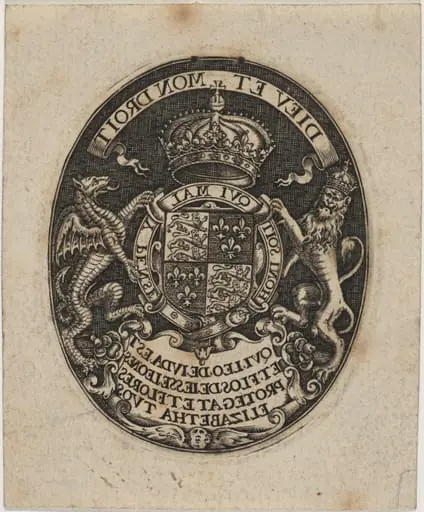 Shield of Queen Elizabeth
 Masonic Certificate