Artwork
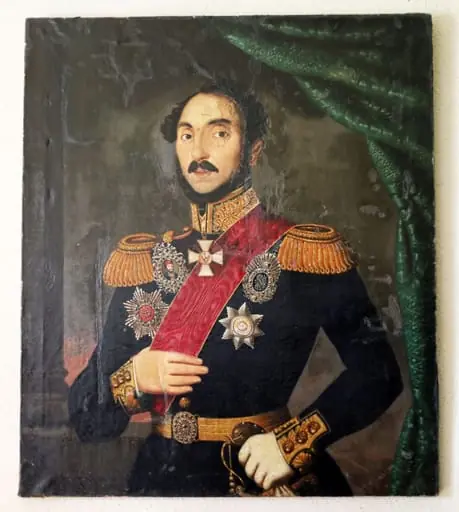
Ofițerul Serrurie
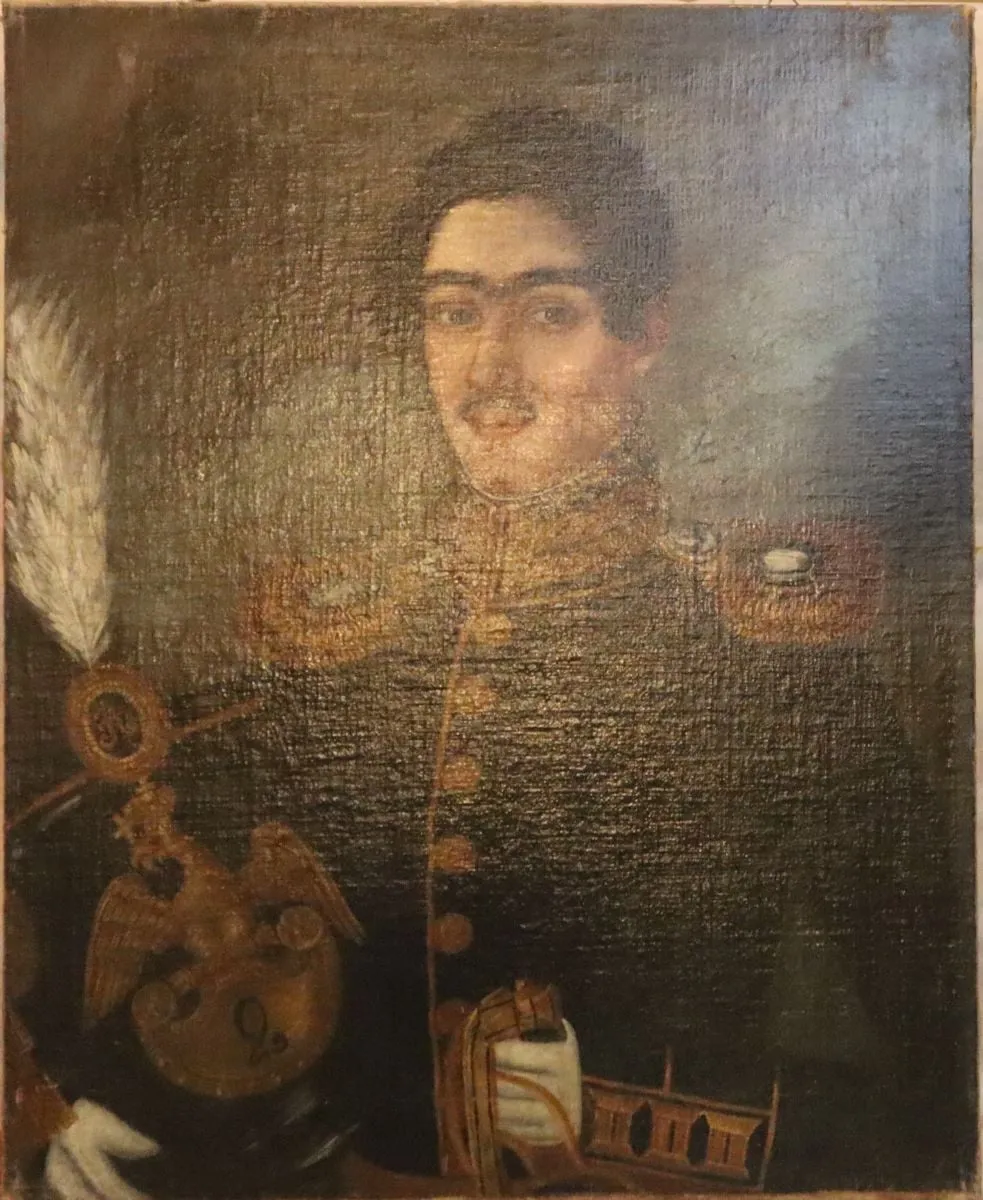
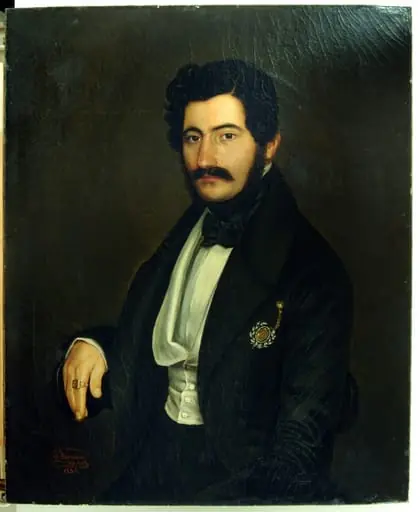
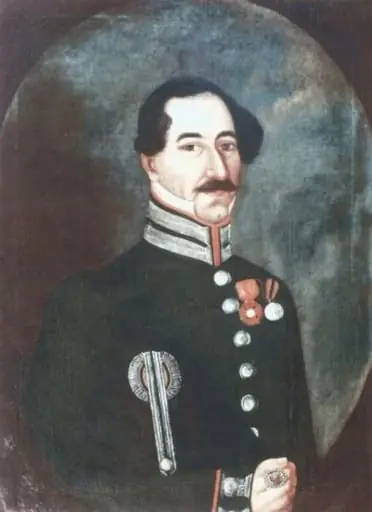
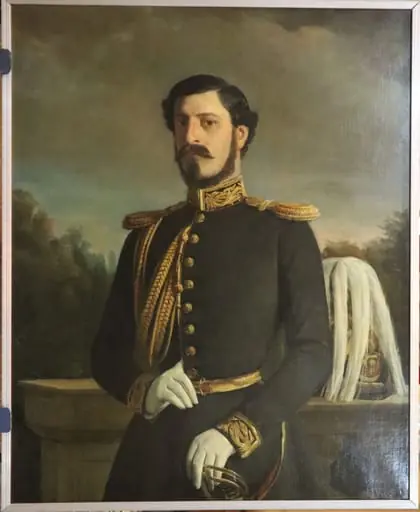
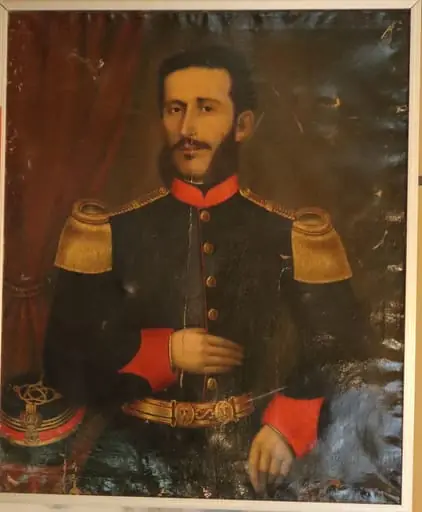
Ofițerul Serrurie is a print by Ion Negulici. It is held in the collection of the King Ferdinand I National Military Museum. This portrait depicts a man in a dimly lit interior, rendered with strong contrasts between light and shadow.
About this work
Overview
This portrait depicts a man in a dimly lit interior, rendered with strong contrasts between light and shadow.
This portrait depicts a man in a dimly lit interior, rendered with strong contrasts between light and shadow. The figure is dressed in a dark, fur-lined coat with a feathered hat, positioned against an ambiguous background that suggests architectural elements and furnishings. The composition focuses intensely on the subject’s face, illuminated by a single directional light source that enhances three-dimensionality and emotional presence.
Subject & Meaning
The identity of the man is not recorded, but his attire suggests military or civic status, possibly French or Dutch in origin. The fur trim and feathered hat imply rank or refinement, while the somber setting and restrained expression convey solemnity rather than grandeur. The inclusion of a distant architectural model may hint at civic duty or personal interest in construction, though its precise significance remains unclear.
Technique & Style
The artist employs chiaroscuro to model the figure’s form, using sharp transitions between light and deep shadow to create volume and focus. Textures are suggested through brushwork—rough fur, smooth skin, and indistinct background elements are rendered with varying density. The lighting isolates the face, drawing attention to subtle facial details while leaving the surroundings in near obscurity, a hallmark of 17th-century portraiture influenced by Caravaggisti traditions.
History & Provenance
The painting’s origin and early ownership are undocumented. It entered institutional collections in the 20th century, likely through private acquisition or bequest. No exhibition history or artist attribution has been firmly established, though stylistic elements align with Northern European portraiture of the late 1600s. Its survival suggests it was valued as a private commission, though its full provenance remains incomplete.
Context
Created during a period when portraiture emphasized individual character over idealization, this work reflects broader trends in Northern Europe where quiet dignity and psychological depth were prized. The use of chiaroscuro, though rooted in Italian painting, was widely adopted by Dutch and French artists to convey realism and emotional gravity. Such portraits often served as markers of social standing in a growing merchant and officer class.
Legacy
Though not attributed to a major named artist, the painting exemplifies the quiet sophistication of lesser-known portraitists working in the wake of Rembrandt and Hals. Its restrained composition and mastery of light continue to be studied as examples of how subtle lighting can elevate a simple figure into a compelling psychological study. It contributes to the broader understanding of non-royal portraiture in early modern Europe.
Artist & collection
Artist
Ion Negulici was the kind of artist who kept one foot in the drawing room and the other in the street, sketching politicians and soldiers when they weren’t looking.
Museum
King Ferdinand I National Military Museum
Continue through works from the same source collection.
 Căpitanul Vilhelm Theodor
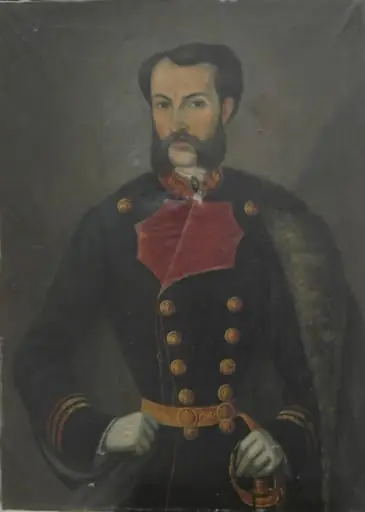 Radu Fărcășanu
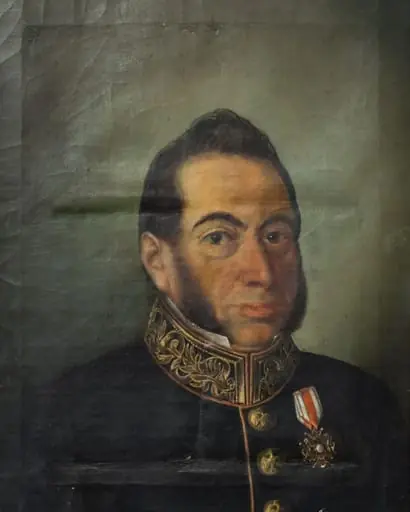 Portret (de) militar
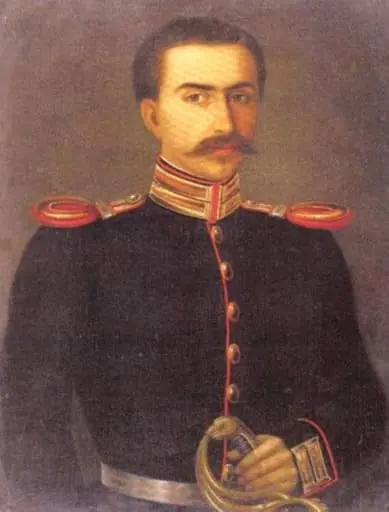 G.I. Manu
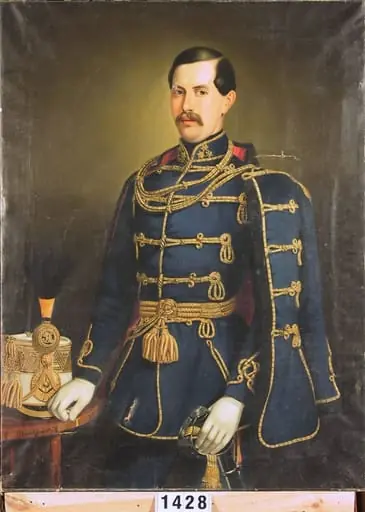 Căpitanul Carl Ehrenreich Hartmayer, auditor al Regimentului chezaro-crăiesc de husari nr. 2 (în registrul inventar: C. E. Hartmayer)
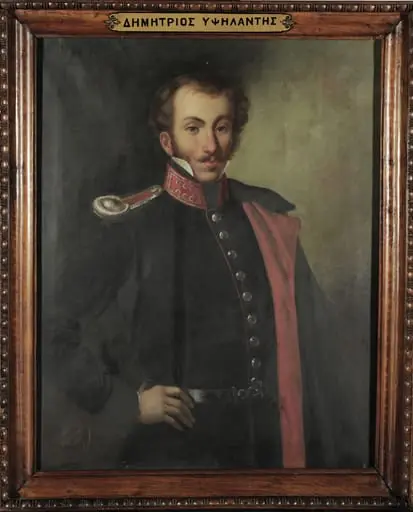 Προσωπογραφία του Δημητρίου Υψηλάντη
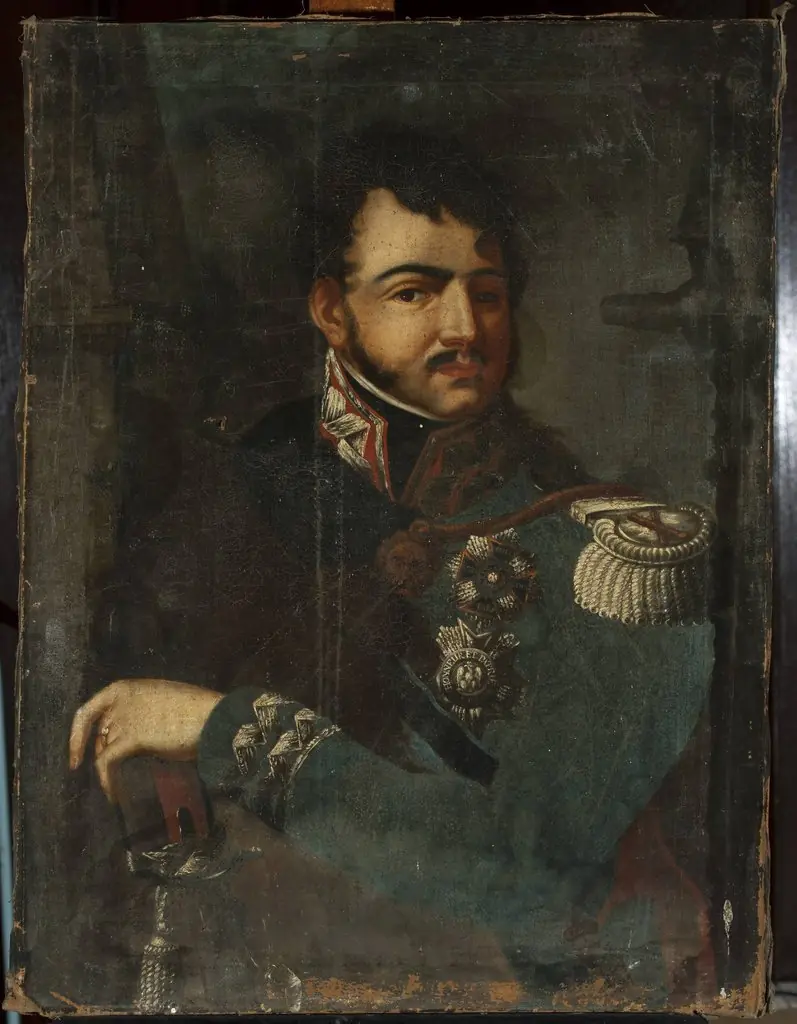 Portrait of Prince Józef Poniatowski
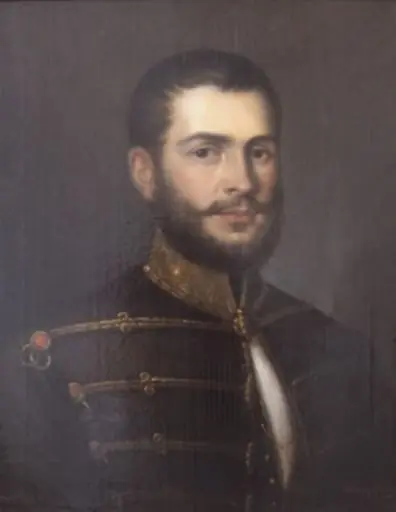 Colonelul Asztalos Sandor
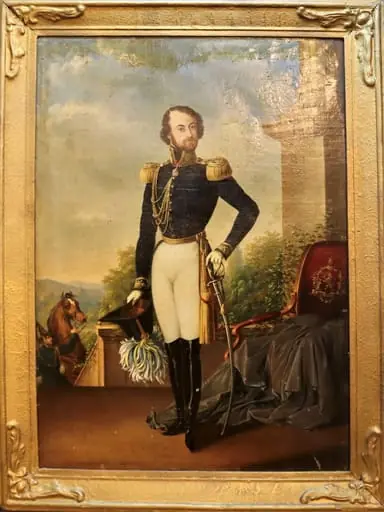 Nicolae Golescu
 Domnitorul Gheorghe Bibescu