Artwork
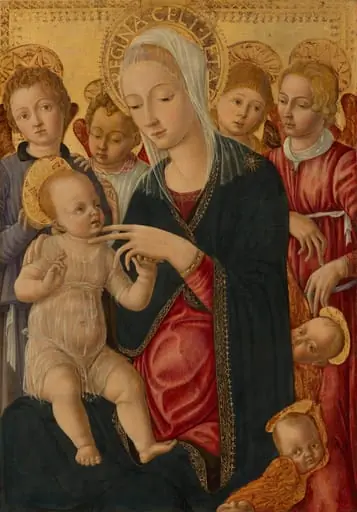
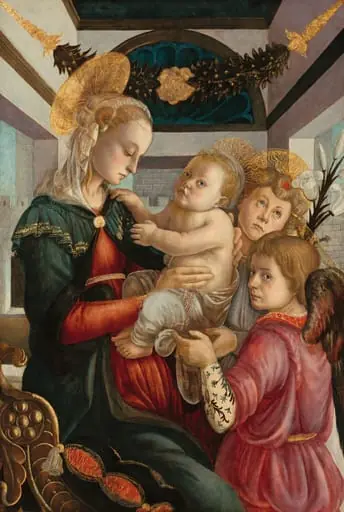
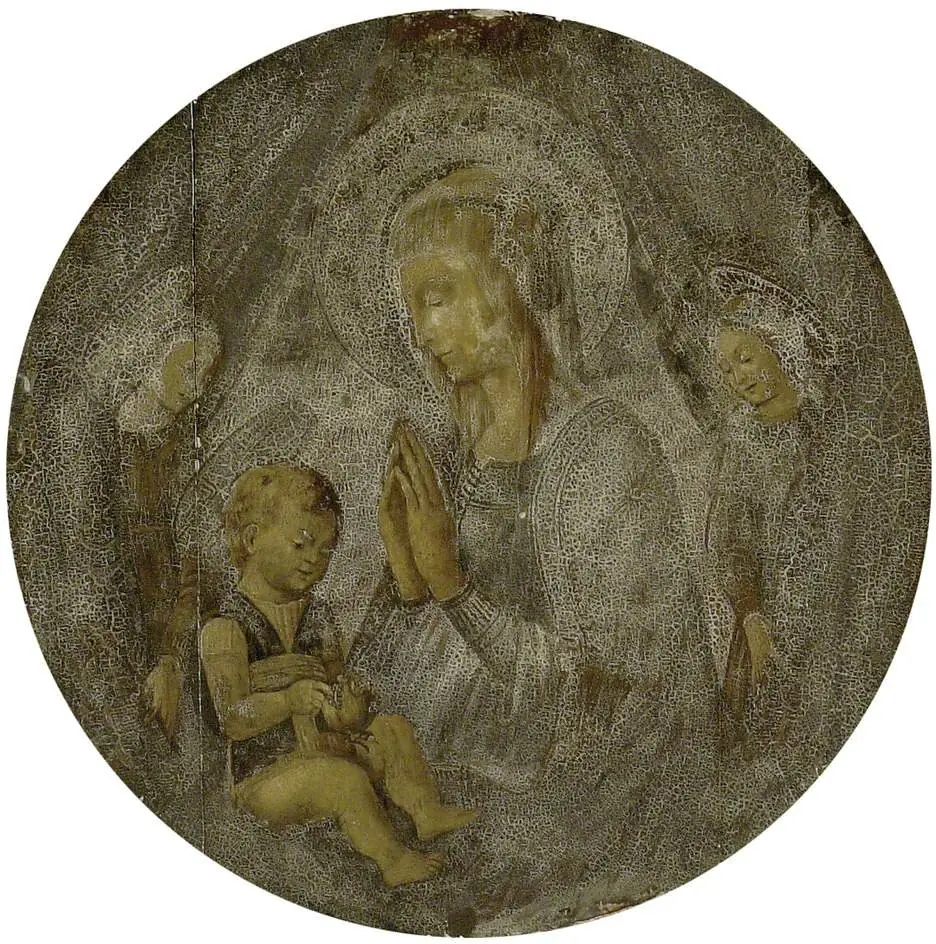
Virgin and Child with Angels
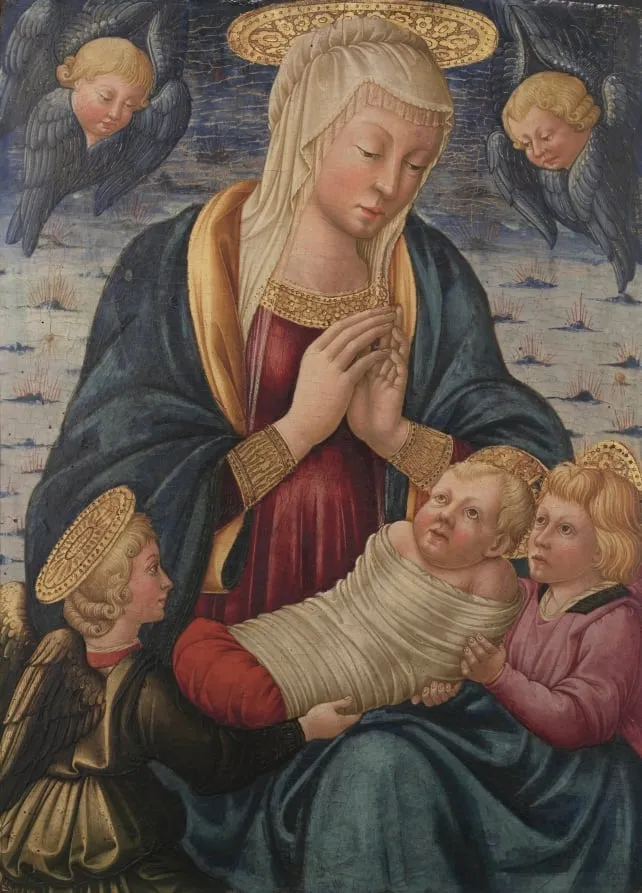
Virgin and Child with Angels is an unspecified painting by the Early Renaissance artist Neri di Bicci. It dates from 1460 and is held in the collection of the Cleveland Museum of Art.
About this work
You see Mary holding baby Jesus, surrounded by small angels with halos.
This painting is one of hundreds Neri di Bicci made for churches in Florence. His shop kept a ledger—how much gold leaf, how many days of work, how much the client paid. Those notes still exist, so we know exactly what a 1400s altarpiece cost.
To see how other artists painted the same scene, look up *Italy, 15th century*.
Overview
Neri di Bicci was a Florentine panel painter active in the mid-15th century, known for producing numerous religious works for local churches.
Neri di Bicci was a Florentine panel painter active in the mid-15th century, known for producing numerous religious works for local churches. He inherited his trade from his grandfather, Lorenzo di Bicci, and operated a workshop that met the high demand for devotional imagery. His meticulous records, preserved at the Uffizi, offer rare insight into the economic and logistical aspects of painting during this period.
Subject & Meaning
The painting depicts the Virgin Mary cradling the infant Jesus, flanked by small angels wearing halos. This composition reflects a common devotional theme in Renaissance Florence, intended to inspire contemplation and reverence. The presence of angels underscores the sacred nature of the scene, reinforcing Mary’s role as the Mother of God and the divine presence surrounding Christ.
Technique & Style
Neri employed traditional tempera and gold leaf on wood panel, following established conventions of Florentine panel painting. His style is characterized by clear outlines, flattened spatial depth, and decorative detail rather than naturalistic innovation. The angels are rendered with delicate precision, their halos and robes adding rhythmic order to the composition, typical of workshop production at the time.
History & Provenance
The painting was created for a church altarpiece in Florence, likely commissioned by a local patron or religious institution. Neri’s workshop kept detailed ledgers documenting materials used, labor hours, and payments received—records now held in the Uffizi Library. These documents confirm the painting’s origin and the standardized processes behind its creation.
Context
In 15th-century Florence, religious imagery was central to civic and spiritual life. Artists like Neri di Bicci operated within a structured workshop system, producing consistent, affordable devotional panels for widespread use. While contemporaries such as Fra Angelico pursued greater naturalism, Neri’s work represents the enduring appeal of traditional forms in local ecclesiastical settings.
Legacy
Neri di Bicci’s preserved ledgers provide one of the most complete economic records of a medieval artist’s practice. His output, though stylistically conservative, illustrates the scale and organization of religious art production in Renaissance Florence. His work remains a key reference for understanding how devotional images were commissioned, made, and valued in their time.
Artist & collection
Artist
Neri di Bicci (1419–1491) was an Italian painter active in his native Florence. A prolific painter of mainly religious themes, he studied under his father, Bicci di Lorenzo, who had in turn studied under his father,…

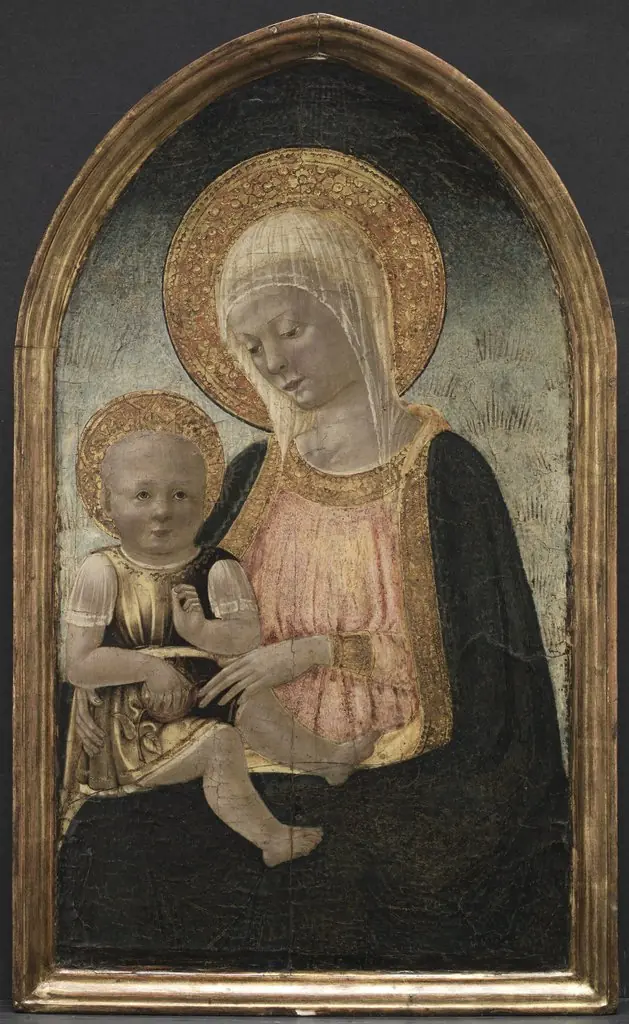 Virgin and Child
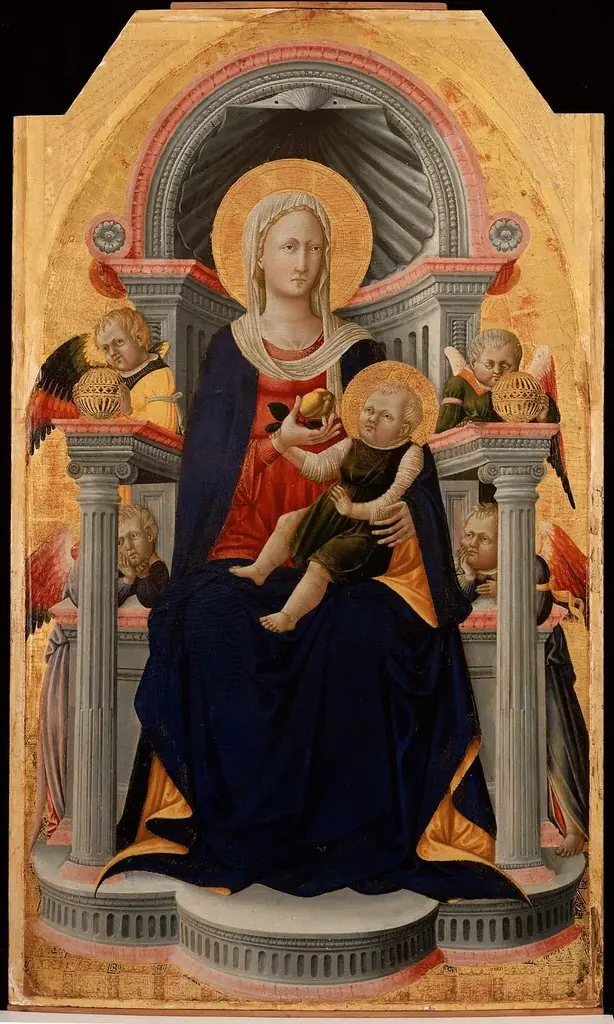 Virgin and Child Enthroned with Four Angels
 Saint Lawrence, Saint Michael and the Dragon, the Dormitio Virginis and the Martyrdom of Saint Catherine
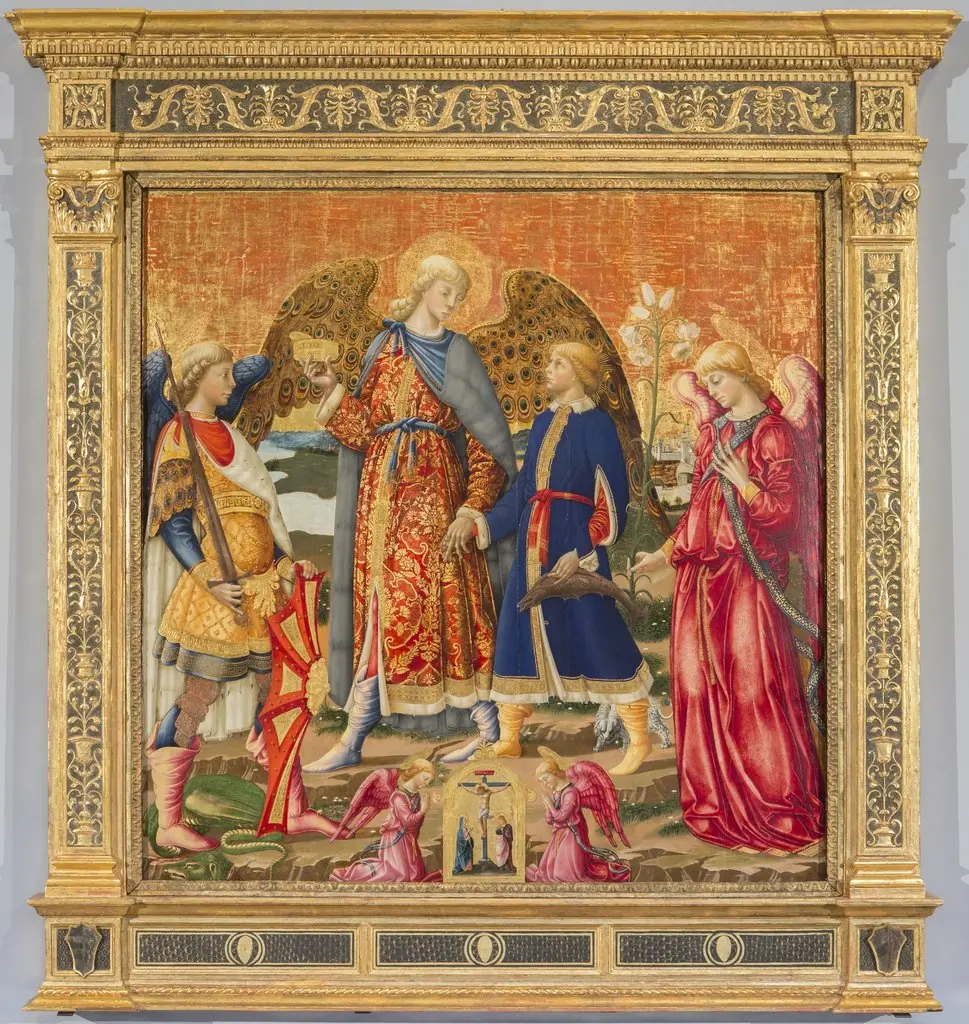 Tobias and Three Archangels
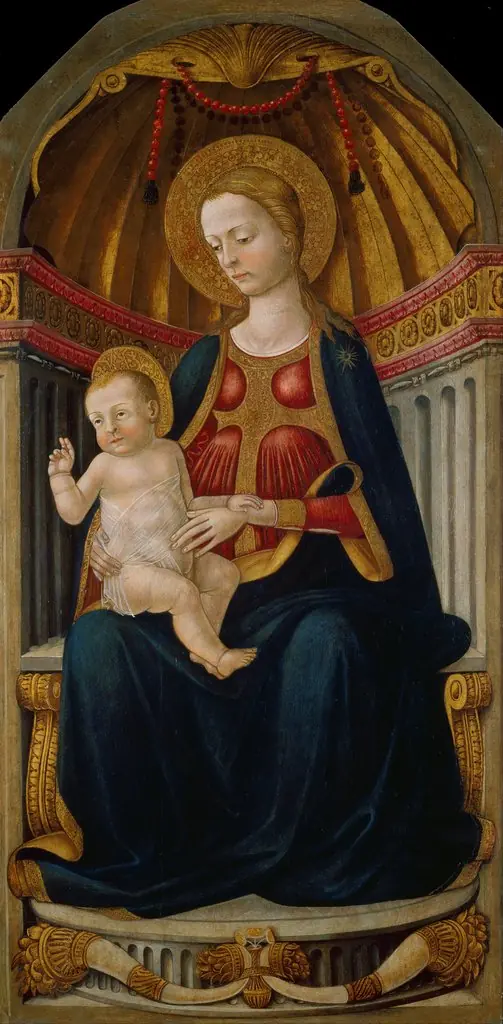 Virgin and Child on the Throne
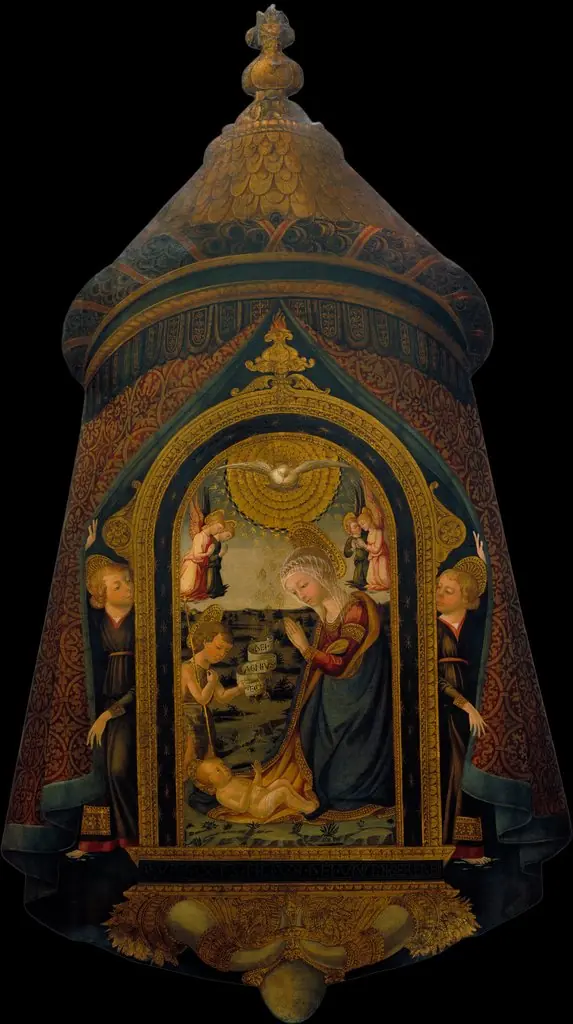 Processional Standard with the Adoration of the Child by the Virgin, Saint John Baptist and Angels
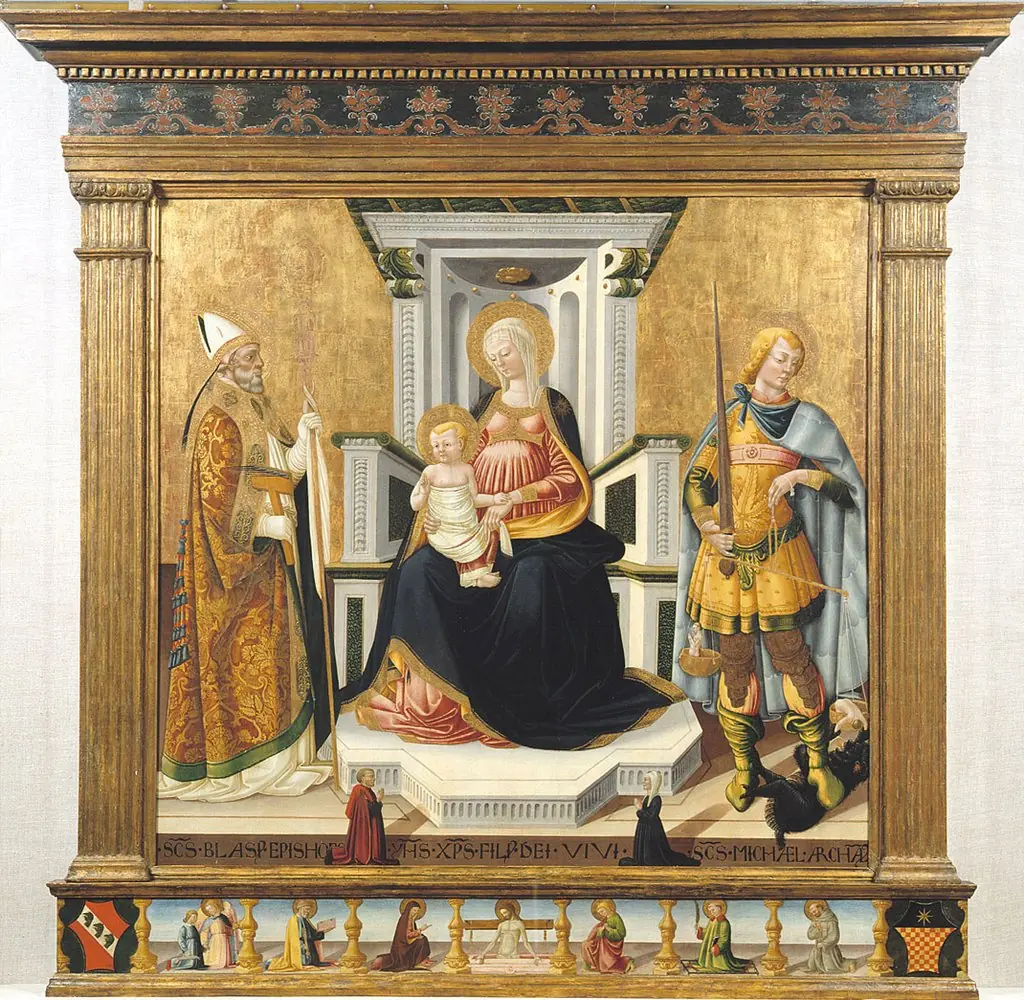 Madonna and Child with Two Saints (Bicci)
 The Virgin and Child with two Angels