Artwork
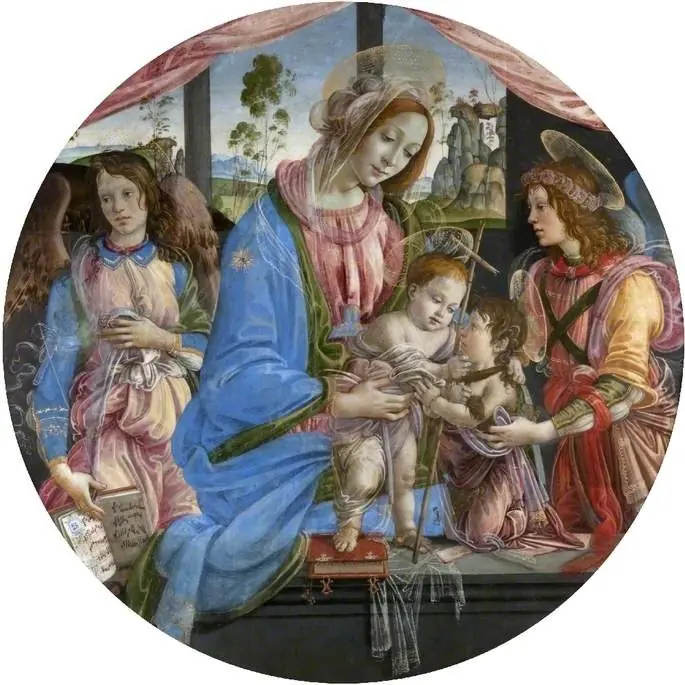
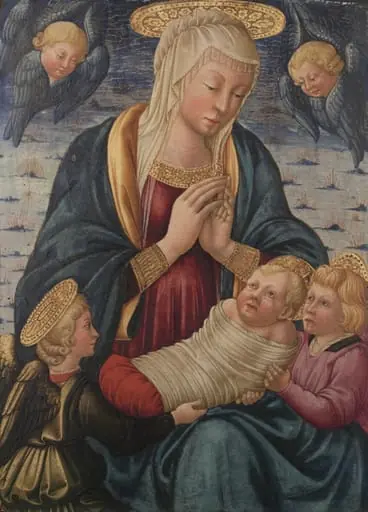
The Virgin and Child with two Angels
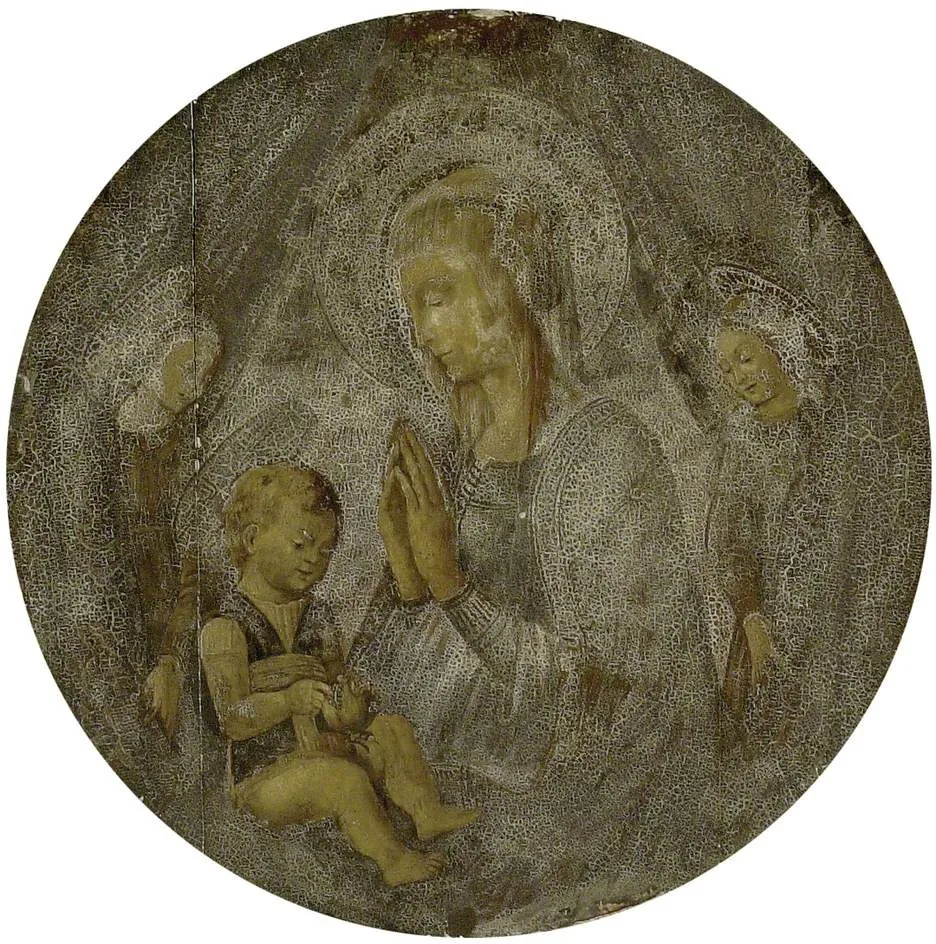
The Virgin and Child with two Angels is a tempera painting by the Early Renaissance artist Neri di Bicci. It dates from 1465 and is held in the collection of the Ashmolean Museum.
About this work
Overview
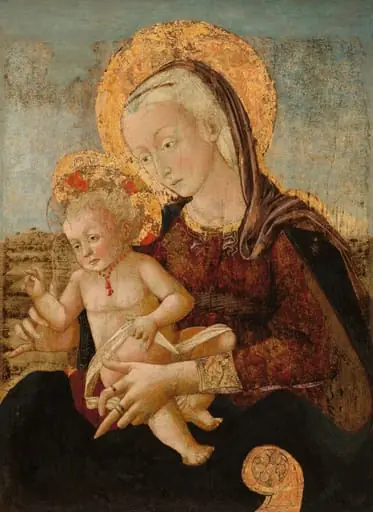
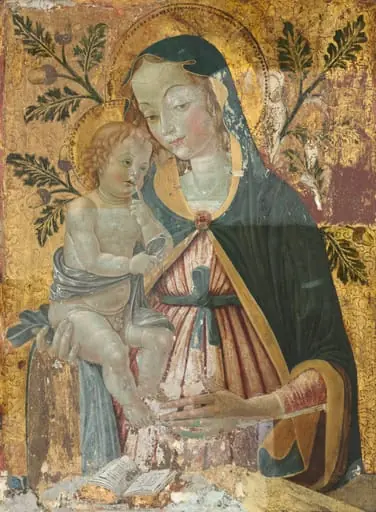
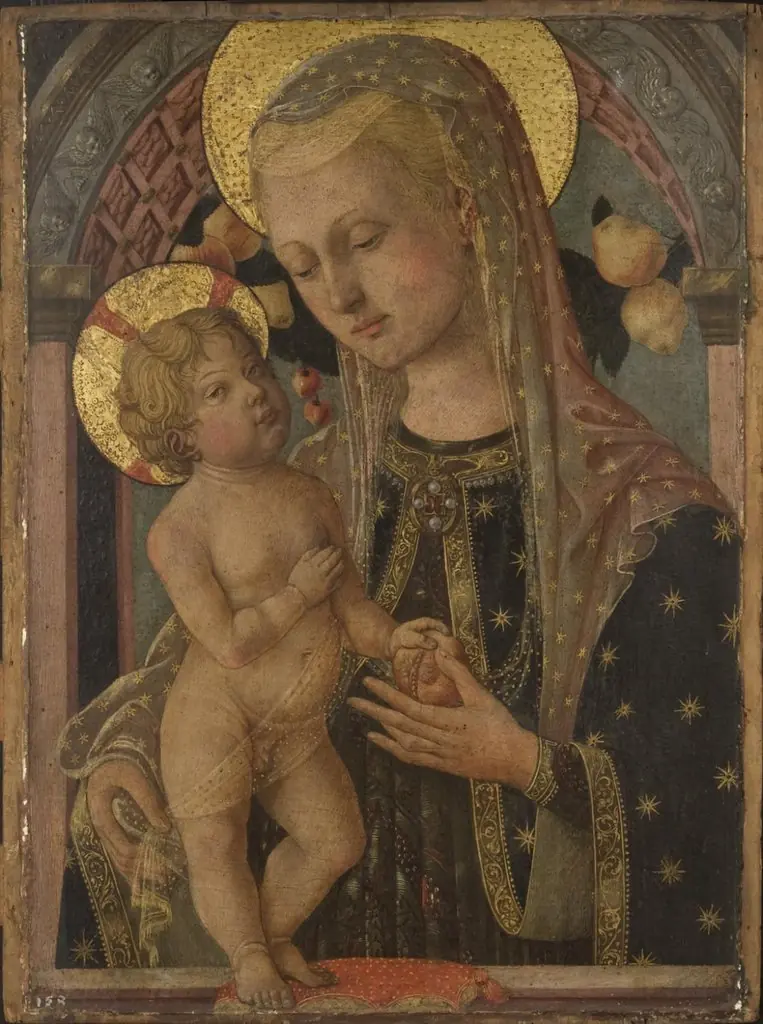
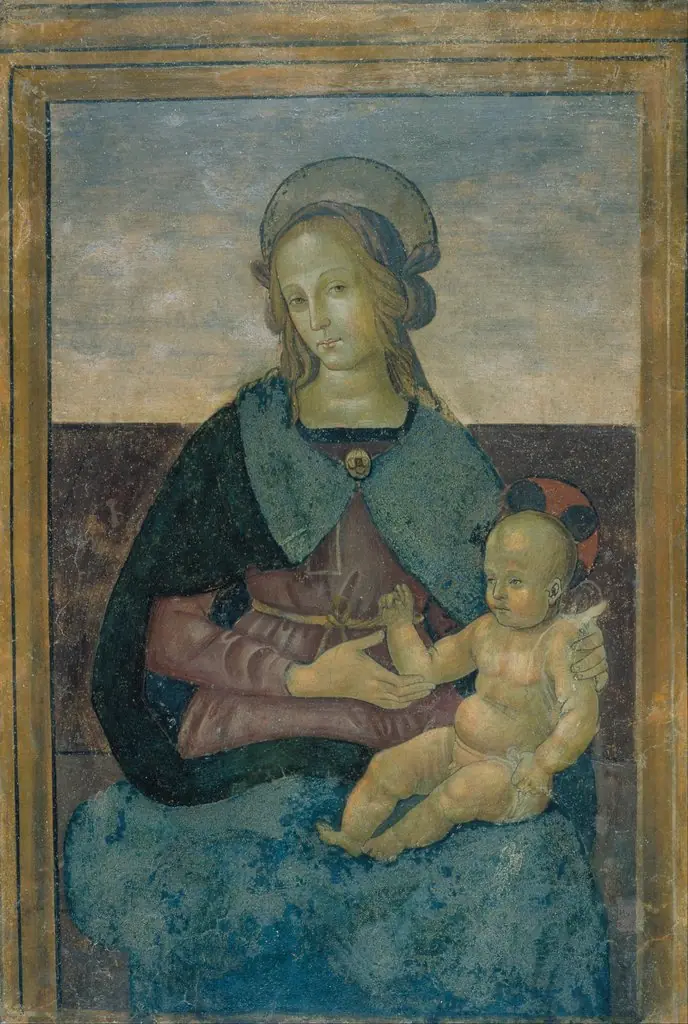
Created circa 1465 by Florentine painter Neri di Bicci, this tempera panel presents the Virgin Mary with the infant Christ, accompanied by two attendant angels. The work exemplifies the devotional imagery typical of the early Renaissance and is presently conserved in the Ashmolean Museum’s collection.
Subject & Meaning
The composition centers on Mary in a prayerful gesture, her hands joined, while the child Jesus rests on her lap. Flanking them, two angels offer a gentle, protective presence, reinforcing themes of divine intercession and maternal devotion that were central to 15th‑century religious art.
Technique & Style
Executed in egg tempera, the painting displays the medium’s characteristic fine, layered brushwork, which yields a luminous surface and subtle modeling of forms. Neri di Bicci’s handling reflects the transitional aesthetics of the period, balancing linear clarity with a modest sense of spatial depth.
History & Provenance
After remaining in private or ecclesiastical hands for several centuries, the panel entered the Ashmolean Museum’s holdings, where it has been displayed as part of the institution’s representation of early Italian Renaissance painting. Its attribution to Neri di Bicci is supported by stylistic analysis and documentary records linking the work to his workshop.
Artist & collection
Artist
Neri di Bicci (1419–1491) was an Italian painter active in his native Florence. A prolific painter of mainly religious themes, he studied under his father, Bicci di Lorenzo, who had in turn studied under his father,…

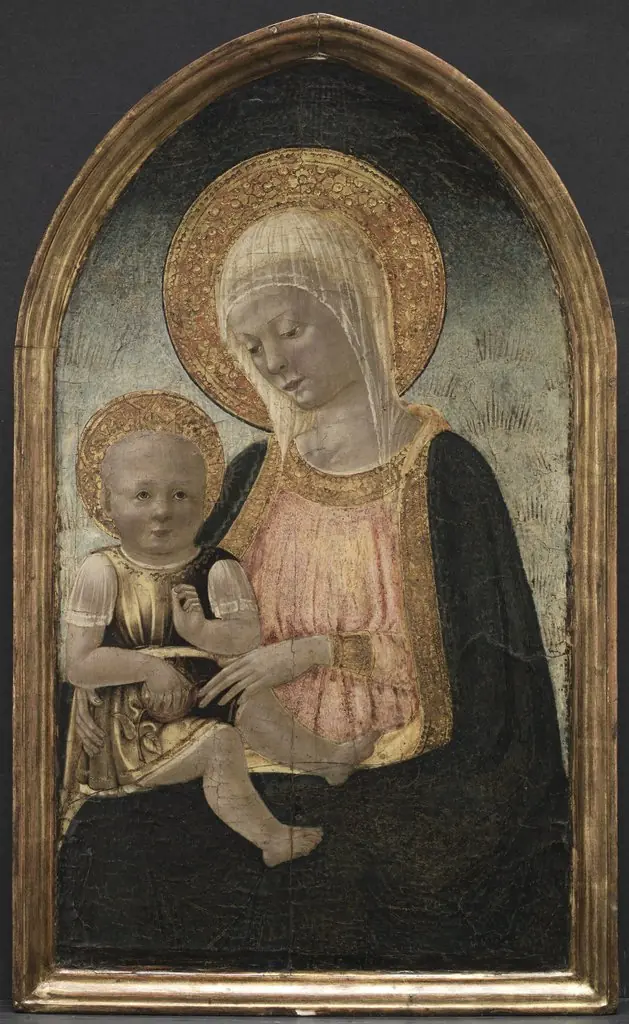 Virgin and Child
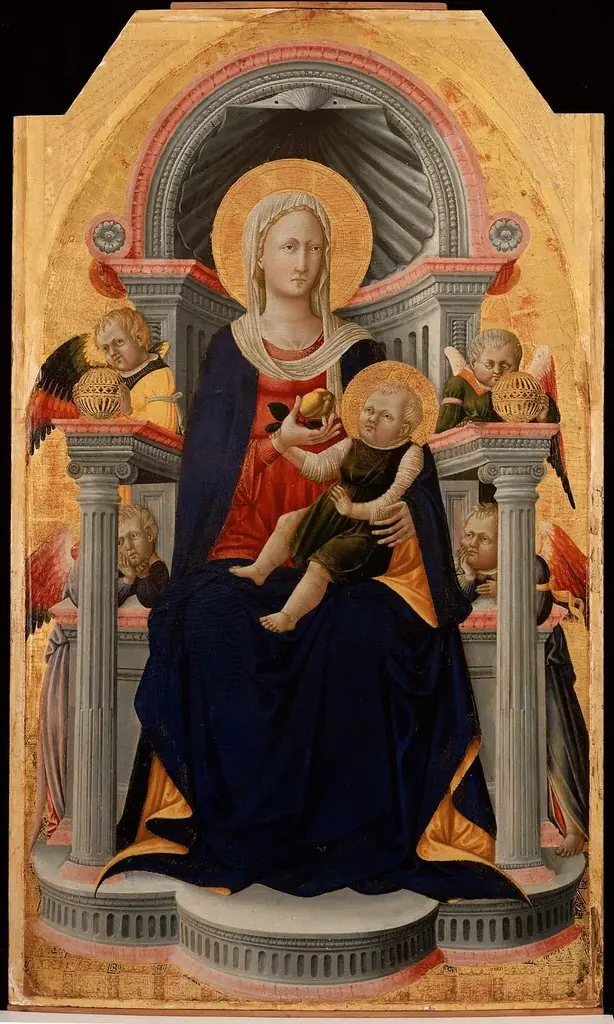 Virgin and Child Enthroned with Four Angels
 Saint Lawrence, Saint Michael and the Dragon, the Dormitio Virginis and the Martyrdom of Saint Catherine
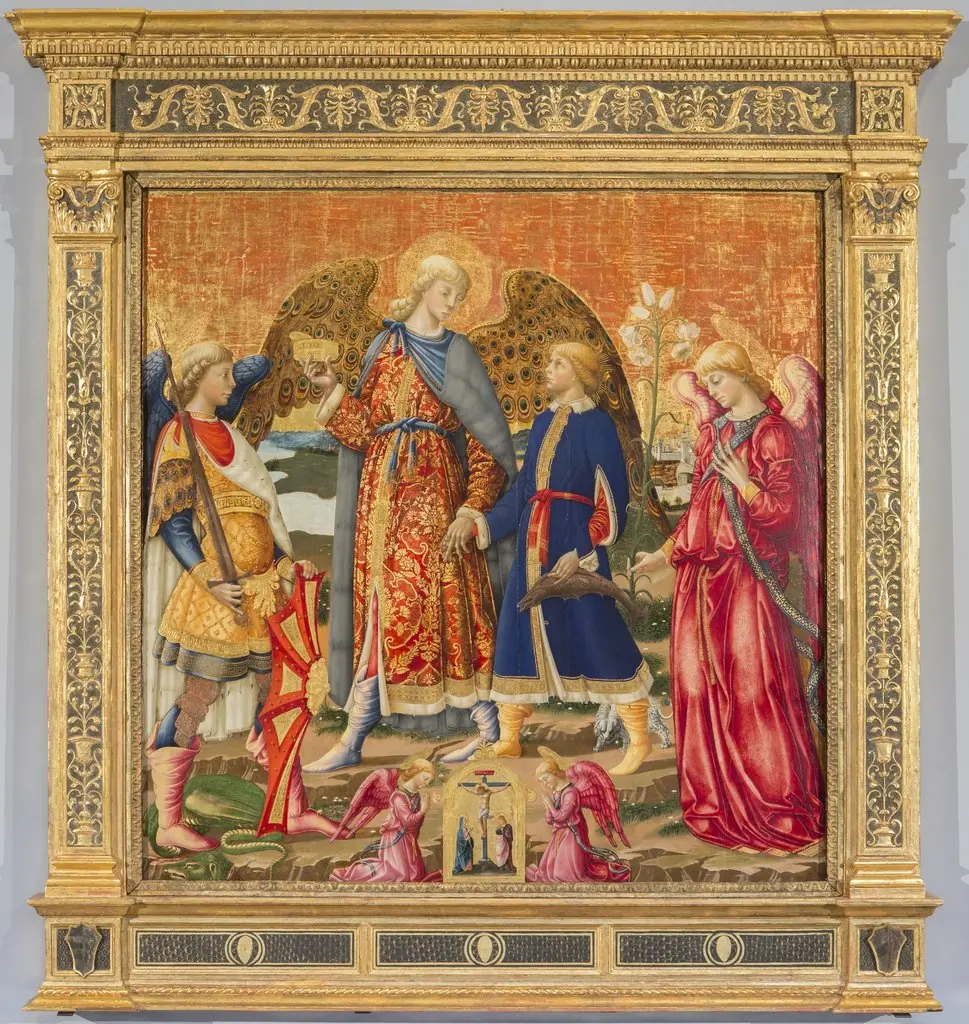 Tobias and Three Archangels
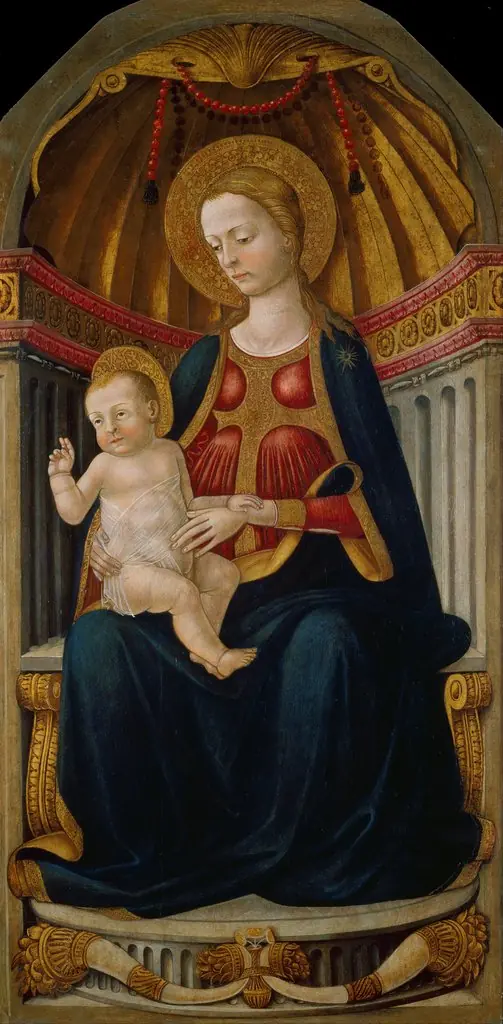 Virgin and Child on the Throne
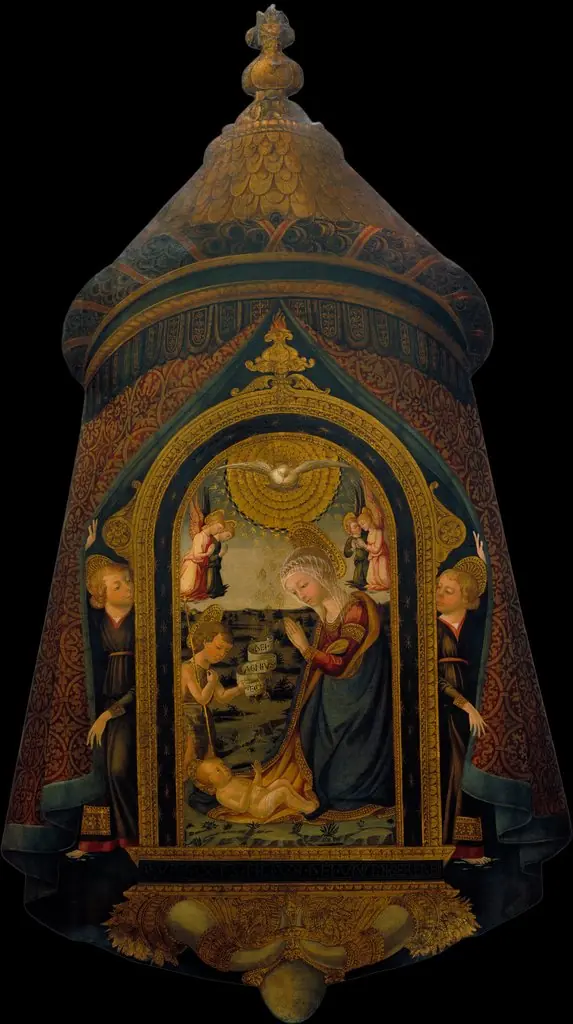 Processional Standard with the Adoration of the Child by the Virgin, Saint John Baptist and Angels
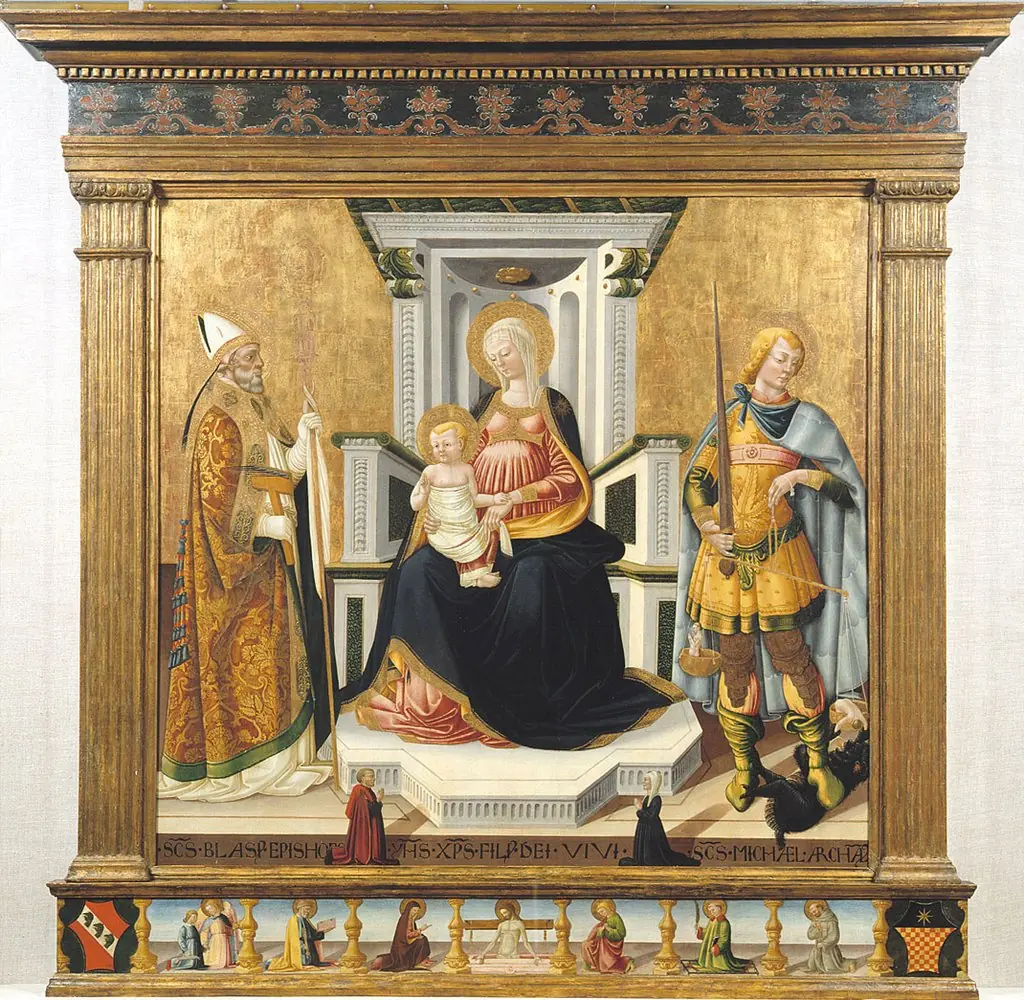 Madonna and Child with Two Saints (Bicci)
 Virgin and Child with Angels