Artwork
Saint Lawrence, Saint Michael and the Dragon, the Dormitio Virginis and the Martyrdom of Saint Catherine

Saint Lawrence, Saint Michael and the Dragon, the Dormitio Virginis and the Martyrdom of Saint Catherine is an unspecified painting by the Early Renaissance artist Neri di Bicci. It dates from 1489 and is held in the collection of the Museu Nacional d'Art de Catalunya.
About this work
Overview
The painting remains in the collection of the Museu Nacional d'Art de Catalunya, having likely traveled to Catalonia after its creation.
Painted in 1489 by Neri di Bicci, this multi-scene panel combines four distinct religious narratives into a single composition. Executed in tempera on wood, the work reflects the devotional priorities of late 15th-century Florence. Its compact format and narrative density align with the tradition of altarpieces designed for private or small-scale chapel use. The painting remains in the collection of the Museu Nacional d'Art de Catalunya, having likely traveled to Catalonia after its creation.
Subject & Meaning
The panel presents four episodes from hagiographic tradition: the martyrdom of Saint Catherine, the Dormition of the Virgin, Saint Michael’s battle with the dragon, and Saint Lawrence’s execution. Each scene functions as an independent devotional image, intended to inspire contemplation of faith, sacrifice, and divine intervention. The grouping reflects a common medieval practice of assembling multiple saints’ lives to reinforce theological themes of endurance and heavenly reward.
Technique & Style
Neri di Bicci employed tempera on wooden panel, using a restrained palette dominated by earth tones, muted greens, and gold leaf accents. Figures are arranged in shallow, compartmentalized spaces, with little attempt at spatial depth. Details such as textiles, weapons, and architectural elements are rendered with meticulous care, characteristic of Florentine workshop practices. The style remains rooted in the International Gothic tradition, even as early Renaissance naturalism emerged elsewhere.
History & Provenance
Commissioned during the final decade of Neri di Bicci’s career, the painting likely originated in a Florentine religious context, possibly for a family chapel or convent. Its presence in Catalonia by the 19th century suggests it was acquired through ecclesiastical or aristocratic channels, perhaps during periods of Spanish-Italian cultural exchange. The work remained largely undocumented until its inclusion in the Museu Nacional d'Art de Catalunya’s collection in the 20th century.
Context
Neri di Bicci operated within a family workshop that spanned three generations, maintaining conservative techniques amid the rapid stylistic shifts of the Renaissance. His patrons favored traditional iconography over innovation, reflecting broader regional tastes in Tuscany. This panel exemplifies the enduring appeal of multi-scene altarpieces in devotional settings, even as artists like Ghirlandaio and Botticelli embraced perspective and humanist ideals.
Legacy
Though Neri di Bicci is not regarded as a revolutionary figure, his extensive output—over 500 documented works—offers insight into the daily practice of Renaissance workshop production. This panel survives as a representative example of how religious narratives were visually codified for private devotion. Its preservation allows scholars to study the persistence of Gothic conventions in Florentine art well into the late 15th century.
Artist & collection
Artist
Neri di Bicci (1419–1491) was an Italian painter active in his native Florence. A prolific painter of mainly religious themes, he studied under his father, Bicci di Lorenzo, who had in turn studied under his father,…

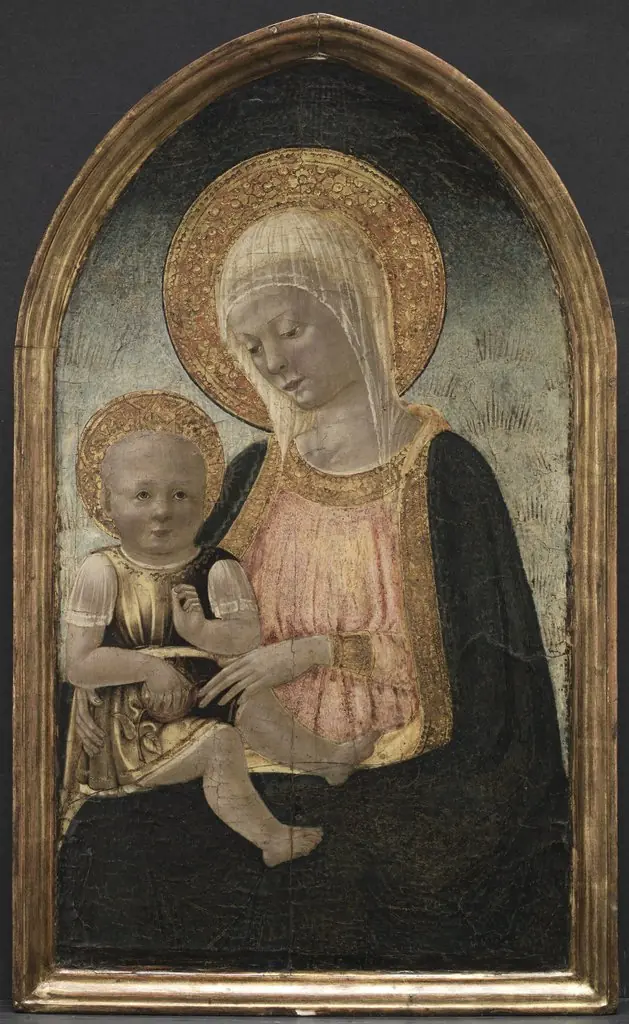 Virgin and Child
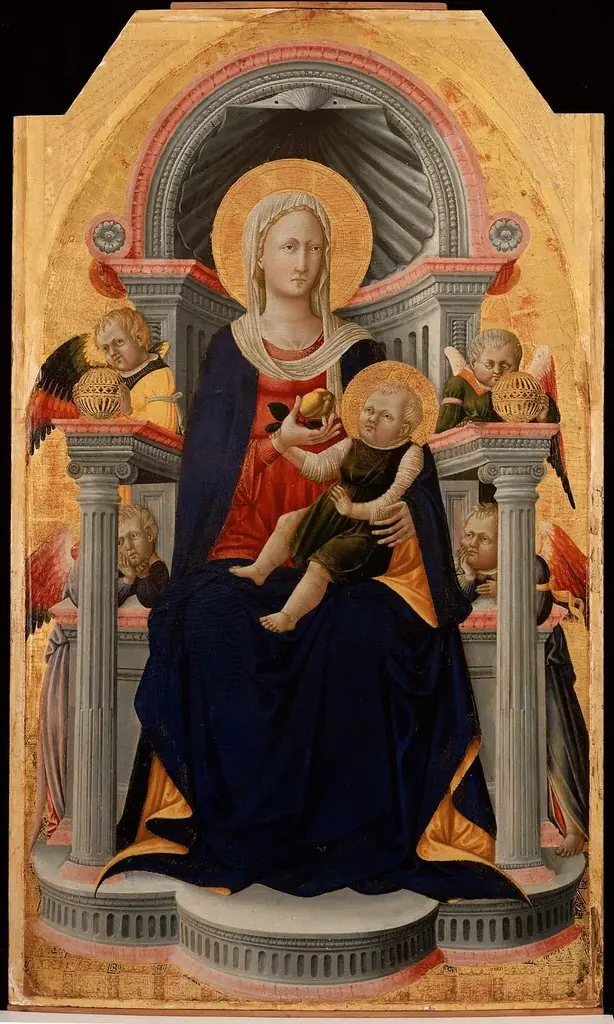 Virgin and Child Enthroned with Four Angels
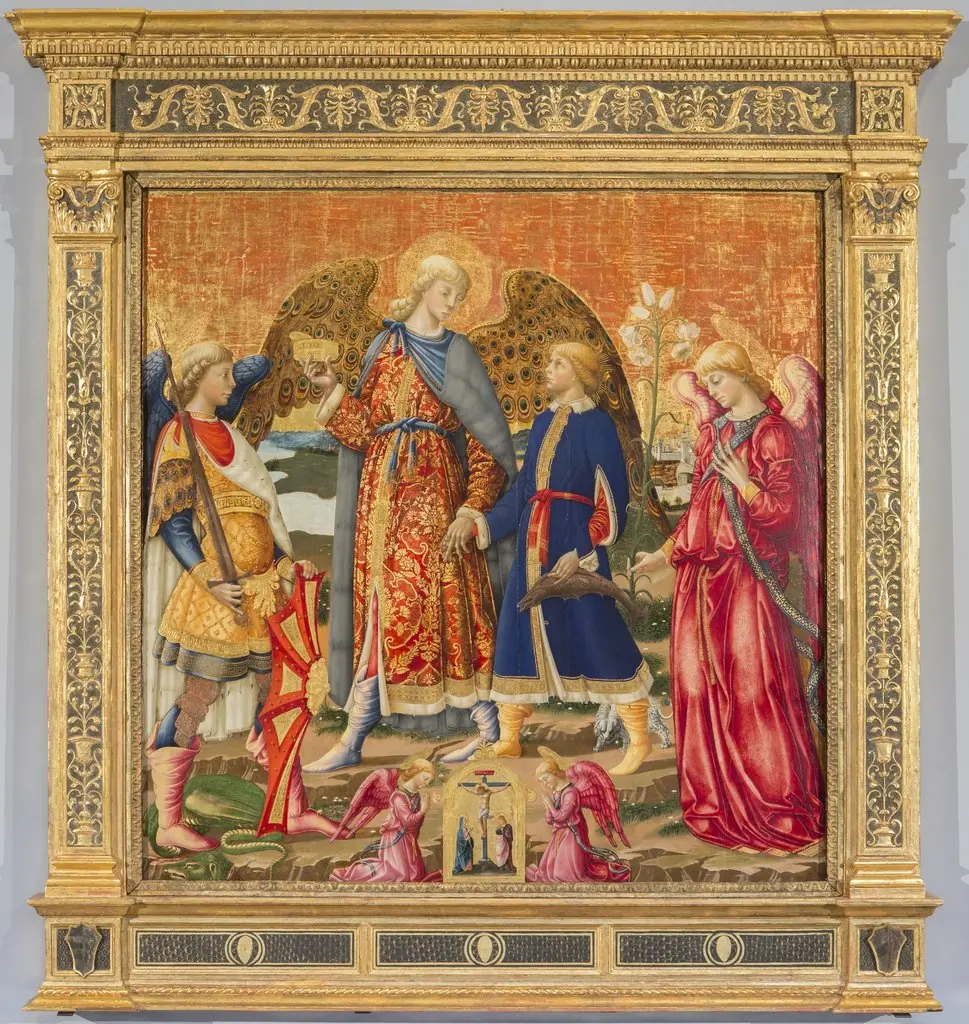 Tobias and Three Archangels
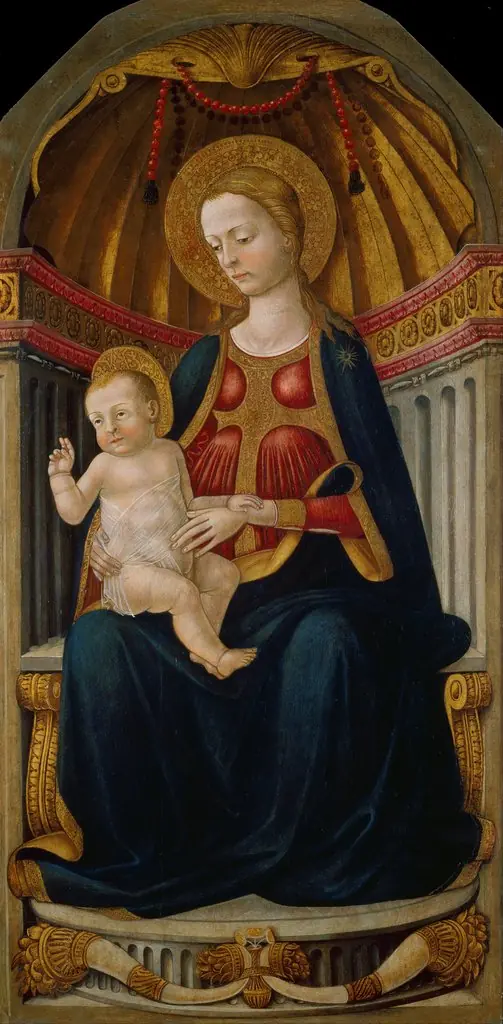 Virgin and Child on the Throne
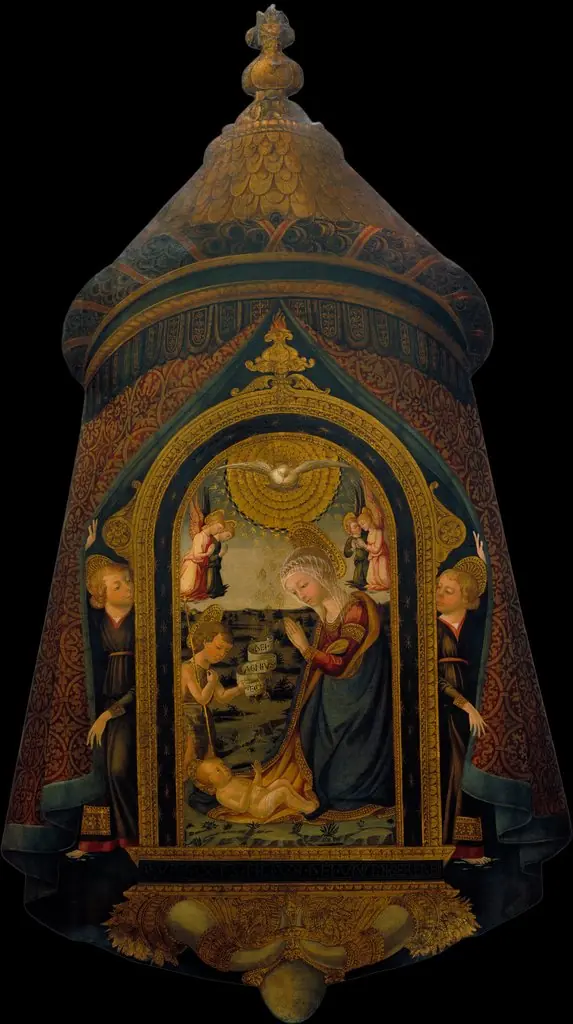 Processional Standard with the Adoration of the Child by the Virgin, Saint John Baptist and Angels
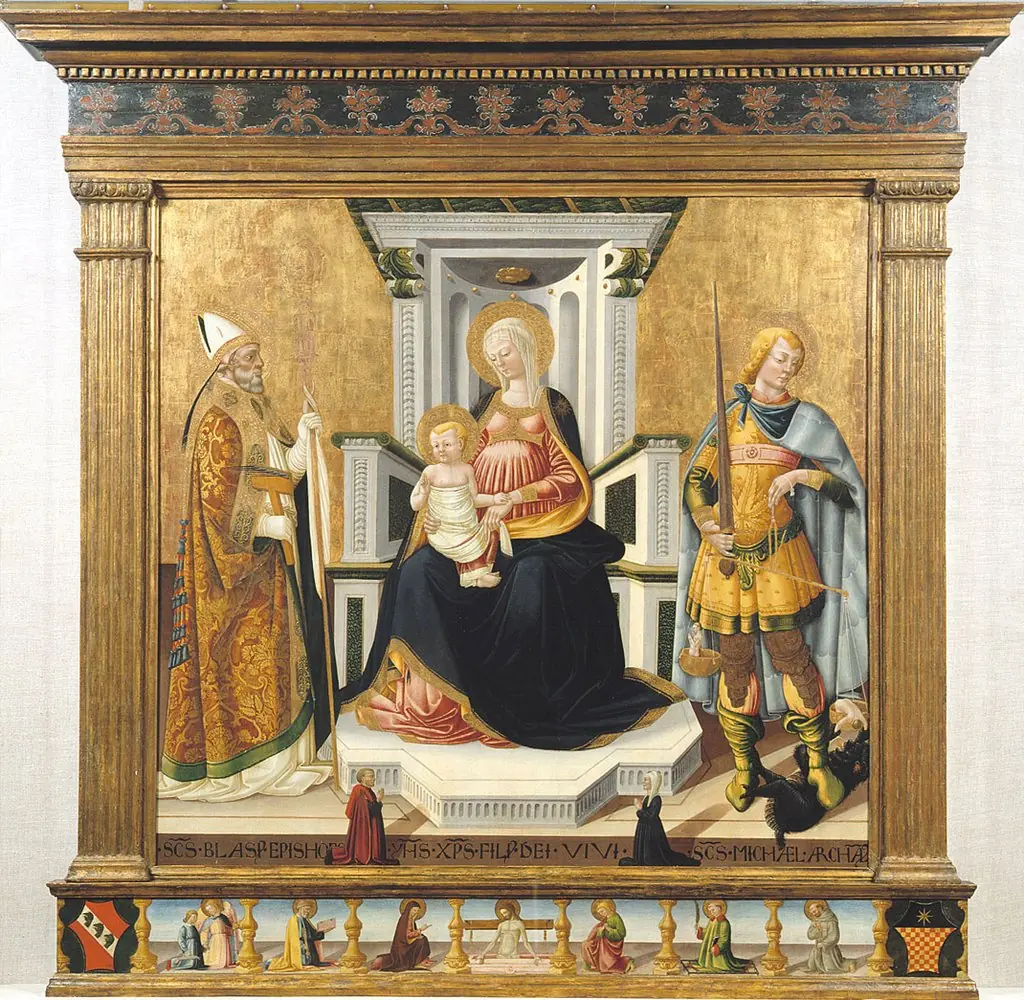 Madonna and Child with Two Saints (Bicci)
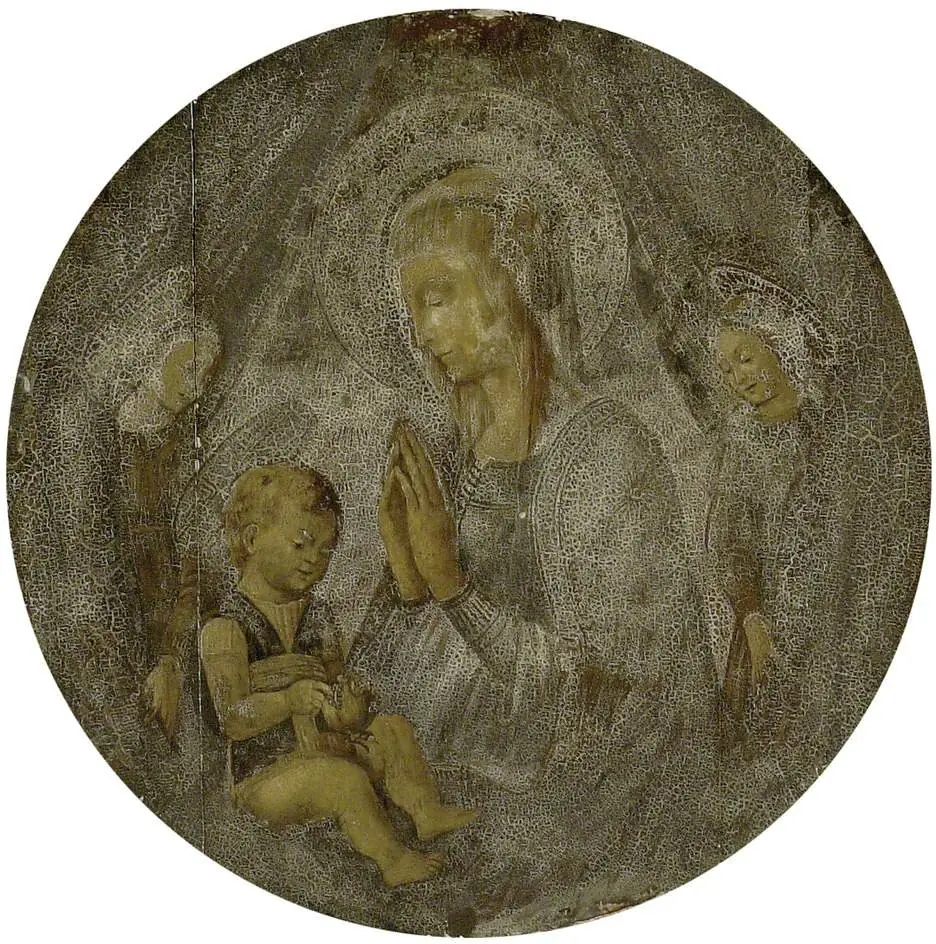 The Virgin and Child with two Angels
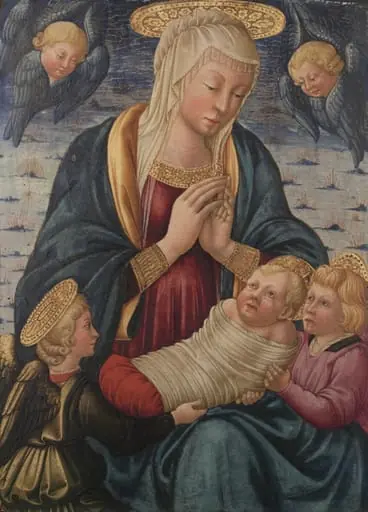 Virgin and Child with Angels
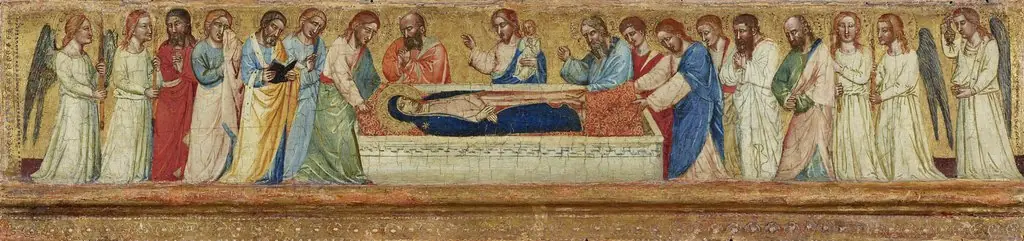 Entombment of Mary
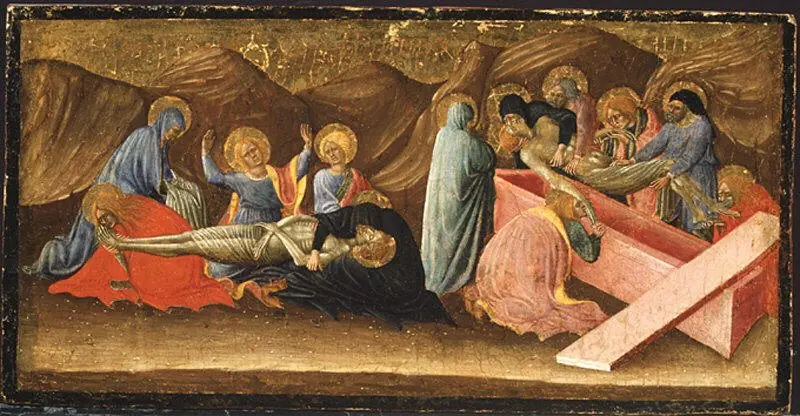 The Lamentation and the Entombment
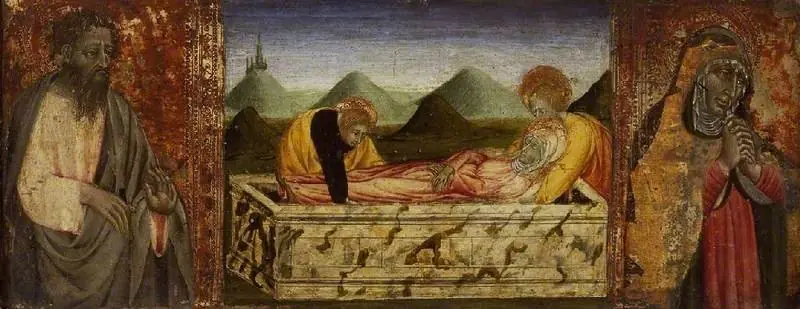 The Entombment of the Virgin; (left) St Bartholomew; (right) A female Saint
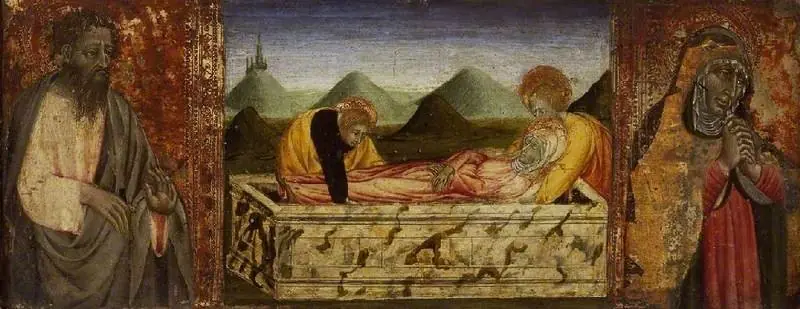 The Entombment of the Virgin with Saint Bartholomew (left) and a Female Saint (right)
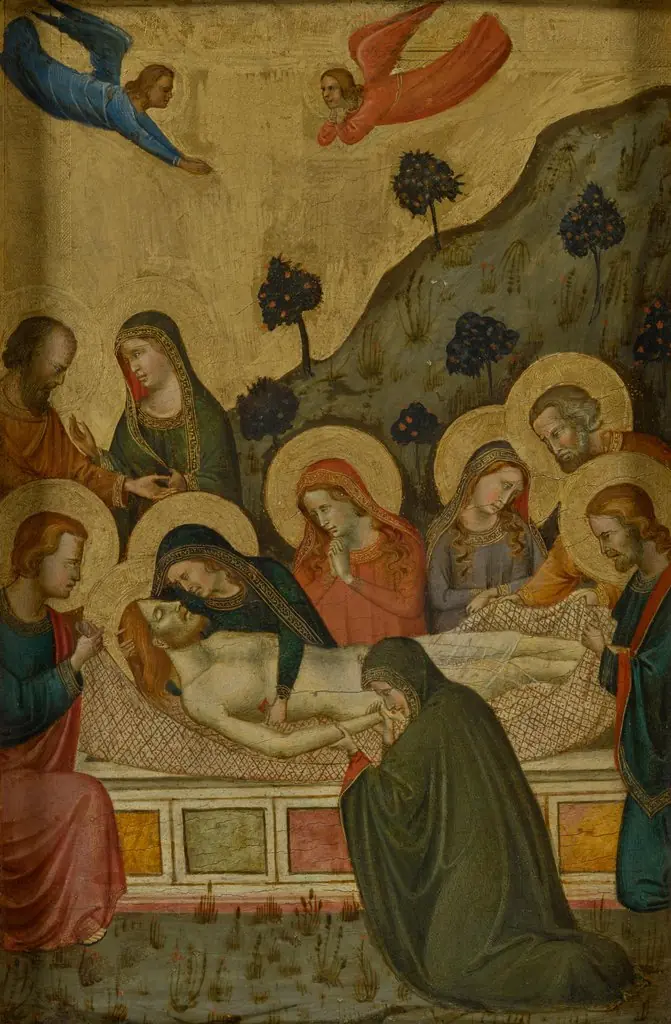 Entombment
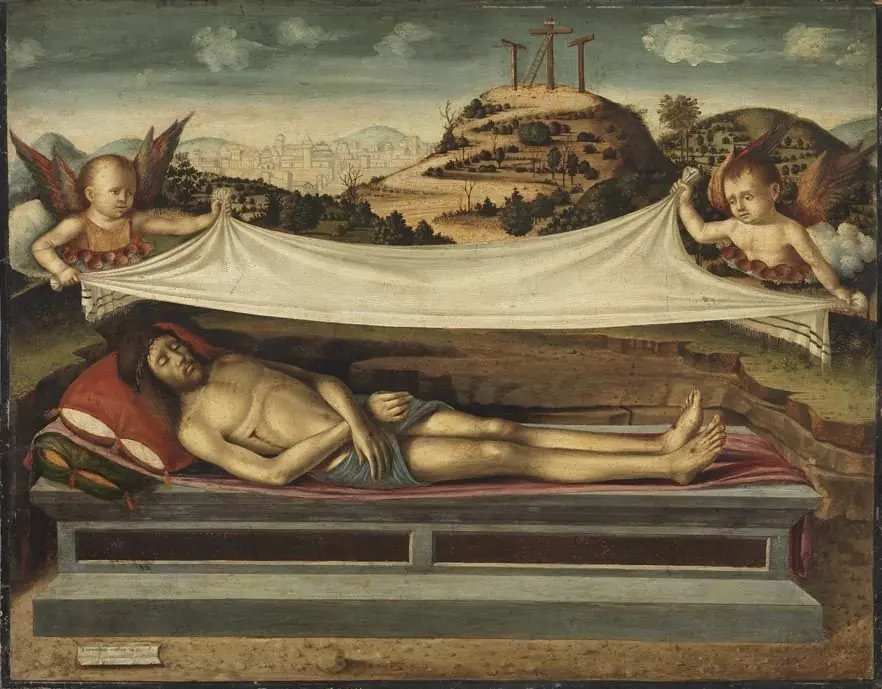 Lamentation of Christ
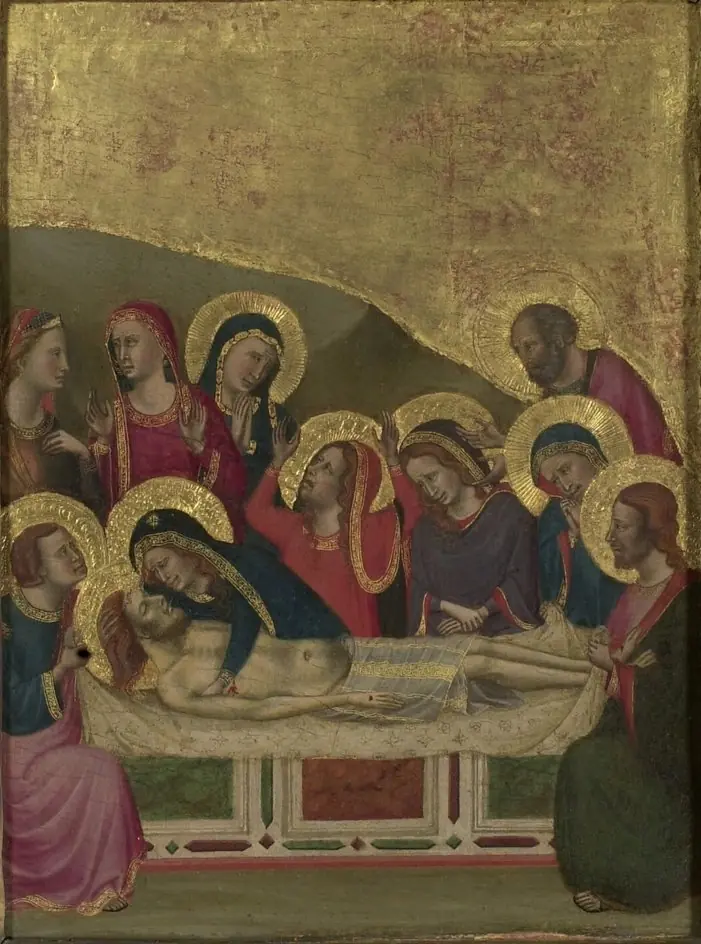 The Entombment
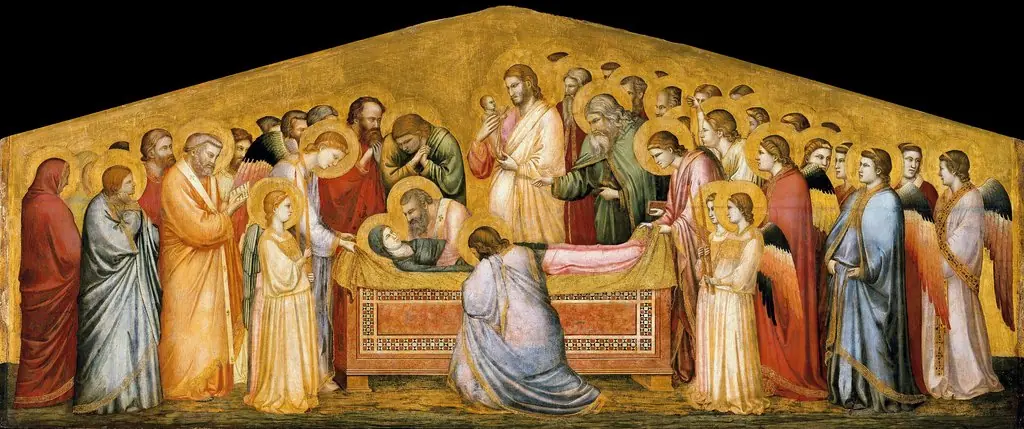 Death of the Virgin
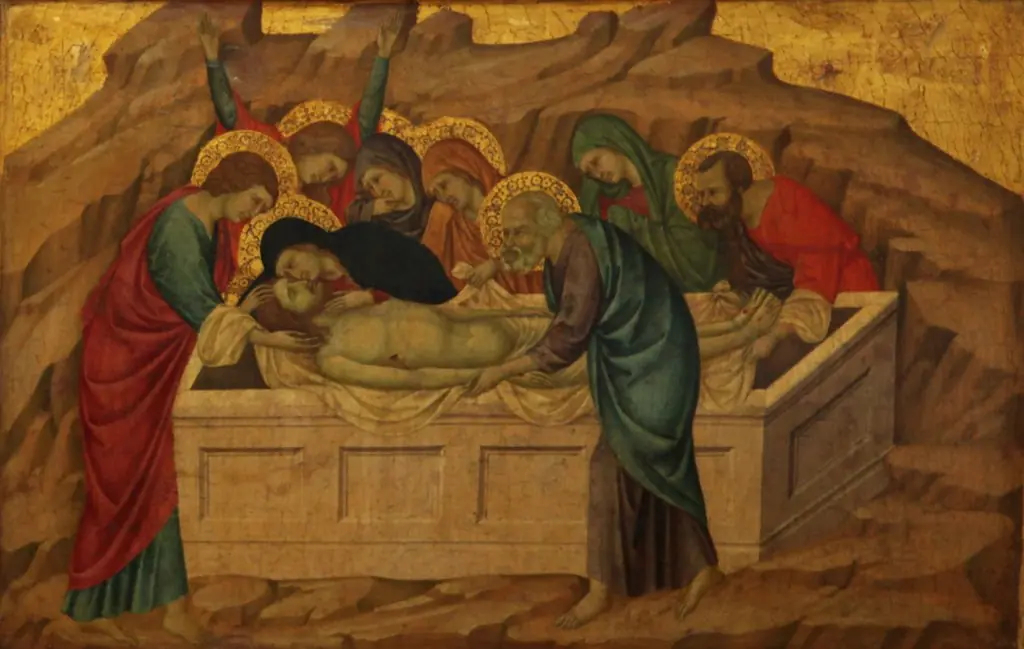 The Entombment of Christ
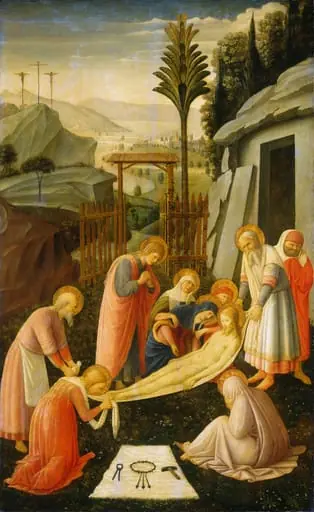 The Entombment of Christ
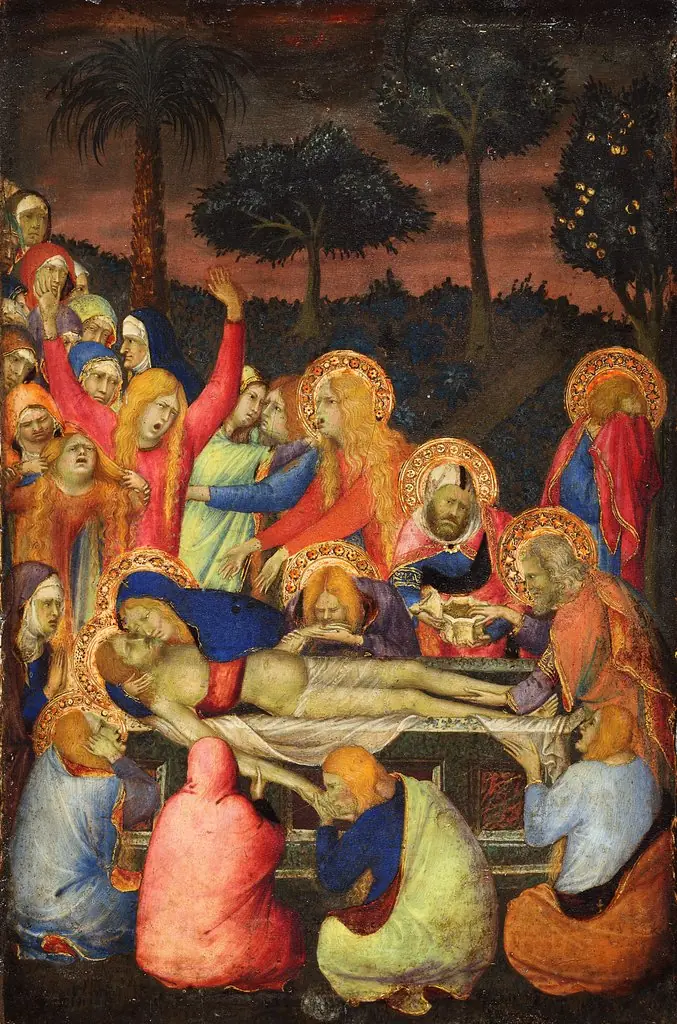 The Entombment of Christ
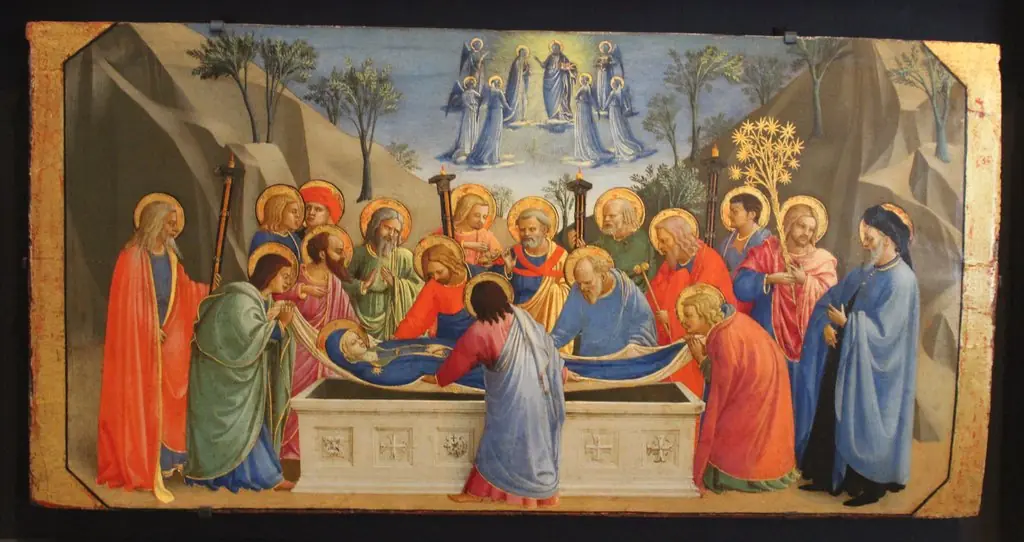 Dormition of the Virgin