Artwork
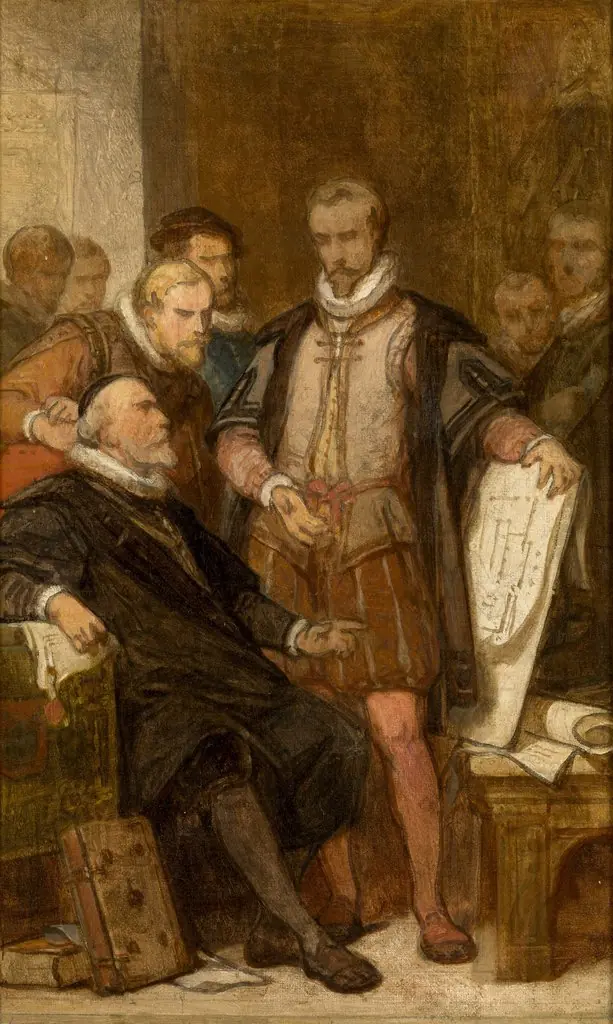
Cornelis Floris II Shows the Plan of the Town Hall
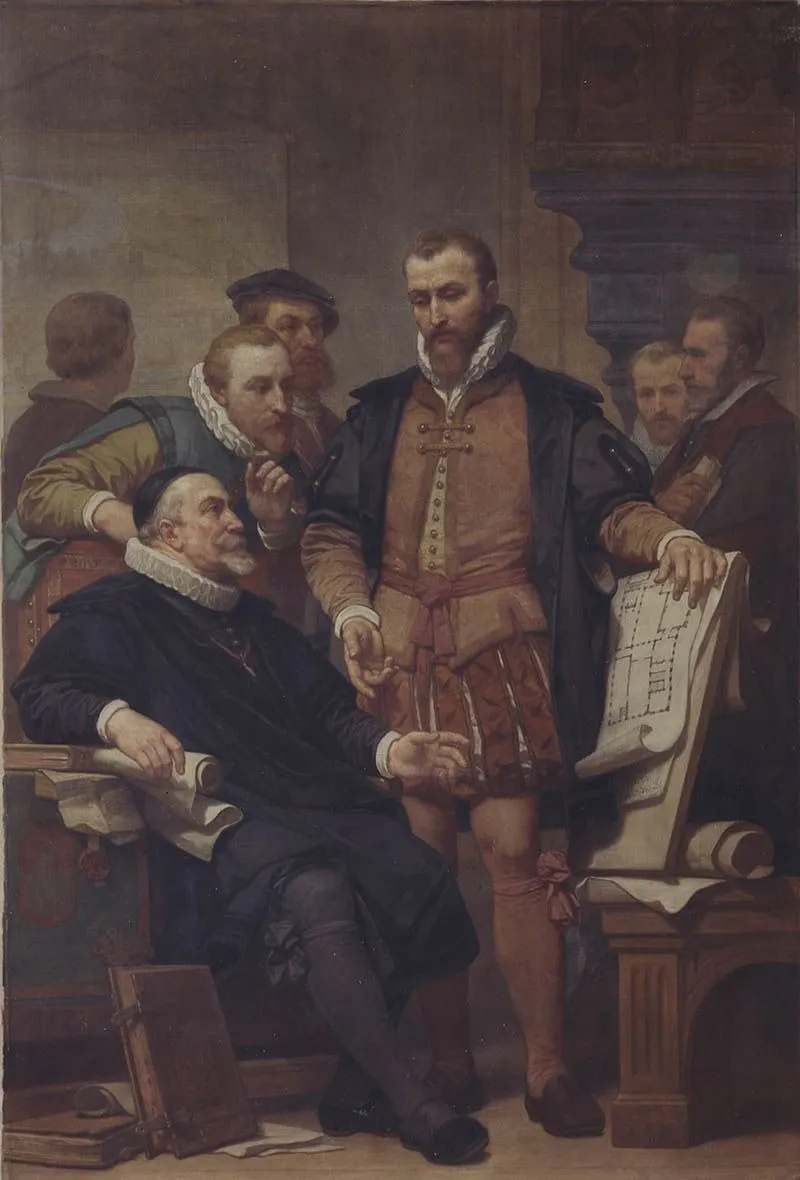
Cornelis Floris II Shows the Plan of the Town Hall is an oil painting by Nicaise De Keyser. It dates from 1866 and is held in the collection of the Royal Museum of Fine Arts Antwerp.
About this work
The painting depicts a scene of several men gathered around a large piece of paper or parchment, which appears to be a plan or blueprint.
The painting depicts a scene of several men gathered around a large piece of paper or parchment, which appears to be a plan or blueprint. One man, dressed in a dark coat and hat, is seated on a chair, while another man, wearing a lighter-colored coat and hat, stands beside him, pointing to the plan.
The men are all dressed in attire from the 16th or 17th century, with ruffs, cloaks, and breeches. The background of the painting is a muted color, with a hint of a wall or building behind the men.
The painting seems to be a historical scene, possibly depicting a moment in the planning or construction of a building. To learn more about the artist's use of chiaroscuro, explore Nicaise De Keyser's other works.
Overview
Cornelis Floris II Shows the Plan of the Town Hall is a historical scene painted in oil by Nicaise De Keyser in 1866. The work depicts a gathering of men in 16th or 17th-century attire around architectural plans, likely illustrating a pivotal moment in the conception of a building, specifically the Town Hall, with Cornelis Floris II at the center.
Subject & Meaning
The painting focuses on Cornelis Floris II presenting plans, surrounded by other figures. The scene conveys a sense of collaboration and decision-making in the planning phase of a significant architectural project, highlighting Floris's role as a key figure.
Technique & Style
De Keyser, a prominent Belgian Romantic-historical painter, employed oil paint to create a muted, nuanced background, contrasting with the detailed, period-accurate attire of the figures. The use of chiaroscuro adds depth, drawing attention to the central figures and the plan.
History & Provenance
Created in 1866, the painting is part of the Royal Museum of Fine Arts Antwerp's collection. De Keyser's historical and portrait painting expertise is evident in this work.
Context
The painting reflects the Belgian Romantic-historical school's interest in depicting historical moments and figures. It may also allude to the cultural significance of architectural projects in the era depicted and the artist's own time.
Legacy
While specific lasting impacts of this painting are not widely documented, it remains a characteristic example of De Keyser's historical painting style and the themes of the Belgian Romantic-historical school.
Artist & collection
Artist
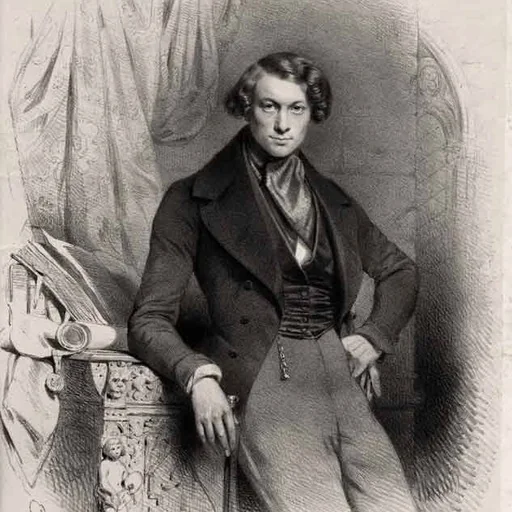
Nicaise de Keyser (alternative first names: Nicaas, Nikaas of Nicasius; 26 August 1813, Zandvliet – 17 July 1887, Antwerp) was a Belgian painter of mainly history paintings and portraits who was one of the key figures…

 Portrait of Grand Princess Anna Pavlovna
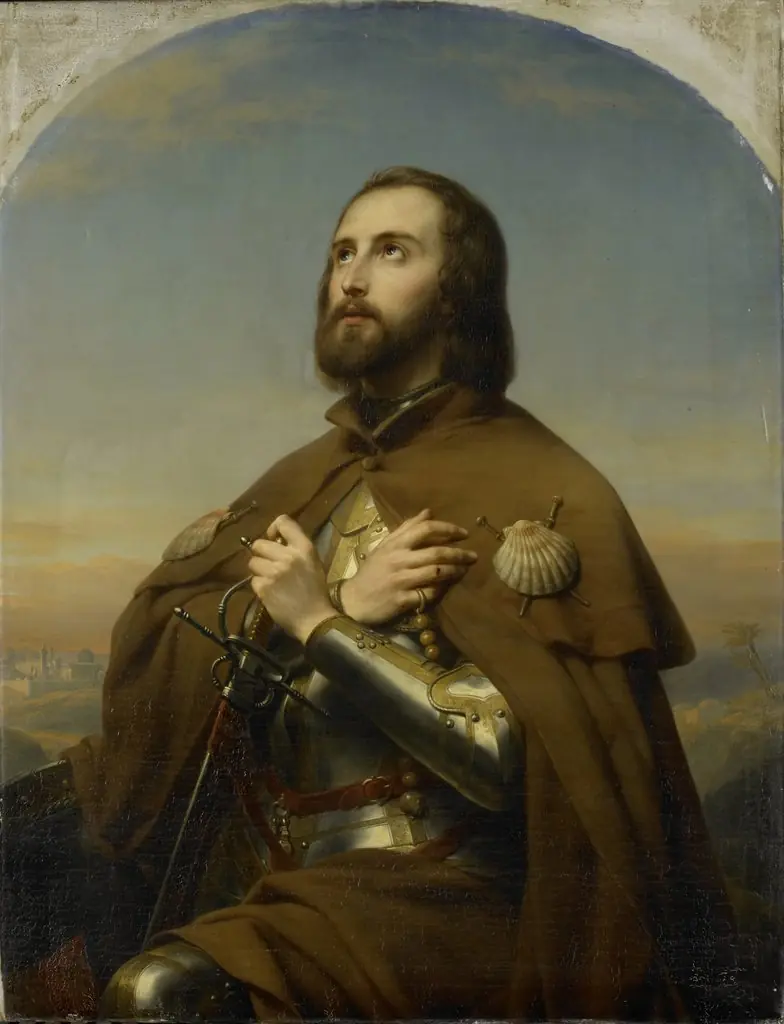 Eberhard (1445-96), Duke of Würtemberg, as a Pilgrim in the Holy Land
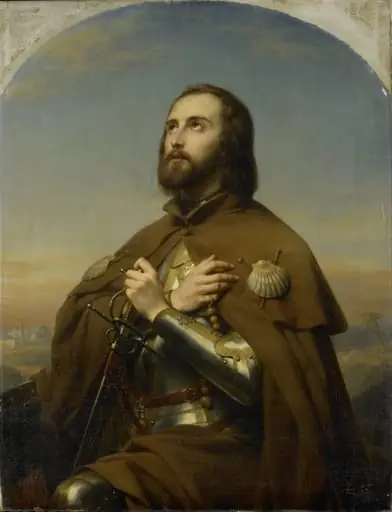 Eberhard (1445-96), Duke of Würtemberg, as a Pilgrim in the Holy Land
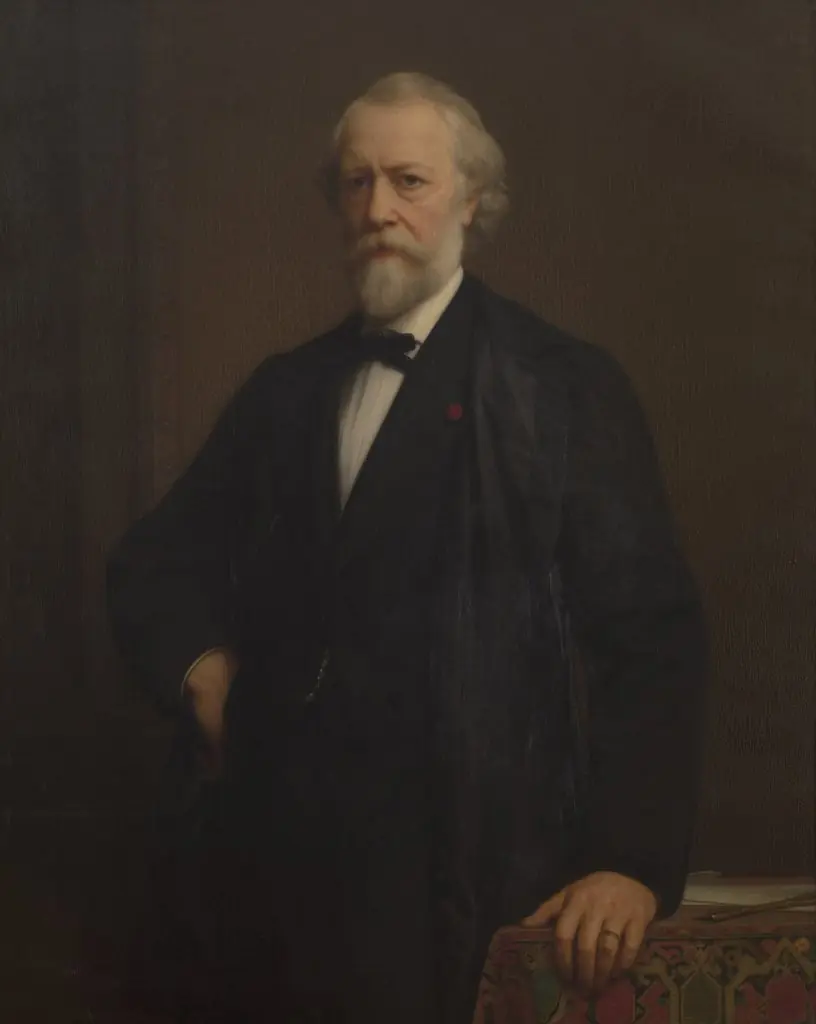 Self Portrait
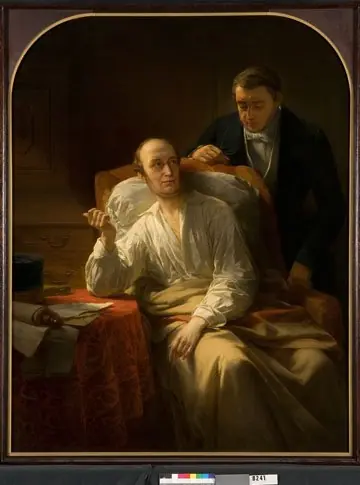 King Willem II Making his Last Will
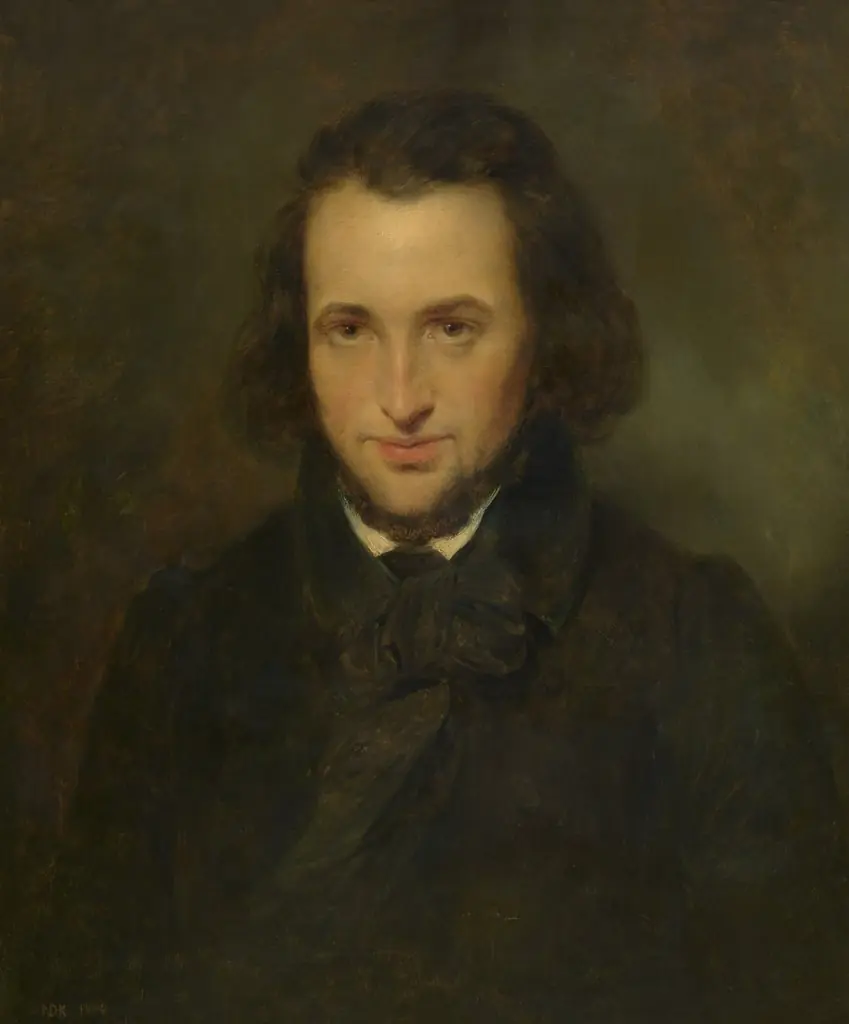 The Printer-Publisher Jozef-Ernest Buschmann
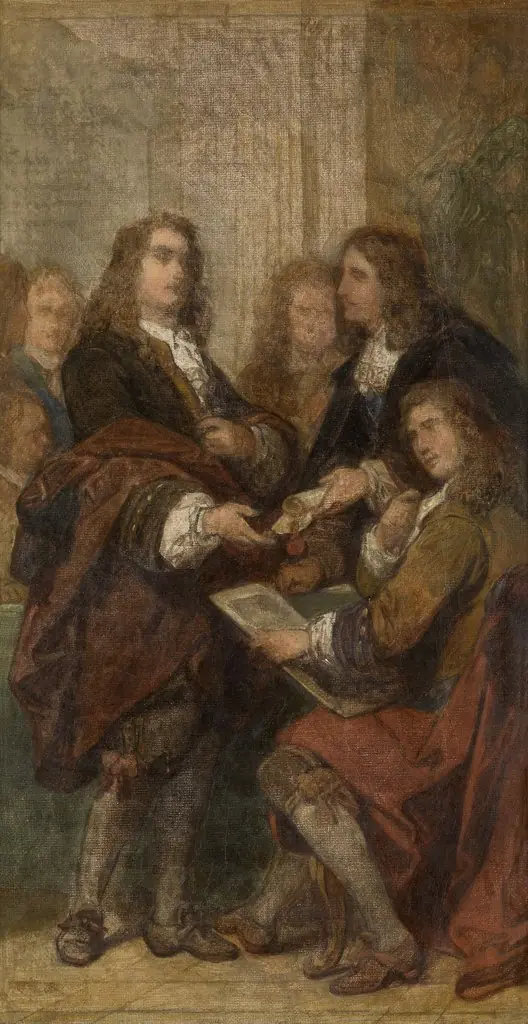 The Engraver Gerard Edelinck in Paris
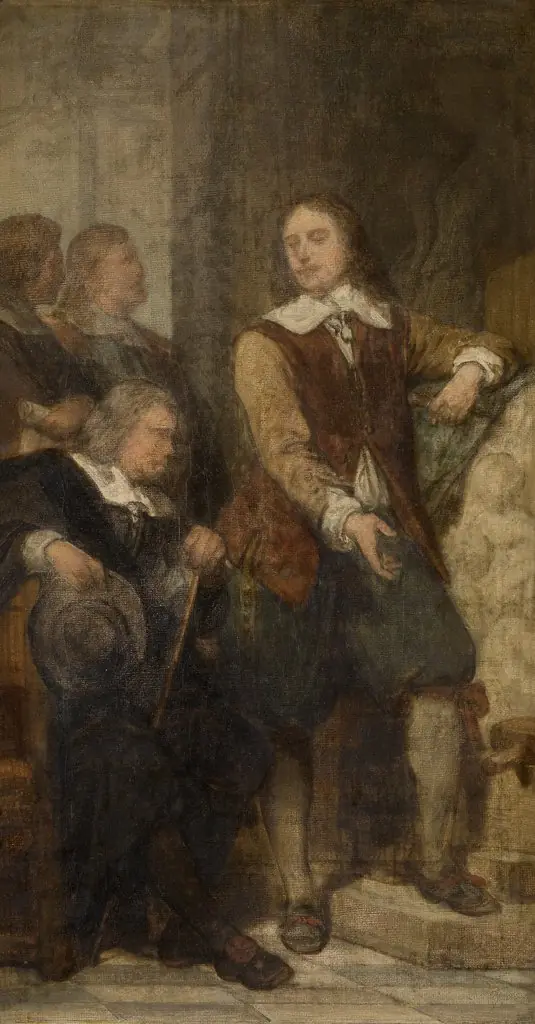 The Sculptor Artus Quellinus I in Amsterdam
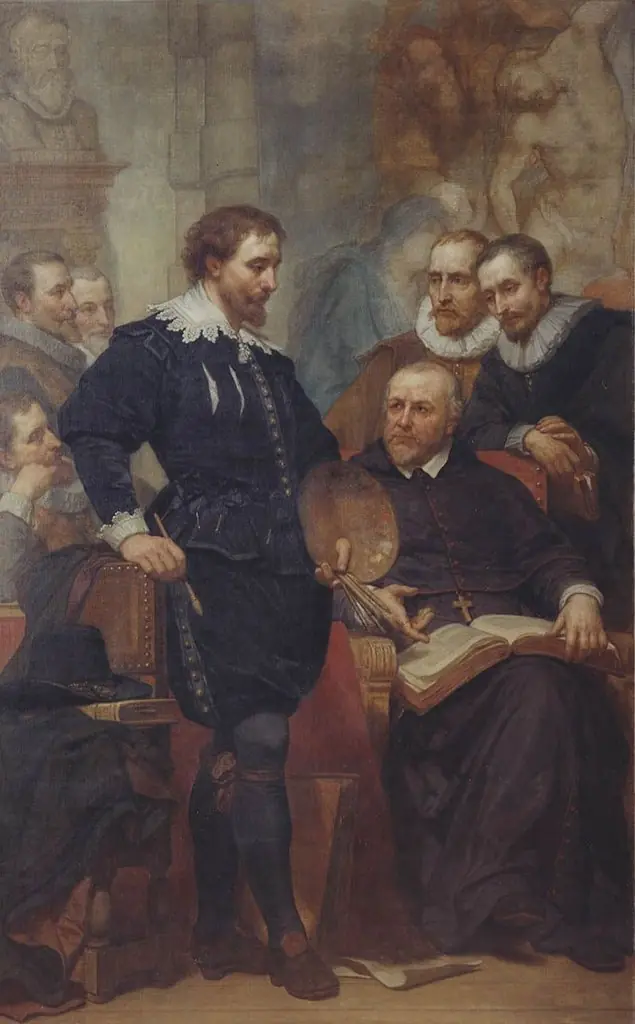 Peter Paul Rubens in his Studio
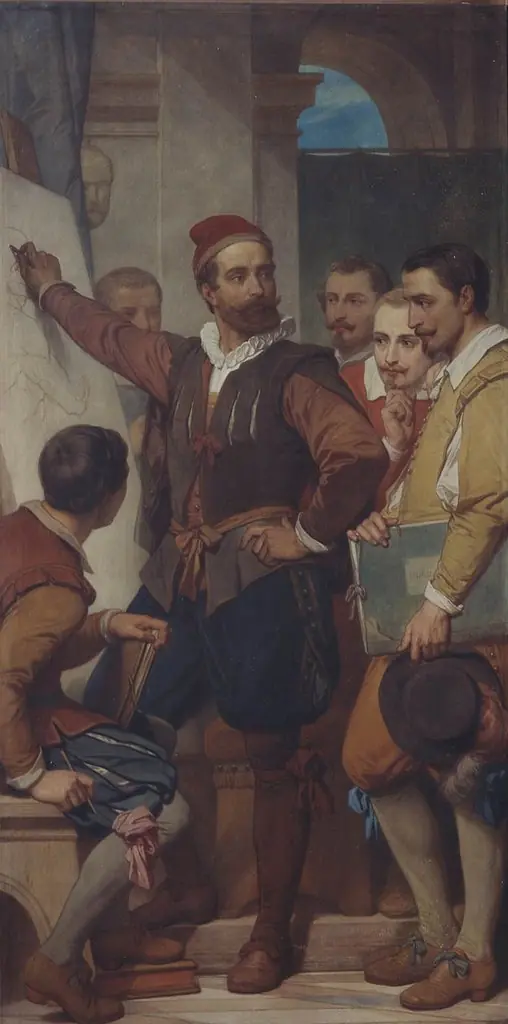 The Painter Denys Calvaert in Bologna
 Peter Paul Rubens in his Studio
 Four Philosophers
 The Painter Bartholomeus Spranger in Vienna
 The Painter Bartholomeus Spranger in Vienna
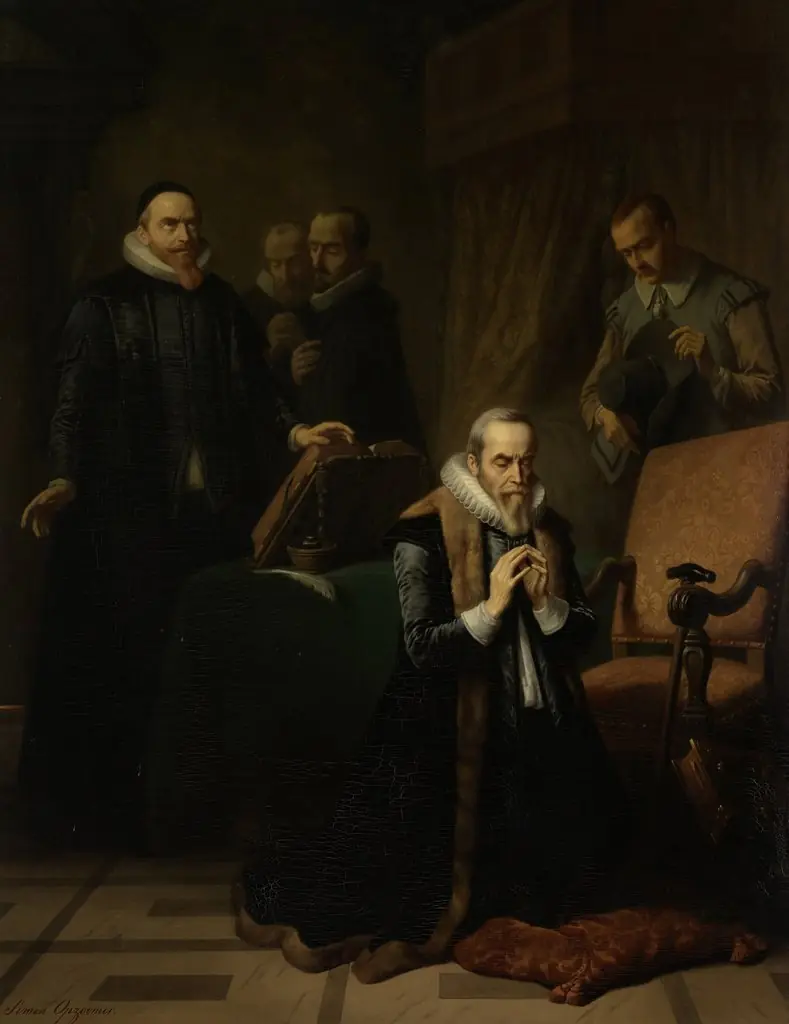 The final prayer of Johan van Oldenbarneveldt
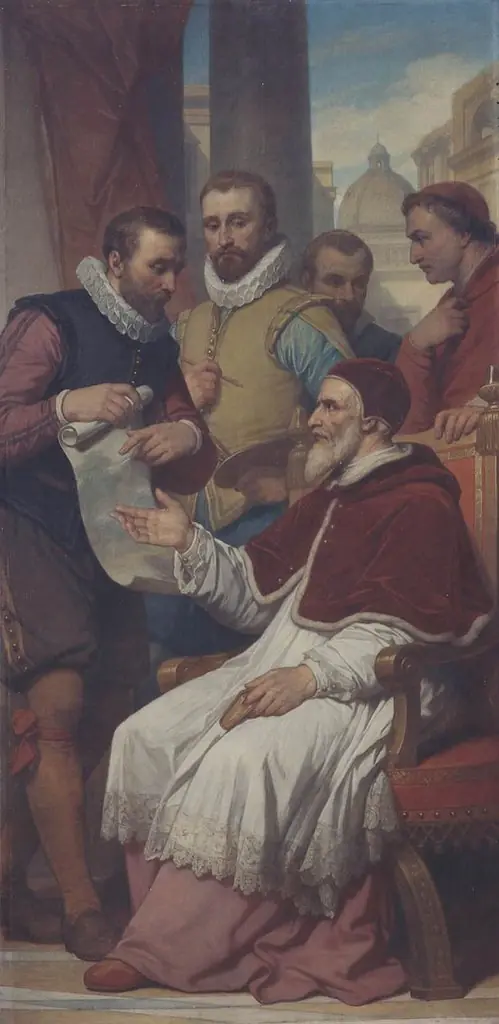 The Painters Matthijs and Paul Bril in Rome
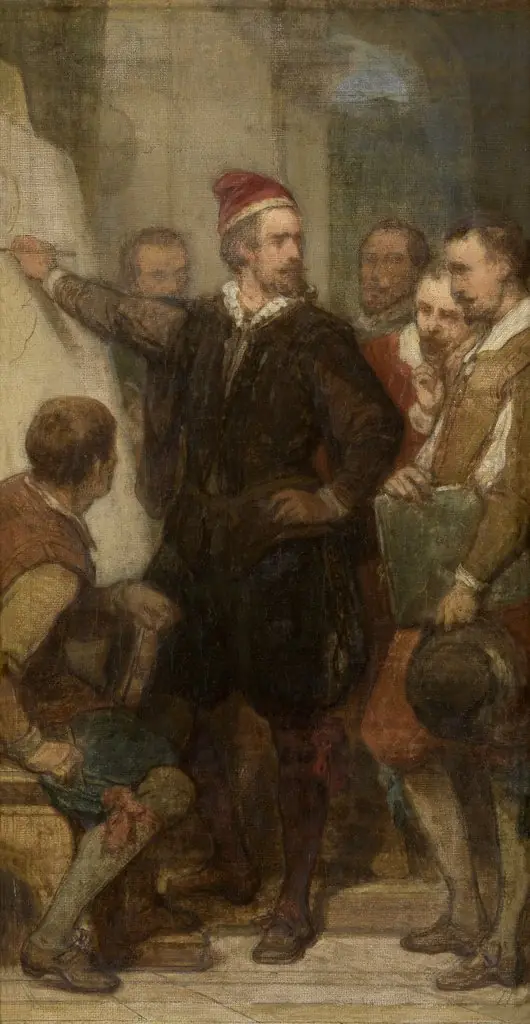 The Painter Denys Calvaert in Bologna
 Untitled
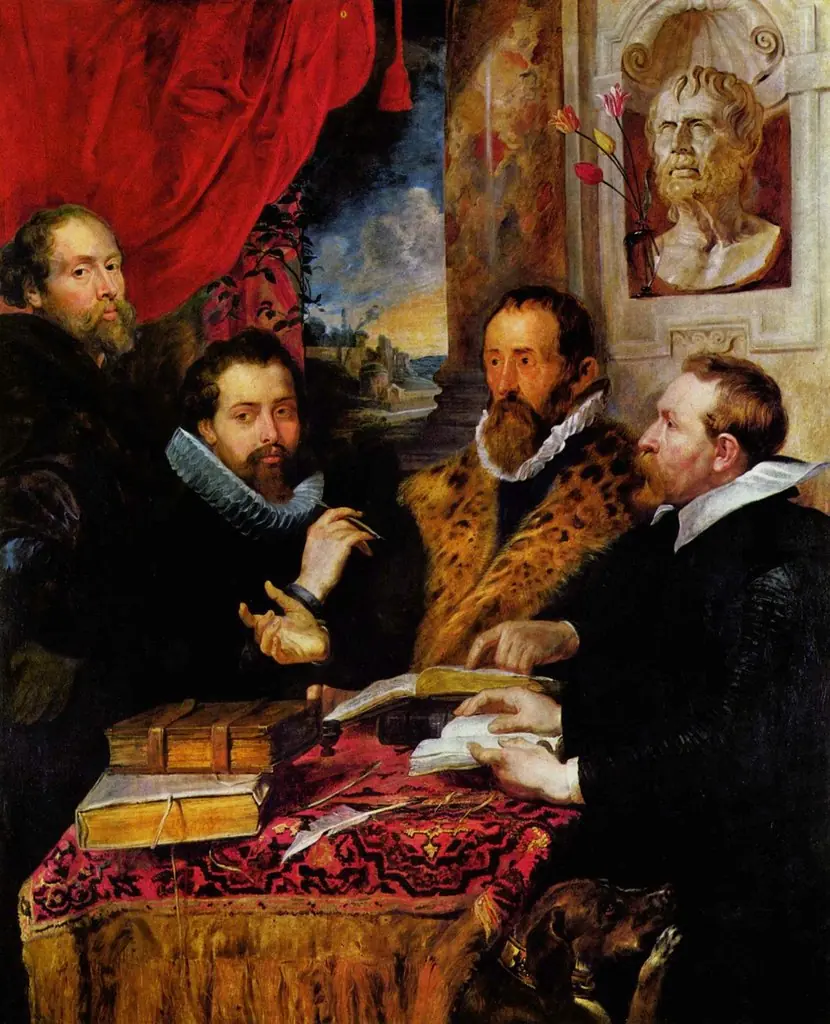 The Four Philosophers
 The Architect Cornelis Floris II