Artwork
Peter Paul Rubens in his Studio
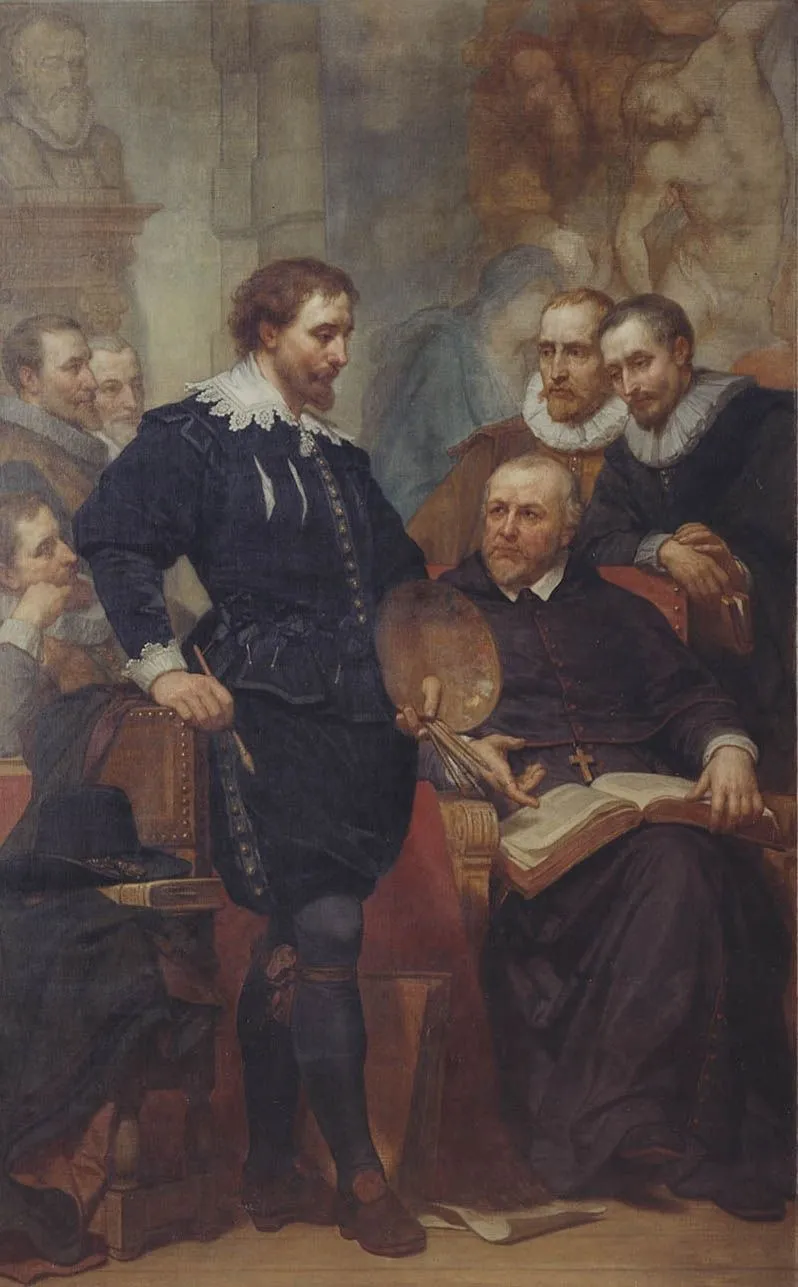
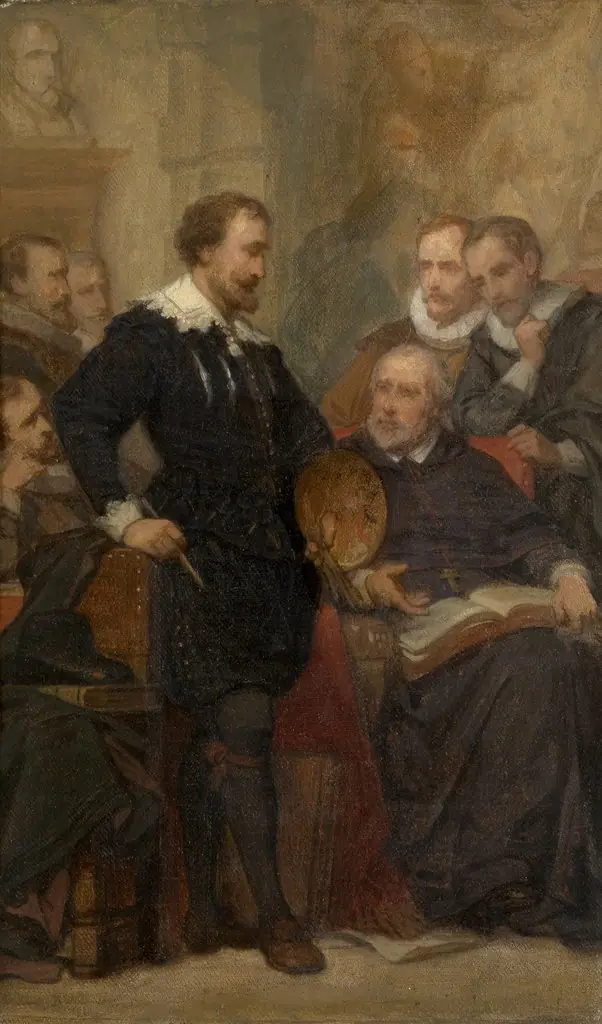
Peter Paul Rubens in his Studio is an oil painting by Nicaise De Keyser. It dates from 1866 and is held in the collection of the Royal Museum of Fine Arts Antwerp.
About this work
Overview
Painted in 1866 by Nicaise De Keyser, this oil on canvas portrays the 17th-century Flemish painter Peter Paul Rubens within the setting of his Antwerp studio.
Painted in 1866 by Nicaise De Keyser, this oil on canvas portrays the 17th-century Flemish painter Peter Paul Rubens within the setting of his Antwerp studio. De Keyser, a 19th-century Belgian artist known for historical subjects, constructed this scene as a retrospective tribute rather than a documented moment. The composition centers on Rubens as a figure of artistic authority, surrounded by assistants and classical references, reflecting Romantic-era ideals of the artist as intellectual and master.
Subject & Meaning
Rubens is depicted mid-work, palette and brushes in hand, embodying the active creator. His seated companion, holding a book, suggests scholarly engagement, while other figures in the background imply a collaborative workshop. The presence of classical sculptures and busts in the background links Rubens’ practice to antiquity, reinforcing the Romantic notion of the artist as heir to ancient traditions. The scene is less a literal record than an idealized vision of artistic lineage and intellectual labor.
Technique & Style
De Keyser employed rich, layered oil paint to render textures of fabric, stone, and skin with careful attention to light and shadow. The palette is muted yet warm, with deep blues and browns dominating, punctuated by the pale lace of Rubens’ collar. Figures are rendered with naturalistic detail but arranged with theatrical clarity, typical of 19th-century historical painting. The background recedes into soft focus, directing attention to the central group and their symbolic roles.
History & Provenance
Completed in 1866, the painting entered the collection of the Royal Museum of Fine Arts Antwerp shortly after its creation. It was not commissioned but produced as part of De Keyser’s broader interest in celebrating Flemish artistic heritage. The work remained in institutional hands throughout its history, with no significant private ownership or exhibition outside Belgium prior to the 20th century.
Context
In mid-19th-century Belgium, there was a resurgence of interest in national artistic identity. De Keyser, aligned with the Romantic-historical movement, sought to elevate past Flemish masters as cultural icons. By placing Rubens in a studio filled with classical references and assistants, the painting responded to contemporary debates about art, labor, and national pride, positioning Rubens as a foundational figure in a revived Flemish tradition.
Legacy
The painting endures as a visual interpretation of Rubens’ studio culture, though not a historical document. It influenced later depictions of artists at work and contributed to the mythos surrounding Rubens as a prolific, organized master. While De Keyser’s own reputation has waned, this work remains a key example of how 19th-century artists reimagined the past to serve contemporary cultural narratives.
Artist & collection
Artist
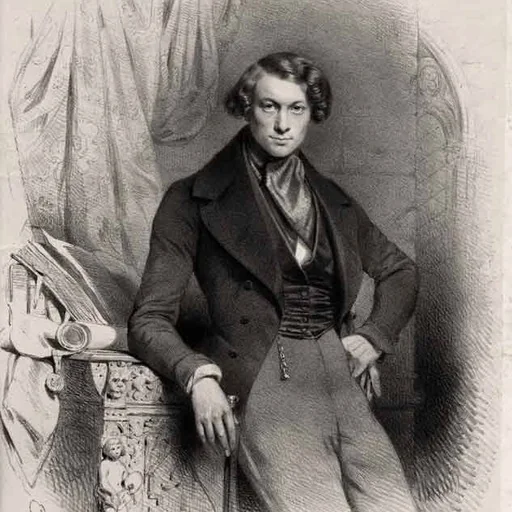
Nicaise de Keyser (alternative first names: Nicaas, Nikaas of Nicasius; 26 August 1813, Zandvliet – 17 July 1887, Antwerp) was a Belgian painter of mainly history paintings and portraits who was one of the key figures…

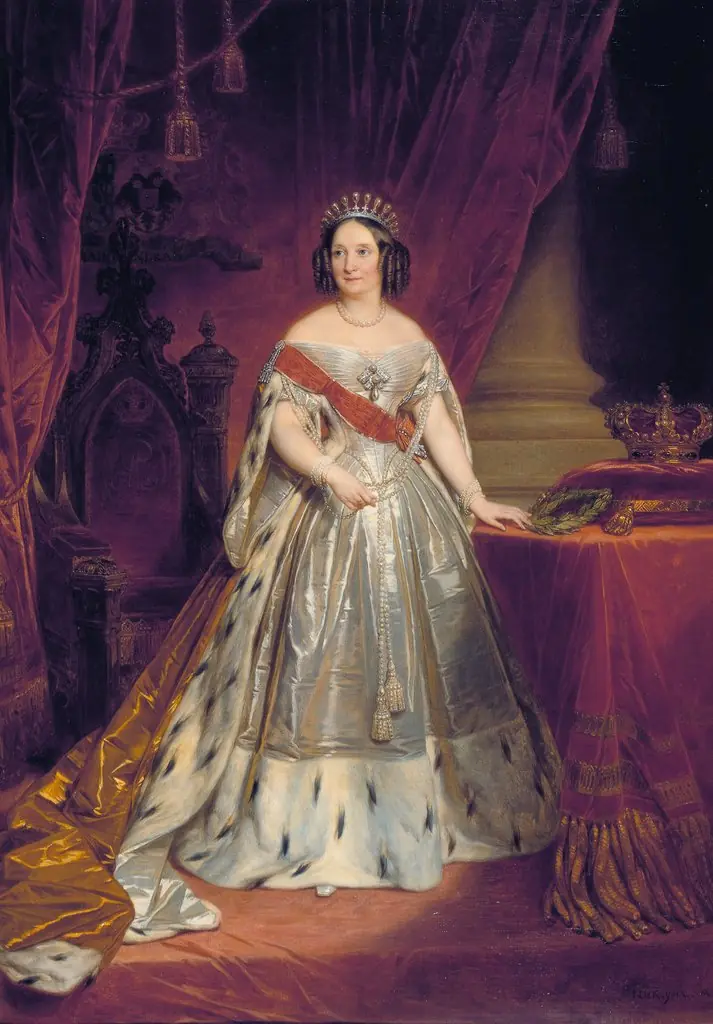 Portrait of Grand Princess Anna Pavlovna
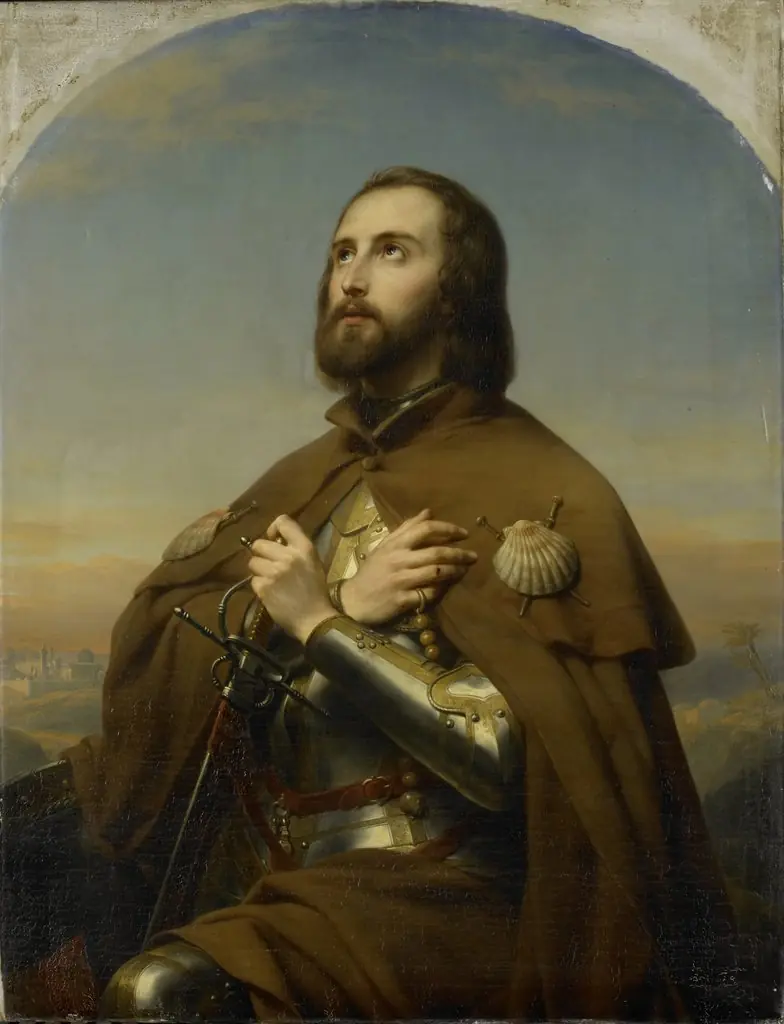 Eberhard (1445-96), Duke of Würtemberg, as a Pilgrim in the Holy Land
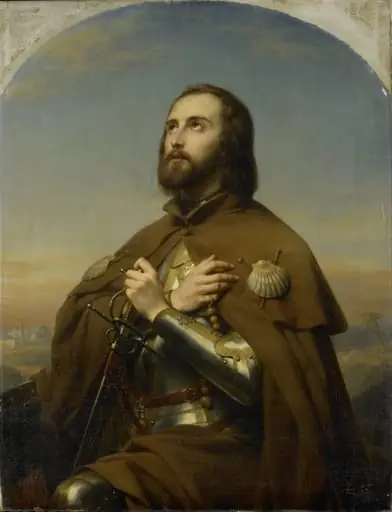 Eberhard (1445-96), Duke of Würtemberg, as a Pilgrim in the Holy Land
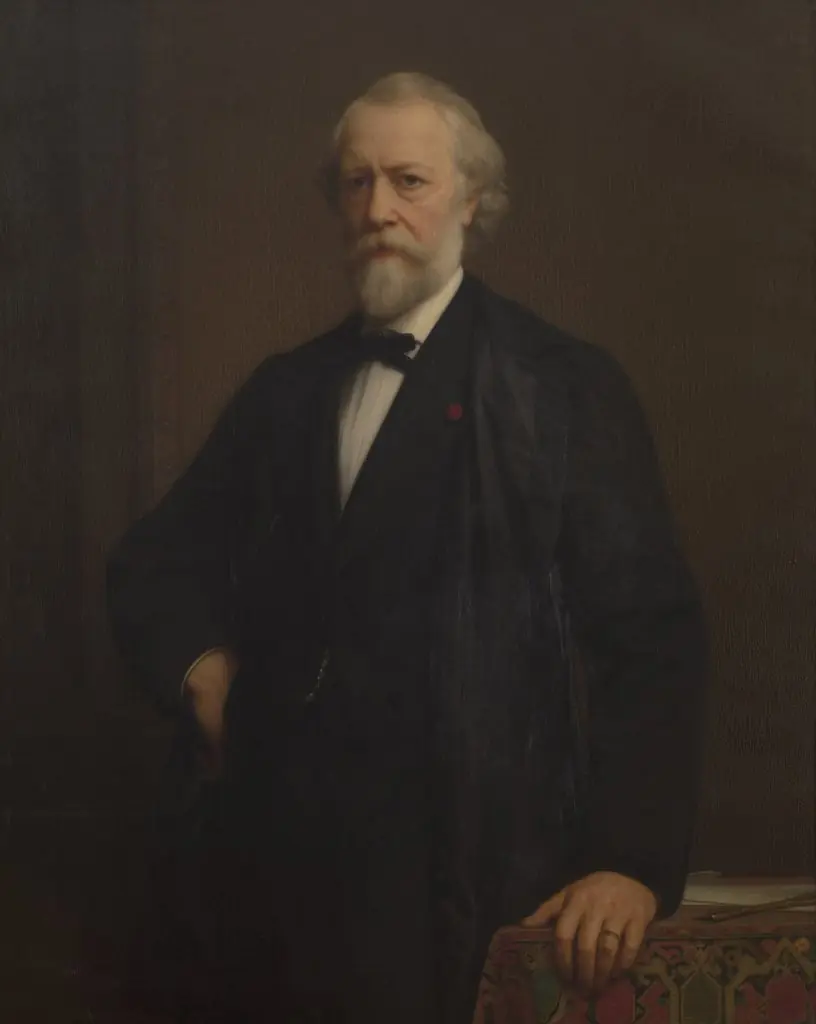 Self Portrait
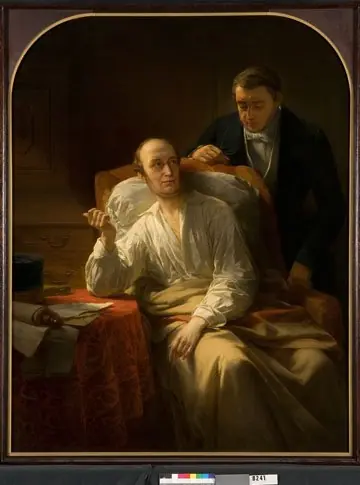 King Willem II Making his Last Will
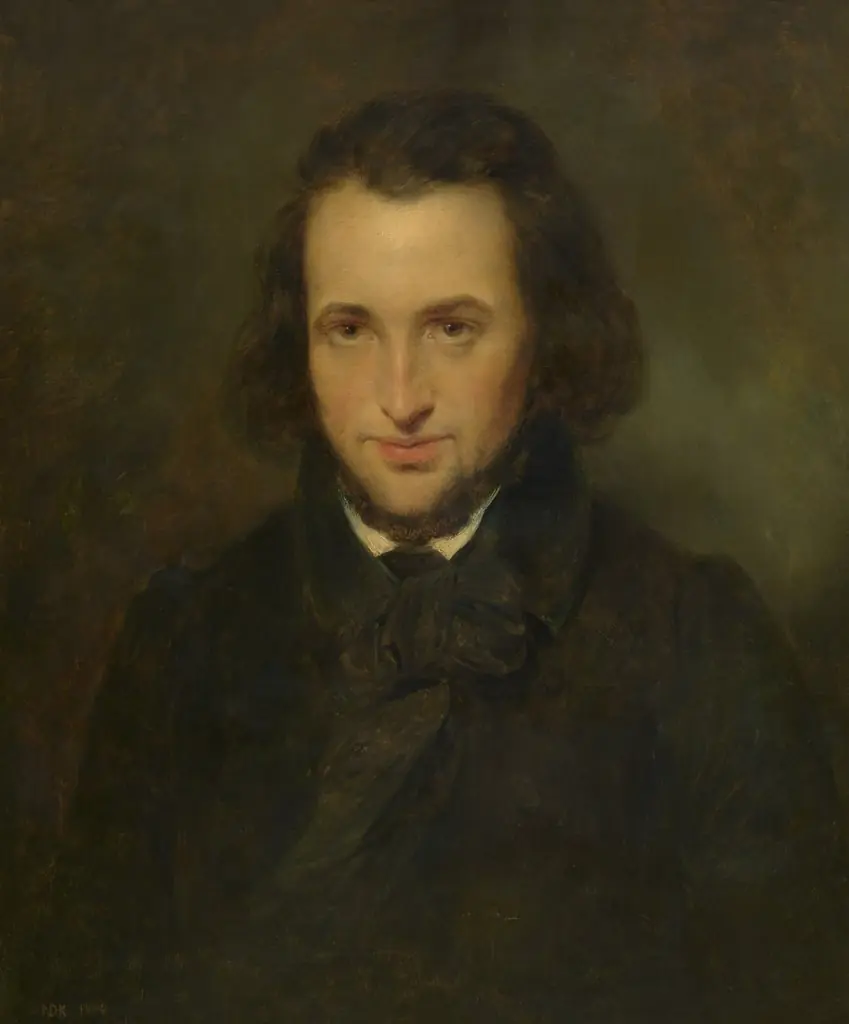 The Printer-Publisher Jozef-Ernest Buschmann
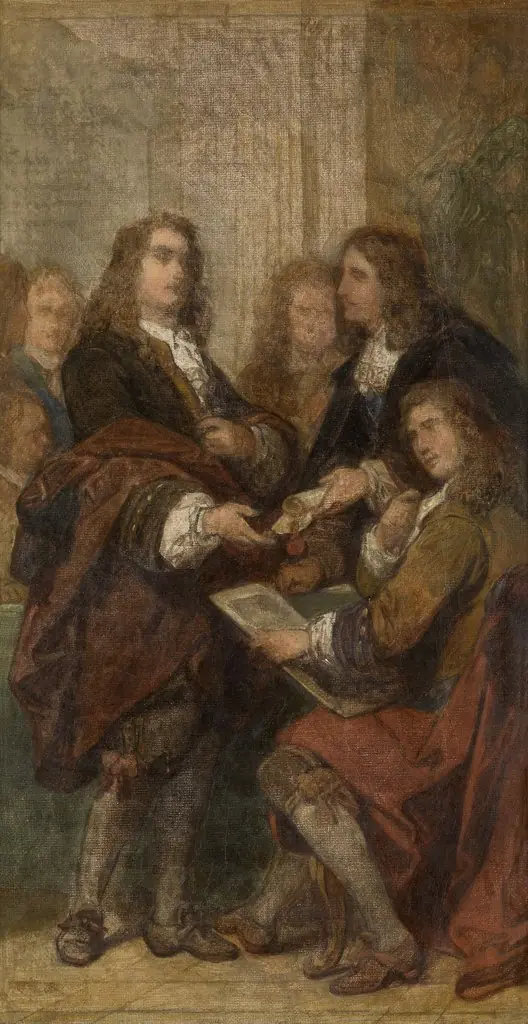 The Engraver Gerard Edelinck in Paris
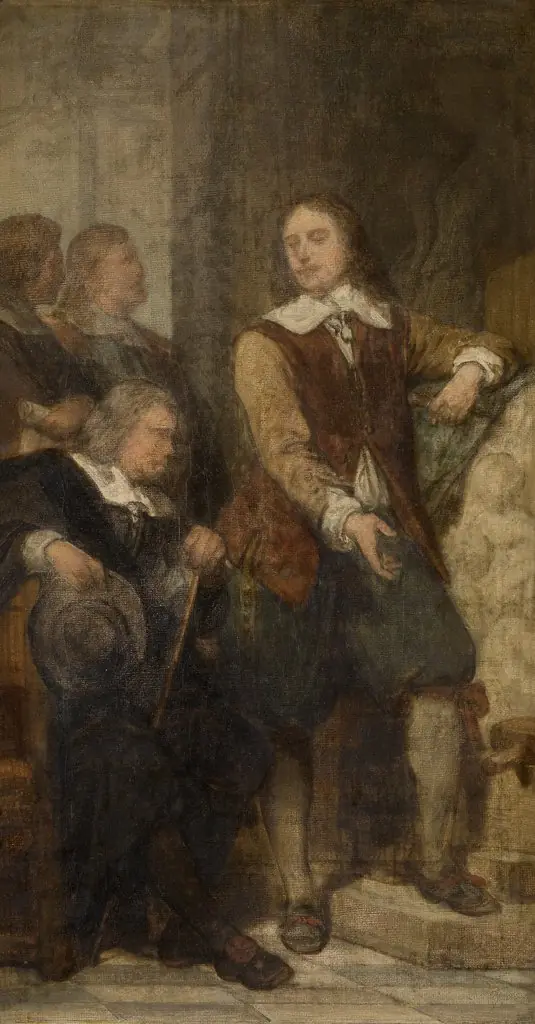 The Sculptor Artus Quellinus I in Amsterdam
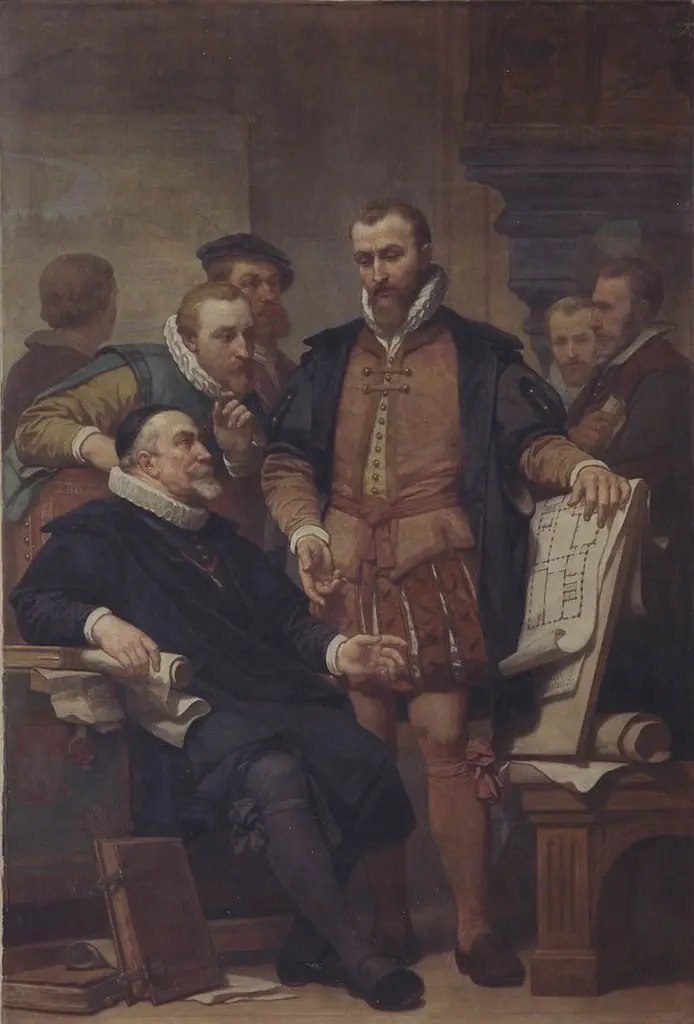 Cornelis Floris II Shows the Plan of the Town Hall
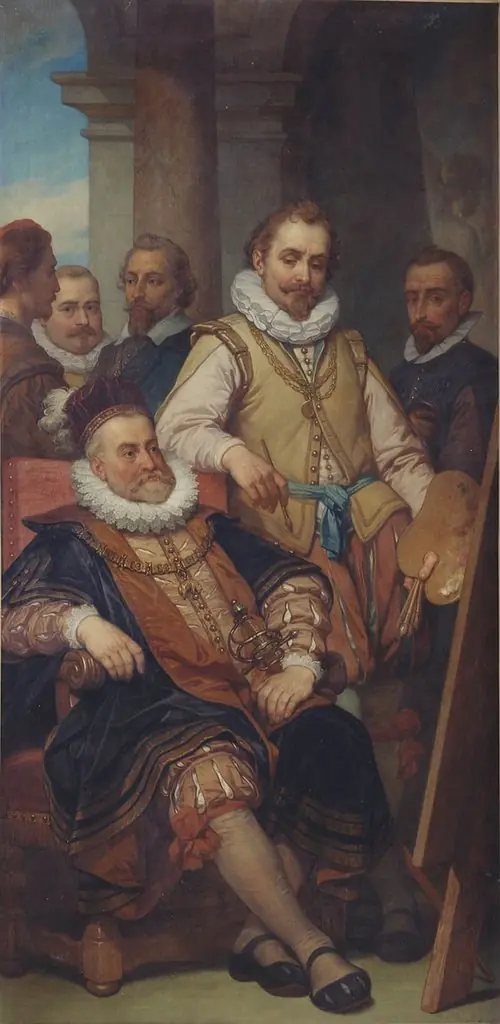 The Painter Bartholomeus Spranger in Vienna
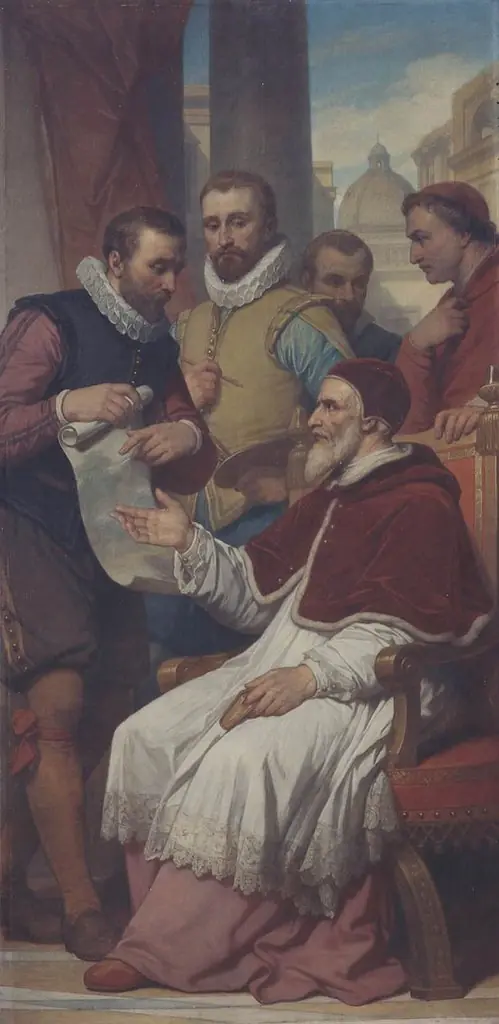 The Painters Matthijs and Paul Bril in Rome
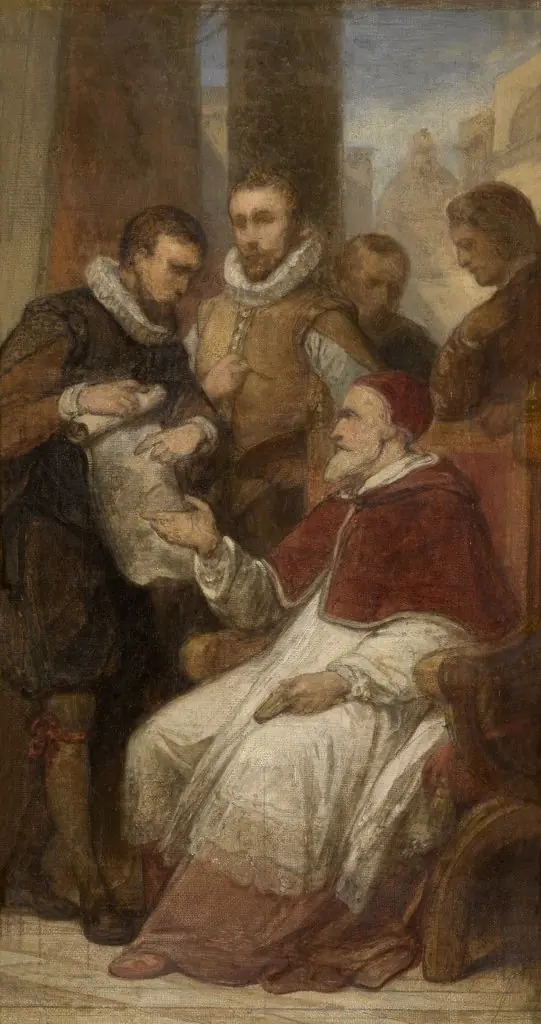 The Painters Matthijs and Paul Bril in Rome
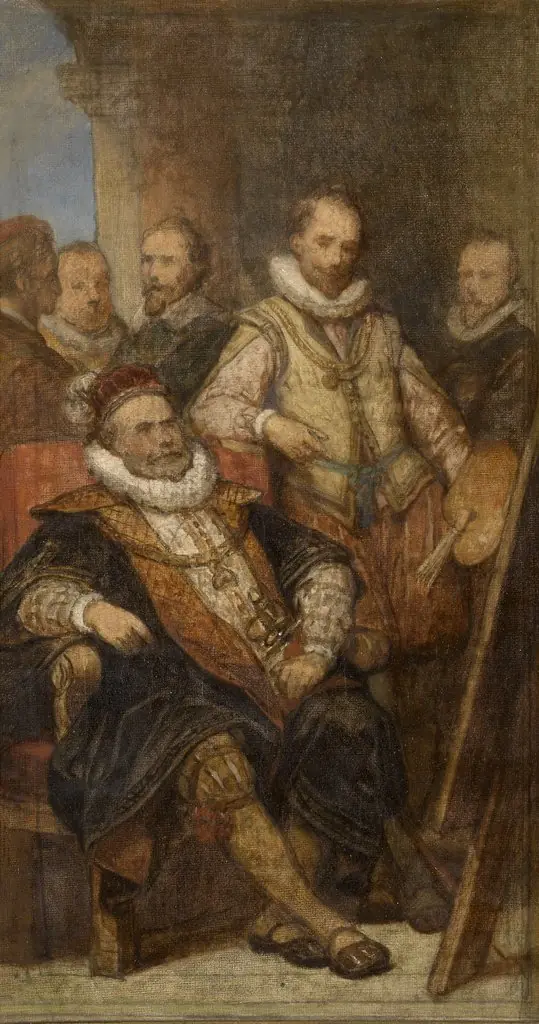 The Painter Bartholomeus Spranger in Vienna
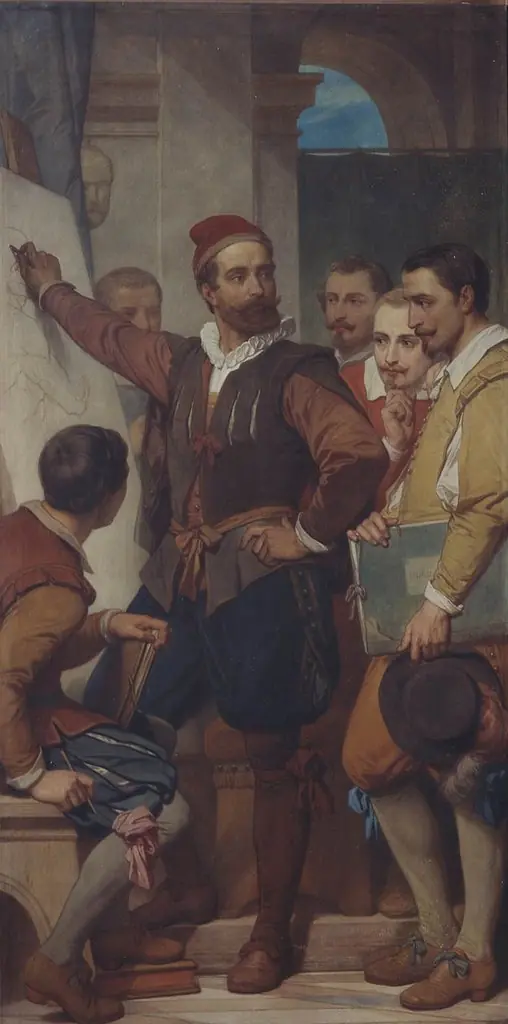 The Painter Denys Calvaert in Bologna
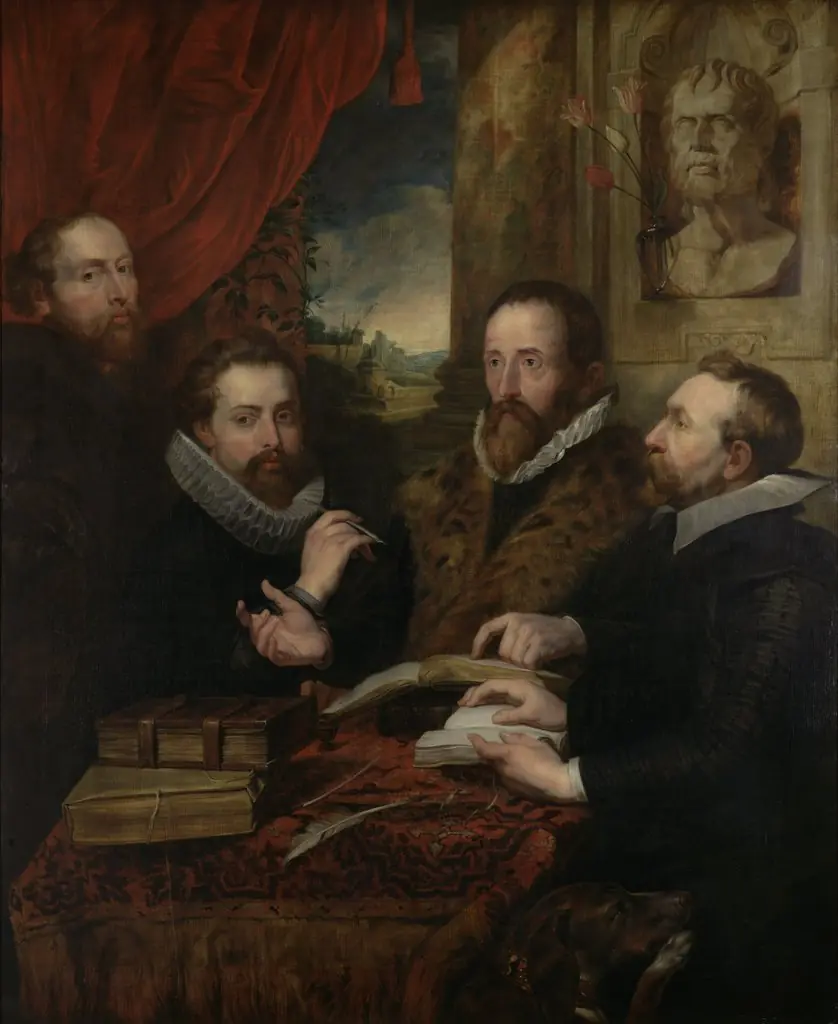 Four Philosophers
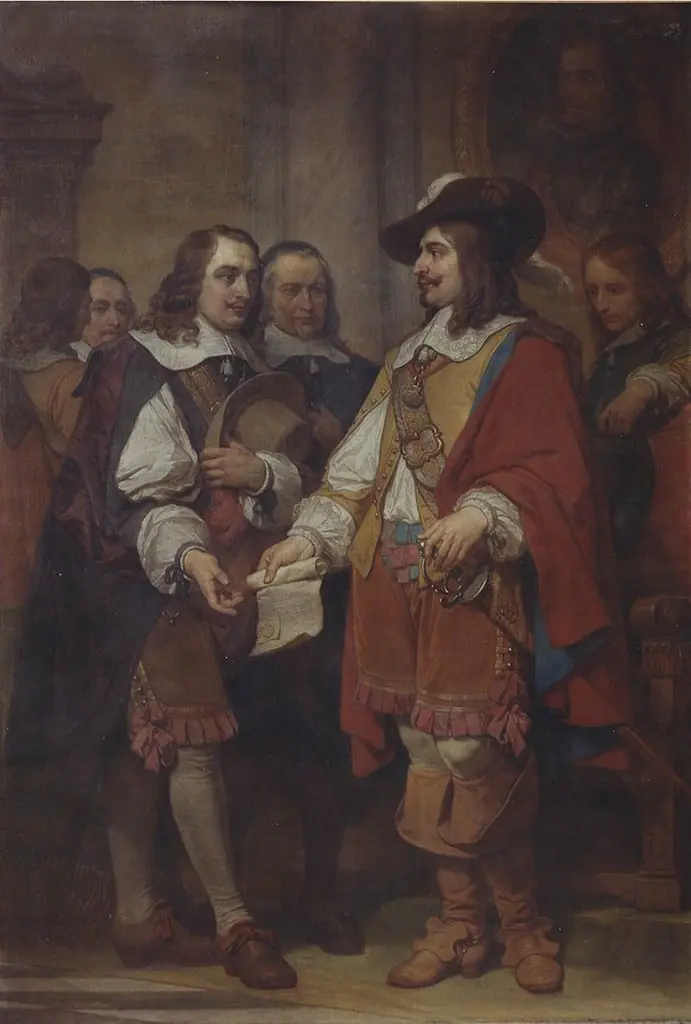 Foundation of the Antwerp Academy by David Teniers II
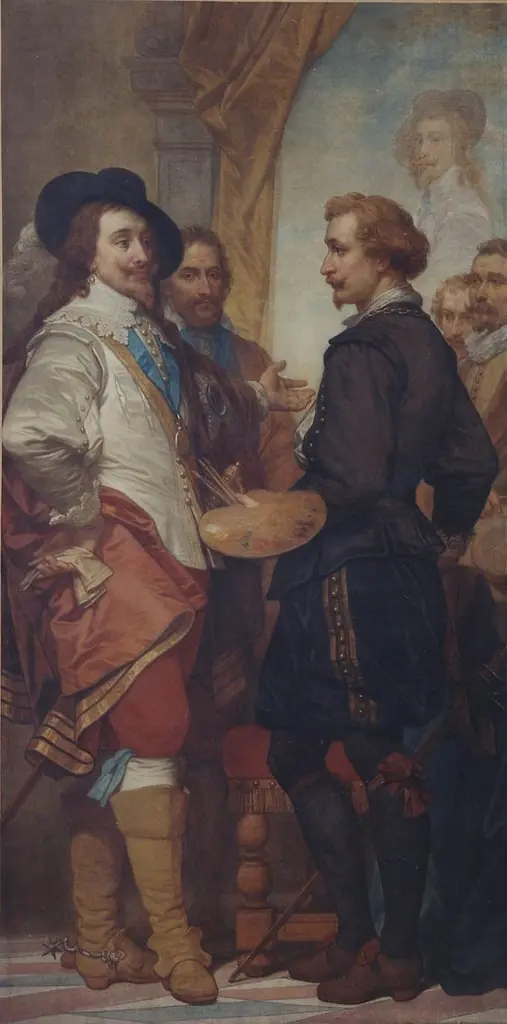 The Painter Anthony van Dyck in London
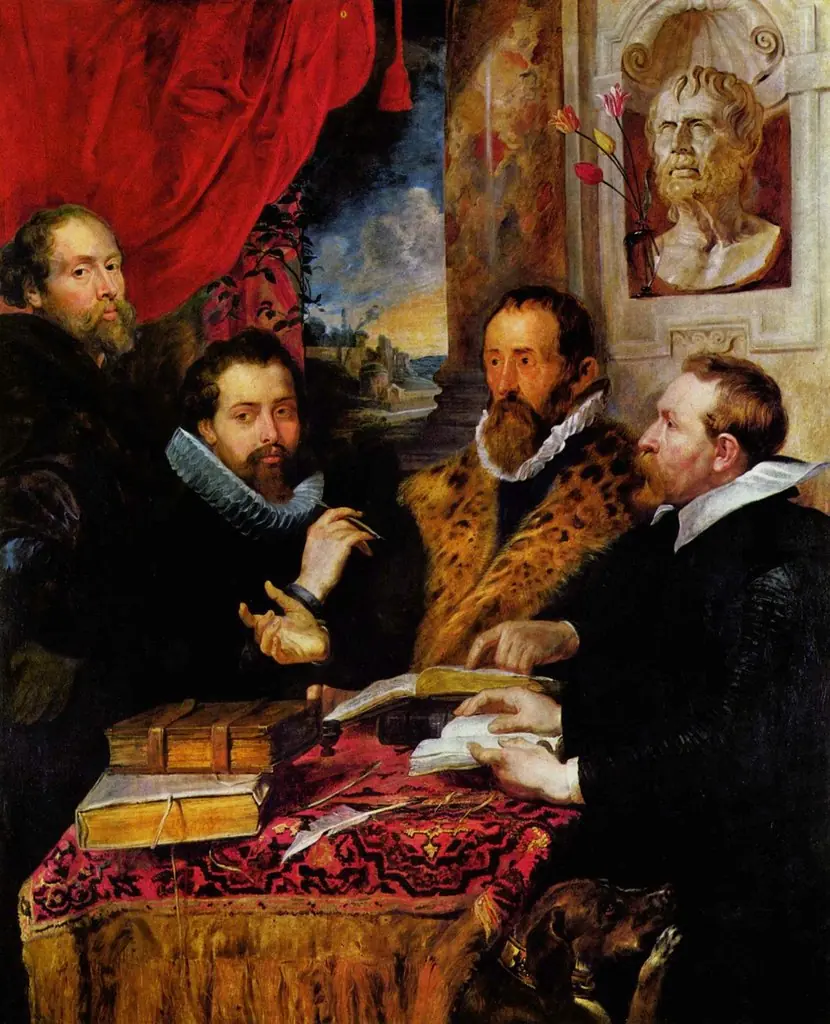 The Four Philosophers
 Portrait of four kneeling men
 Peter Paul Rubens in his Studio