Artwork
Young Man Among Roses
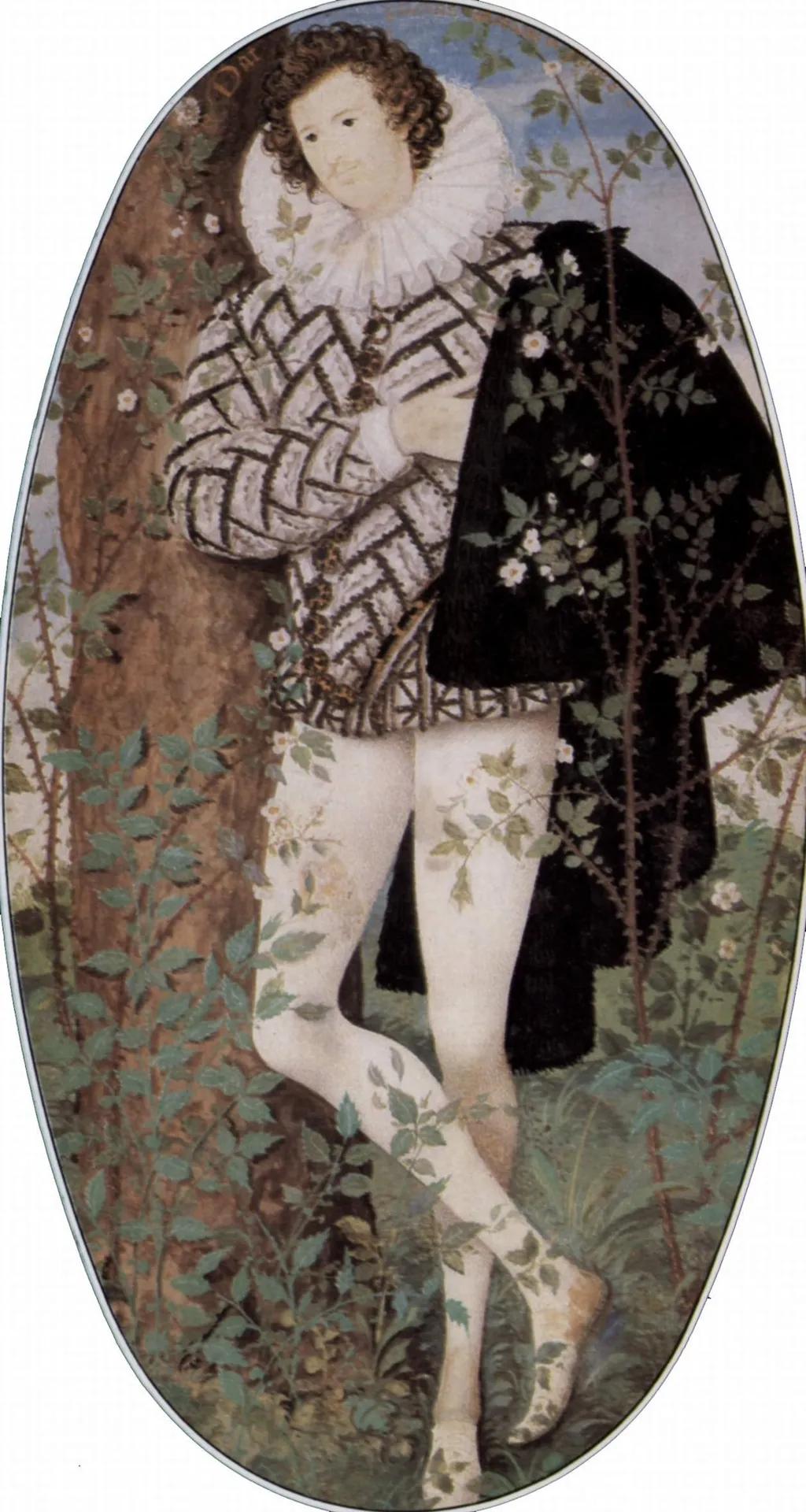
Young Man Among Roses is a watercolor painting by Nicholas Hilliard. It dates from 1594 and is held in the collection of the Victoria and Albert Museum.
About this work
Overview
Painted in 1594 on vellum, this miniature portrait by Nicholas Hilliard captures Robert Devereux, the 2nd Earl of Essex, in a refined, intimate format.
Painted in 1594 on vellum, this miniature portrait by Nicholas Hilliard captures Robert Devereux, the 2nd Earl of Essex, in a refined, intimate format. As a court artist to Elizabeth I, Hilliard specialized in small-scale works designed for personal contemplation. The piece exemplifies the Elizabethan tradition of portrait miniatures, where precision and symbolism outweighed scale. Its delicate execution reflects the technical mastery expected in aristocratic portraiture of the era.
Subject & Meaning
The subject, Robert Devereux, is depicted with solemn composure, his gaze direct and unsmiling, suggesting dignity and introspection. The surrounding roses may allude to his noble status, personal virtue, or the transient nature of youth and favor at court. The absence of overt symbols leaves interpretation open, yet the careful arrangement of flora and attire implies a coded message aligned with Elizabethan ideals of honor and restraint.
Technique & Style
Hilliard rendered the portrait using watercolor on vellum, applying fine brushwork to capture texture in fabric, hair, and petals. His method emphasized clarity over atmospheric depth, with crisp outlines and muted tones. The ruffled collar and draped cloak are rendered with meticulous detail, while the garden background remains stylized, serving as a neutral frame rather than a naturalistic setting. This approach prioritized likeness and elegance over illusionistic space.
History & Provenance
Created during Essex’s rise at Elizabeth I’s court, the miniature likely served as a personal token or diplomatic gift. It remained within aristocratic circles after his fall and execution in 1601. The work’s survival is notable, as many such miniatures were lost or dispersed. Its documented attribution to Hilliard and association with Essex anchor it in the historical record of late Tudor portraiture.
Context
In late 16th-century England, portrait miniatures were prized among the elite as intimate objects of identity and allegiance. Hilliard’s style, distinct from continental traditions, favored flat planes, jewel-like color, and psychological subtlety. This work reflects a culture where appearance conveyed political and social meaning, and where the artist’s skill in capturing likeness was as valued as the sitter’s status.
Legacy
Hilliard’s approach influenced generations of English miniaturists and helped establish a national style distinct from continental portraiture. Though small in size, works like this one shaped how nobility presented themselves visually. The persistence of such portraits in collections today underscores their role as both personal artifacts and historical documents of courtly life in early modern England.
Artist & collection
Artist
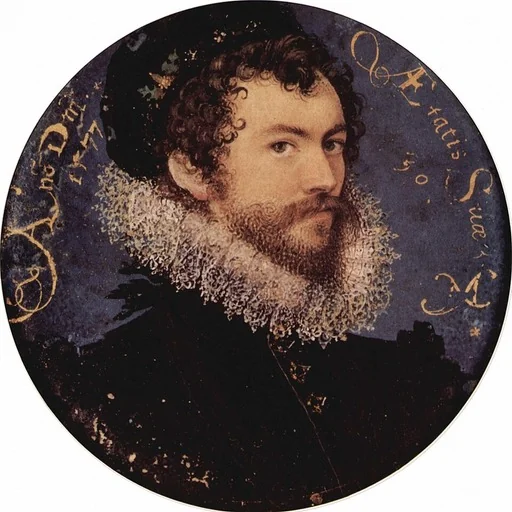
Nicholas Hilliard (c. 1547 – before 7 January 1619) was an English goldsmith and limner best known for his portrait miniatures of members of the courts of Elizabeth I and James I of England. He mostly painted small oval…

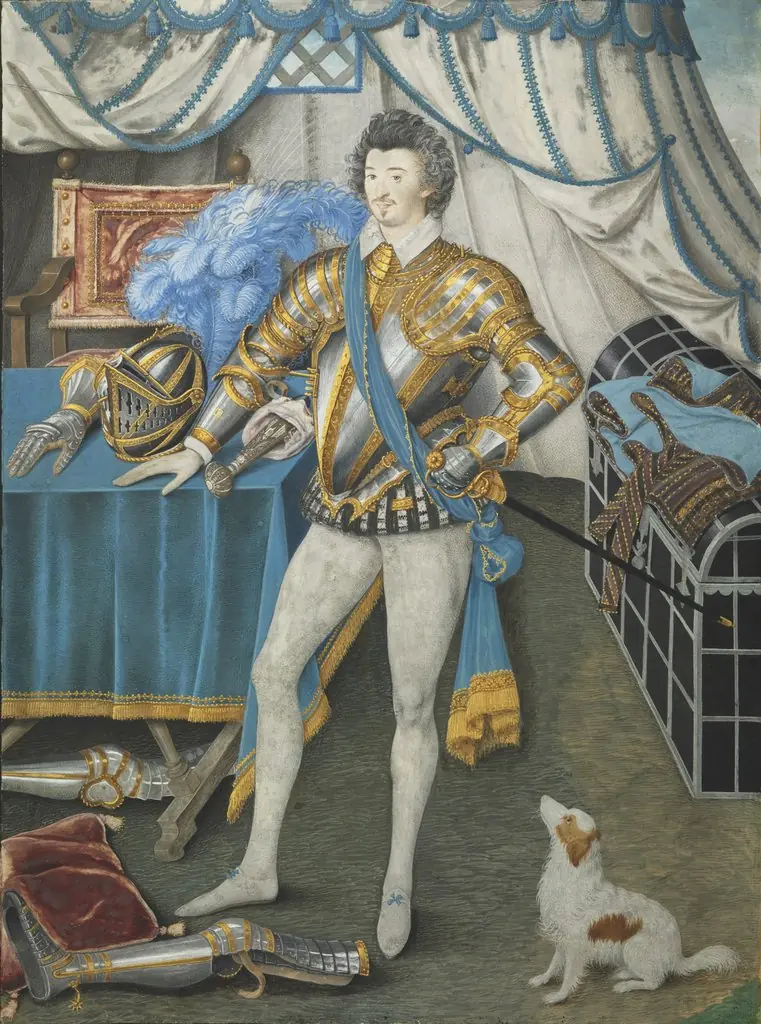 Sir Anthony Mildmay, Knight of Apethorpe, Northamptonshire
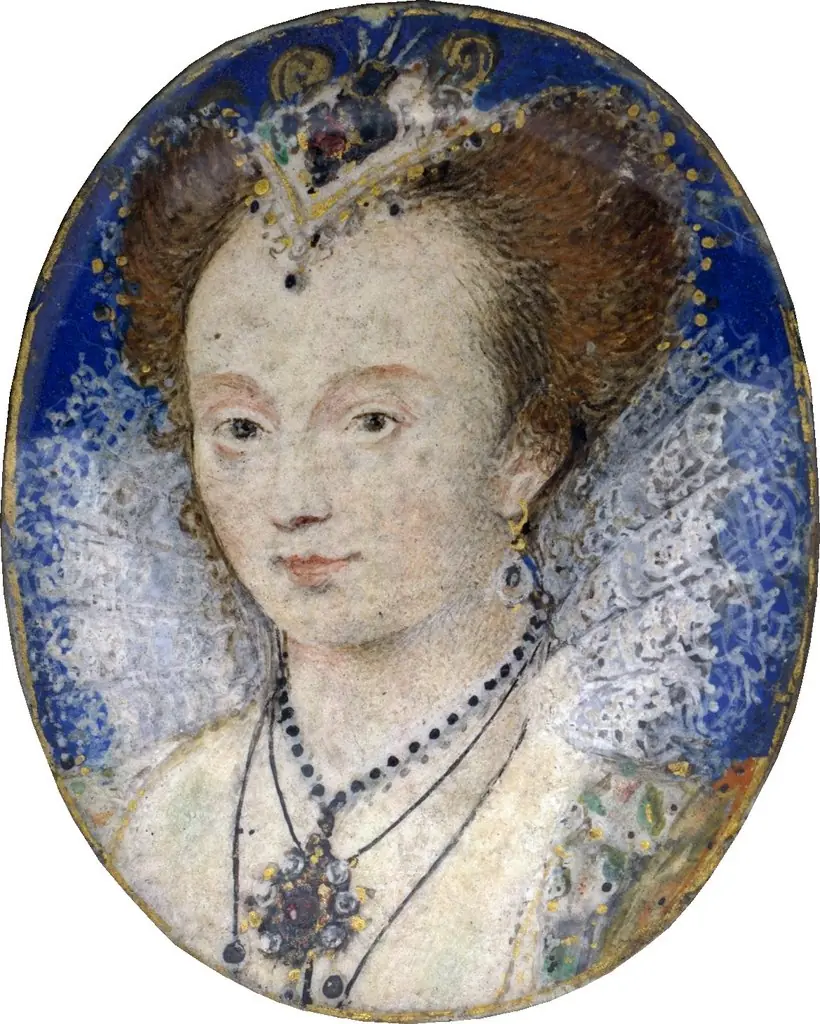 Portrait of a Woman
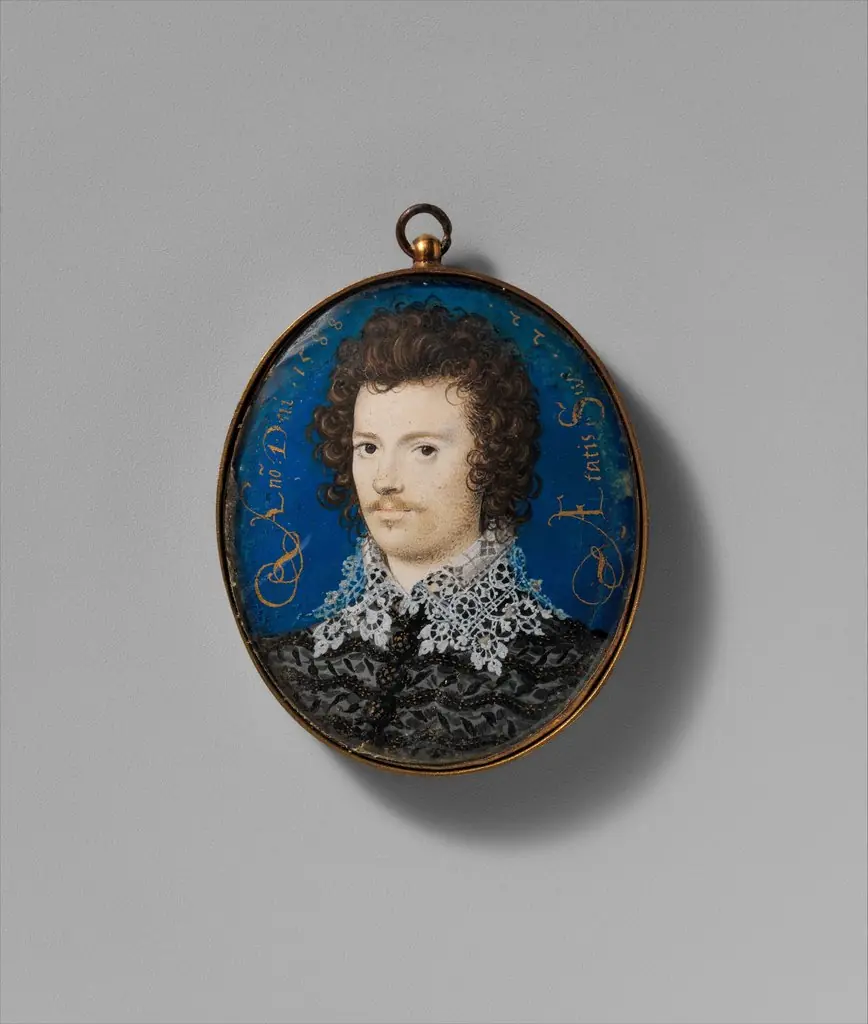 Portrait of a Young Man, Probably Robert Devereux (1566–1601), Second Earl of Essex
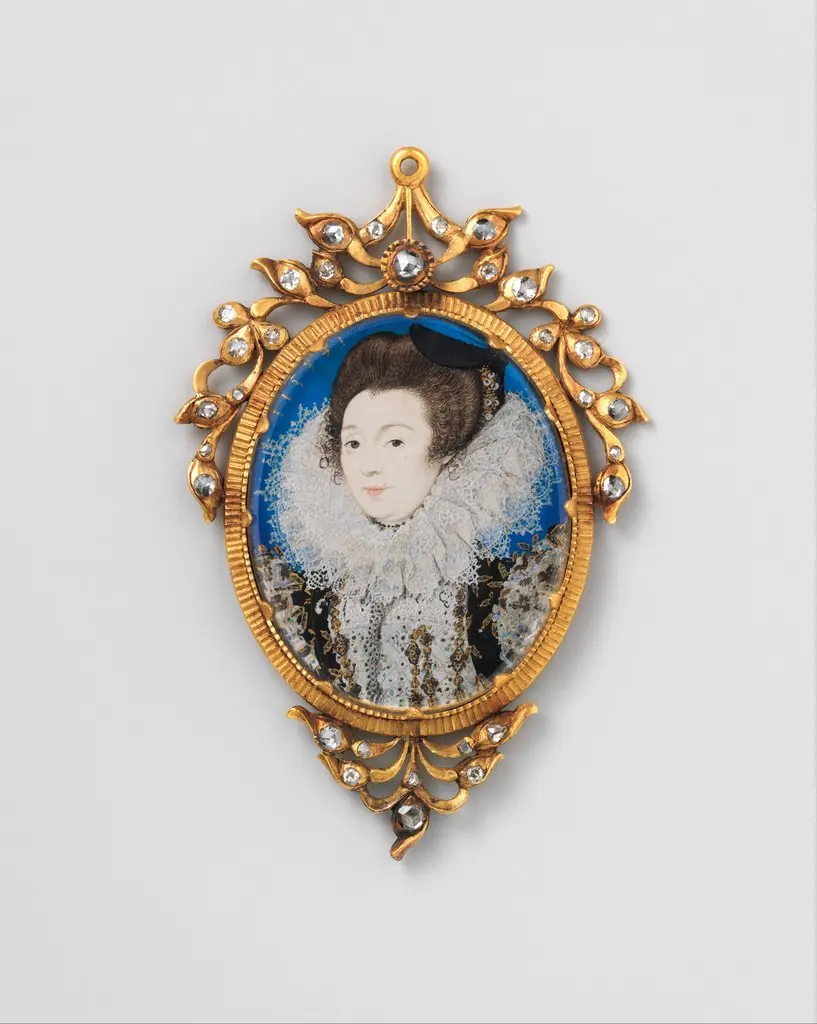 Portrait of a Woman
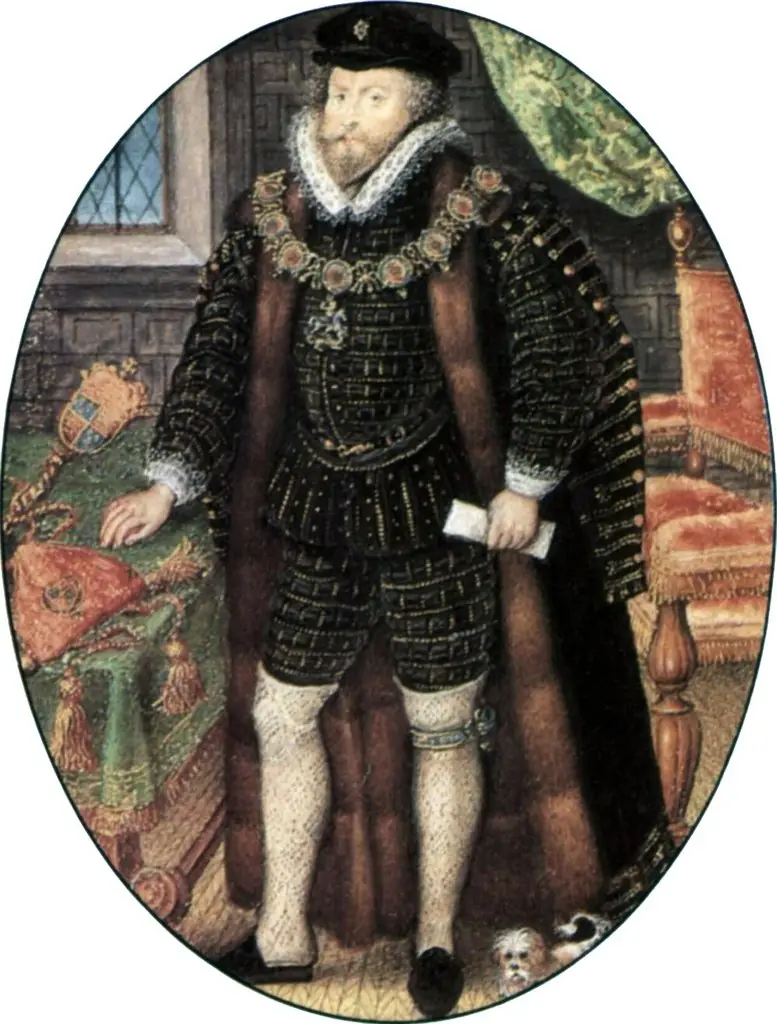 Sir Christopher Hatton
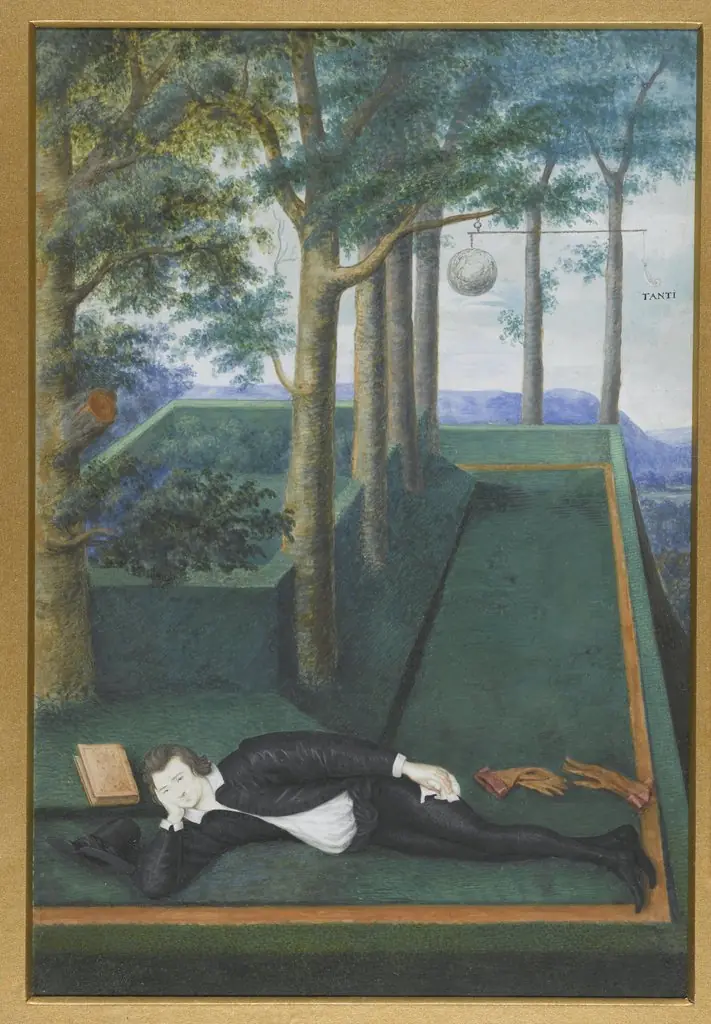 Henry Percy, 9th Earl of Northumberland
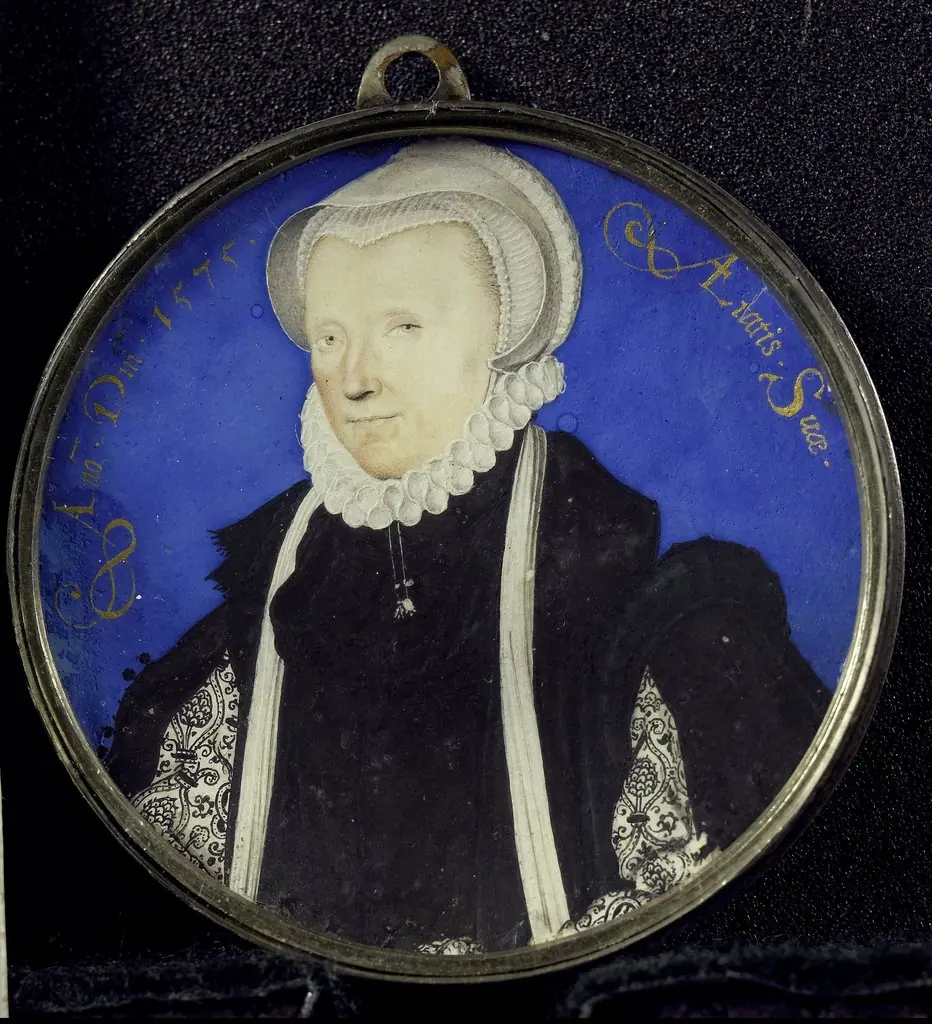 Lady Margaret Douglas, Countess of Lennox
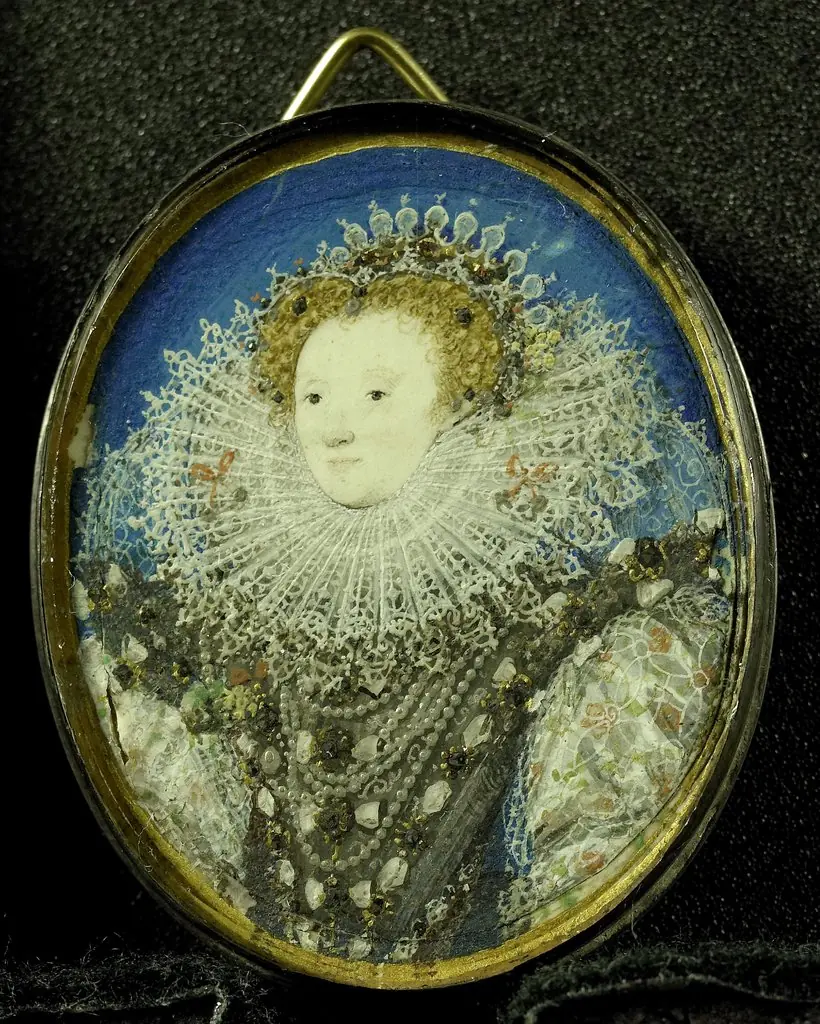 Elizabeth I of England
 Portrait of Saint Quirinus of Neuss
 Benvenuto Cellini (1500–1571) (design for a mosaic in the Victoria and Albert Museum)
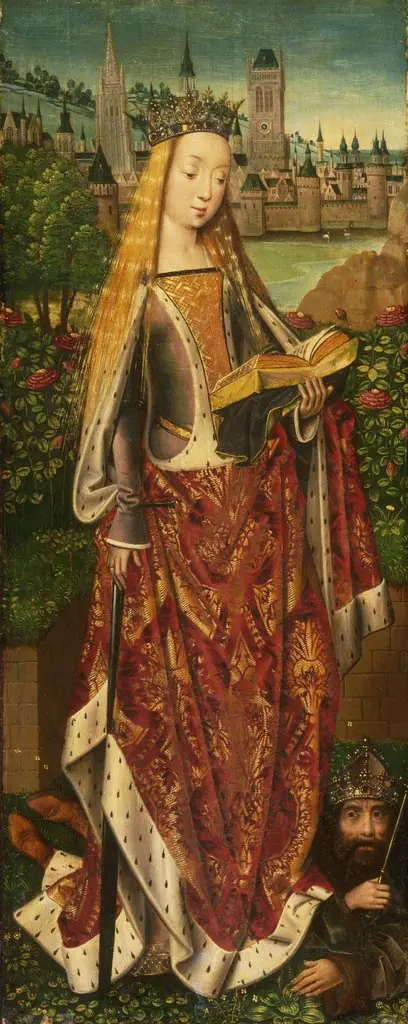 Saint Catherine of Alexandria, with the Defeated Emperor
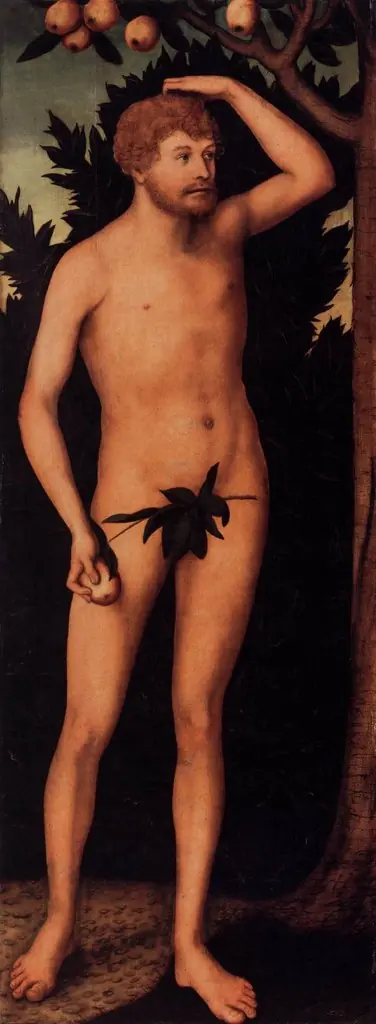 Adam
Adam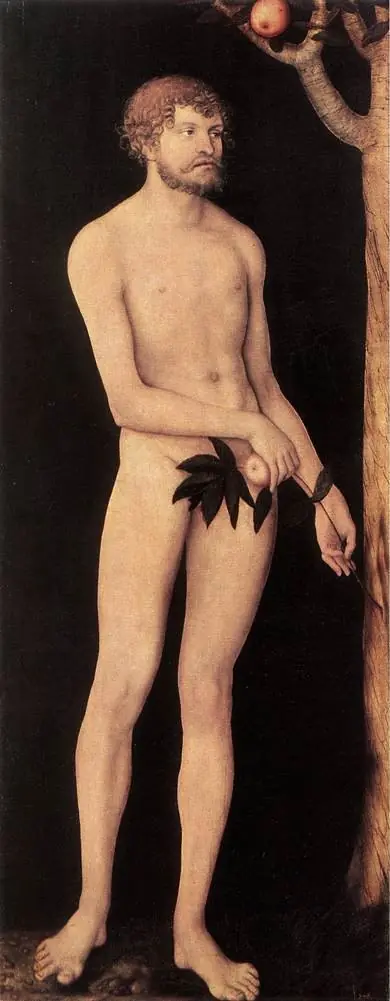 Adam
Adam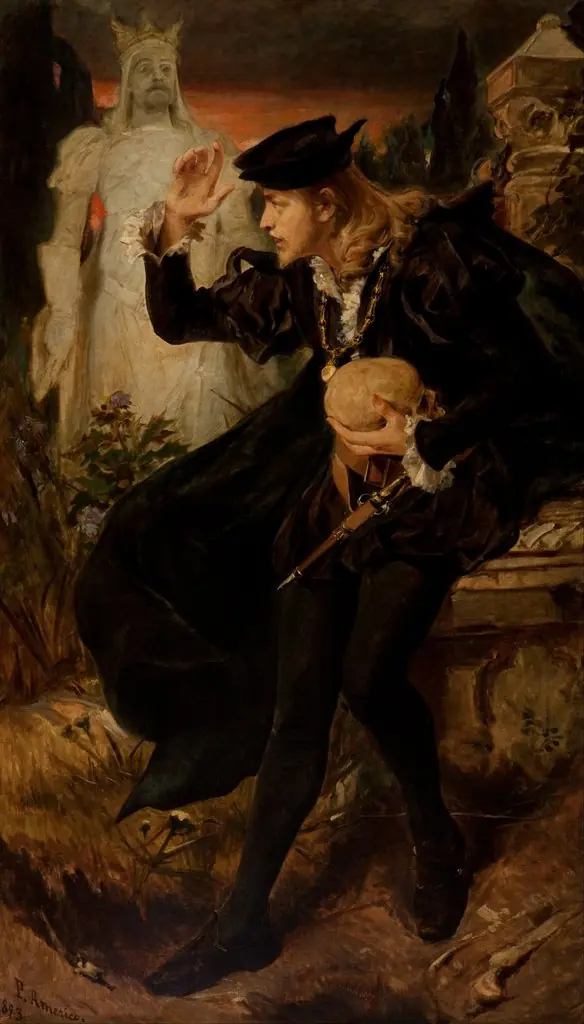 Hamlet’s Vision
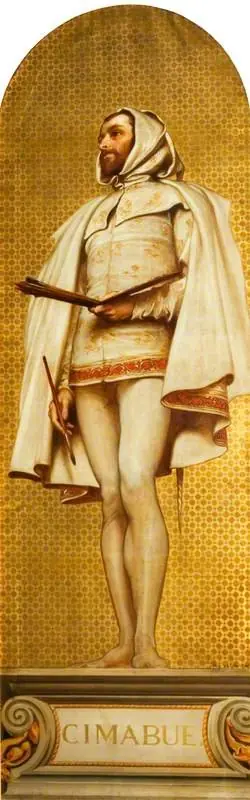 Giovanni Cimabue (1240–1302) (design for a mosaic in the Victoria and Albert Museum)
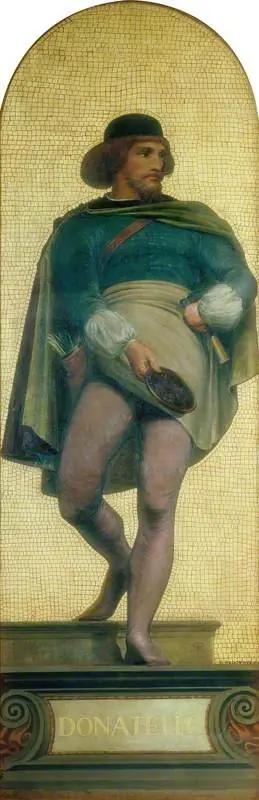 Donatello (c.1386–1466) (design for a mosaic in the Victoria and Albert Museum)
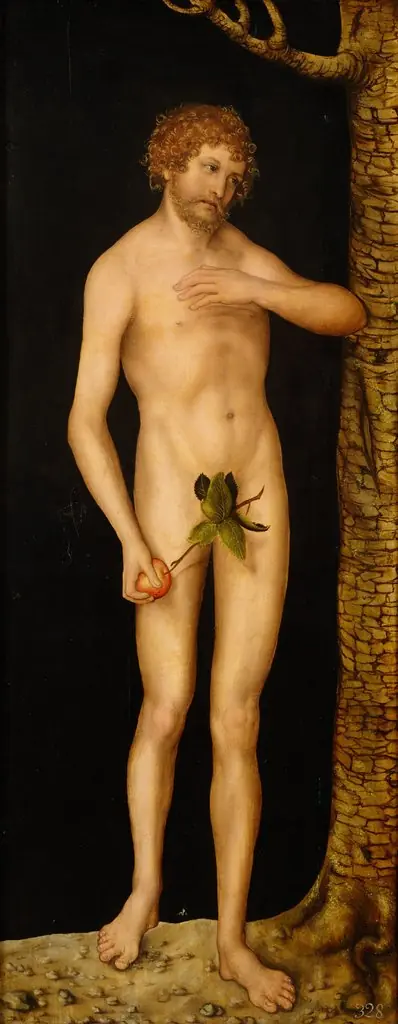 The Fall of Man: Adam
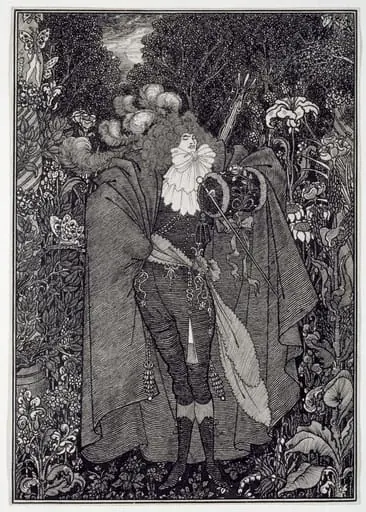 The Abbé
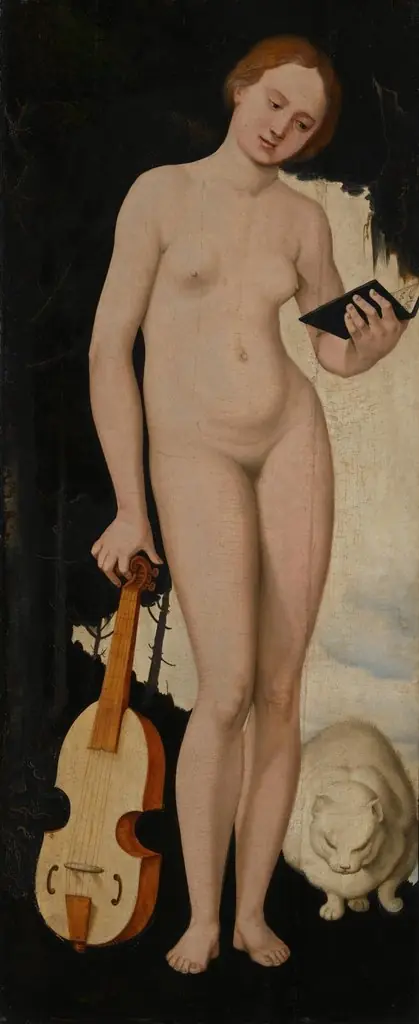 Woman with Cat
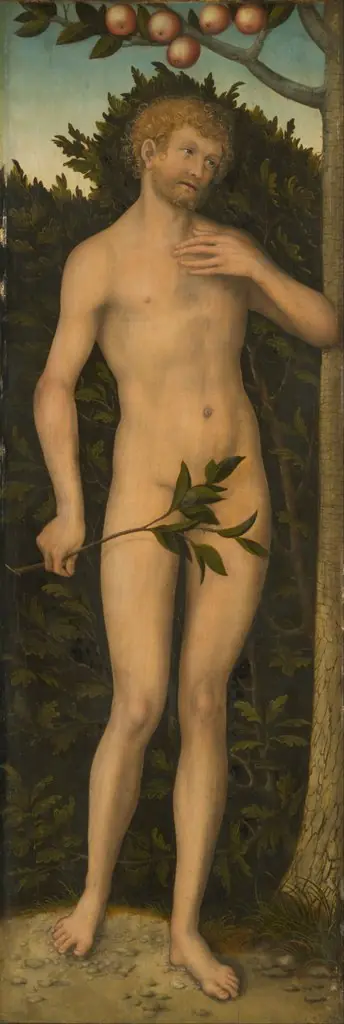 Adam
Adam