Artwork
Landscape with Saint John on Patmos
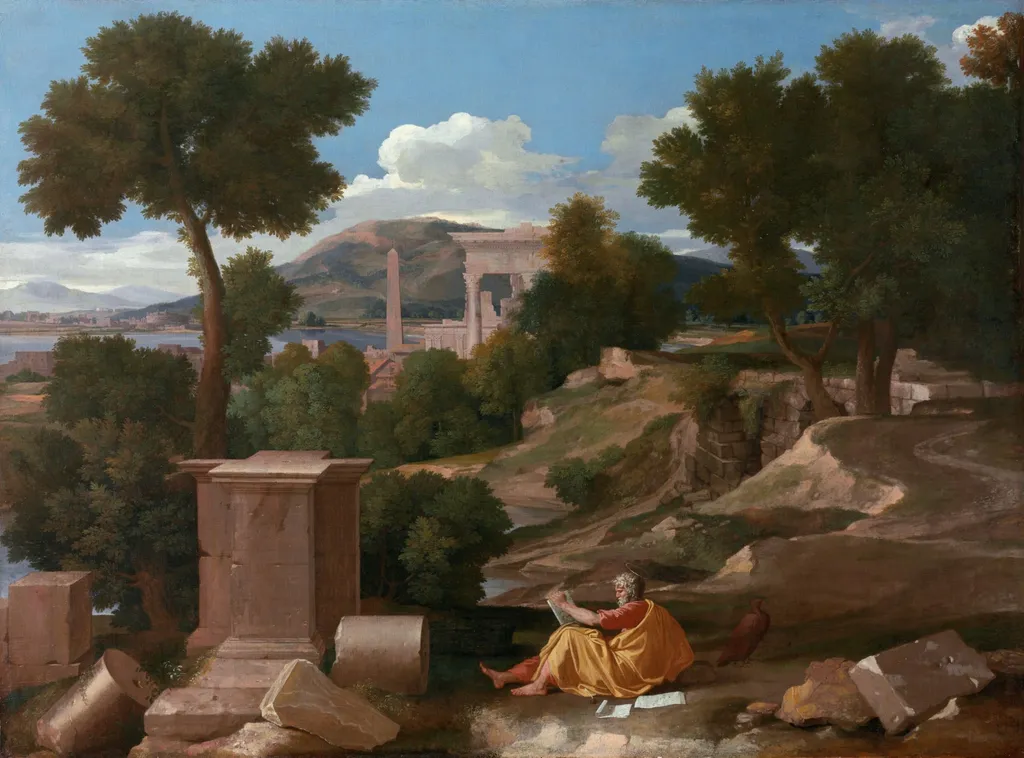
Landscape with Saint John on Patmos is an oil painting by the Barbizon school artist Nicolas Poussin. It dates from 1640 and is held in the collection of the Art Institute of Chicago.
About this work
Overview
Though traditionally portrayed as a young man, John is shown here as elderly, reflecting Poussin’s emphasis on contemplative maturity.
Painted in oil on canvas, this work by Nicolas Poussin depicts Saint John the Evangelist on the island of Patmos, engaged in writing. Though traditionally portrayed as a young man, John is shown here as elderly, reflecting Poussin’s emphasis on contemplative maturity. The scene unfolds within a carefully composed landscape that blends natural elements with architectural remnants of antiquity, creating a harmonious, ordered space aligned with classical ideals.
Subject & Meaning
Saint John, traditionally the youngest apostle, is rendered as an aged figure to convey spiritual wisdom rather than youthful vigor. The eagle beside him symbolizes divine inspiration, a common attribute linked to the author of the Gospel and Revelation. The quiet act of writing in solitude underscores the theme of revelation through reason and faith, aligning Christian narrative with Stoic ideals of calm introspection and intellectual order.
Technique & Style
Poussin structured the landscape using geometric precision, arranging hills, trees, and ruins in parallel planes to reinforce spatial clarity. Forms are softened yet controlled, avoiding dramatic contrasts in favor of balanced tonal relationships. The composition avoids theatricality, instead favoring measured rhythms and harmonious proportions derived from classical architecture, reflecting a deliberate departure from Baroque dynamism.
History & Provenance
Created during Poussin’s time in Rome, the painting likely belonged to a planned series of the four Evangelists, with a companion piece depicting Saint Matthew now in Berlin. Commissioned by educated patrons familiar with classical and theological scholarship, the work reflects Poussin’s position within a circle that valued intellectual depth over emotional spectacle. Its early ownership traces to Italian and French collectors of antiquarian taste.
Context
In mid-seventeenth-century Rome, intellectual circles fused Christian theology with classical philosophy, particularly Stoicism. Poussin’s landscapes served as visual meditations on this synthesis, where ancient ruins and orderly nature became metaphors for divine reason. His work stood apart from contemporaries by rejecting sensory overload in favor of structural clarity, resonating with patrons who sought art as a vehicle for philosophical reflection.
Legacy
Poussin’s approach to landscape and narrative became a touchstone for later generations seeking order in art. His integration of classical form with religious subject matter influenced Neoclassical painters and theorists who viewed his work as the epitome of disciplined composition. Though not widely known to the public, his methods shaped academic training and the enduring association of classicism with rational beauty in Western art.
Own this work as a print
Artist & collection
Artist
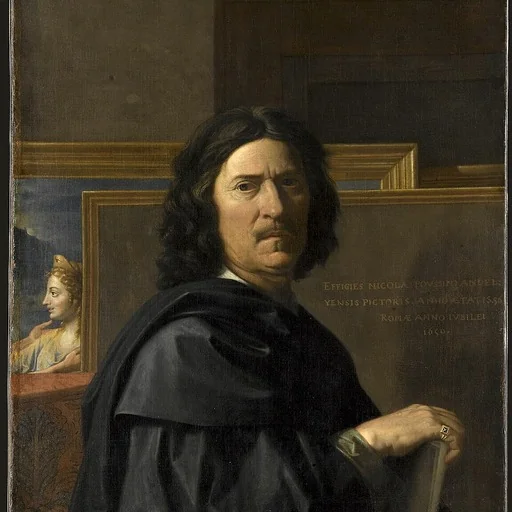
Nicolas Poussin (UK: , US: , French: ; June 1594 – 19 November 1665) was a leading painter of the classical French Baroque style, although he spent most of his working life in Rome.

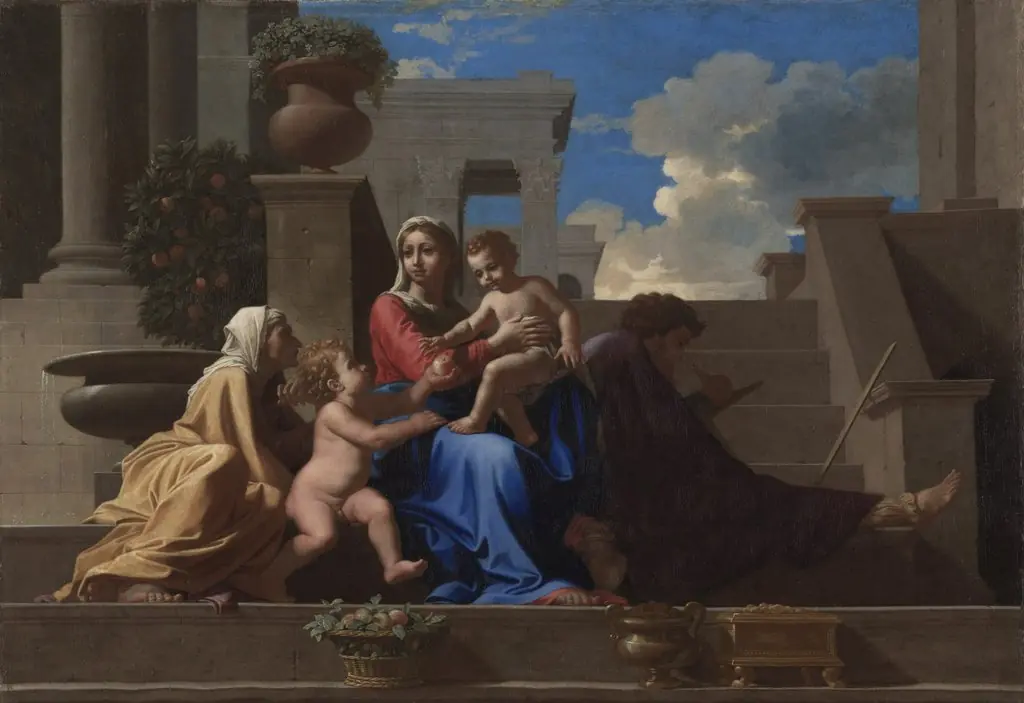
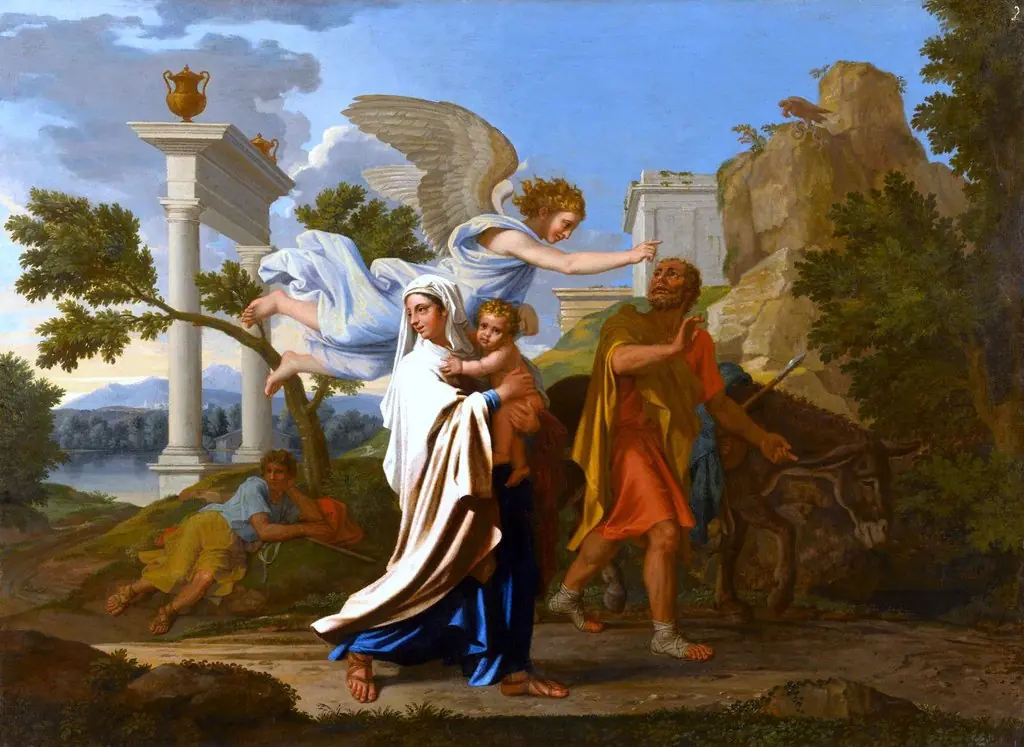
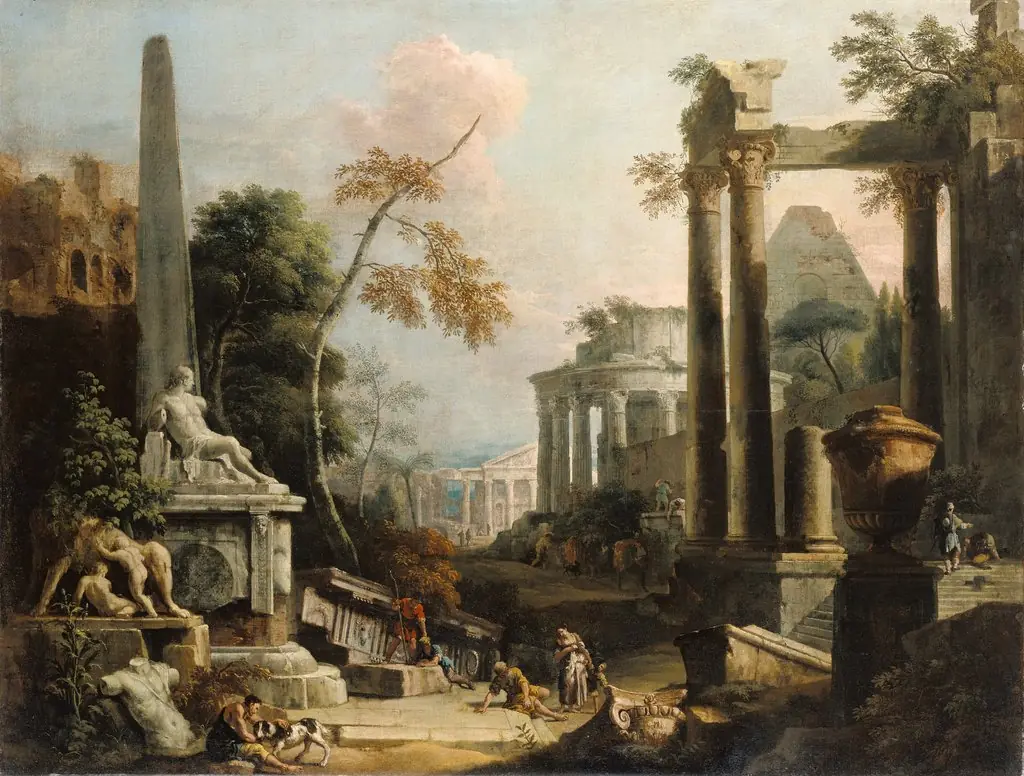 Landscape with Classical Ruins and Figures
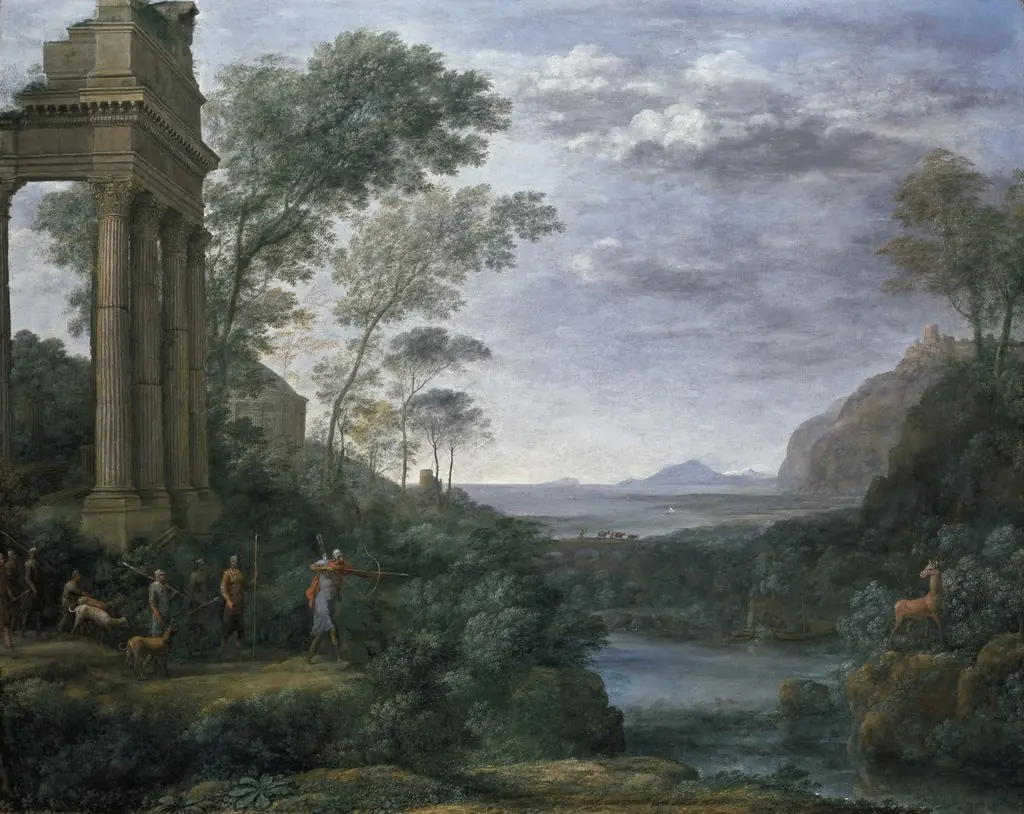 Ascanius Shooting the Stag of Sylvia
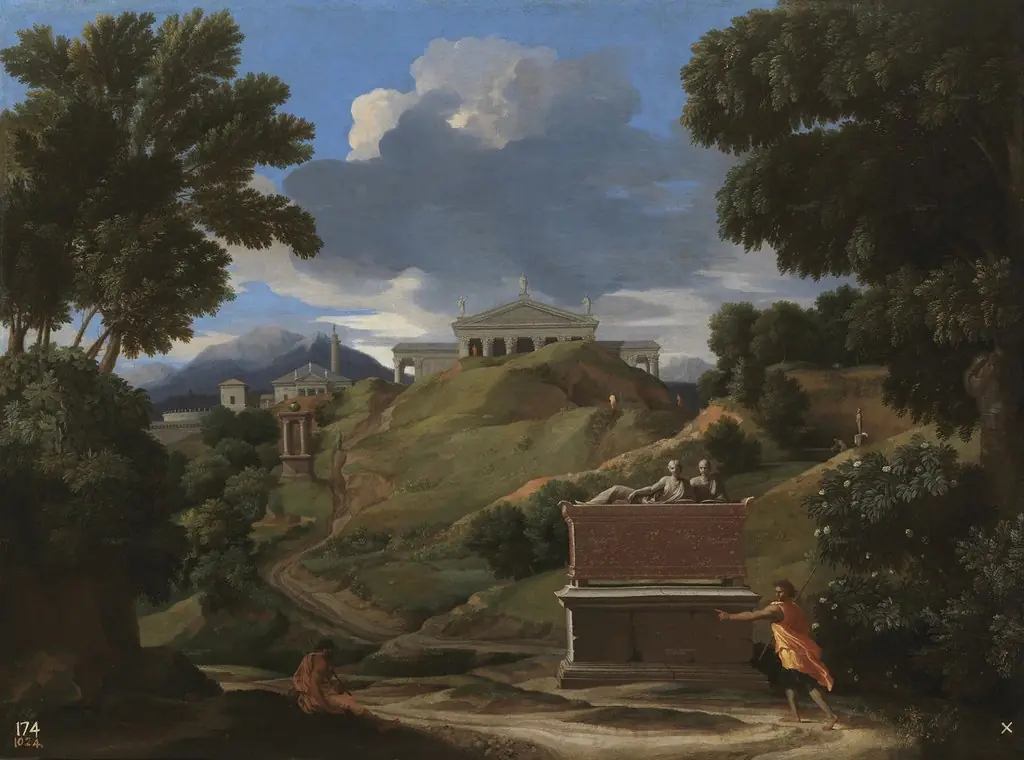 Landscape with Ruins
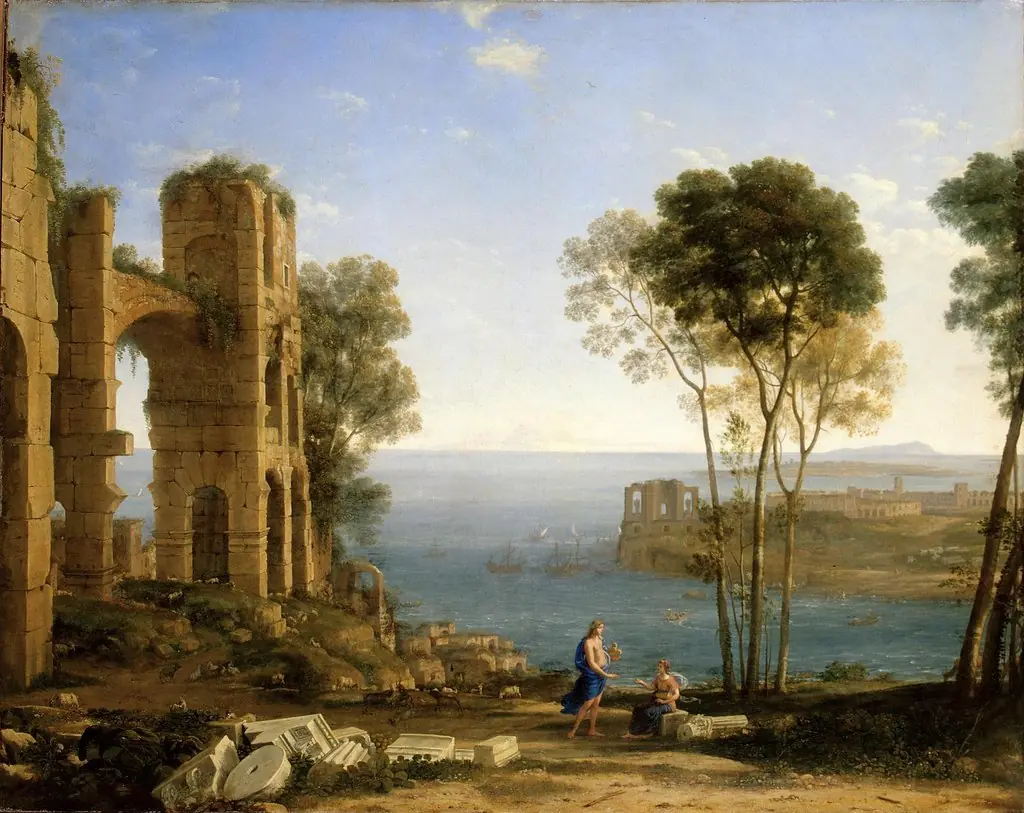 Coast View with Apollo and the Cumaean Sibyl
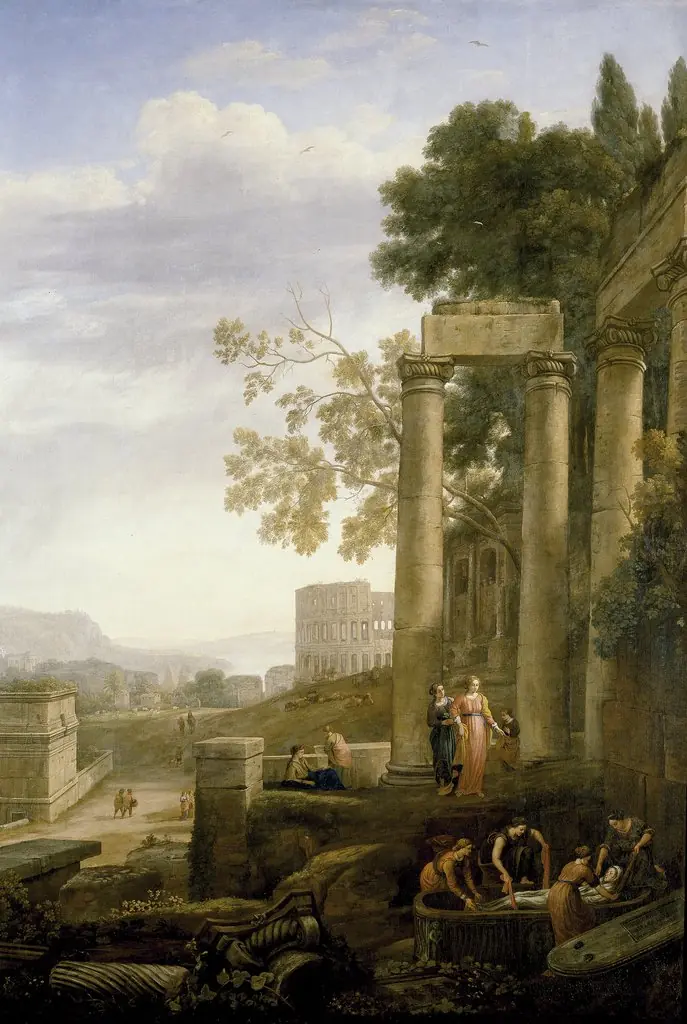 Landscape with the Burial of Saint Serapia
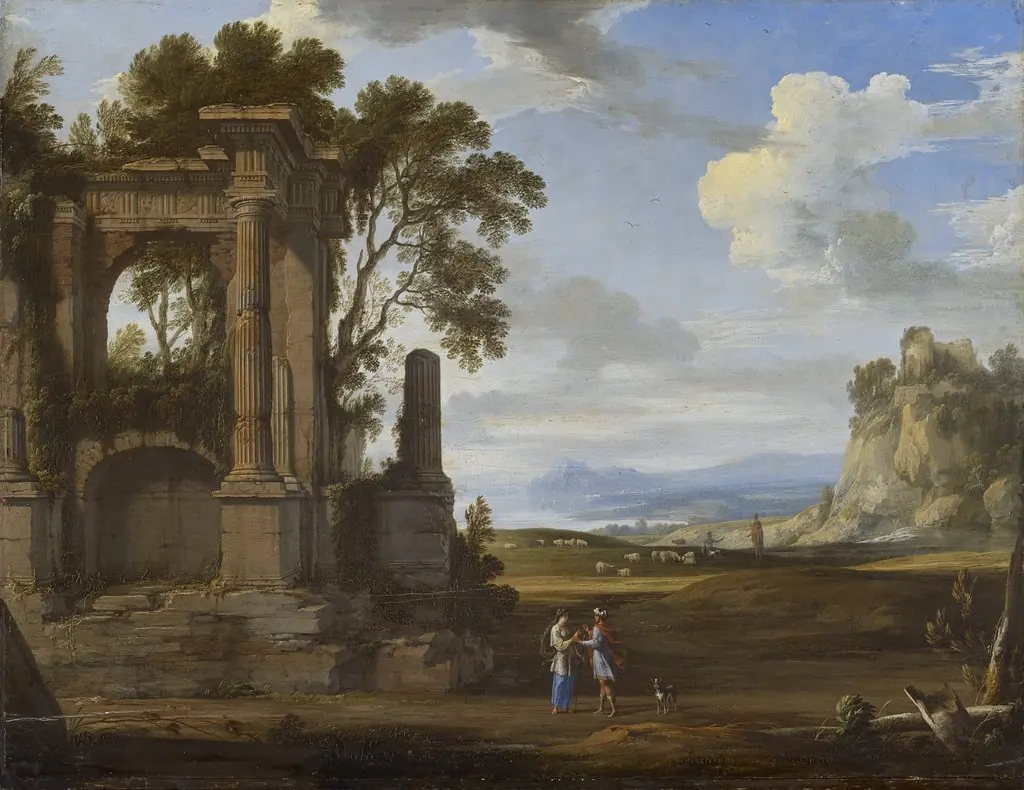 A Classical Landscape with Judah and Tamar
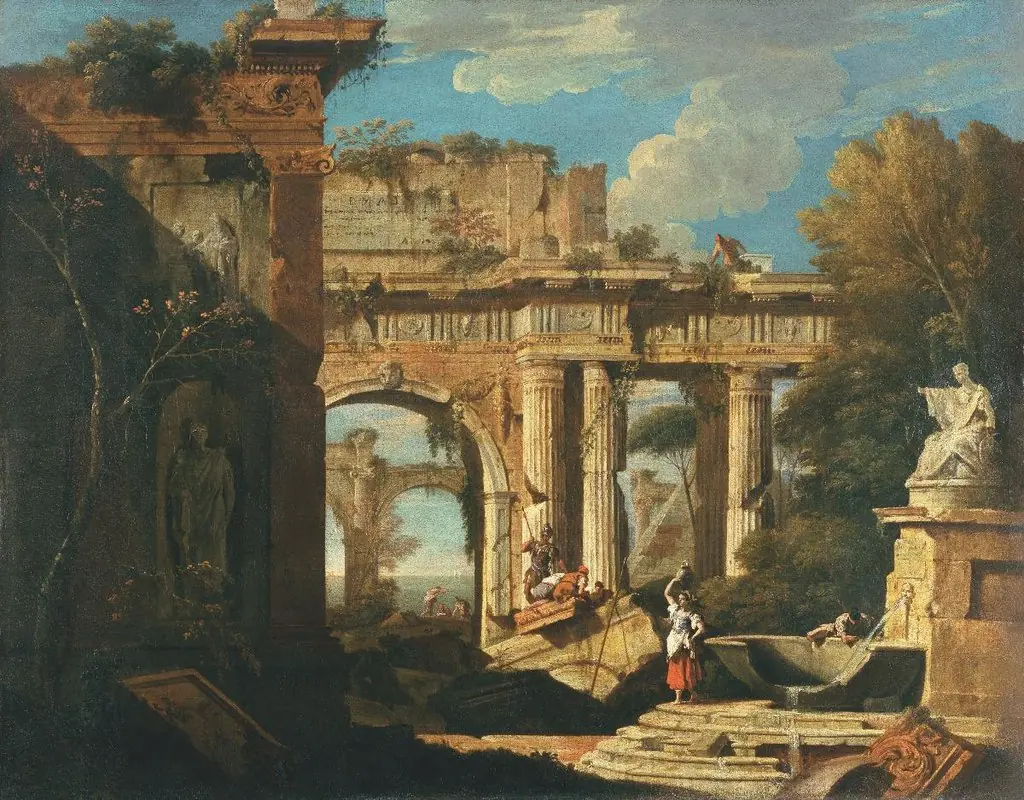 Capriccio con rovine romane
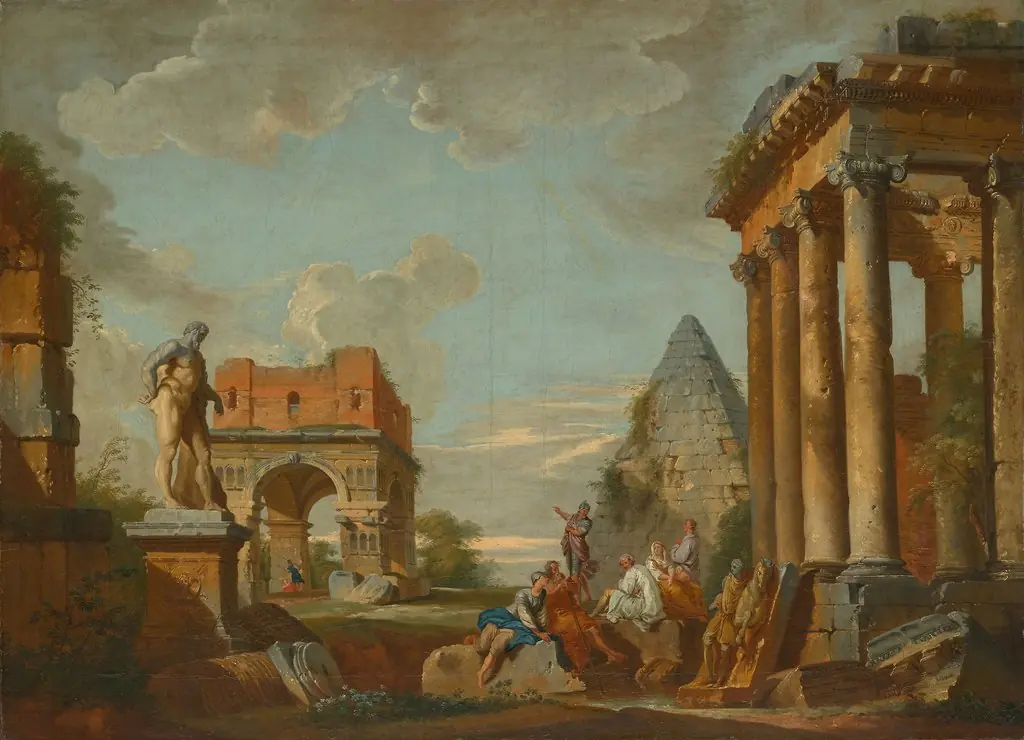 Classical Landscape
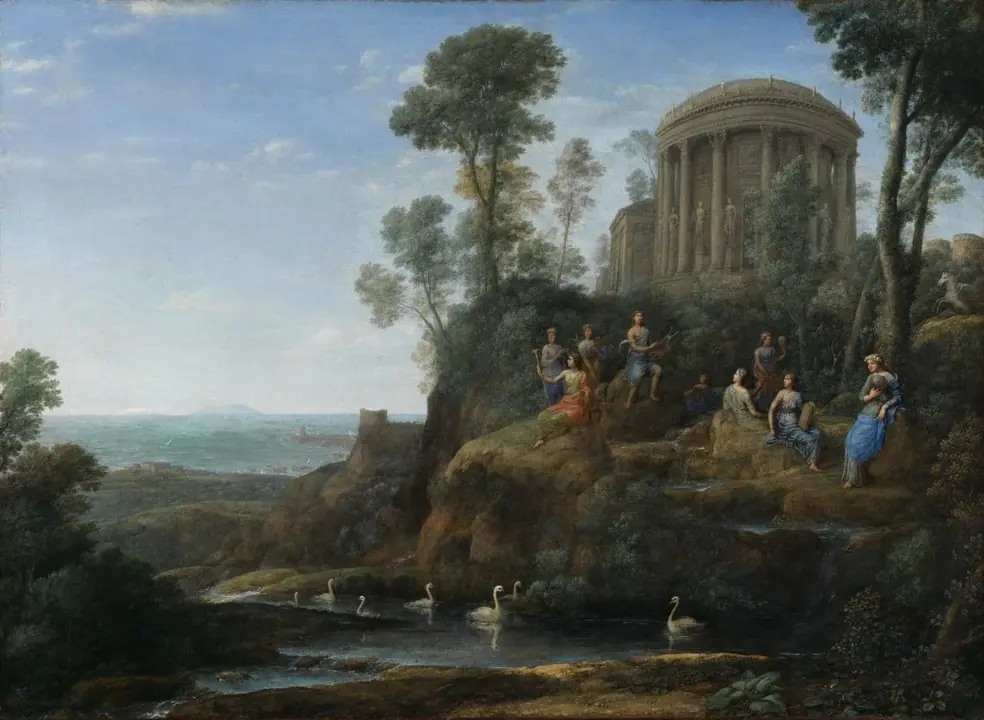 Apollo and the Muses on Mount Helicon