Artwork
Landscape with Ruins
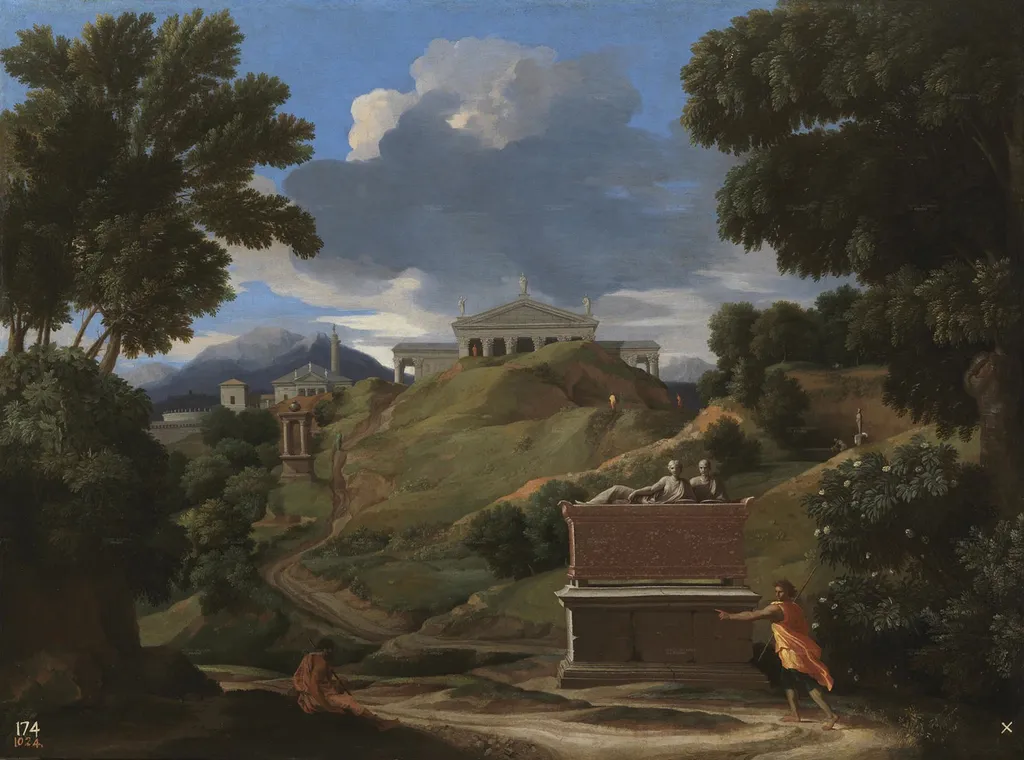
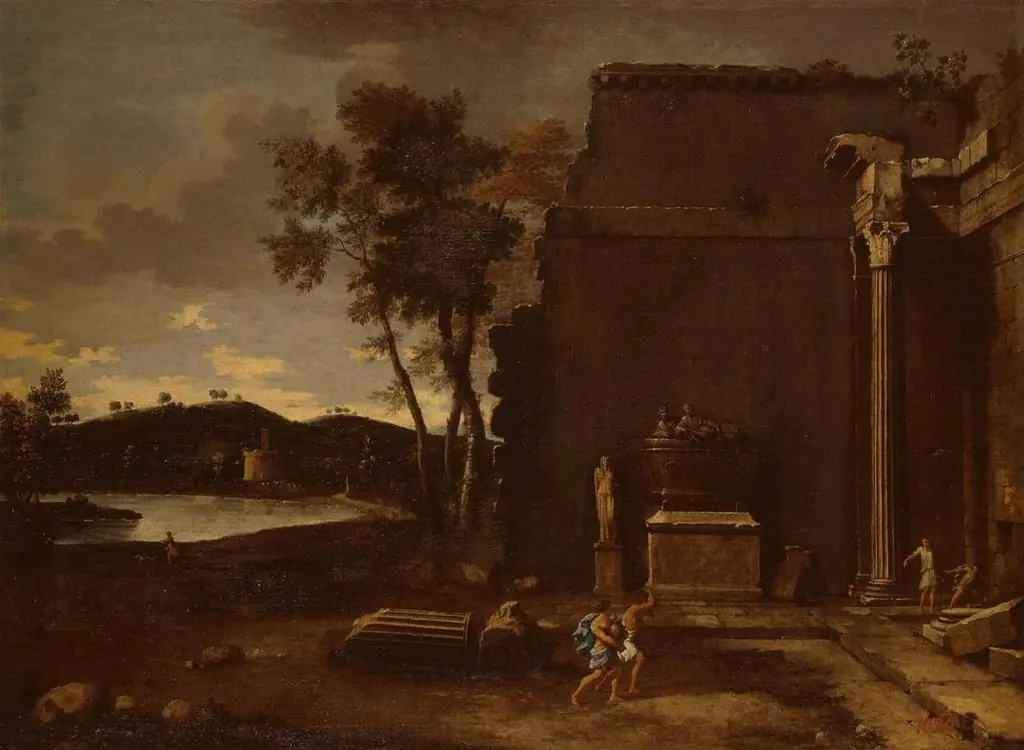
Landscape with Ruins is an oil painting by the Dutch Golden Age artist Nicolas Poussin. It dates from 1634 and is held in the collection of the Museo del Prado.
About this work
Overview
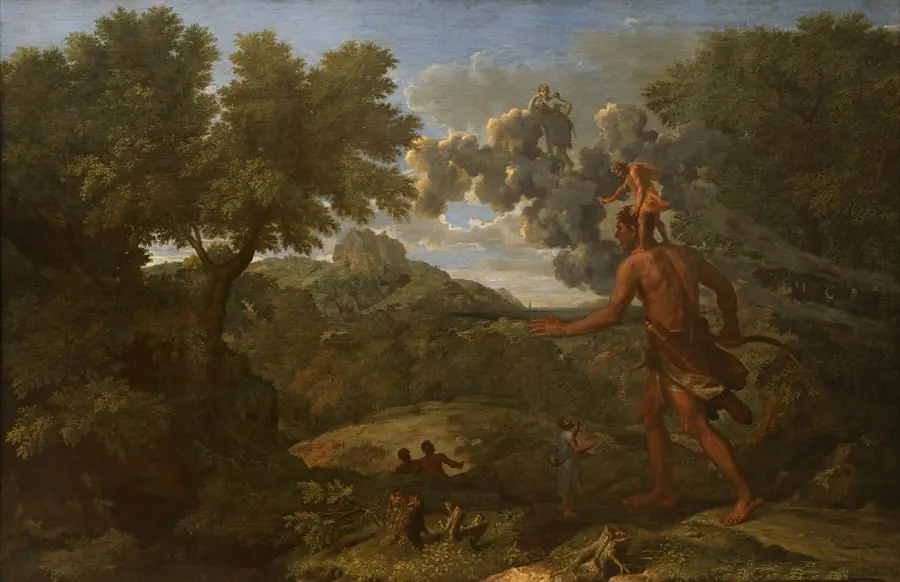
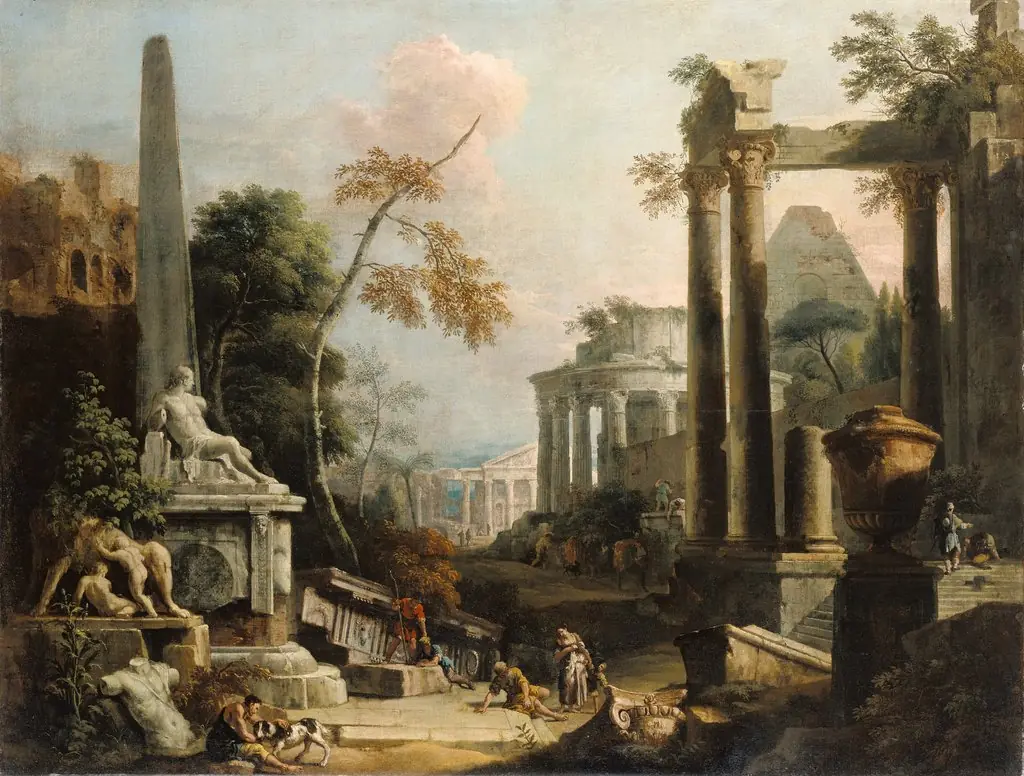
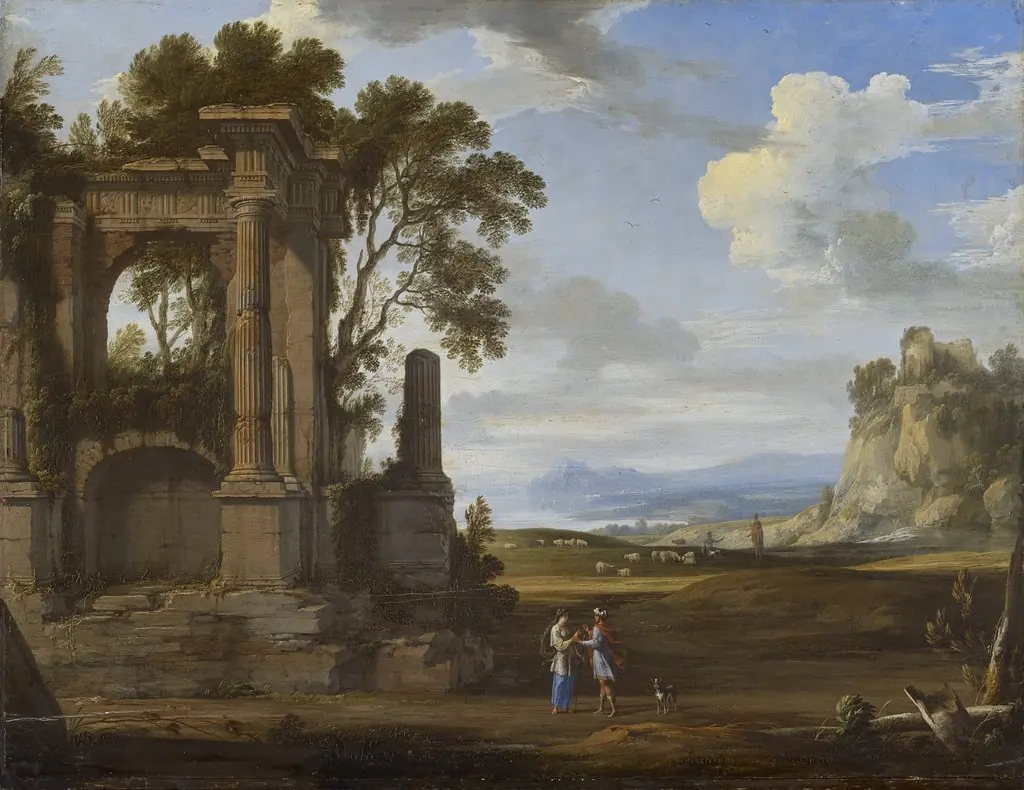
Painted in 1634, Landscape with Ruins is an oil-on-canvas work by Nicolas Poussin, representing a classical landscape infused with quiet narrative.
Painted in 1634, Landscape with Ruins is an oil-on-canvas work by Nicolas Poussin, representing a classical landscape infused with quiet narrative. The composition centers on ancient architectural remnants nestled in a rolling terrain, framed by towering trees on either side. The scene is neither bustling nor desolate, but contemplative, inviting the viewer to consider time’s passage through its stillness and detail.
Subject & Meaning
Two figures engage in a laborious act: one pushes a massive stone sarcophagus, while another sits nearby, observing. Their presence suggests a ritual or burial rite, though no mythological narrative is explicitly identified. The ruins and the act of moving a tomb imply themes of mortality, memory, and the persistence of human effort against the decay of time, common in Poussin’s meditative landscapes.
Technique & Style
Poussin employs precise brushwork to render varied textures—weathered stone, rough bark, and earthy soil—with subtle tonal gradations. The palette is restrained yet rich, dominated by ochres, greens, and muted reds, harmonized by soft atmospheric perspective. Figures are scaled to emphasize the monumentality of nature and architecture, reflecting Poussin’s structured, intellectual approach to landscape painting.
History & Provenance
The painting entered the Spanish royal collection in the 17th century and was later transferred to the Museo del Prado in Madrid, where it remains today. Its presence in Spain suggests it was acquired during a period of active patronage of Northern Italian and French artists by the Habsburg court, reflecting broader European tastes in classical-inspired art.
Context
Created during Poussin’s Roman period, the work aligns with his growing interest in antiquity and the moral weight of ruins. Contemporary viewers would have recognized classical motifs and allusions to Roman funerary practices. The painting reflects a shift in landscape art from mere backdrop to a vehicle for philosophical reflection, influenced by humanist thought and classical literature.
Legacy
Landscape with Ruins contributed to the development of the classical landscape tradition in Western art. Its restrained emotion and structured composition influenced later artists, including Claude Lorrain and 18th-century academic painters. The work endures as a quiet exemplar of how landscape can convey existential themes without overt drama or narrative.
Own this work as a print
Artist & collection
Artist
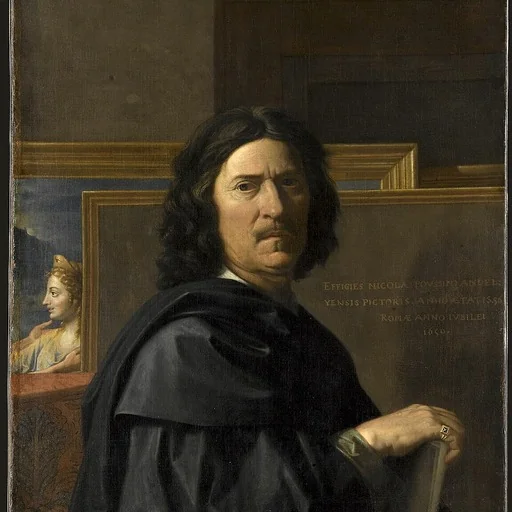
Nicolas Poussin (UK: , US: , French: ; June 1594 – 19 November 1665) was a leading painter of the classical French Baroque style, although he spent most of his working life in Rome.