Artwork
Untitled
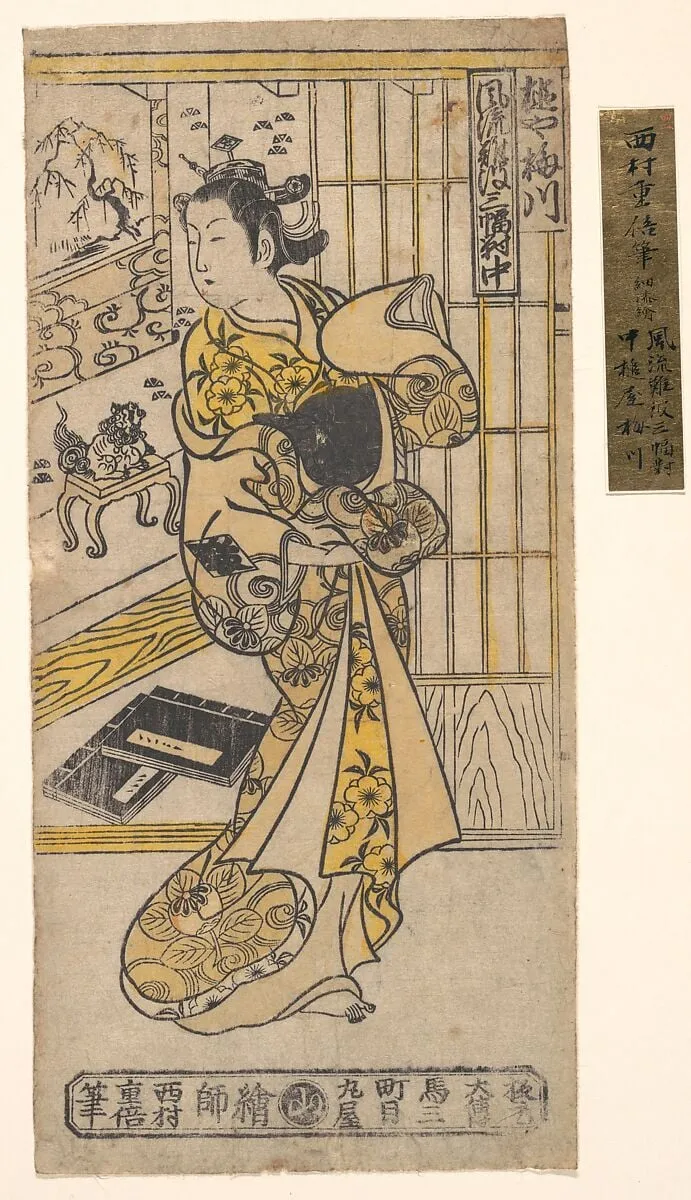
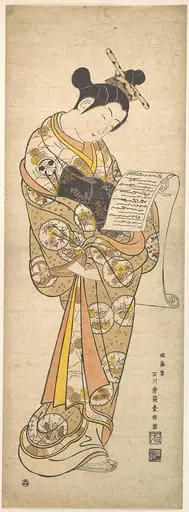
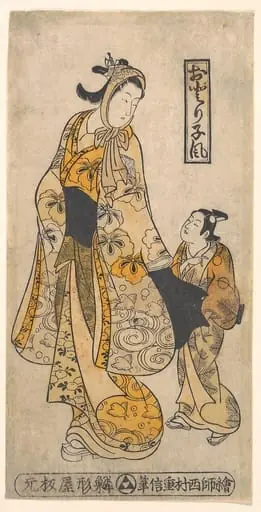
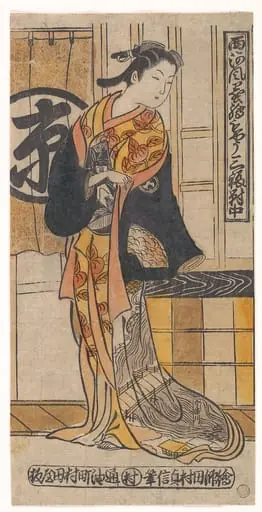
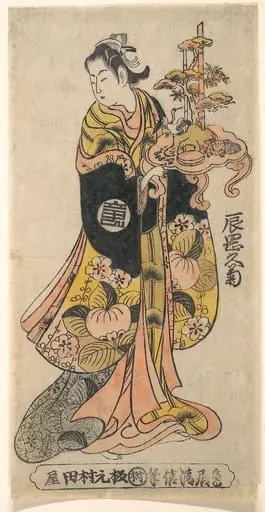
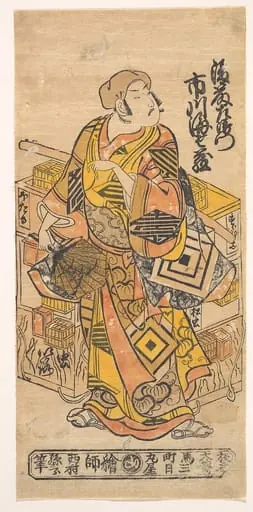
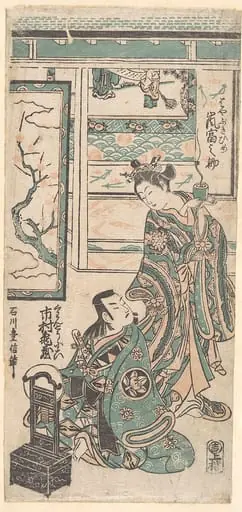
Untitled is an ink print by the Baroque artist Ishikawa Toyonobu. It dates from 1742 and is held in the collection of the Metropolitan Museum of Art. Created in 1742 by Nishimura Shigenobu, this woodblock print is an example of early Edo-period ukiyo-e.
About this work
Overview
Created in 1742 by Nishimura Shigenobu, this woodblock print is an example of early Edo-period ukiyo-e. Executed in ink and color on paper, it reflects the commercial print culture of the time. The work is part of The Metropolitan Museum of Art’s collection, where it is preserved as a representative of Japanese printmaking traditions from the mid-18th century.
Subject & Meaning
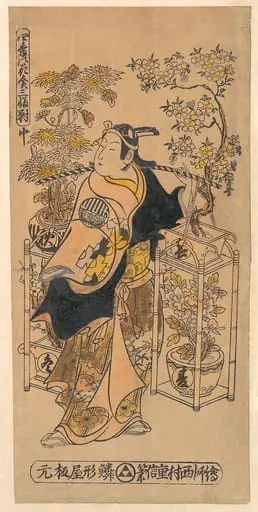
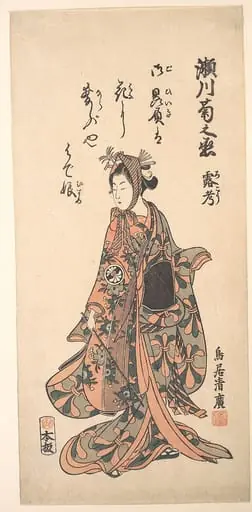
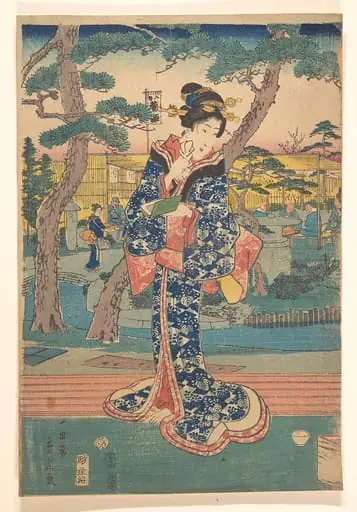
The print depicts a woman seated indoors, dressed in an elaborately patterned robe, holding a fan and a small black box. Her poised posture and the presence of a bamboo screen suggest an intimate, domestic setting. A distant figure near a fence and a table with a vase imply a quiet narrative beyond the frame, possibly hinting at social rituals or fleeting moments of leisure among urban elites.
Technique & Style
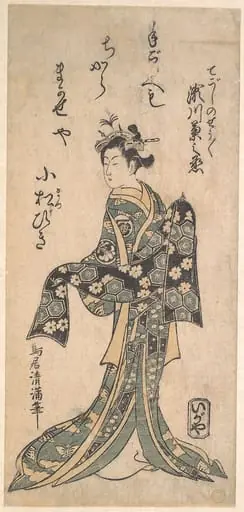
The yellow and black patterns on the robe contrast sharply against muted backgrounds, emphasizing texture and silhouette.
Shigenobu employs bold black outlines and flat areas of color to define form and space. The yellow and black patterns on the robe contrast sharply against muted backgrounds, emphasizing texture and silhouette. The composition avoids perspective, relying instead on stylized arrangement and rhythmic lines to convey movement, particularly in the way the fan and robe suggest motion despite the static scene.
History & Provenance
The print was produced during a period when woodblock printing flourished in Edo as a medium for mass-produced imagery. While its specific early ownership is undocumented, it entered The Metropolitan Museum of Art’s collection as part of a broader acquisition of Japanese prints, reflecting early 20th-century Western interest in ukiyo-e as both art and cultural artifact.
Context
This work emerged during the height of ukiyo-e’s popularity, when artists like Shigenobu catered to urban audiences with scenes of beauty, fashion, and daily life. Unlike later prints with elaborate color gradations, this piece retains a restrained palette and linear clarity, aligning with earlier Edo aesthetics that prioritized graphic impact over naturalism.
Legacy
Shigenobu’s approach influenced later ukiyo-e artists through his emphasis on strong contours and symbolic composition. Though less widely known than contemporaries like Utamaro, his work contributed to the evolution of figure representation in Japanese prints. Today, it remains a reference point for understanding the transition from decorative to narrative printmaking in the 18th century.
Artist & collection
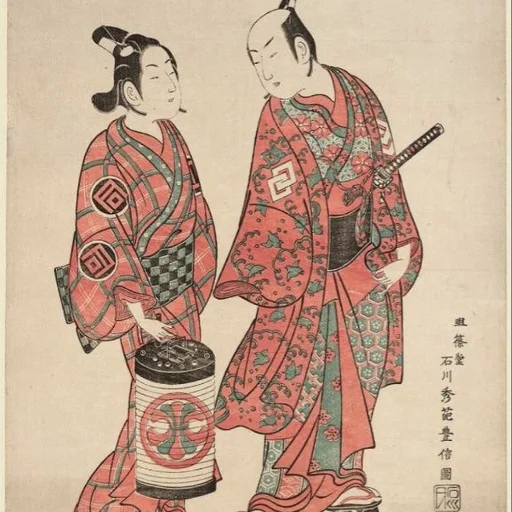
Artist
Ishikawa Toyonobu spent his life in Edo, now Tokyo, where he carved and printed the everyday scenes of city life.

 Untitled
 Untitled
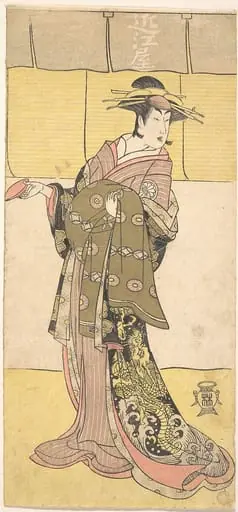 三代目瀬川菊之丞の近江屋の遊女|The Actor Segawa Kikunojō as a Courtesan of the Ōmiya Brothel
 Untitled
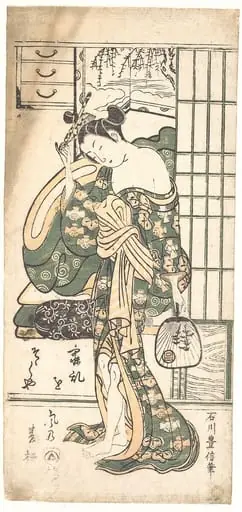 Untitled
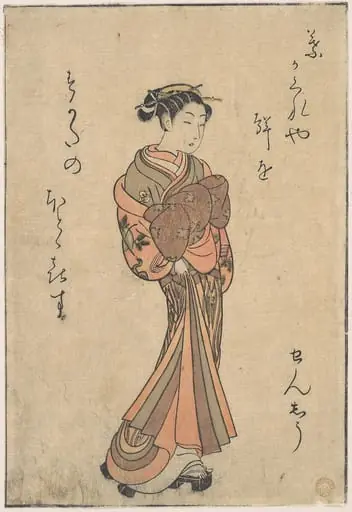 青楼美人合|The Courtesans, from the Series, "Seiro Bijin Awase Carver End Shigoro" (sic.)
 Untitled
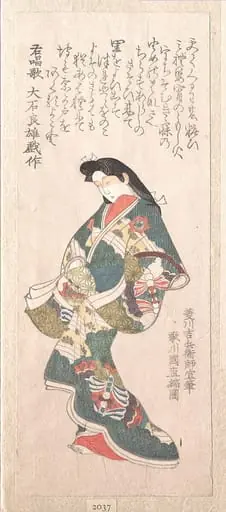 『春雨集』 摺物帖歌川国直画 元禄美人|Spring Rain Collection (Harusame shū), vol. 1: Genroku-style Courtesan
 Untitled
 Untitled
 Untitled