Artwork
Trittico di sant'Elena
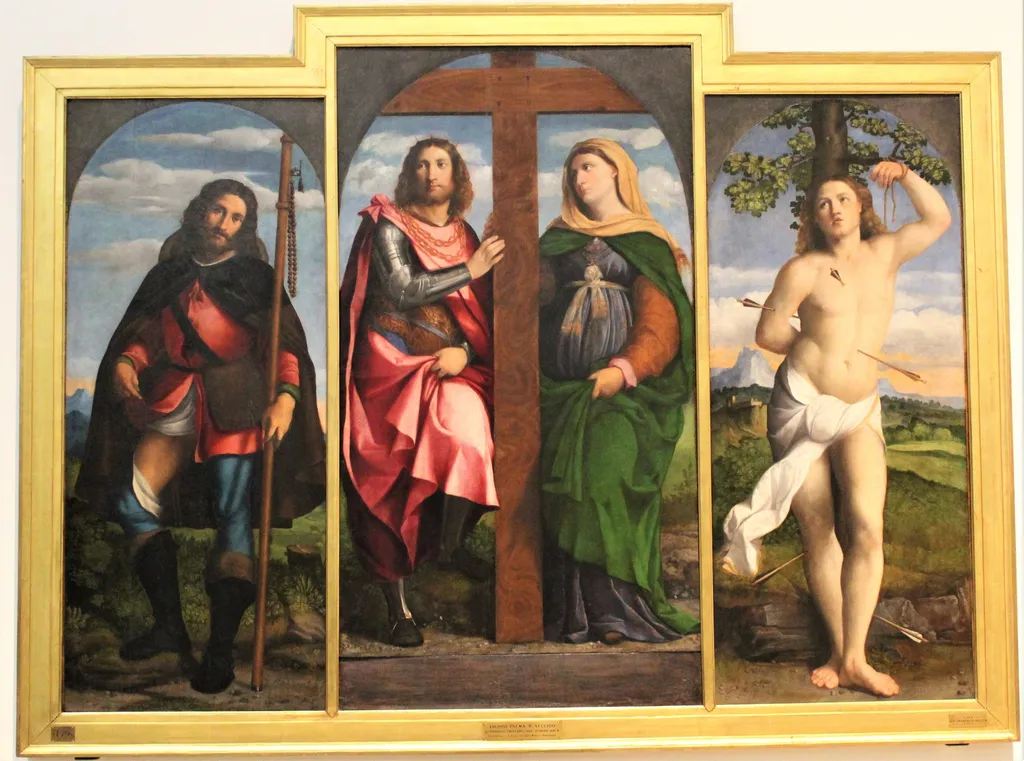
Trittico di sant'Elena is an oil painting by the High Renaissance artist Palma Vecchio. It dates from 1520 and is held in the collection of the Pinacoteca di Brera. Painted around 1524–1525, the Saint Helena Altarpiece is a triptych executed in oil on wooden panels by Jacopo Palma il Vecchio.
About this work
Overview
Painted around 1524–1525, the Saint Helena Altarpiece is a triptych executed in oil on wooden panels by Jacopo Palma il Vecchio. Originally commissioned for devotional use, it now resides in the Pinacoteca di Brera in Milan. The work follows the traditional three-panel structure common in Renaissance altarpieces, with imagery arranged to guide contemplation and veneration.
Subject & Meaning
The flanking saints—Roch and Sebastian—were invoked against plague, suggesting the altarpiece may have served a protective function in a time of epidemic.
The panels portray Saint Roch, Emperor Constantine the Great, the True Cross, Saint Helena, and Saint Sebastian. The central focus on the True Cross links Constantine’s vision and Helena’s relic-hunting, reinforcing the theme of divine revelation through imperial authority. The flanking saints—Roch and Sebastian—were invoked against plague, suggesting the altarpiece may have served a protective function in a time of epidemic.
Technique & Style
Palma employed oil paint with a muted palette and soft modeling to render figures in a calm, dignified manner. The composition is symmetrical, with figures arranged in a shallow space that emphasizes their solemn presence. Drapery and facial expressions are rendered with quiet precision, reflecting the Venetian tradition of atmospheric harmony over dramatic intensity.
History & Provenance
The altarpiece was likely created for a church or confraternity in Venice, where Palma was active. It entered the Brera collection in the early 19th century following Napoleonic suppressions of religious institutions. Its survival through secularization reflects its artistic value, even as its original devotional context faded.
Context
Created during the High Renaissance, the triptych responds to both Venetian painting traditions and Counter-Reformation devotional needs. While not overtly reformist, its emphasis on relics and saintly intercession aligns with Catholic spiritual priorities. Palma’s style bridges the legacy of Bellini and the emerging Venetian naturalism of Titian.
Legacy
The altarpiece remains a representative example of early 16th-century Venetian religious art, illustrating how traditional iconography persisted alongside evolving techniques. Though less celebrated than contemporaries’ works, it offers insight into the quiet devotional culture of provincial churches and the role of altarpieces in communal piety.
Artist & collection

Artist
Palma Vecchio (c. 1480 – 30 July 1528), born Jacopo Palma, also known as Jacopo Negretti, was a Venetian painter of the Italian High Renaissance. He is called Palma Vecchio in English and Palma il Vecchio in Italian…

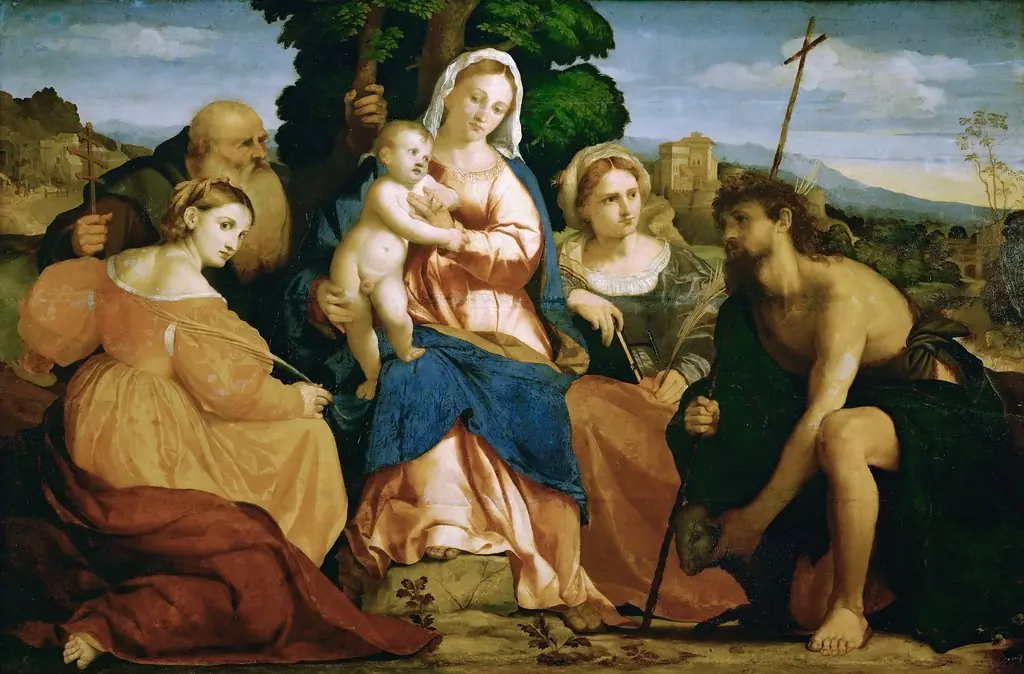
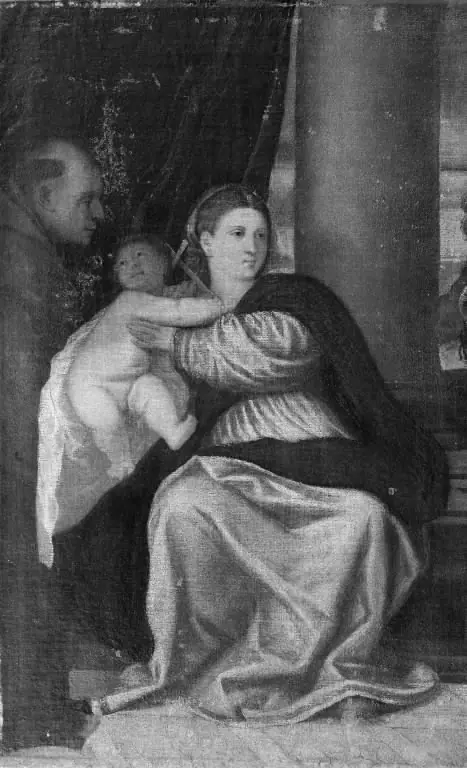
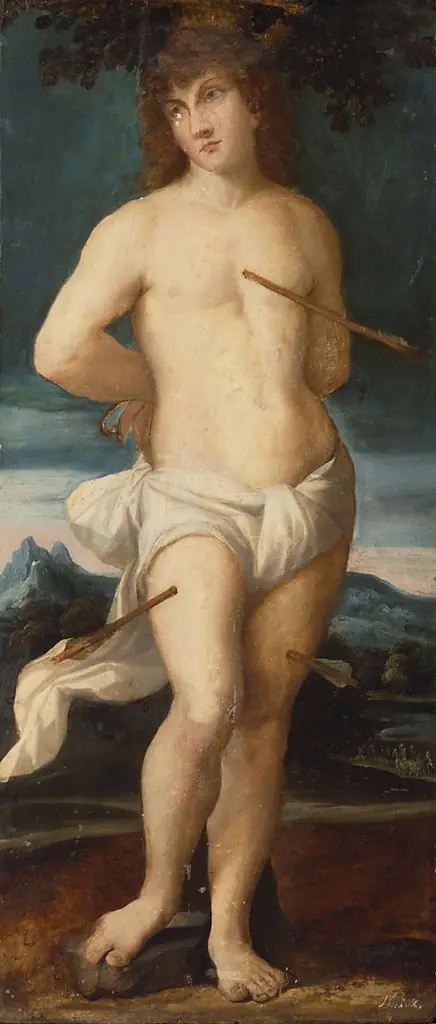
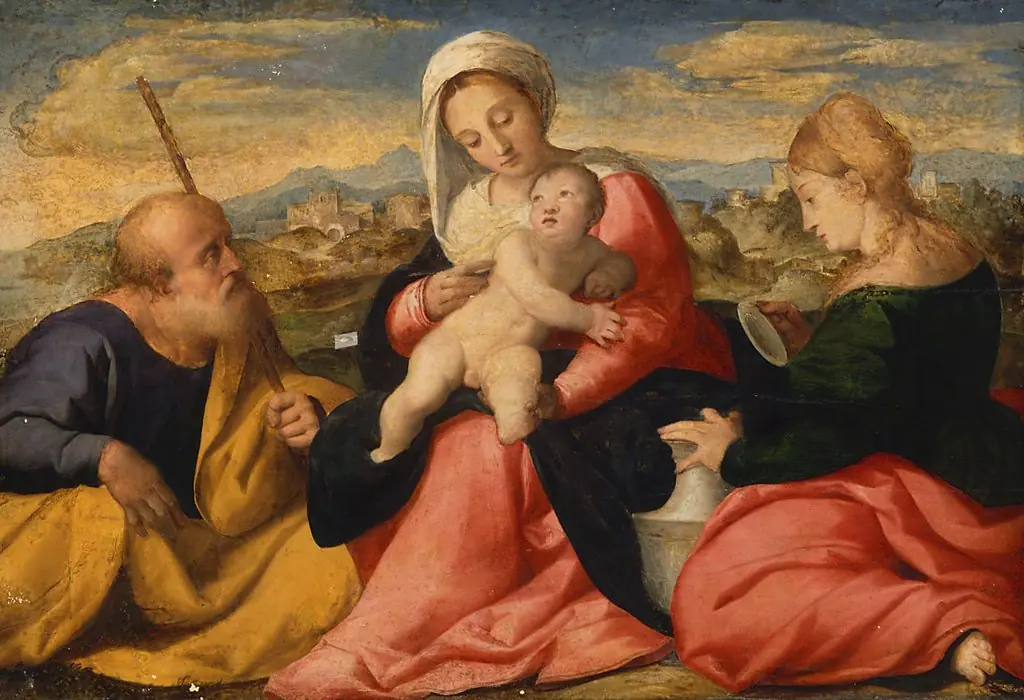
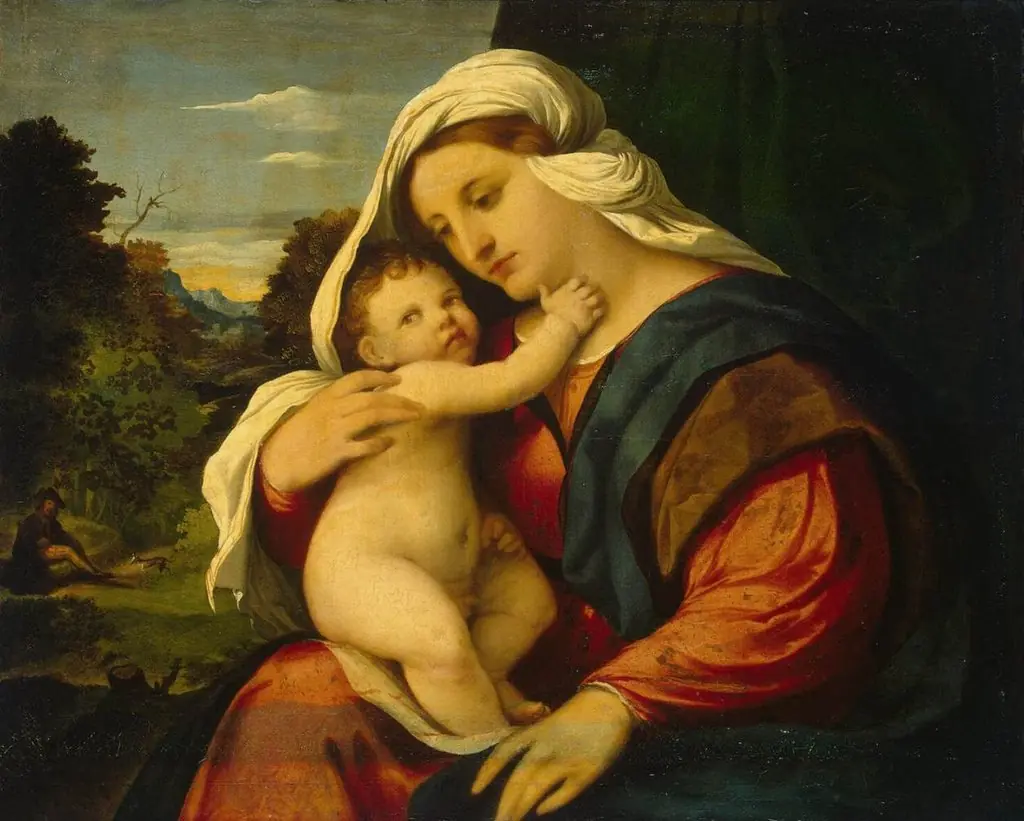
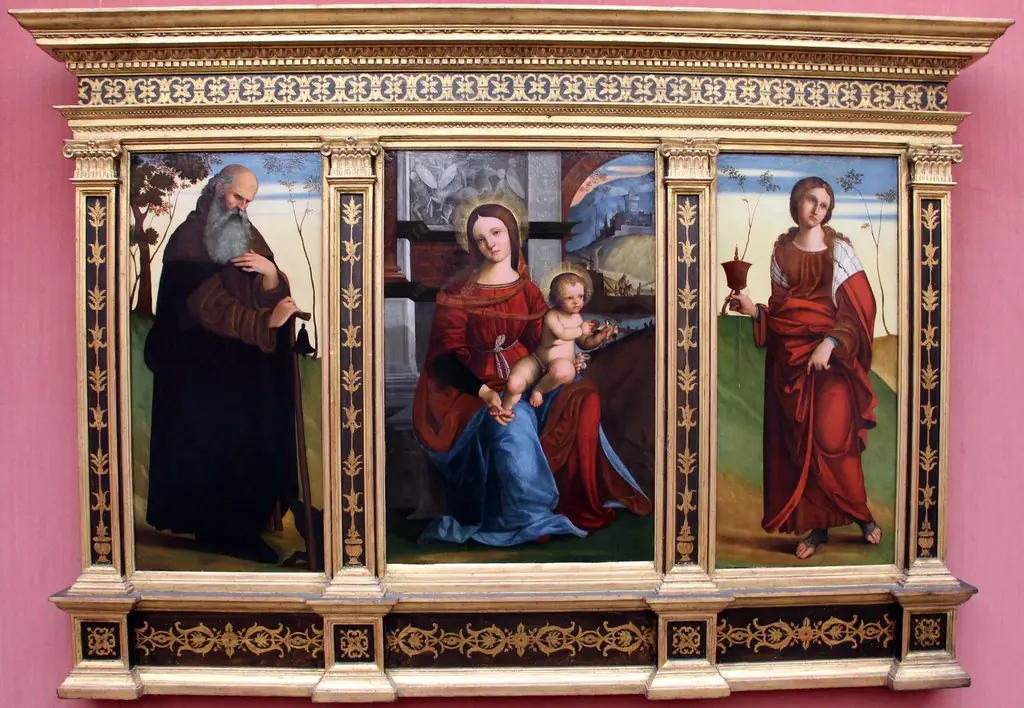 Triptychon, Maria mit Kind, Antonius Eremita, Maria Magdalena
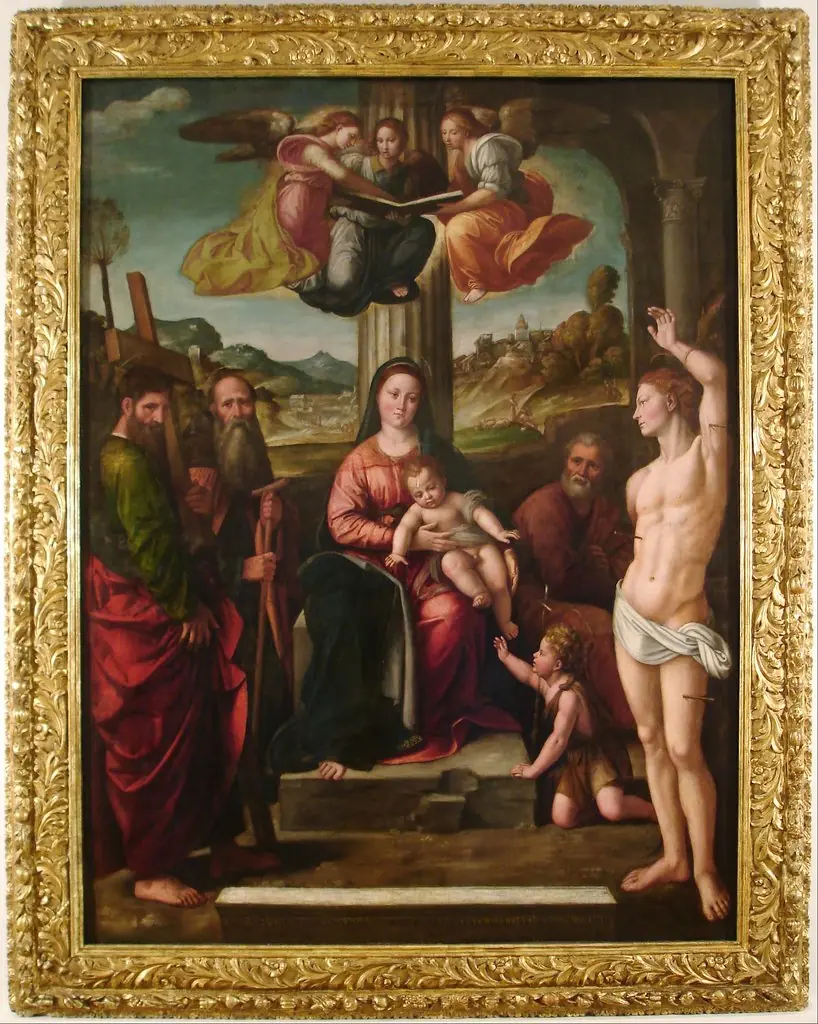 Santa Conversación
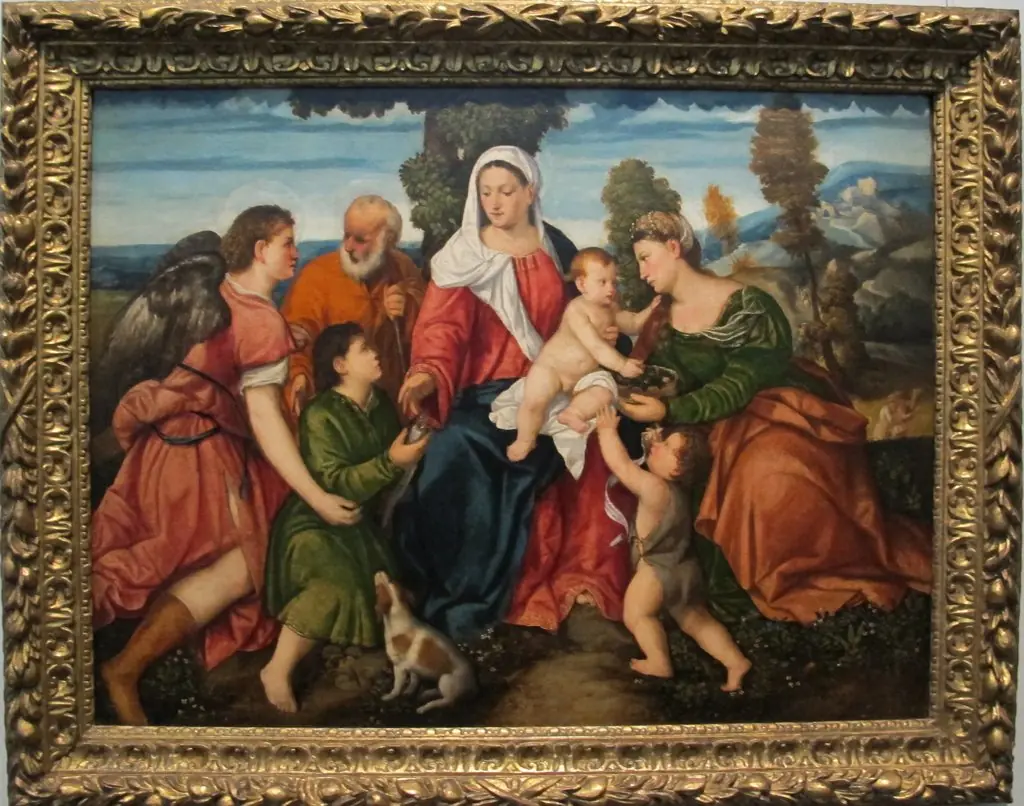 The Holy Family with Tobias and the Angel, Sts. Dorothy, and Infant John the Baptist
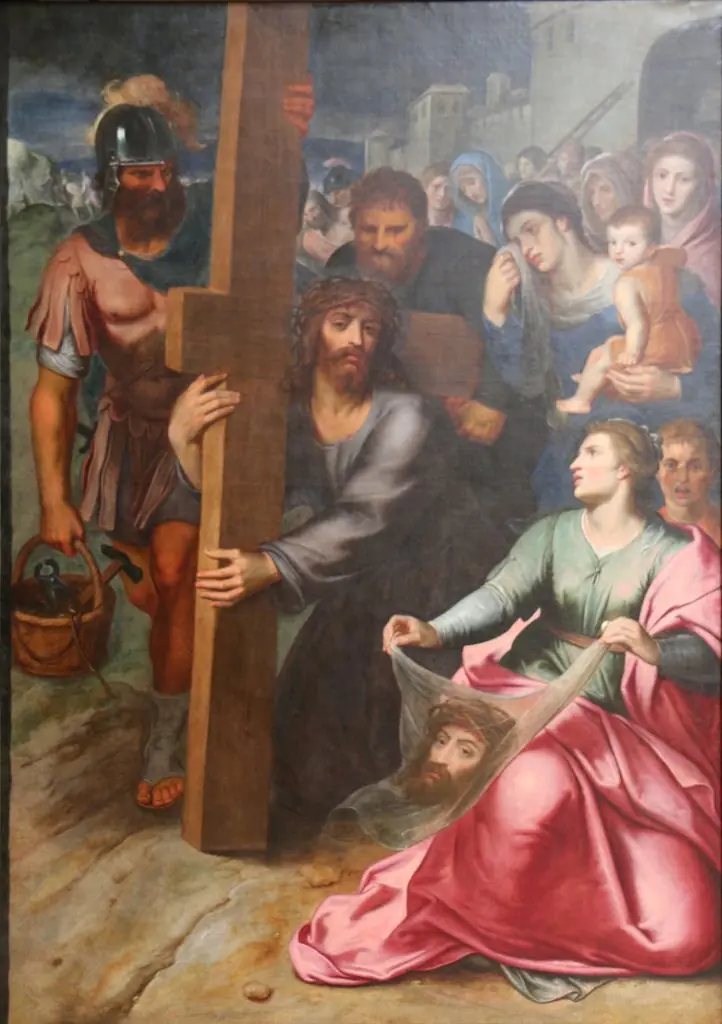 Christ and Veronica
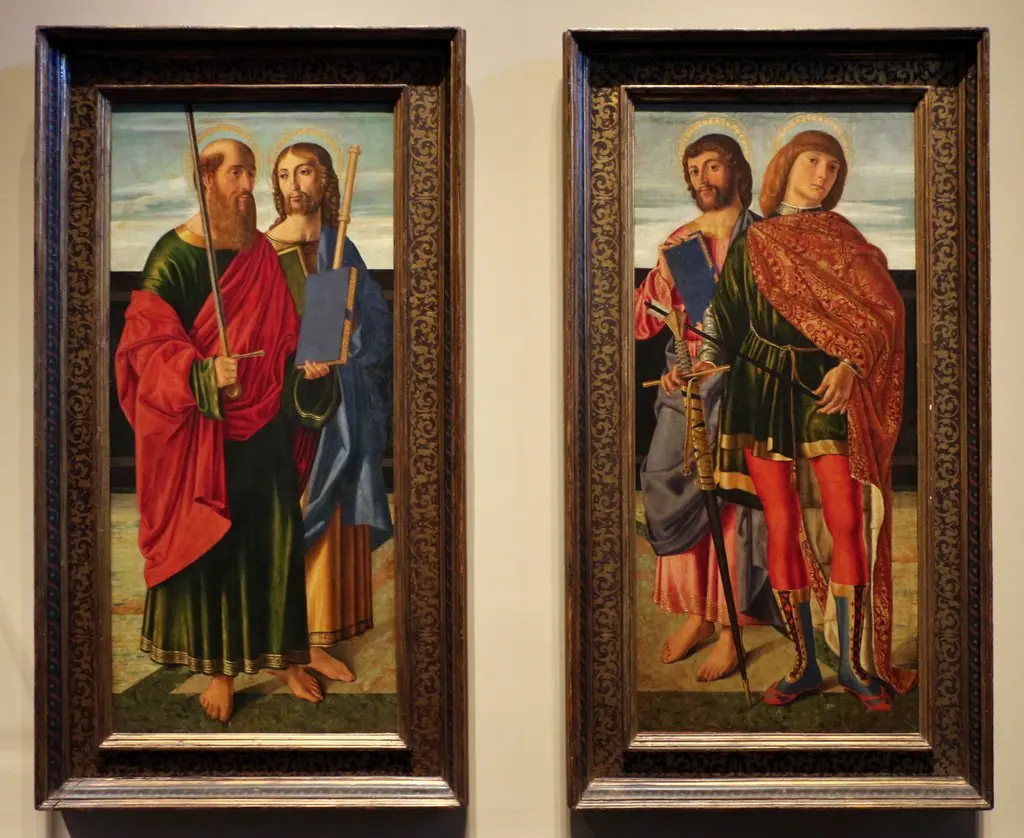 Polittico di Cornalba
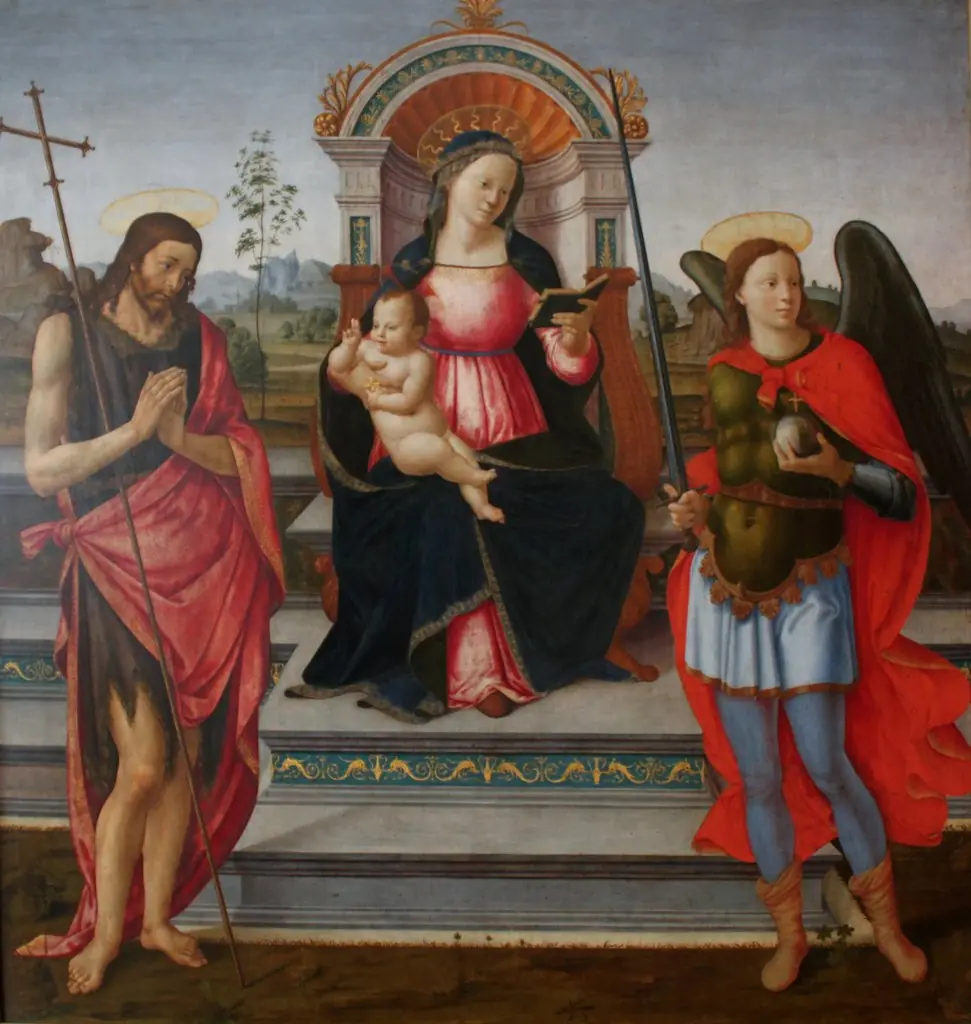 Madonna Enthroned with the blessing child, John the Baptist and St. Michael the Archangel
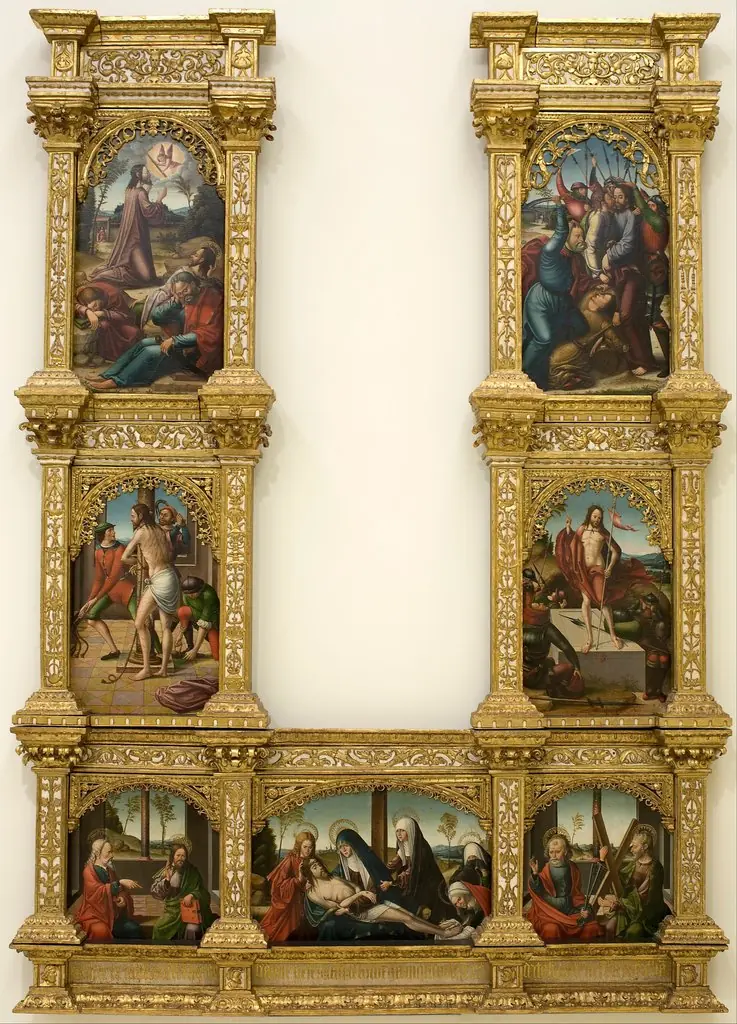 Altarpiece of the Passion of Christ
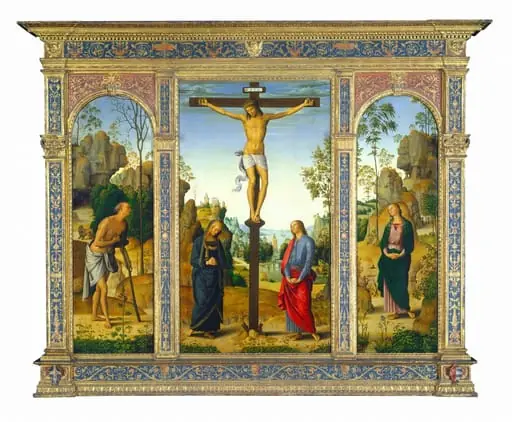 The Crucifixion with the Virgin, Saint John, Saint Jerome, and Saint Mary Magdalene
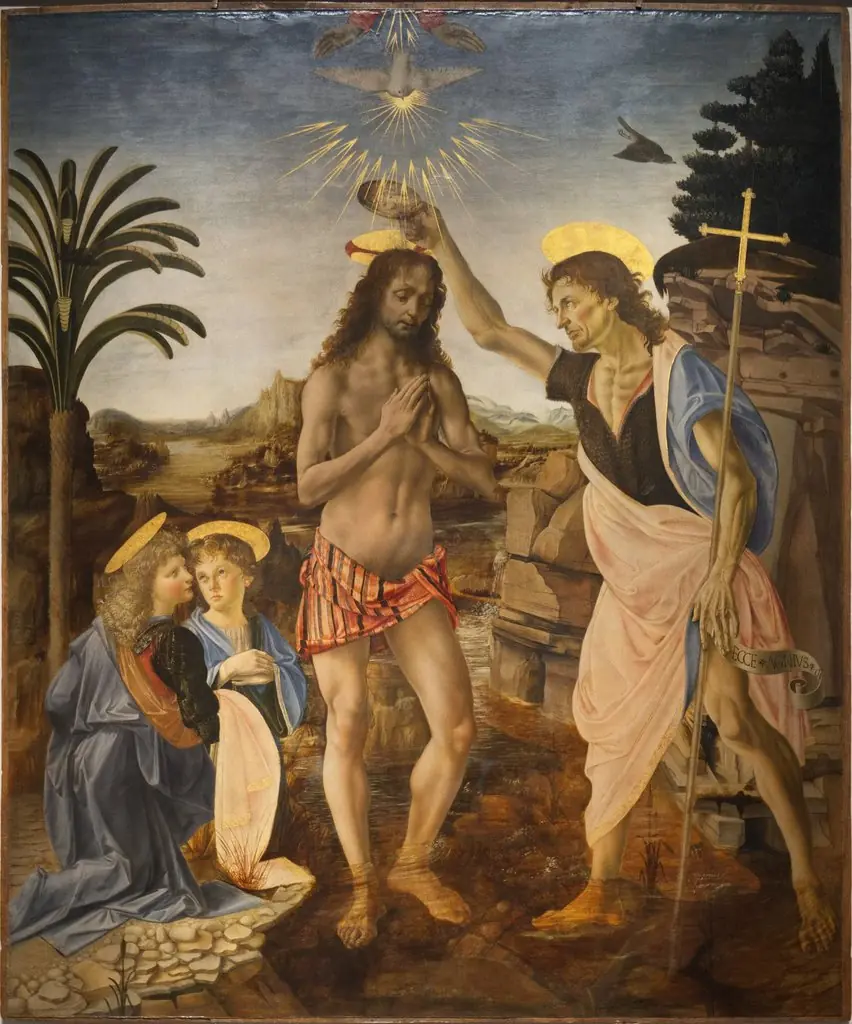 The Baptism of Christ
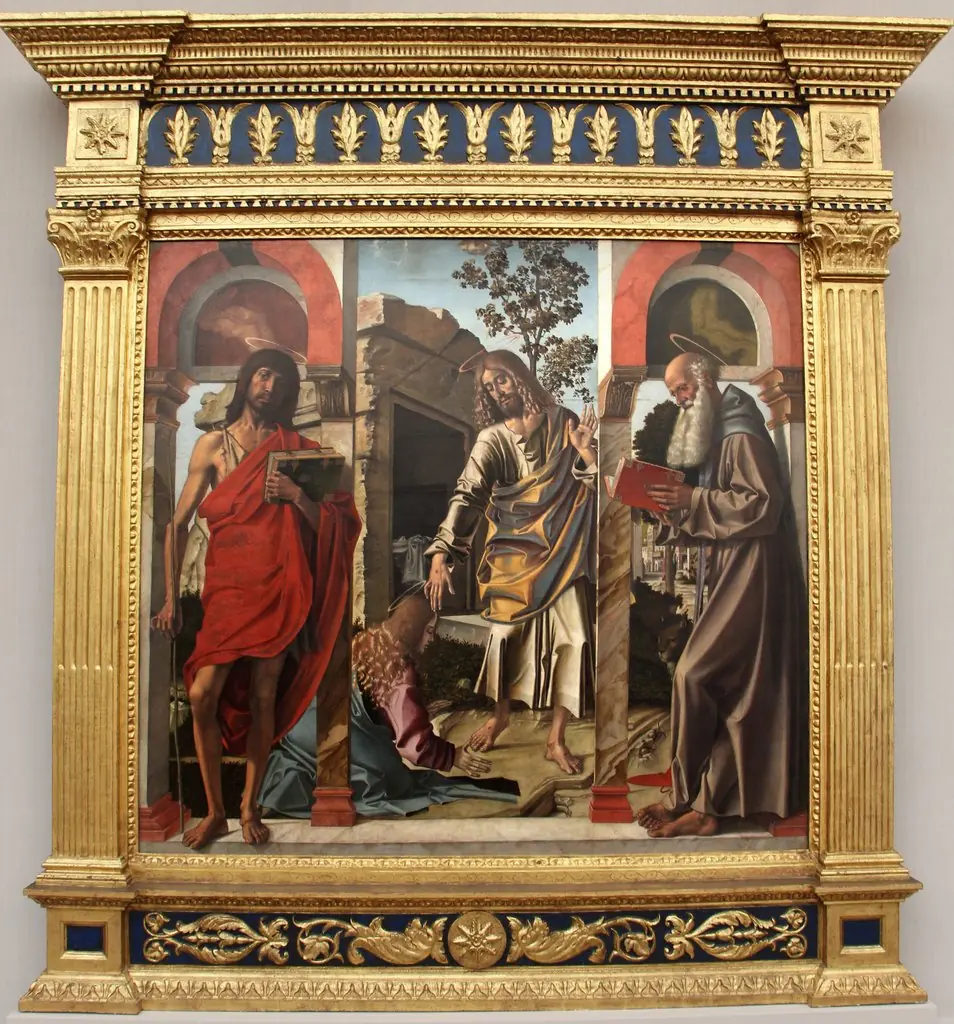 Noli me tangere between Saints John the Baptist and Jeronimo
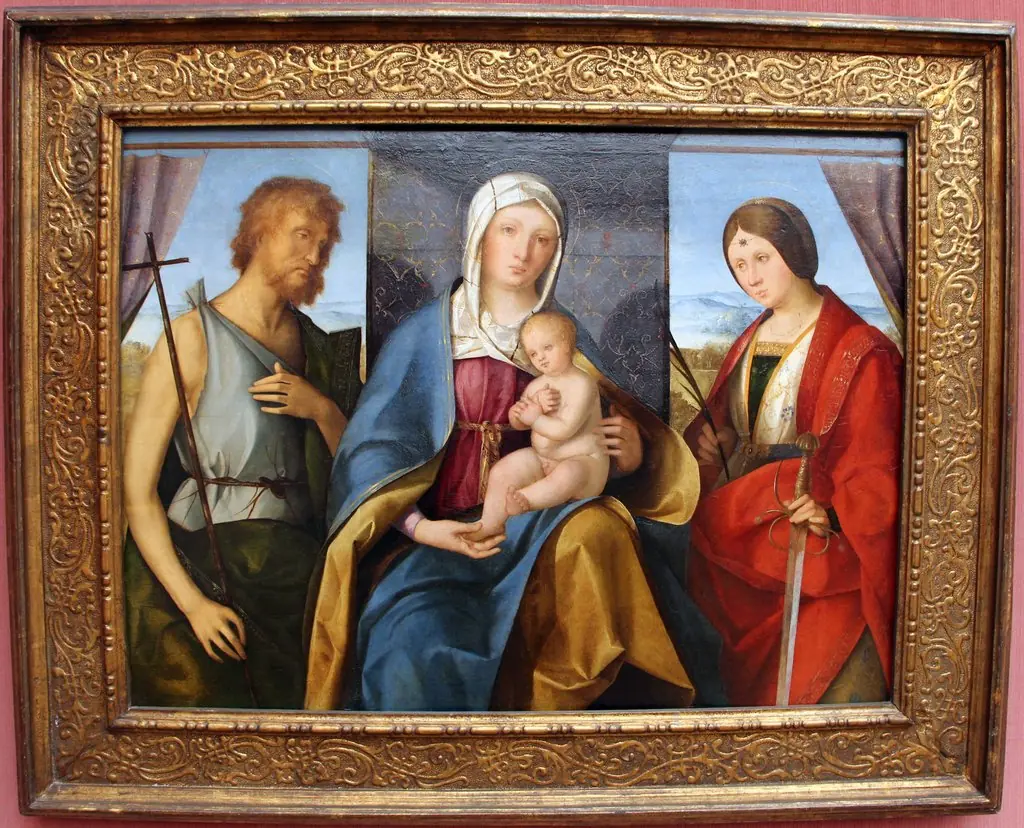 Thronende Maria mit d. Kind und den Heiligen Johannes dem Täufer und Katharina von Alexandrien
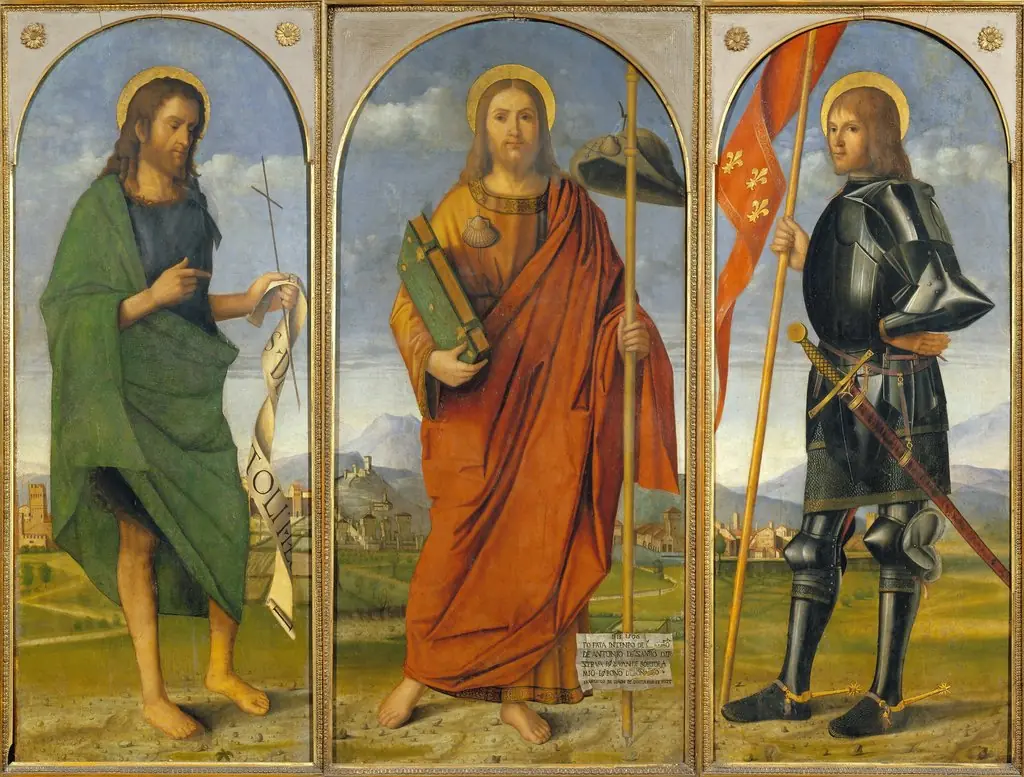 Trittico di Lepreno