Artwork
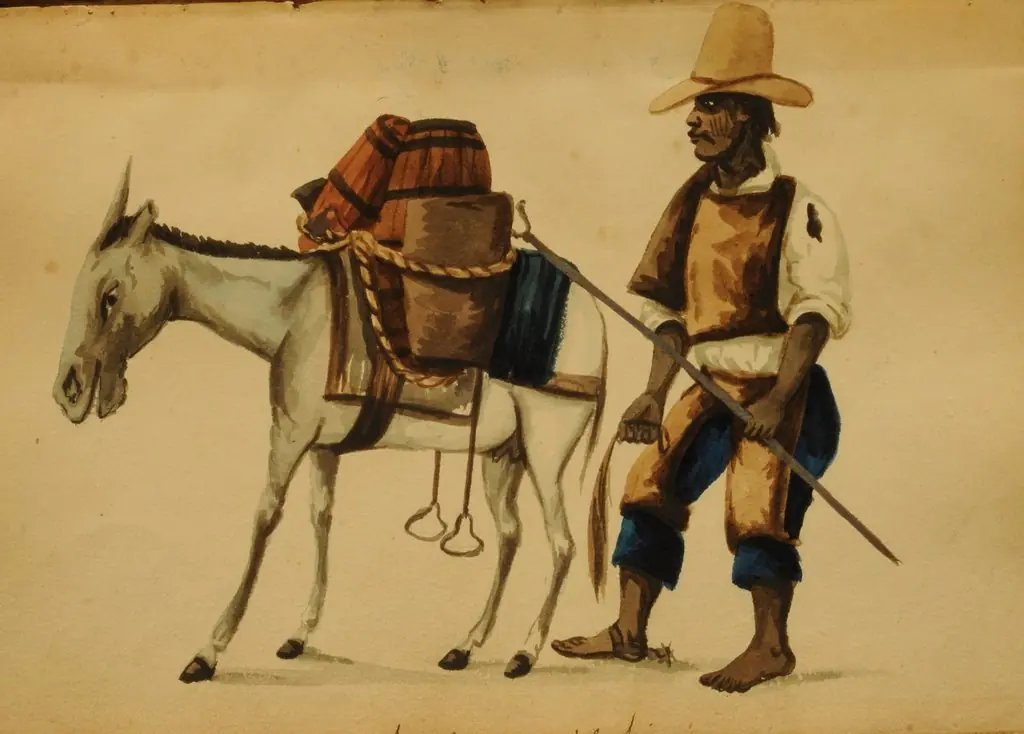
An Indian with a llama selling coal
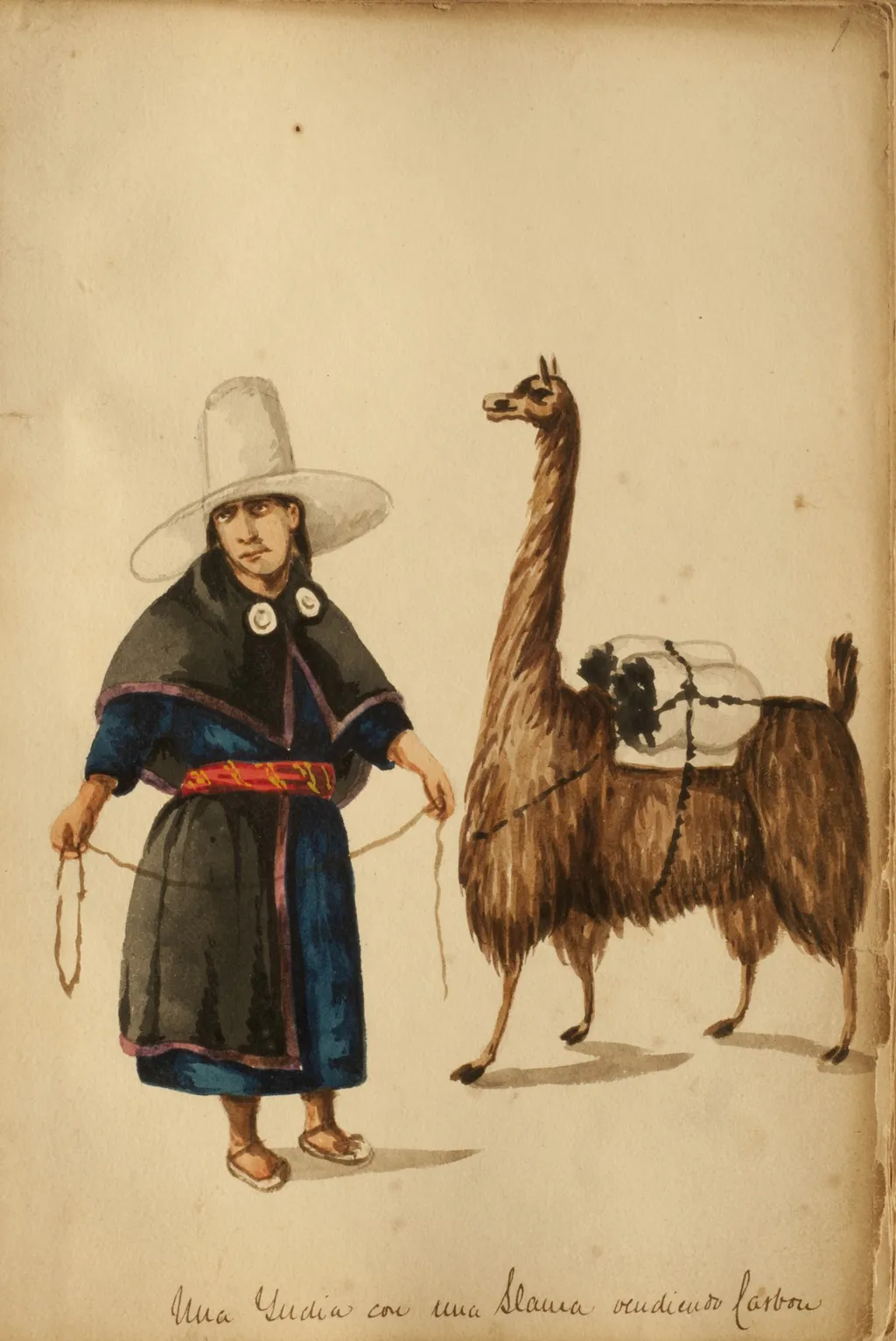
An Indian with a llama selling coal is an unspecified painting by Pancho Fierro. It dates from 1850 and is held in the collection of the National Museum of Fine Arts, Argentina.
About this work
Overview
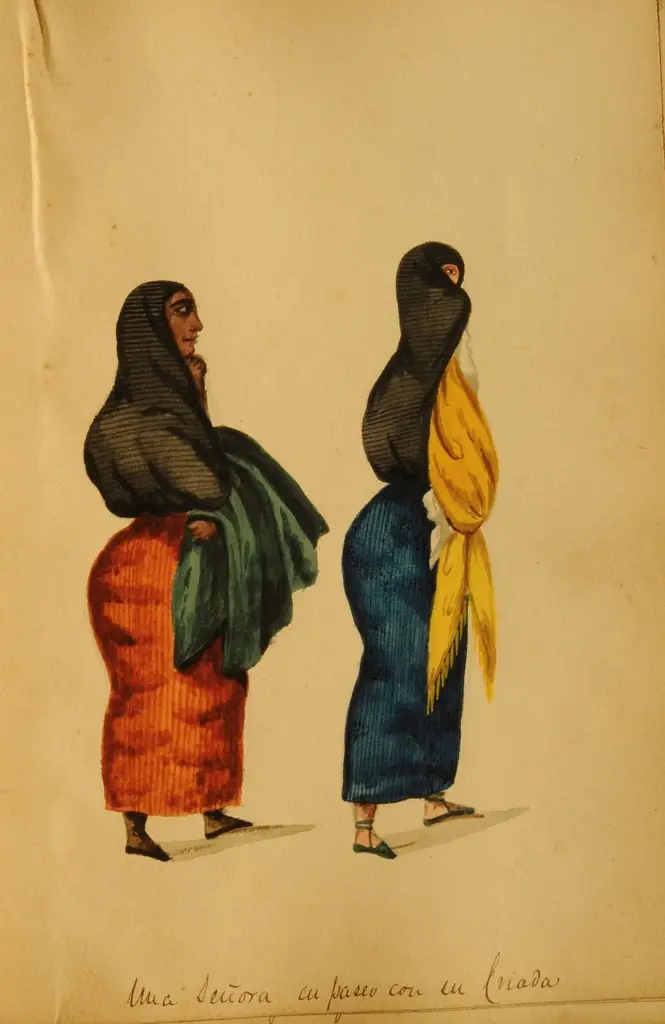
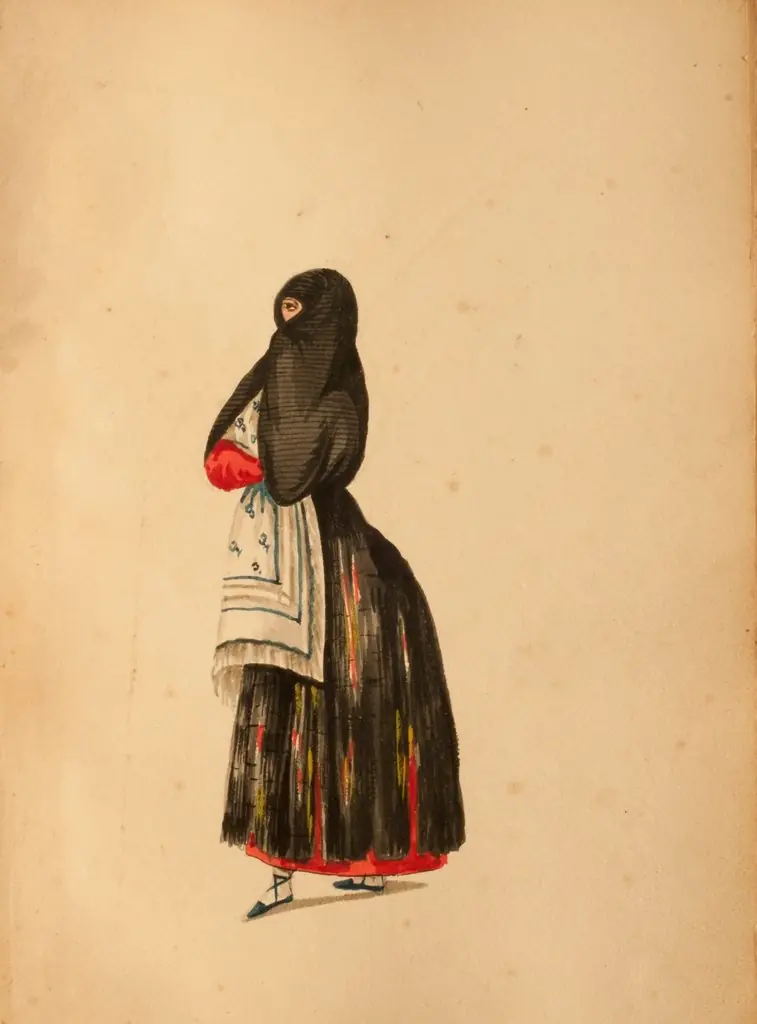
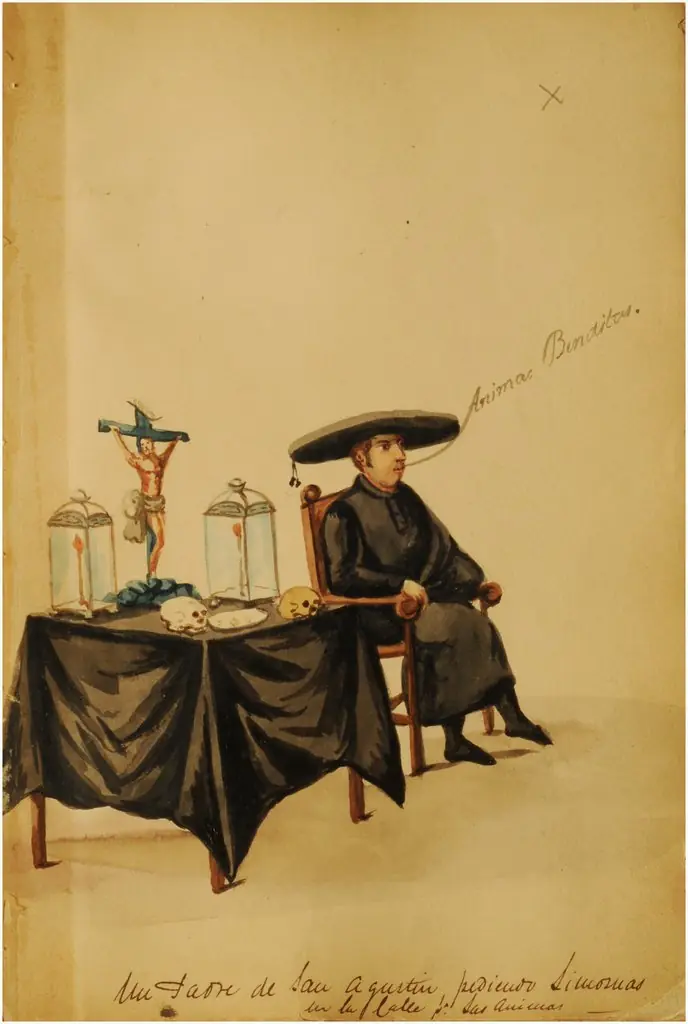
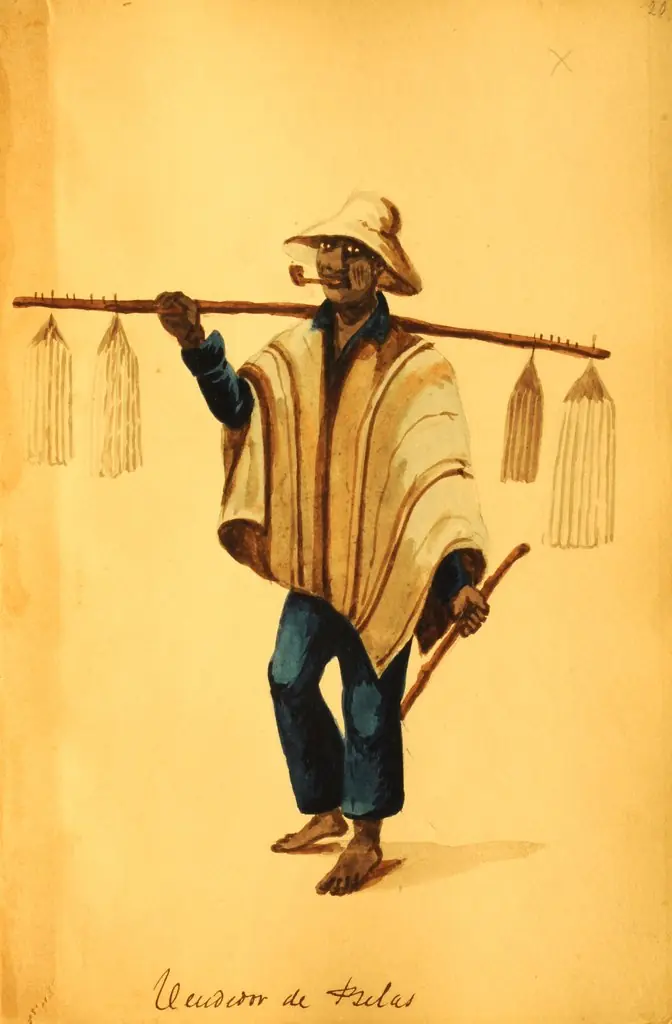
Painted around 1850 by Peruvian artist Pancho Fierro, this watercolor captures a moment of daily commerce in 19th-century Peru.
Painted around 1850 by Peruvian artist Pancho Fierro, this watercolor captures a moment of daily commerce in 19th-century Peru. It belongs to a series of costumbrista works that document local customs through quiet, observational scenes. The painting portrays an indigenous vendor alongside a llama carrying coal, rendered with restrained detail and muted tones. It is now held in the collection of the National Museum of Fine Arts in Buenos Aires.
Subject & Meaning
The scene depicts an indigenous man, dressed in traditional attire, standing beside a llama laden with coal—a common fuel in urban centers. His neutral gaze and still posture suggest routine labor rather than theatrical display. The llama, a vital pack animal in the Andes, underscores the integration of native transportation into colonial-era economies. The image reflects the quiet persistence of indigenous livelihoods amid broader societal change.
Technique & Style
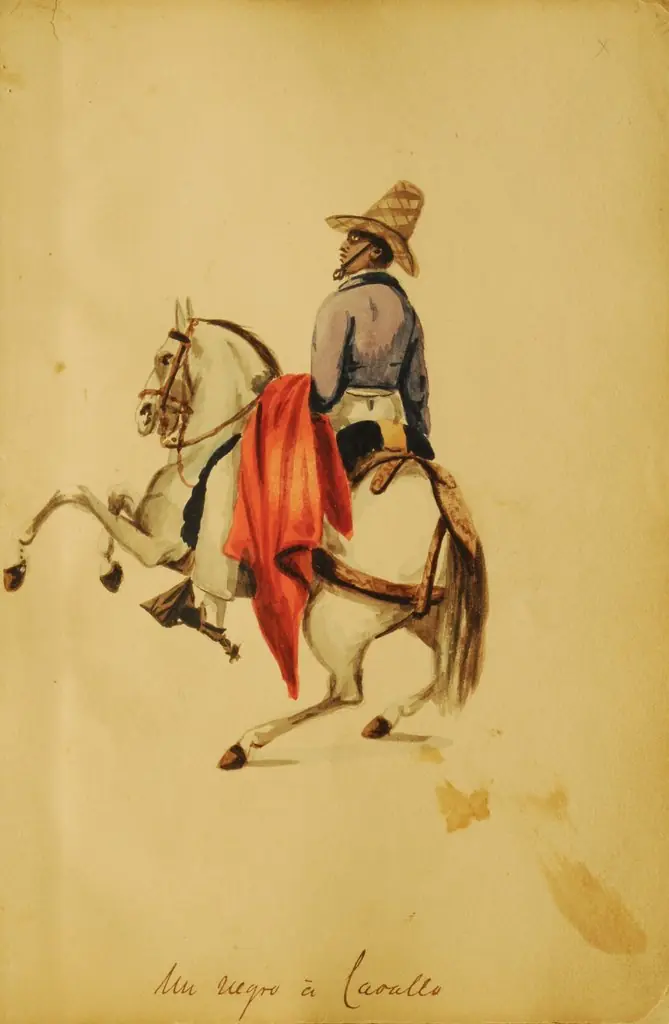
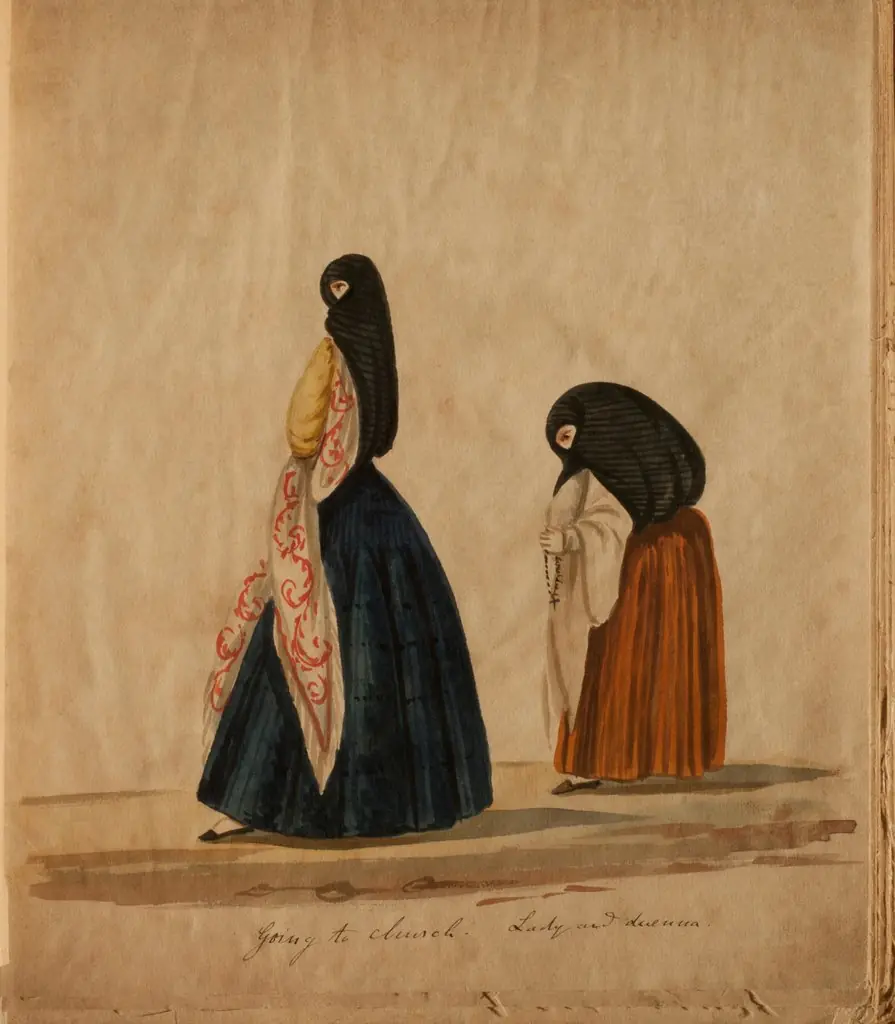
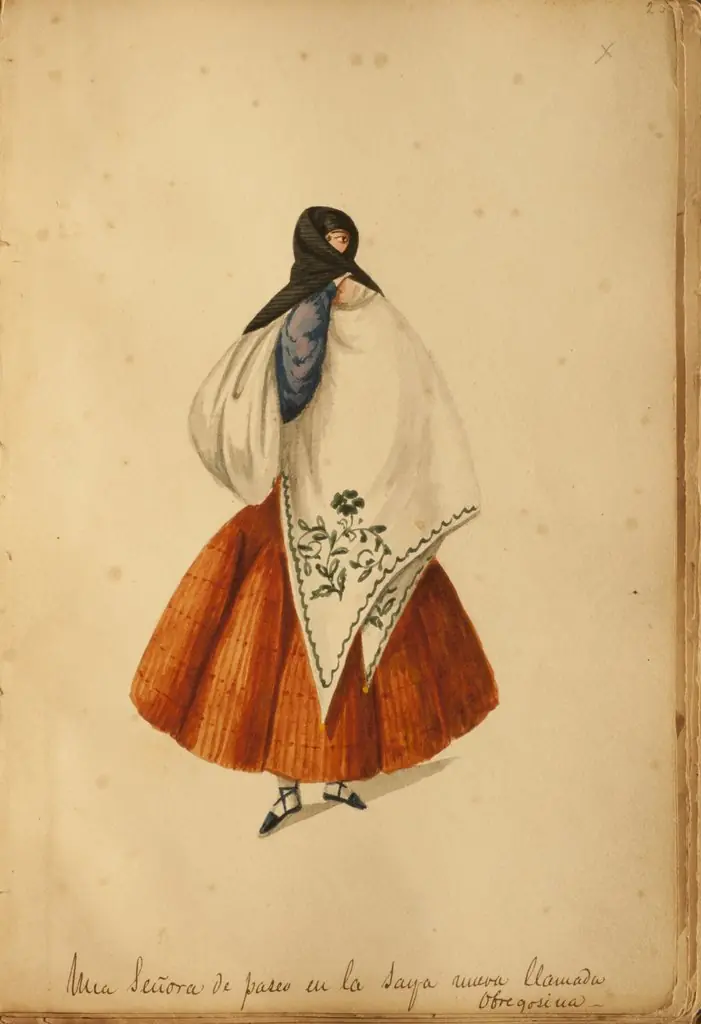
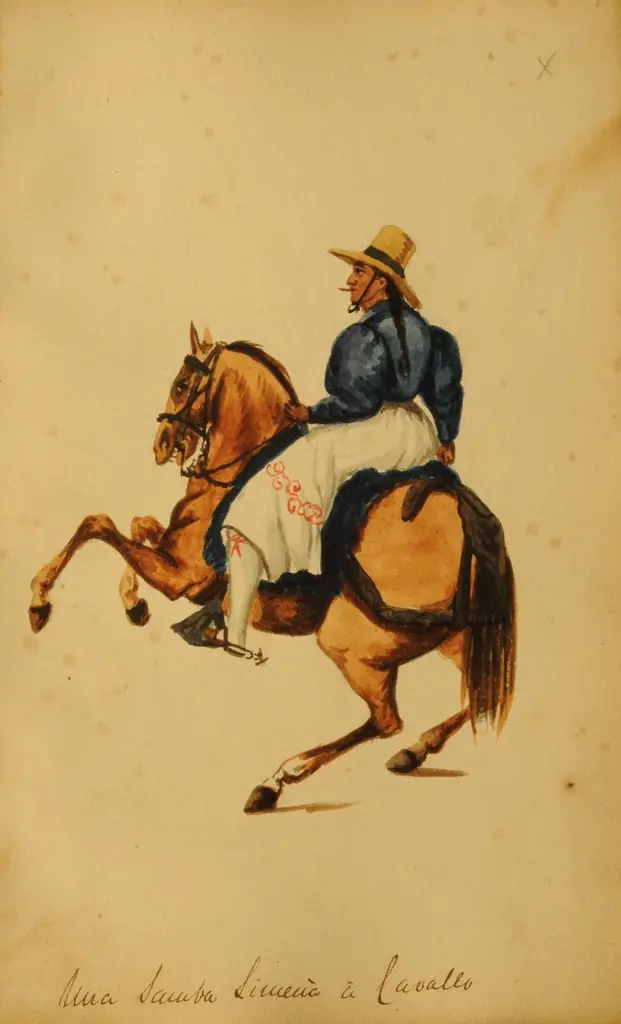
Fierro employed watercolor on paper, favoring light washes and delicate linework to define form without heavy shading. The background is left largely unmodeled in a pale beige, drawing focus to the figures. Clothing and textures are suggested rather than meticulously rendered, emphasizing immediacy over detail. His style aligns with costumbrismo’s preference for documentary clarity over romanticism, capturing character through posture and attire.
History & Provenance
Created during Fierro’s active period in Lima, the painting was likely produced for a local or foreign audience interested in Peruvian life. It entered the collection of the National Museum of Fine Arts in Buenos Aires in the 20th century, possibly through acquisition or donation. Its preservation reflects growing institutional interest in Latin American visual culture beyond elite portraiture and historical narratives.
Context
In mid-19th century Peru, indigenous laborers often transported goods like coal through urban markets, bridging rural production and city demand. Fierro’s work emerged as Peru navigated post-independence identity, documenting marginalized figures often excluded from official art. These scenes offered a counter-narrative to idealized depictions of national life, grounding representation in observable reality.
Legacy
Fierro’s watercolors, including this piece, contributed to a visual archive of Andean daily life that influenced later generations of Latin American artists. His focus on ordinary people, without overt sentimentality or exoticism, established a precedent for ethnographic realism. Today, such works are valued for their unembellished testimony to cultural continuity and economic resilience.
Artist & collection
Artist
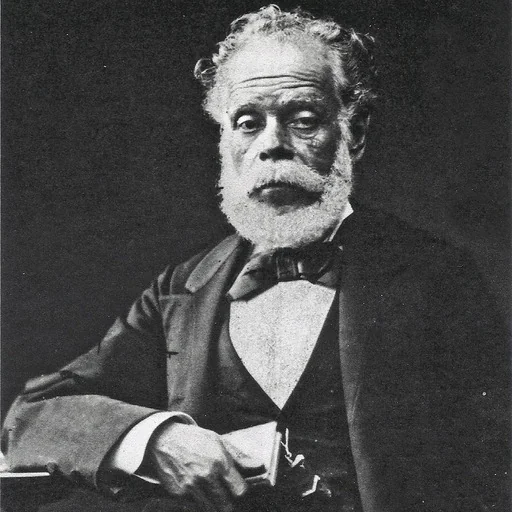
Francisco Fierro Palas, called "Pancho" Fierro (c. 1807/1809 – 28 July 1879), was a Peruvian painter, known primarily for his costumbrista watercolors, which depict his country's life and customs.

Museum
National Museum of Fine Arts, Argentina
Continue through works from the same source collection.