Artwork
Going to church - Lady and duenna
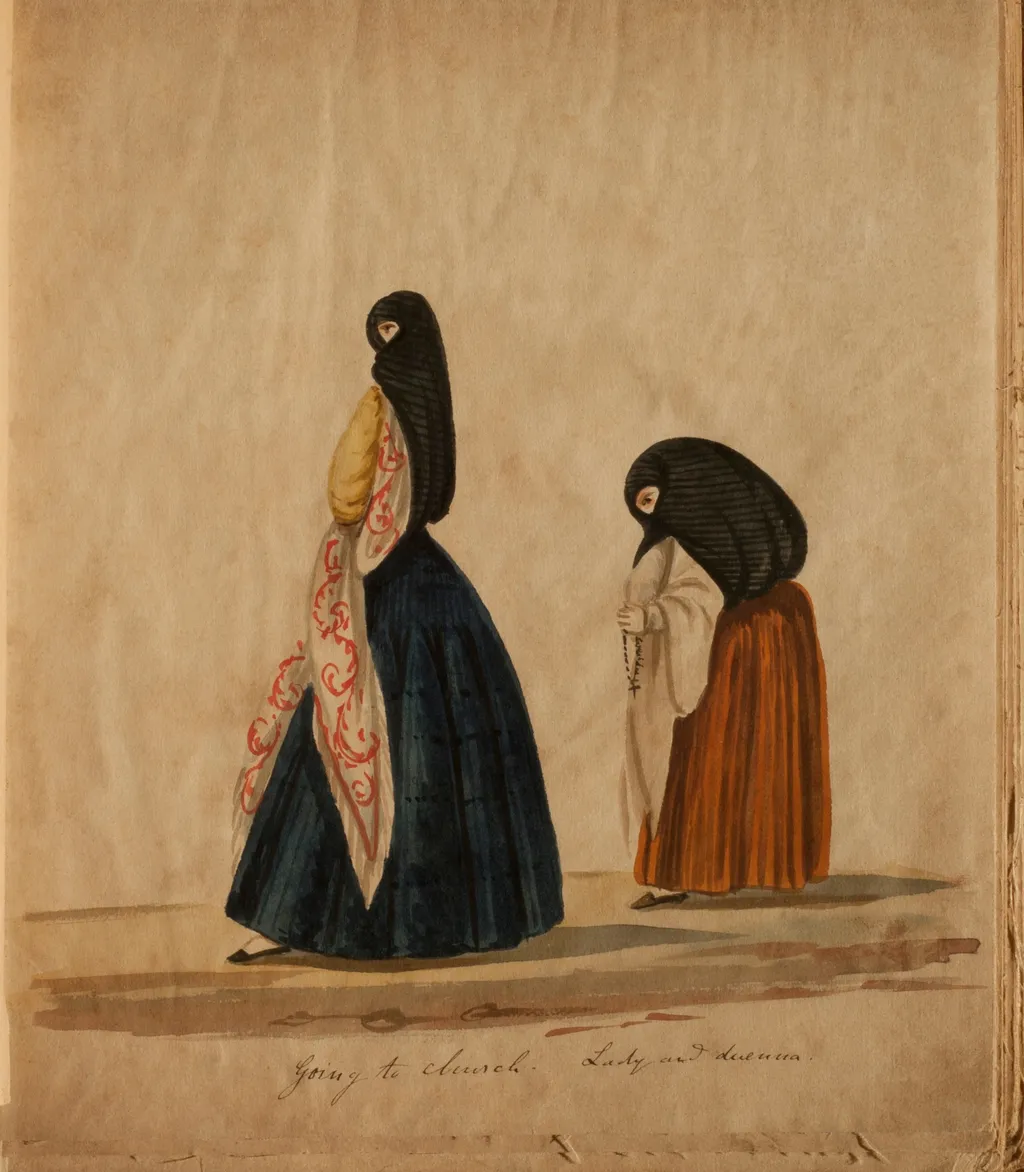
Going to church - Lady and duenna is an unspecified painting by Pancho Fierro. It dates from 1850 and is held in the collection of the National Museum of Fine Arts, Argentina.
About this work
Overview
Pancho Fierro, a Peruvian artist active in the mid-1800s, produced this watercolor around 1850 as part of a broader series documenting daily life in Lima. His work captures social rituals with quiet precision, avoiding idealization. This piece belongs to the costumbrista tradition, which emphasized regional customs through observational detail rather than grand narrative.
Subject & Meaning
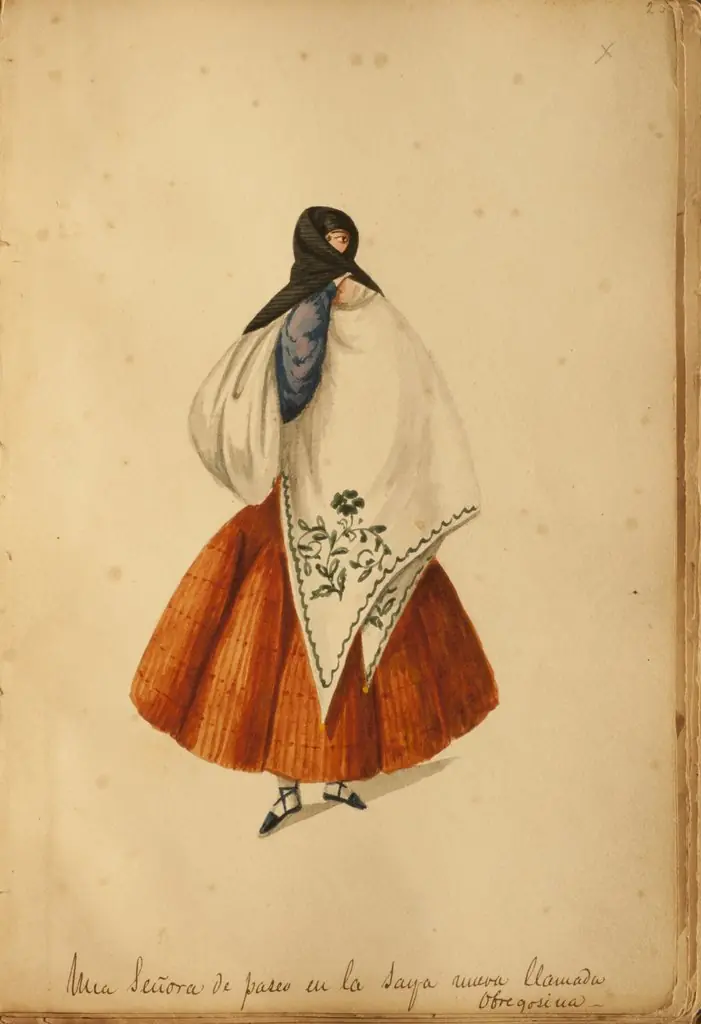
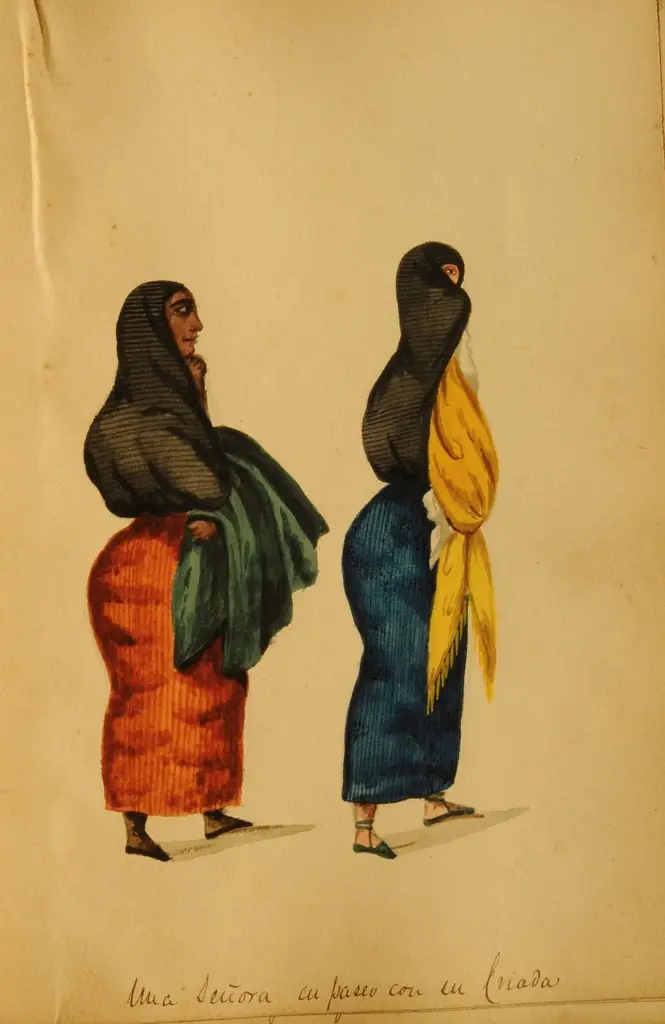
The painting shows a noblewoman and her chaperone, or duenna, walking to church. Their attire and posture reflect social hierarchy and religious devotion in 19th-century Peru. The duenna’s presence underscores the strict codes governing women’s public conduct. The rosary held by the attendant suggests piety as both personal practice and social performance.
Technique & Style
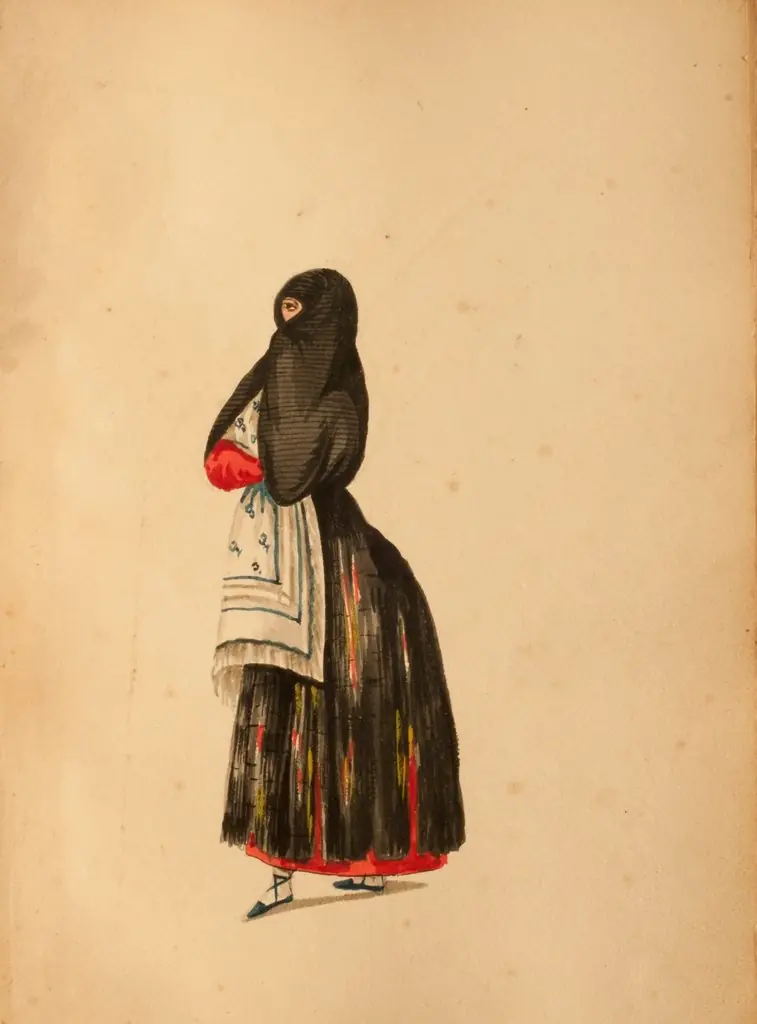
Fierro employed transparent watercolor with restrained brushwork, favoring soft edges and muted tones to evoke stillness. The figures are rendered with subtle modeling, their forms defined by light rather than heavy outline. The background’s pale brown washes recede gently, focusing attention on the women’s quiet movement and the textures of their garments.
History & Provenance
The painting emerged from Fierro’s personal archive of sketches and watercolors, many of which were collected by foreign travelers and diplomats in Lima. It entered institutional collections in the 20th century, likely through donations or acquisitions by cultural institutions interested in Latin American visual culture. Its survival reflects its value as a record of social norms.
Context
In mid-19th century Peru, church attendance was a key social ritual, especially among the urban elite. The duenna’s role was both protective and symbolic, enforcing propriety in public spaces. Fierro’s focus on such moments reveals how religion, class, and gender intersected in everyday life, offering a counterpoint to official histories of the period.
Legacy
Fierro’s watercolors, including this one, remain important for their unembellished portrayal of Peruvian society. They provide visual evidence of customs that faded with modernization. Scholars now regard his work not as mere ethnography but as nuanced social documentation, influencing later studies of Latin American identity and representation.
Artist & collection
Artist
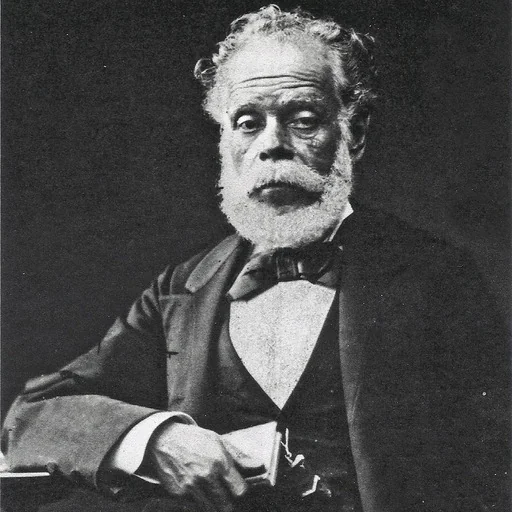
Francisco Fierro Palas, called "Pancho" Fierro (c. 1807/1809 – 28 July 1879), was a Peruvian painter, known primarily for his costumbrista watercolors, which depict his country's life and customs.

Museum
National Museum of Fine Arts, Argentina
Continue through works from the same source collection.
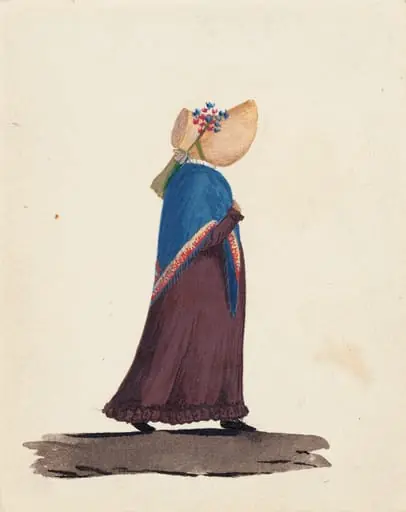 Nainen, saali ja hattu
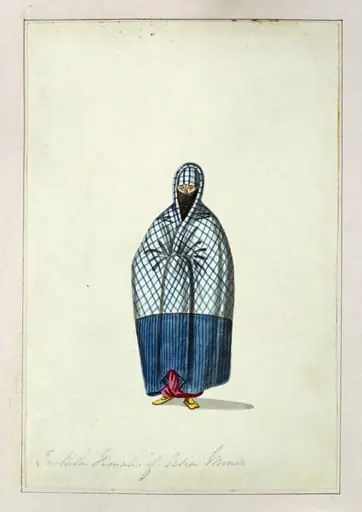 Turkish Female of Asia Minor
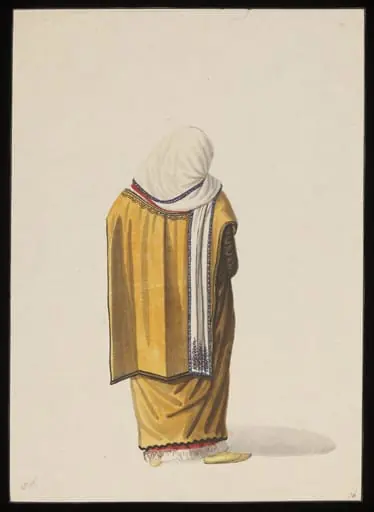 A Turkish woman, seen from the back
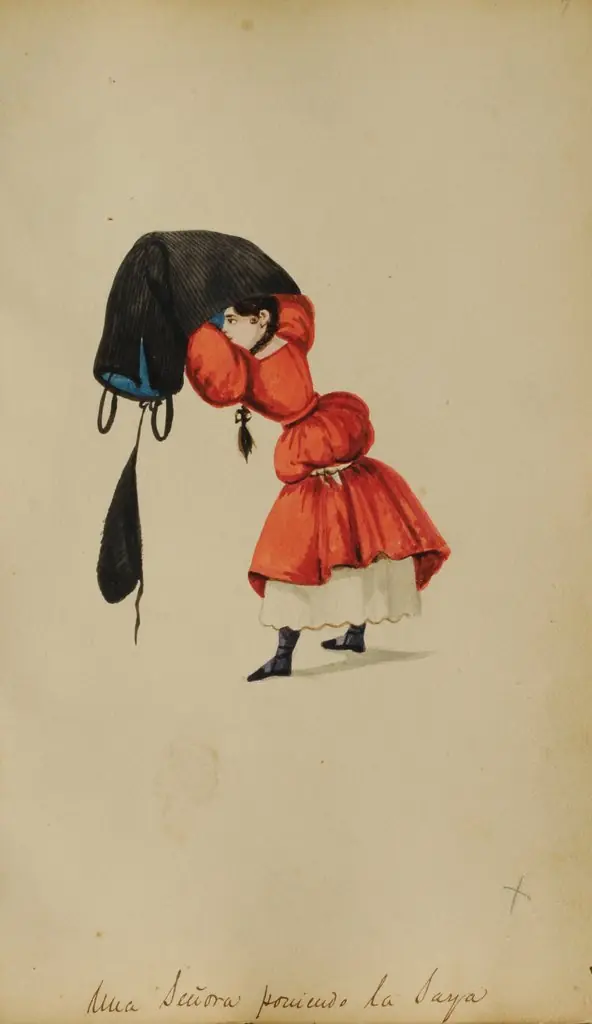 Una señora poniendo la saya
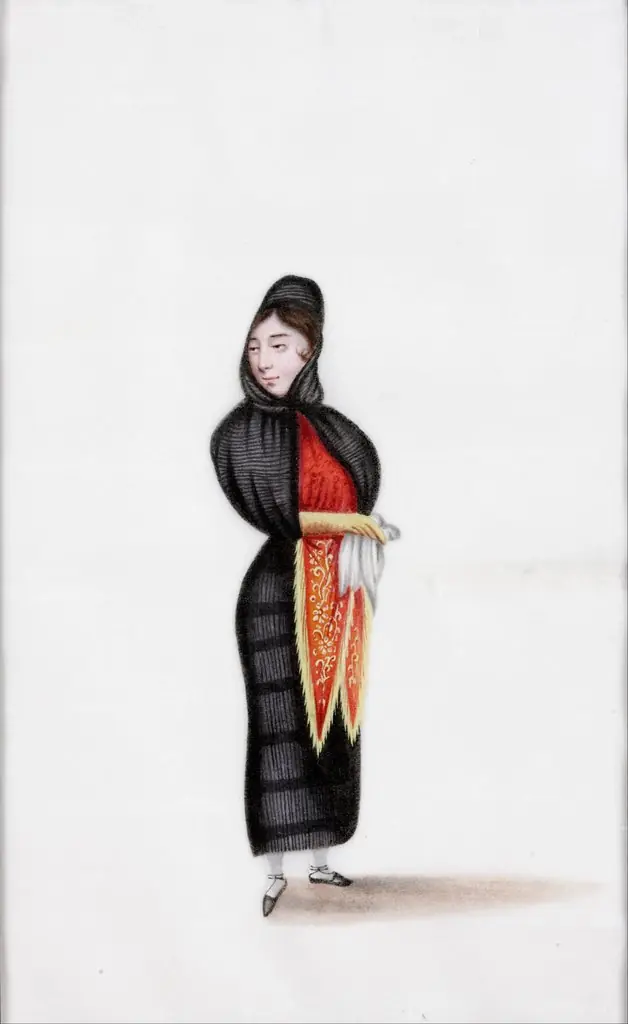 Collection of twelve paintings of Peruvian subjects made in China
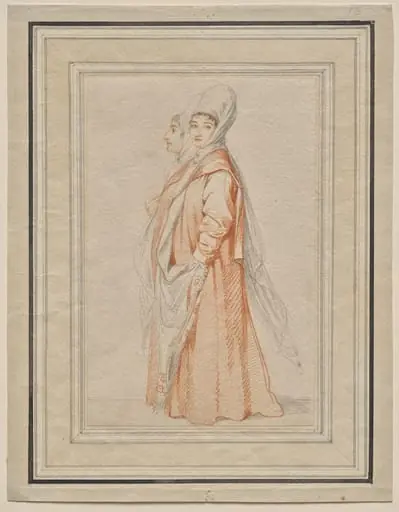 Two Veiled Young Women, probably Lilla Amnani and Her Sister
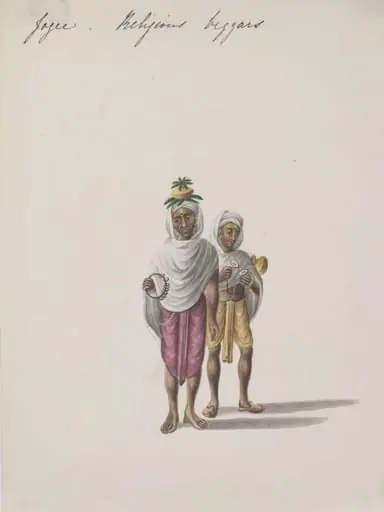 Two Hindu Ascetics
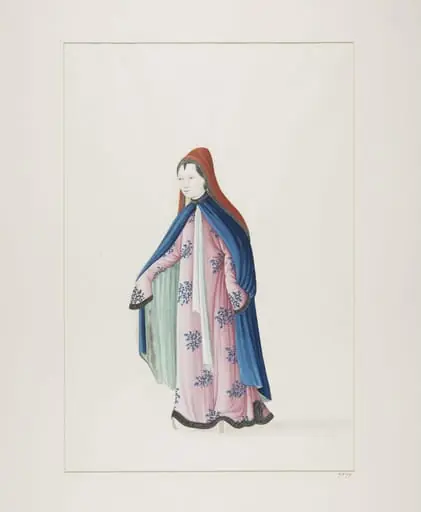 Woman Dressed in Winter Clothing
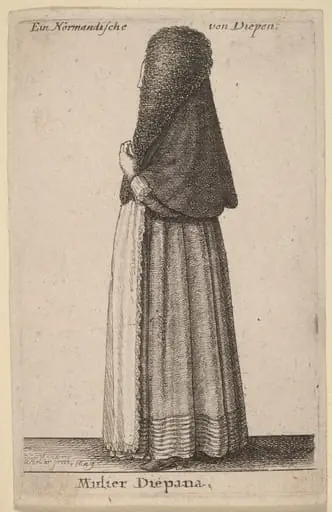 Mulier Diepana