Artwork
Un padre de San Agustín
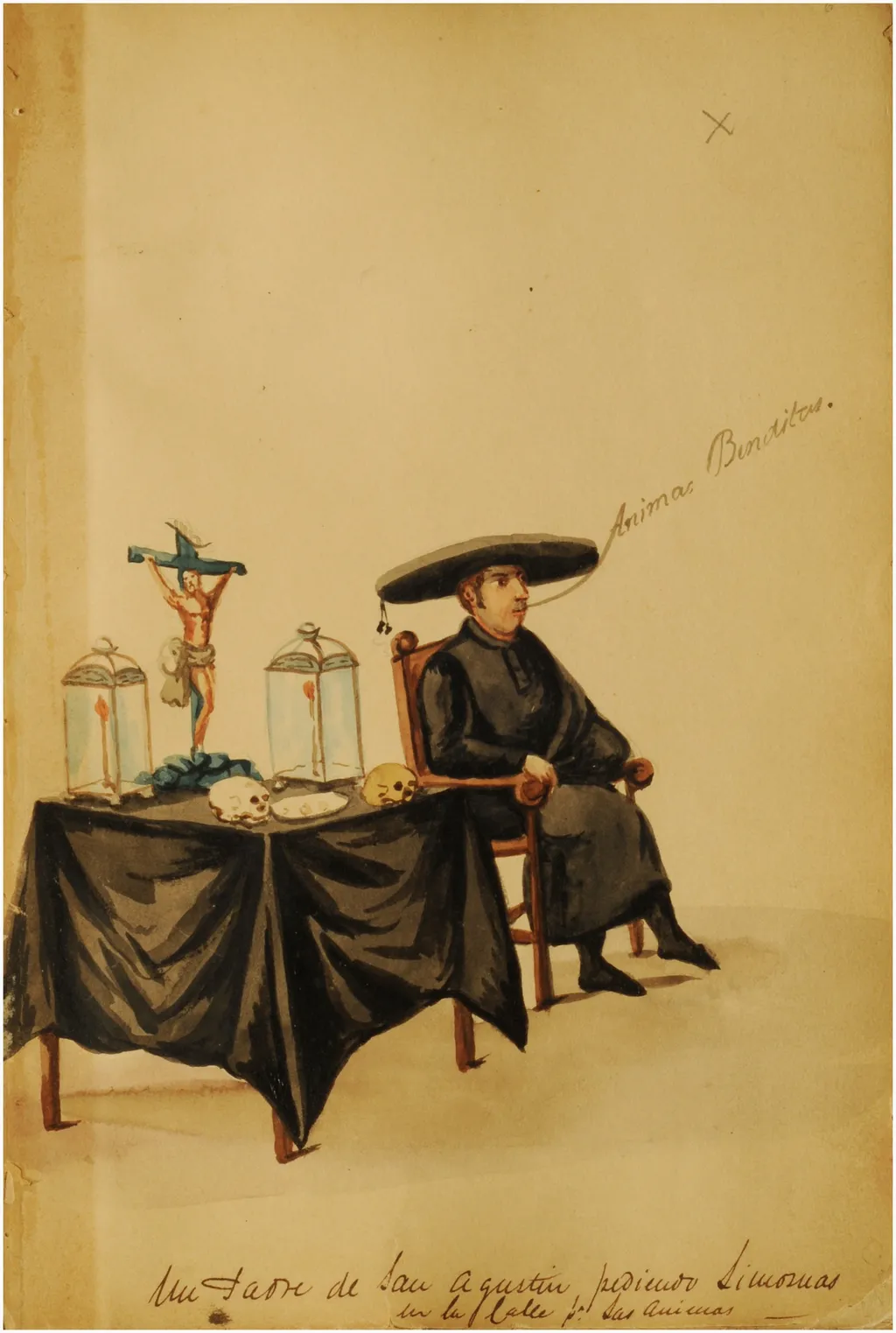
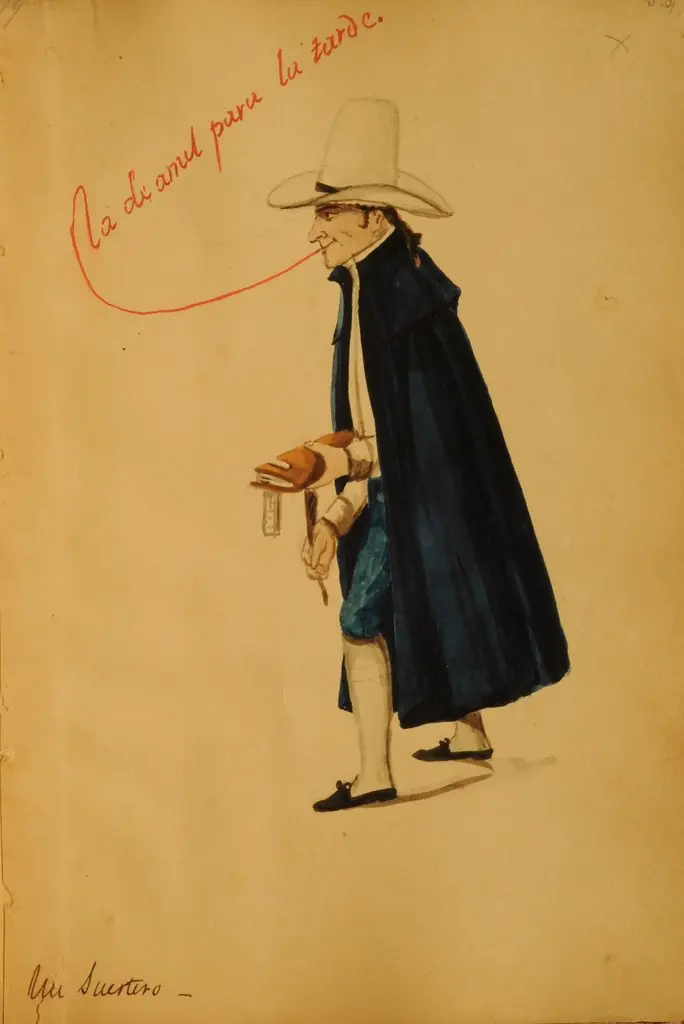
Un padre de San Agustín is an unspecified painting by Pancho Fierro. It dates from 1853 and is held in the collection of the National Museum of Fine Arts, Argentina.
About this work
Overview
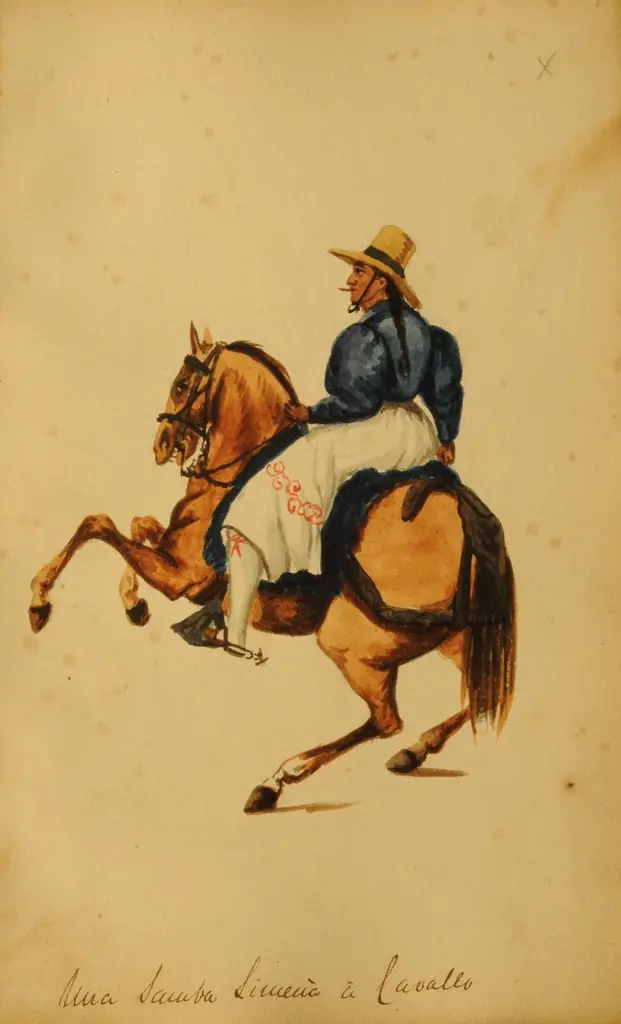
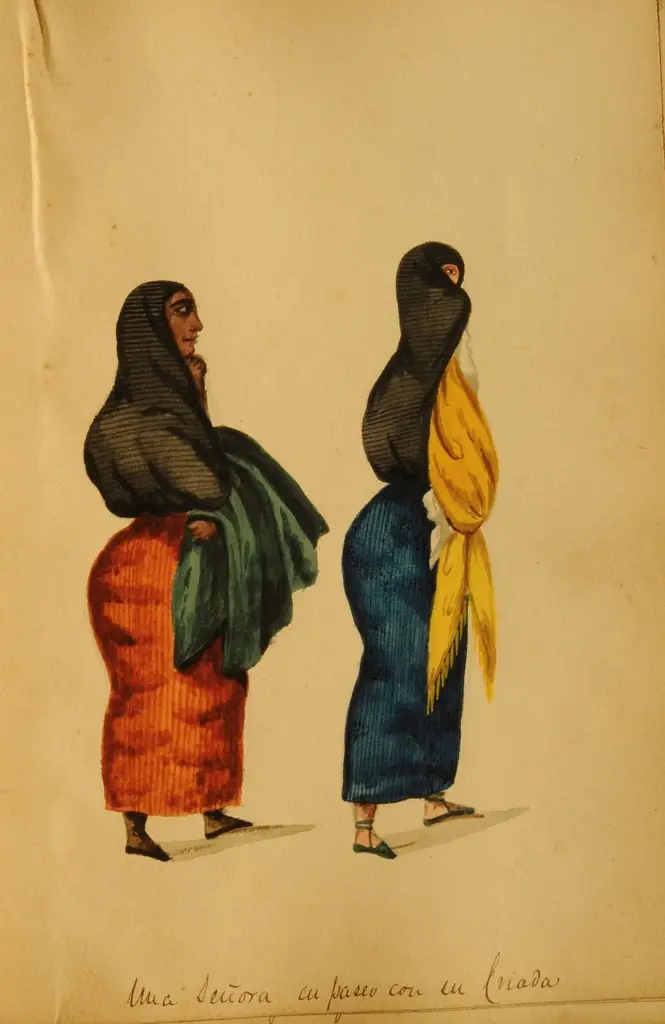
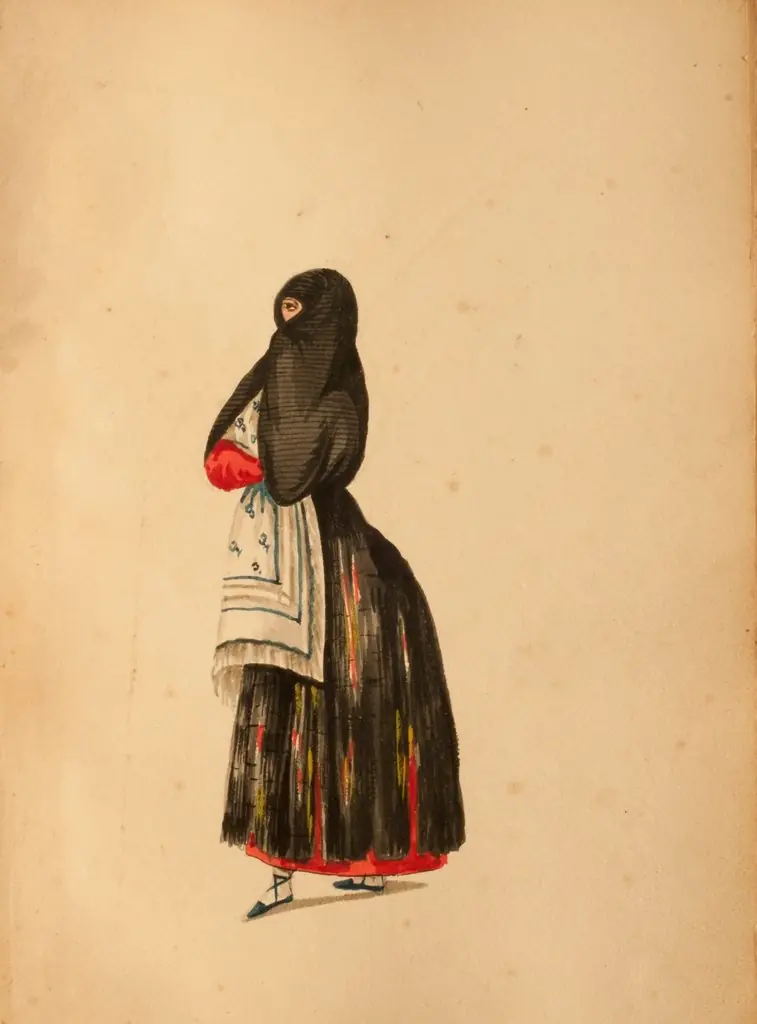
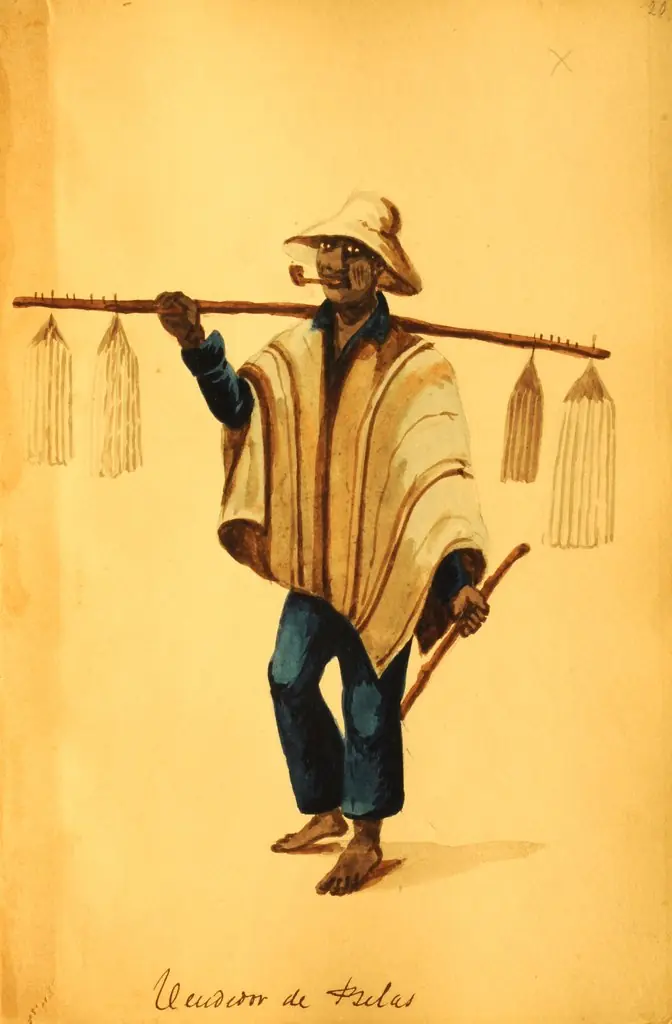
The work is held in the National Museum of Fine Arts in Buenos Aires and reflects his interest in religious and social types within Peruvian society.
Painted around 1853 by Peruvian artist Pancho Fierro, this watercolor depicts a solitary male figure seated at a table, dressed in a long black coat and wide-brimmed hat. Fierro, known for his keen observations of daily life in 19th-century Peru, rendered this scene with restrained detail and muted tones. The work is held in the National Museum of Fine Arts in Buenos Aires and reflects his interest in religious and social types within Peruvian society.
Subject & Meaning
The figure is identified as a member of the San Agustín religious order, though his specific role is not documented. The objects on the table—a skull, a crucifix, and a plate—suggest themes of mortality and devotion, common in Catholic devotional practices. The sombrero and coat imply regional dress, possibly indicating a local adaptation of clerical attire. The scene’s ambiguity invites interpretation without clear narrative, characteristic of Fierro’s observational approach.
Technique & Style
Fierro employed watercolor on paper, using thin washes to define form and texture with minimal detail. The background is left plain, directing focus to the figure and table arrangement. His brushwork is precise yet economical, capturing folds of fabric and the weight of objects without embellishment. This restrained style aligns with costumbrismo, prioritizing ethnographic accuracy over dramatic expression.
History & Provenance
The painting entered the collection of the National Museum of Fine Arts in Buenos Aires in the late 19th or early 20th century, likely through acquisition or donation. Its journey from Peru to Argentina reflects broader cultural exchanges in the region. While its exact provenance before museum acquisition remains undocumented, its preservation suggests early recognition of Fierro’s significance in documenting Peruvian social life.
Context
In mid-19th century Peru, religious orders maintained visible roles in daily life, and figures like this priest would have been familiar in urban and rural settings. Fierro’s work emerged amid a growing interest in national identity, capturing customs that defined Peruvian society after independence. His images served as visual records for both local and foreign audiences, bridging folk tradition and institutional religion.
Legacy
Pancho Fierro’s oeuvre, including this piece, remains a vital resource for understanding Peruvian social and religious customs of the era. Though not widely exhibited internationally, his watercolors are studied for their documentary value and stylistic clarity. This painting contributes to a broader recognition of Latin American costumbrista art as a form of cultural testimony rather than idealized representation.
Artist & collection
Artist
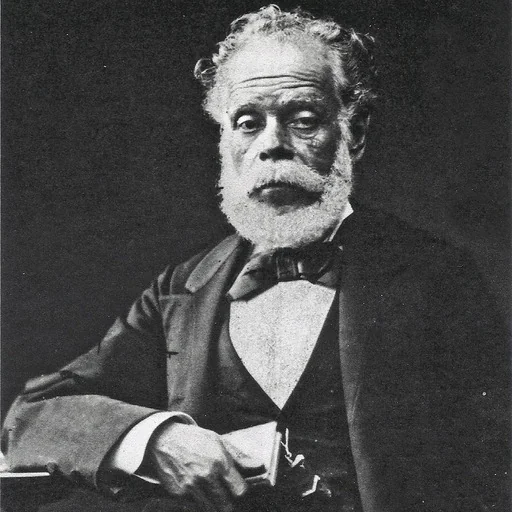
Francisco Fierro Palas, called "Pancho" Fierro (c. 1807/1809 – 28 July 1879), was a Peruvian painter, known primarily for his costumbrista watercolors, which depict his country's life and customs.

Museum
National Museum of Fine Arts, Argentina
Continue through works from the same source collection.