Artwork
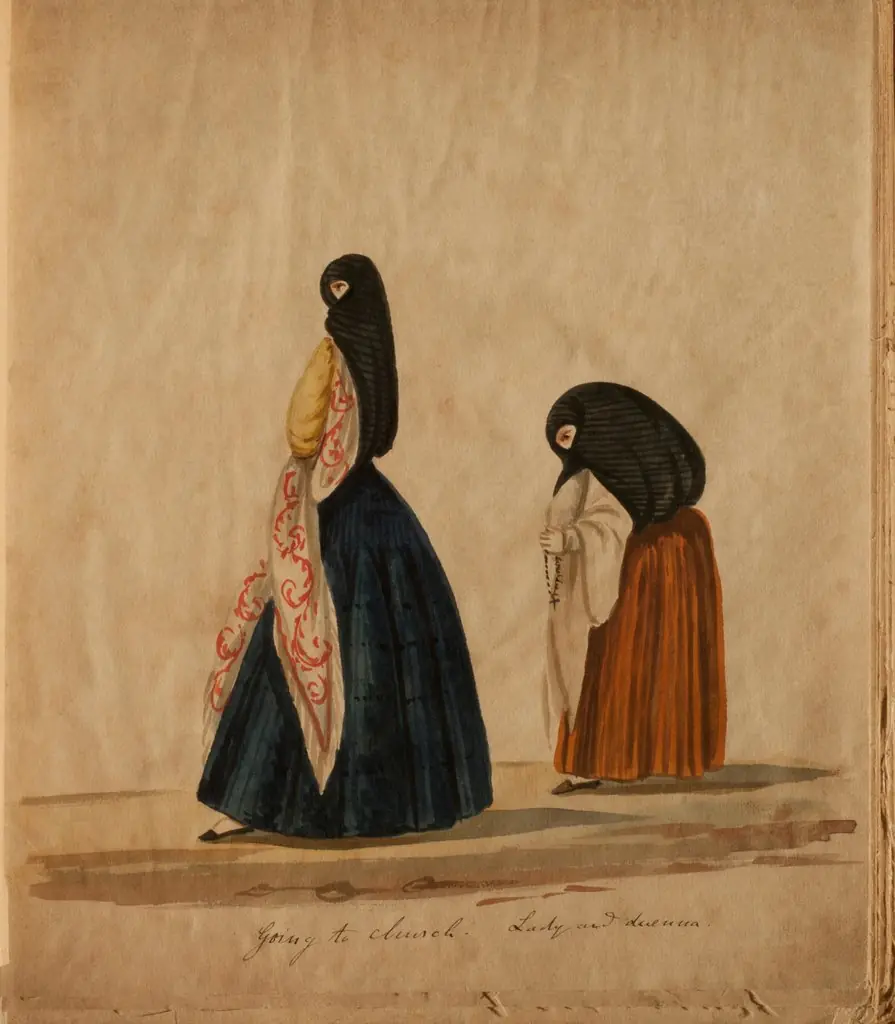
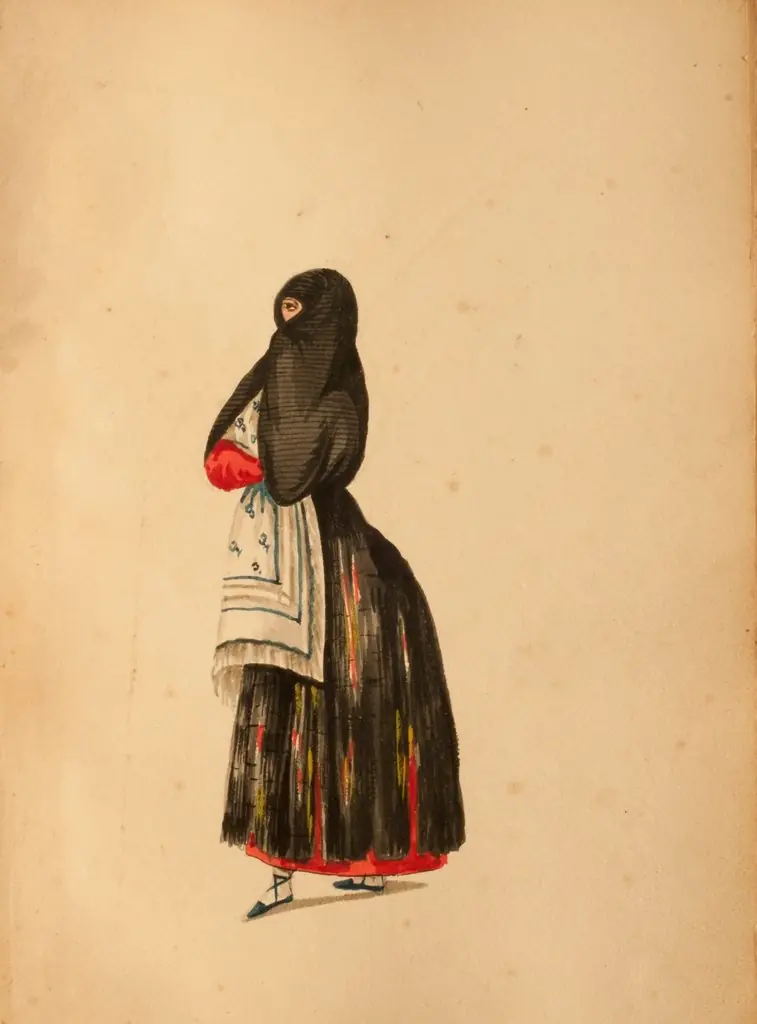
A lady on a walk with her maid
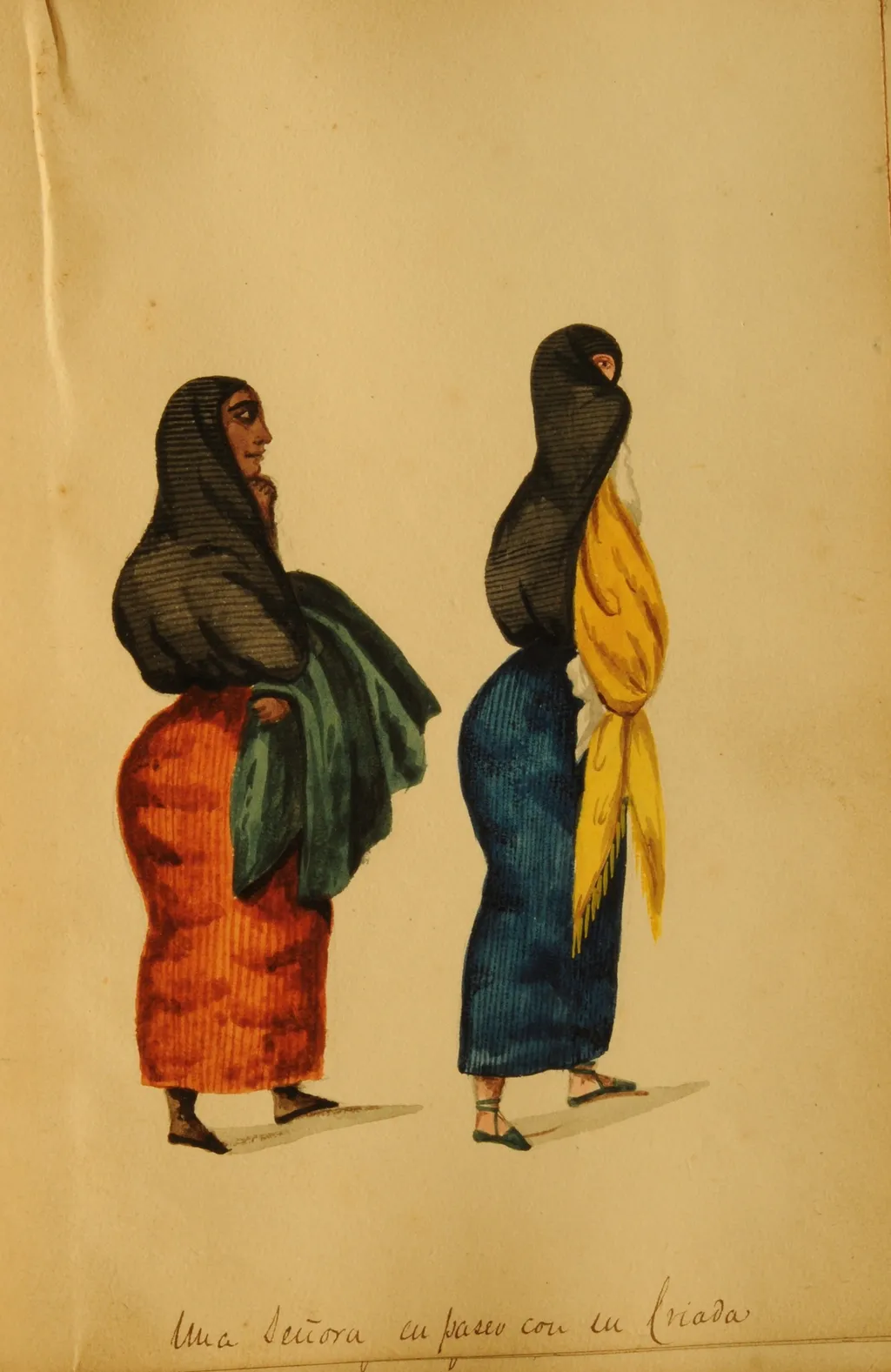
A lady on a walk with her maid is an unspecified painting by Pancho Fierro. It dates from 1850 and is held in the collection of the National Museum of Fine Arts, Argentina.
About this work
Overview
The work is part of the National Museum of Fine Arts in Buenos Aires collection, where it contributes to broader narratives of Latin American visual culture.
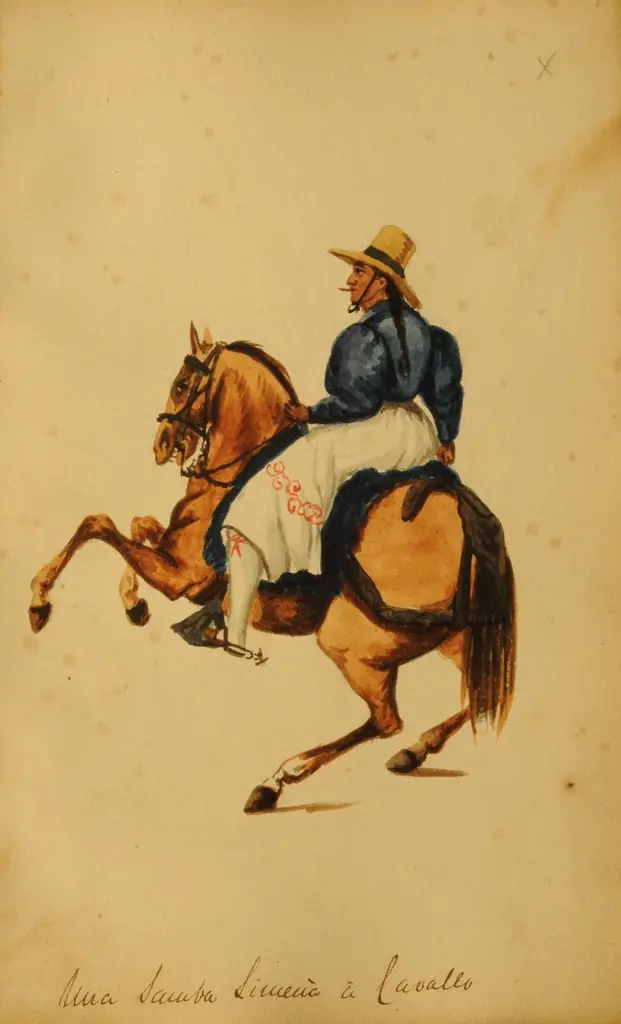
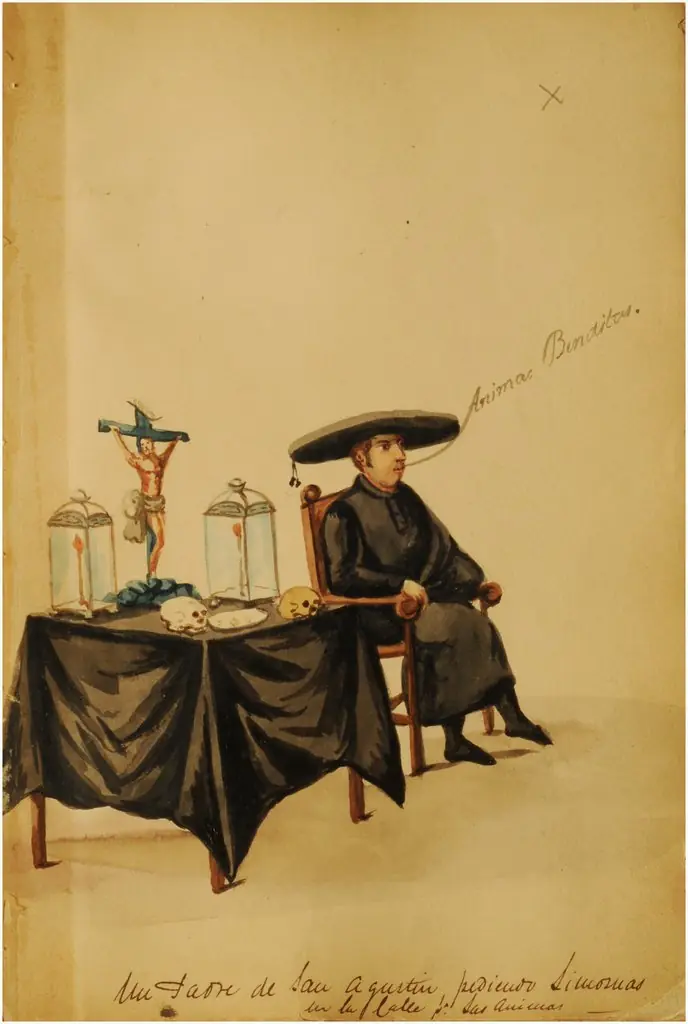
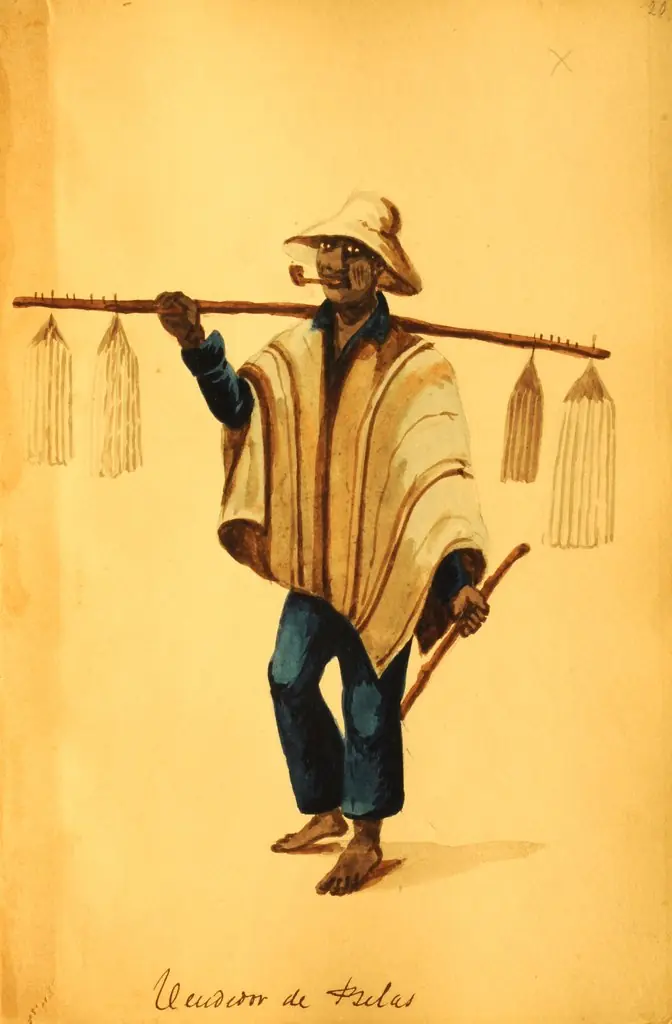
Created around 1850 by Peruvian artist Pancho Fierro, this watercolor depicts two women walking together, capturing a quiet moment of everyday life in mid-19th-century Peru. Fierro, known for his costumbrista style, focused on social customs and class distinctions through intimate, observational scenes. The work is part of the National Museum of Fine Arts in Buenos Aires collection, where it contributes to broader narratives of Latin American visual culture.
Subject & Meaning
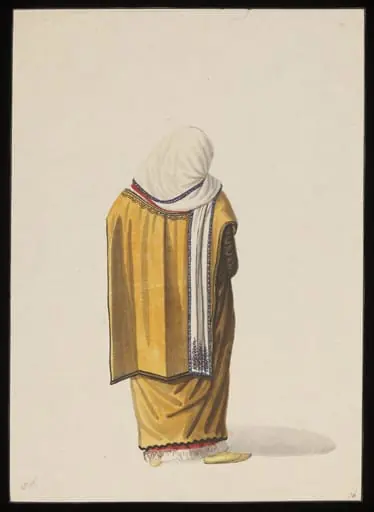
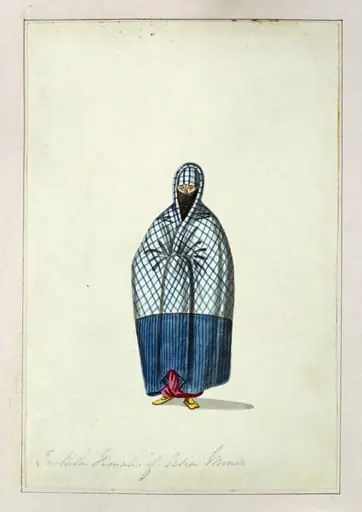
The painting portrays a woman of higher social standing accompanied by her maid, their proximity and attire signaling hierarchical relationships within Peruvian society. Both figures are fully covered, their headwear and layered garments reflecting modesty norms and regional dress codes. The composition avoids drama, instead emphasizing quiet coexistence — a visual record of domestic labor and social order in urban Peru during a period of transition.
Technique & Style
Fierro employed watercolor with restrained brushwork, using muted reds, blues, and yellows to define fabric and form without overt saturation. The background is lightly suggested, drawing focus to the figures and their clothing. Subtle gradations in tone create texture and depth, while the lack of detailed facial features universalizes the subjects, reinforcing the work’s documentary intent over individual portraiture.
History & Provenance
The painting entered the collection of the National Museum of Fine Arts in Buenos Aires, though its exact acquisition history is not fully documented. As a work by Fierro — a prolific chronicler of Lima’s street life — it likely circulated among collectors in the Andean region before being acquired by the museum. Its preservation reflects early 20th-century efforts to archive Latin American visual records beyond European-influenced traditions.
Context
In mid-19th-century Peru, costumbrismo emerged as a literary and artistic movement responding to national identity formation after independence. Fierro’s watercolors, often sold as lithographic prints, offered accessible glimpses into class, race, and gender roles. This scene aligns with broader regional trends documenting domestic life, contrasting with grand historical or religious themes favored in academic circles.
Legacy
Fierro’s work, including this piece, helped establish a visual archive of everyday Peruvian life that later scholars used to analyze social structures. Though not widely exhibited internationally, his watercolors remain important for understanding how local artists documented marginalized perspectives. The painting continues to inform studies on gender, labor, and material culture in 19th-century Latin America.
Artist & collection
Artist
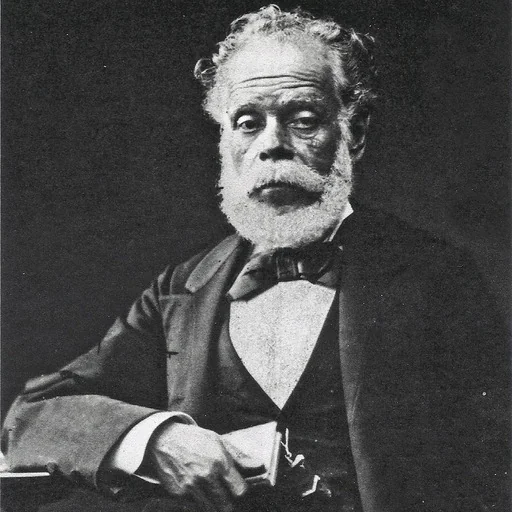
Francisco Fierro Palas, called "Pancho" Fierro (c. 1807/1809 – 28 July 1879), was a Peruvian painter, known primarily for his costumbrista watercolors, which depict his country's life and customs.

Museum
National Museum of Fine Arts, Argentina
Continue through works from the same source collection.