Artwork
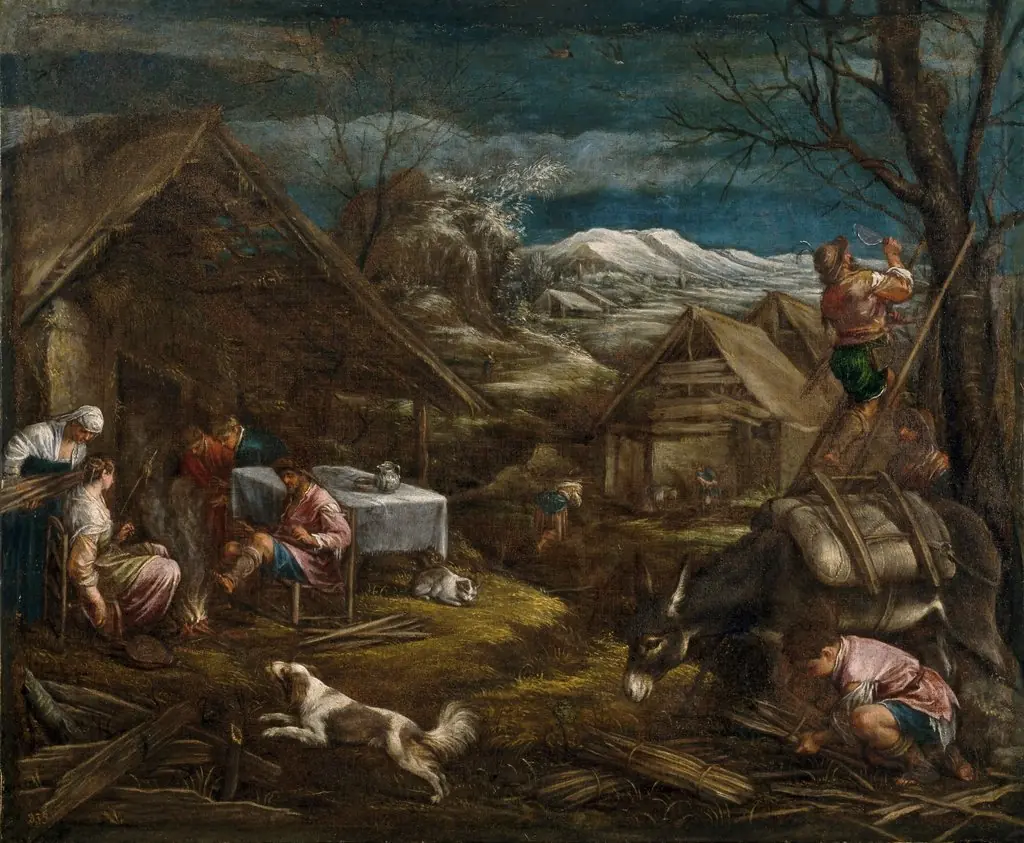
Woodcutters or Winter
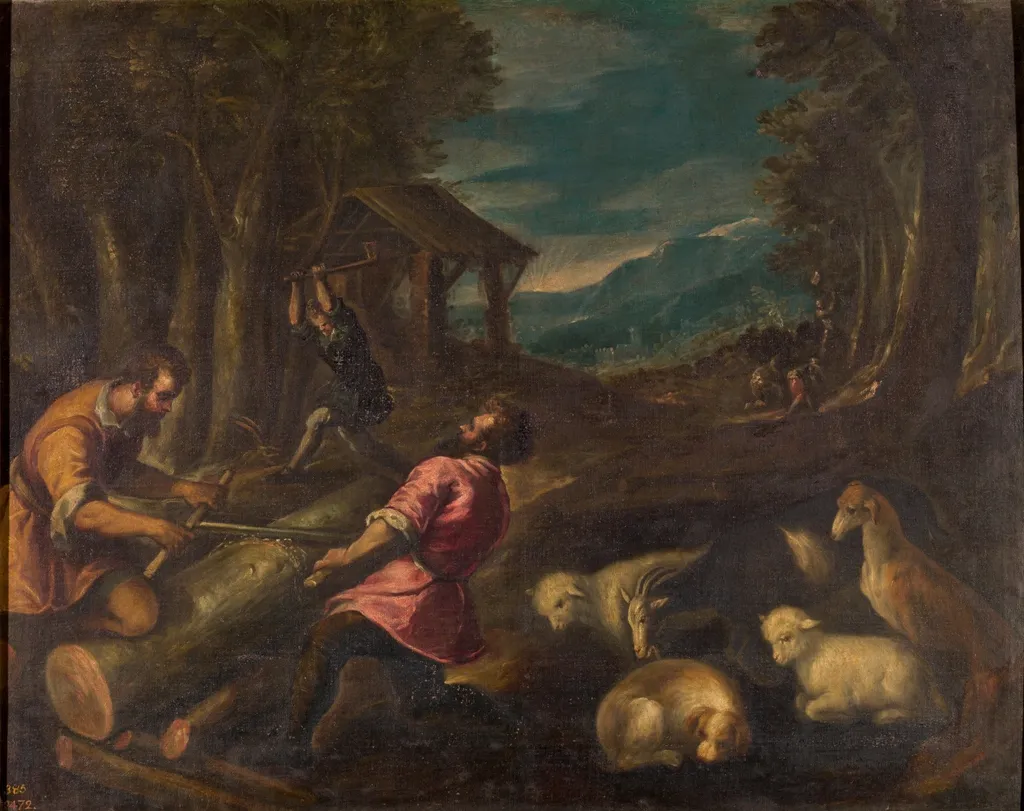
Woodcutters or Winter is an oil painting by the Mannerist artist Paolo Fiammingo. It dates from 1551 and is held in the collection of the Museo del Prado.
About this work
Overview
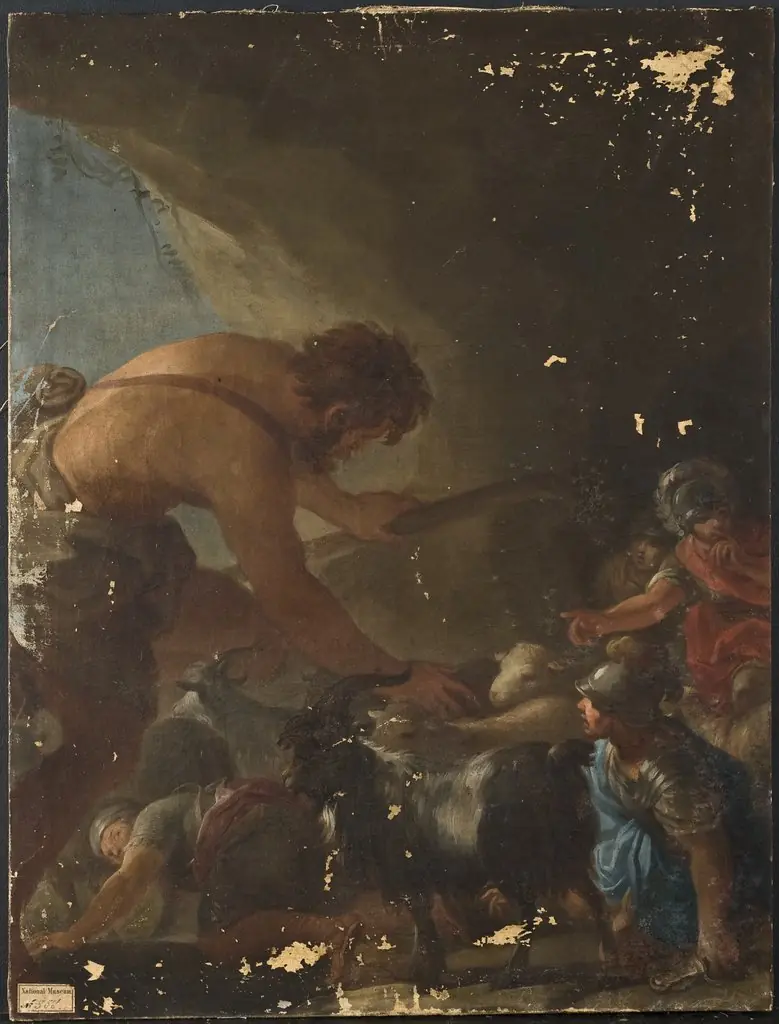
Painted in oil around 1551, this work by Paolo Fiammingo captures a winter labor scene in the Venetian countryside. Though Flemish by training, the artist spent much of his career in Venice, where he absorbed local artistic currents. The painting is cataloged in the Museo del Prado and reflects the broader Mannerist tendency to blend everyday subjects with elevated compositional techniques.
Subject & Meaning
Two laborers are shown cutting wood in a frozen landscape, their physical exertion rendered with quiet dignity. The scene avoids idealization, focusing instead on the rhythm of seasonal work. No mythological or religious symbols are present; the meaning lies in the depiction of rural endurance. Animals—a dog and goats—add subtle life to the setting, grounding the image in observable reality.
Technique & Style
Fiammingo employed oil paint to build layered textures, using chiaroscuro to model forms and suggest spatial depth.
Fiammingo employed oil paint to build layered textures, using chiaroscuro to model forms and suggest spatial depth. The figures are rendered with precise detail, contrasting with the looser handling of the background landscape. His brushwork shows influence from Venetian masters like Tintoretto, particularly in the atmospheric handling of sky and distant hills, while retaining Flemish attention to detail.
History & Provenance
The painting entered the Spanish royal collection in the 17th century and has remained in state custody since, now housed in the Museo del Prado. Its early history is undocumented beyond its attribution to Fiammingo, who was active in Venice during the mid-1500s. No records of its original commission survive, suggesting it may have been produced for the open market rather than a patron.
Context
In mid-16th century Venice, landscape painting was gaining ground as an independent subject, often infused with allegory. Fiammingo’s work aligns with this trend, yet his focus on peasant labor distinguishes it from the mythological landscapes favored by contemporaries. His synthesis of Northern European precision and Venetian color reflects the cosmopolitan nature of the city’s artistic community.
Legacy
Though not widely known today, Fiammingo’s winter scene contributes to the understudied genre of Northern Mannerist landscape painting in Italy. It stands as a quiet testament to the integration of Flemish technique into Venetian artistic practice. The painting’s endurance in the Prado’s collection underscores its historical value as an example of cross-regional artistic exchange in Renaissance Europe.
Own this work as a print
Artist & collection
Artist
Pauwels Franck, known in Italy as Paolo Fiammingo and Paolo Franceschi (c. 1540–1596), was a Flemish painter, who, after training in Antwerp, was active in Venice for most of his life. He is mainly known for his…

 Winter
 Winter
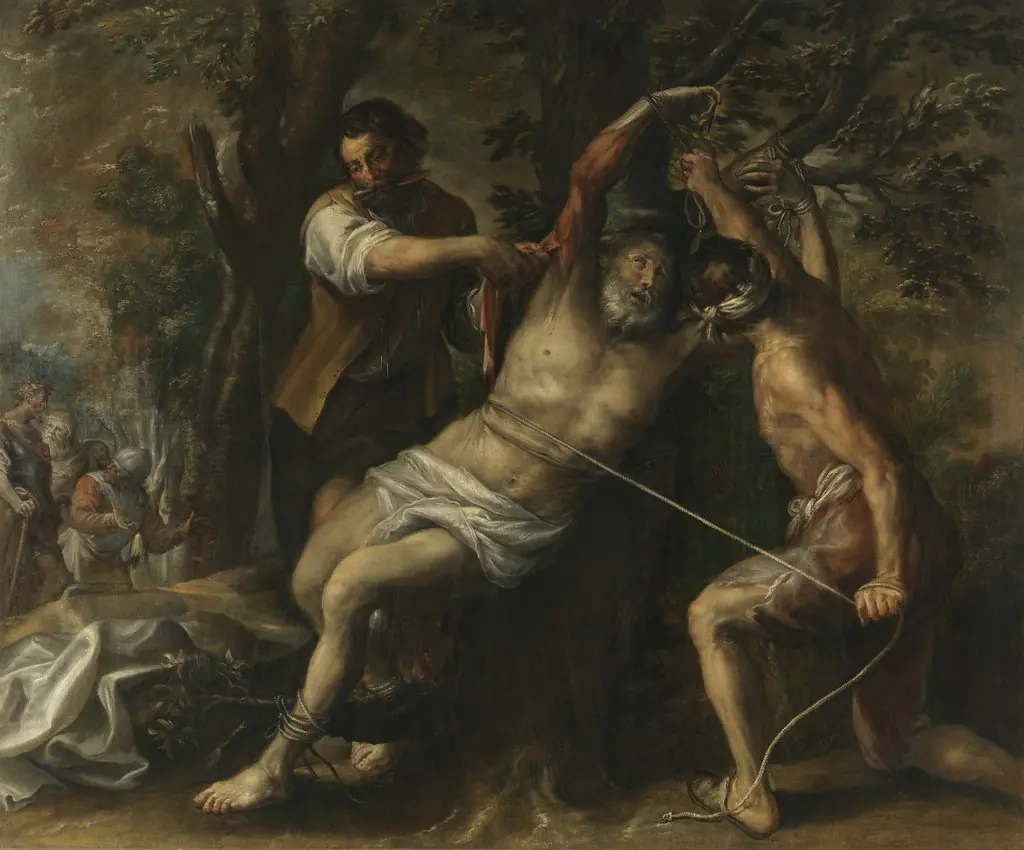 The Martyrdom of Saint Bartholomew
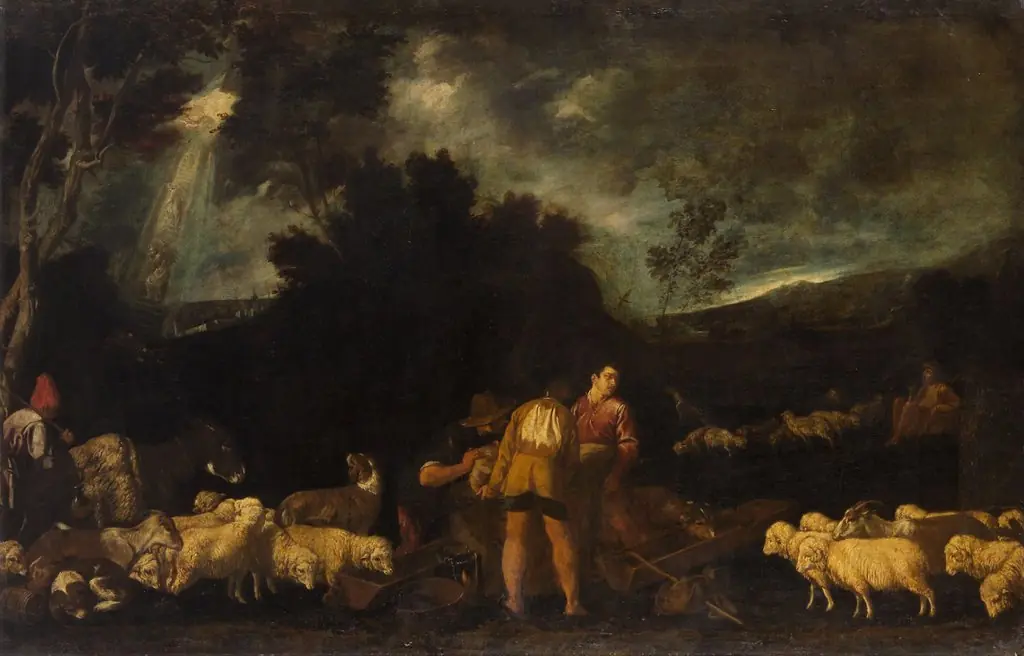 Jacob at the Well (In the background: Jakob's dream of the heavenly ladder)
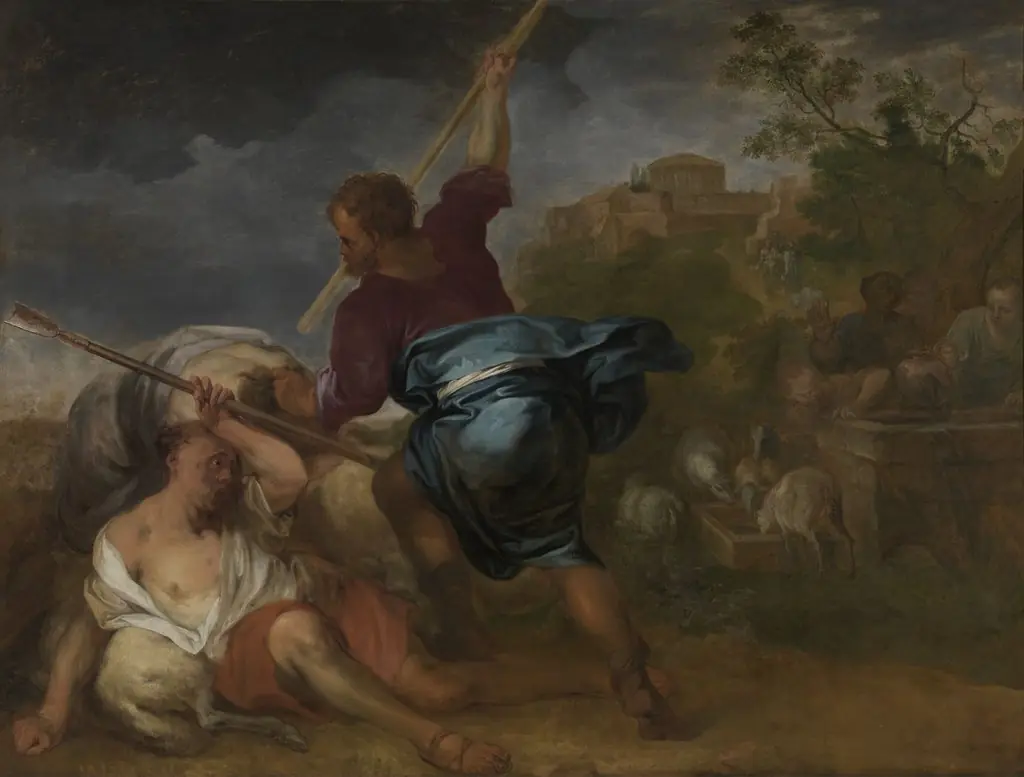 Moses defends the daughters of Jethro
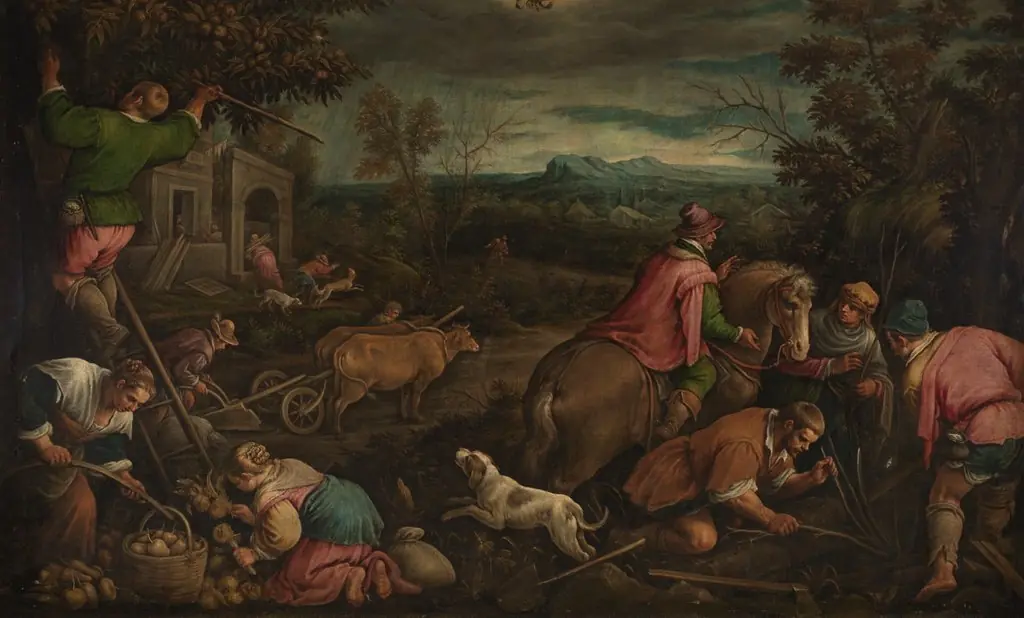 October (Scorpio)
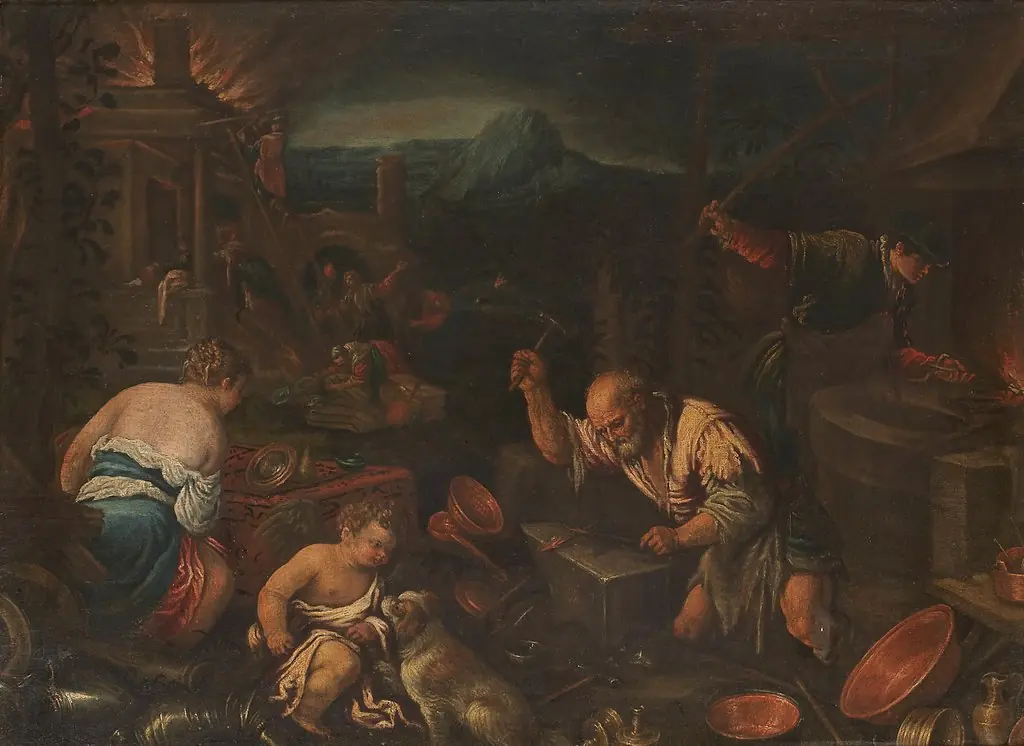 Venus in der Schmiede des Vulkan
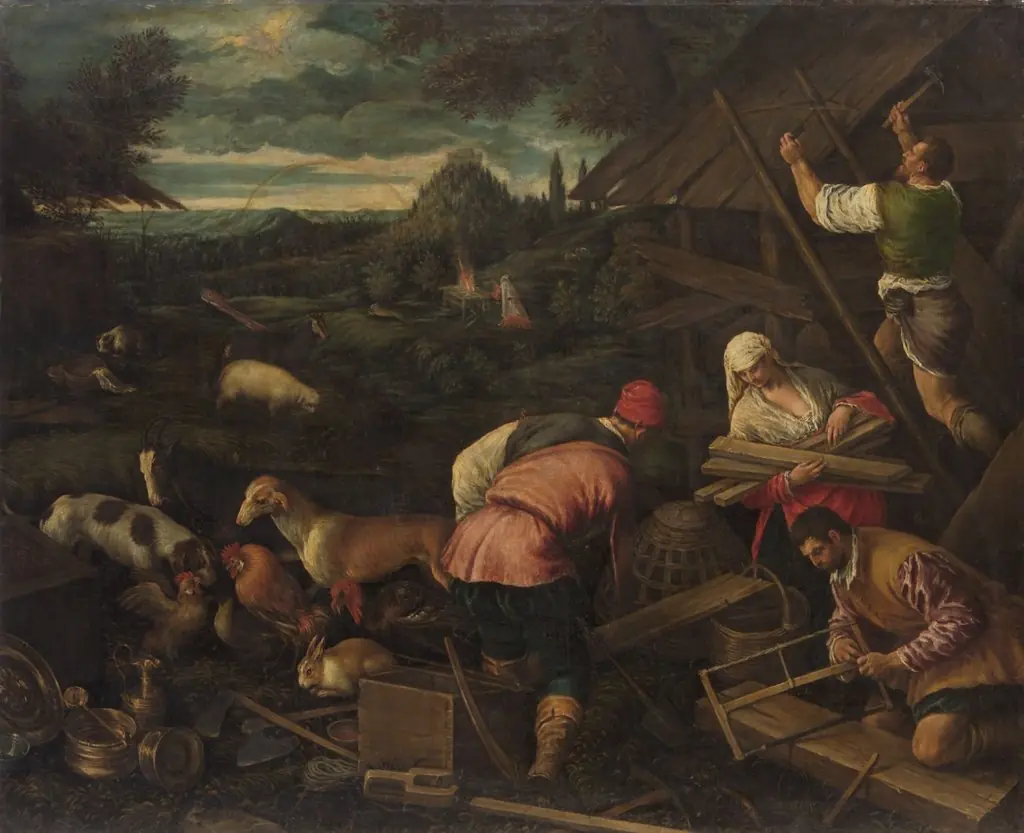 Nach der Sintflut
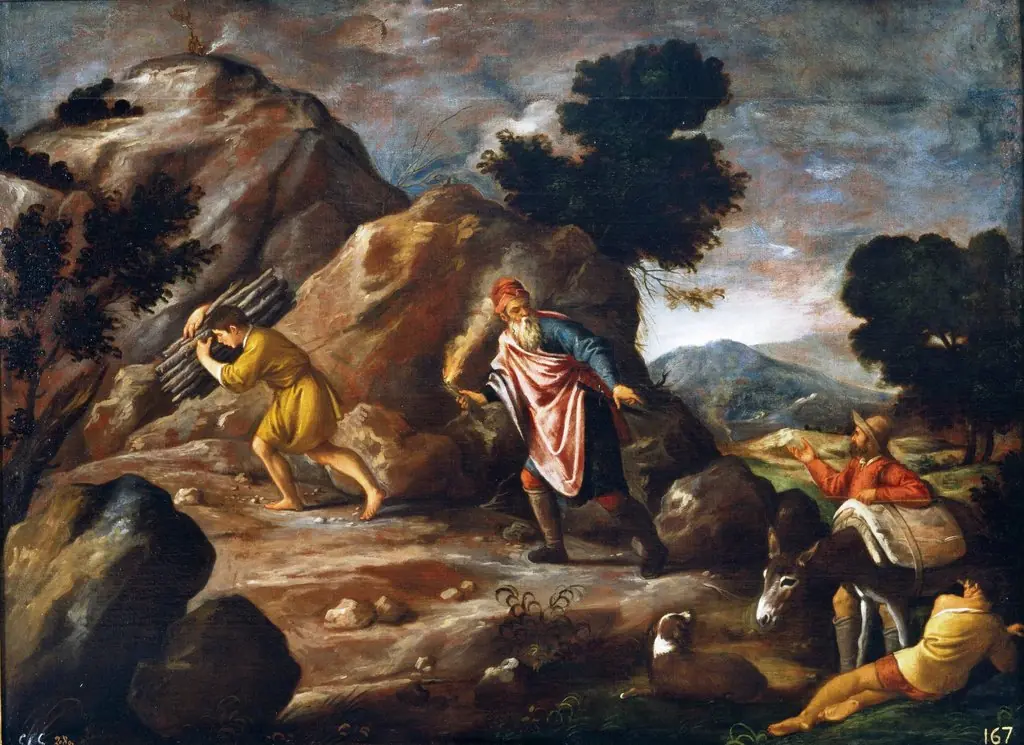 Abraham e Isaac camino del sacrificio
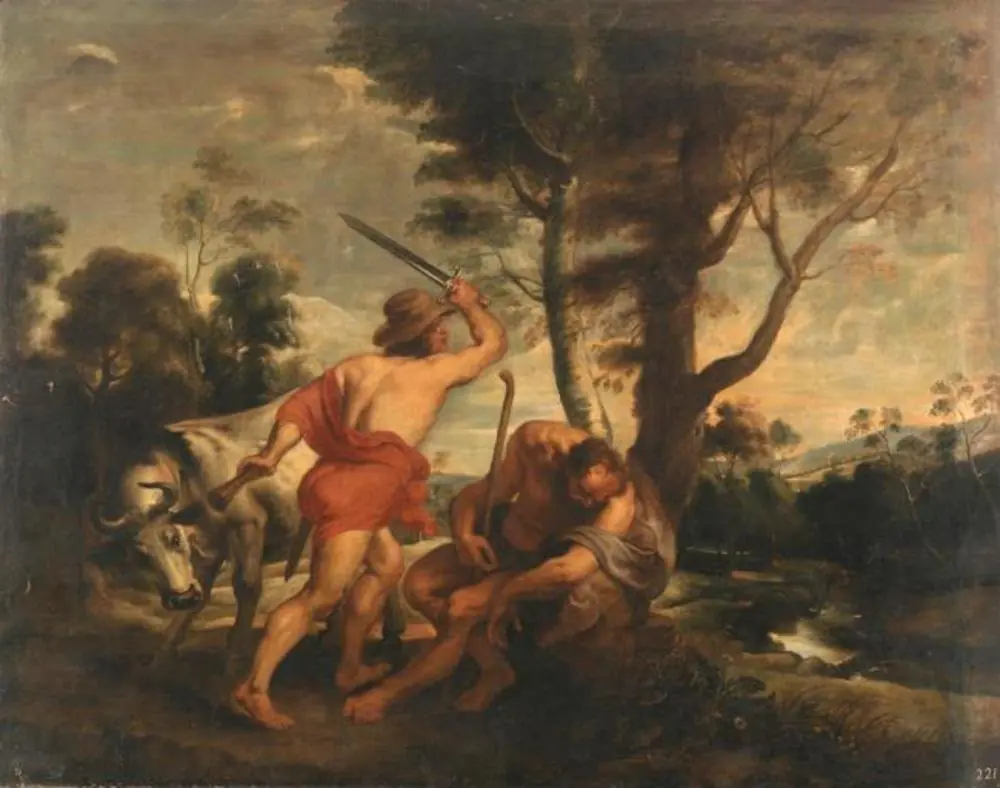 Mercury and Argus
 Odysseus i cyklopen Polyfemos grotta