Artwork
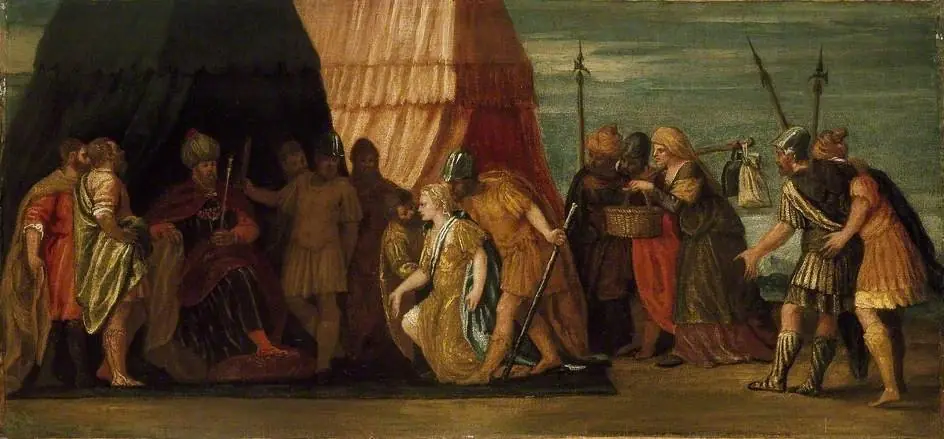
Judith receiving the Ancients of Bethulia
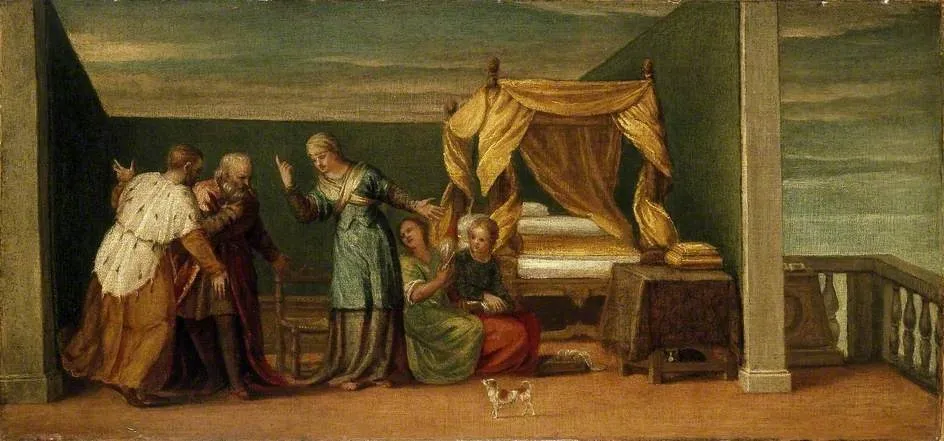
Judith receiving the Ancients of Bethulia is an oil painting by the Mannerist artist Paolo Veronese. It dates from 1568 and is held in the collection of the Ashmolean Museum. Created around 1568, this oil on canvas presents a dramatic moment from the biblical narrative of Judith.
About this work
Overview
Created around 1568, this oil on canvas presents a dramatic moment from the biblical narrative of Judith. The composition centers on a woman in a richly draped green garment, sword raised above a fallen male figure, while a group of older men observe. The work exemplifies the Venetian painter Paolo Veronese’s engagement with large‑scale religious subjects during the late Renaissance.
Subject & Meaning
The scene captures the moment Judith, a widow from the Book of Judith, confronts the elders of Bethulia after her triumph over the Assyrian general Holofernes. Her poised stance and the fallen opponent symbolize the triumph of virtue and divine intervention over oppression, reflecting contemporary moral and theological themes about female agency and communal salvation.
Technique & Style
Executed in the Mannerist idiom, the painting displays Veronese’s characteristic use of luminous, saturated hues and intricate detailing. The artist employs a deep, almost theatrical backdrop that heightens the contrast between the illuminated figures and the surrounding darkness, while the fluid brushwork and elegant drapery reveal his command of color harmonies and spatial complexity.
History & Provenance
Attributed to Paolo Caliari, known as Veronese, the work belongs to the period when he was recognized alongside Titian and Tintoretto as a leading figure in 16th‑century Venice. Though specific ownership records are sparse, the painting has been documented in several European collections since the 17th century, reflecting its continued scholarly interest.
Context
The painting emerges from a Venetian artistic climate that favored grand narrative cycles for churches and palaces. Veronese’s focus on biblical heroines aligned with Counter‑Reformation demands for clear moral exempla, while his opulent visual language catered to the tastes of affluent patrons seeking both devotional and decorative works.
Artist & collection
Artist
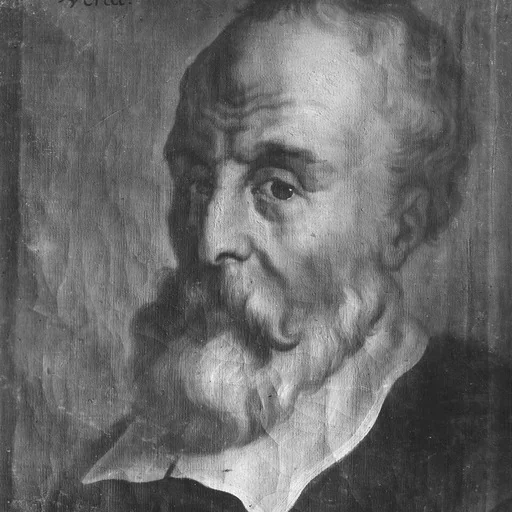
Paolo Caliari (1528 – 19 April 1588), known as Paolo Veronese ( VERR-ə-NAY-zay, -zee, US also -see; Italian: ), was an Italian Renaissance painter based in Venice, known for extremely large history paintings of…

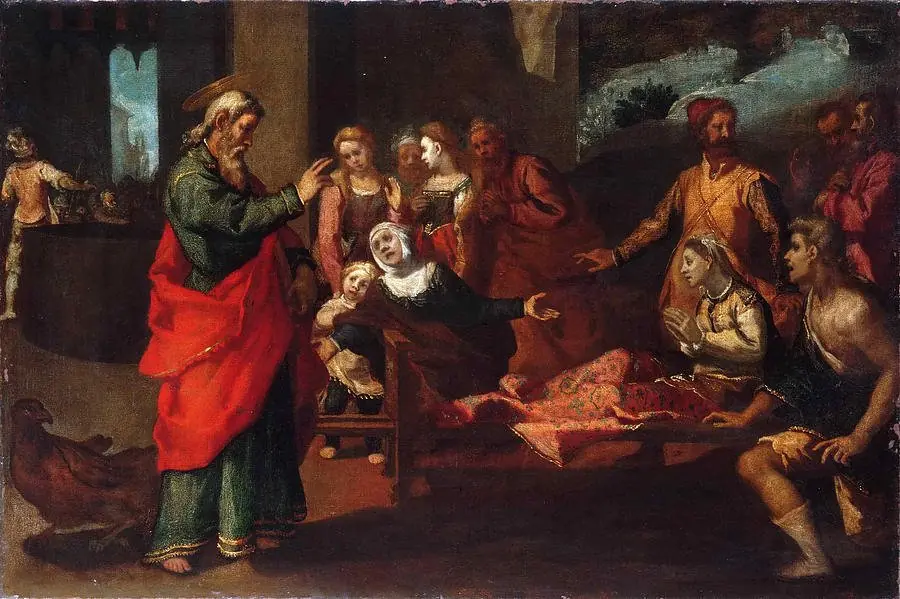 Saint John the Evangelist Reviving Drusiana
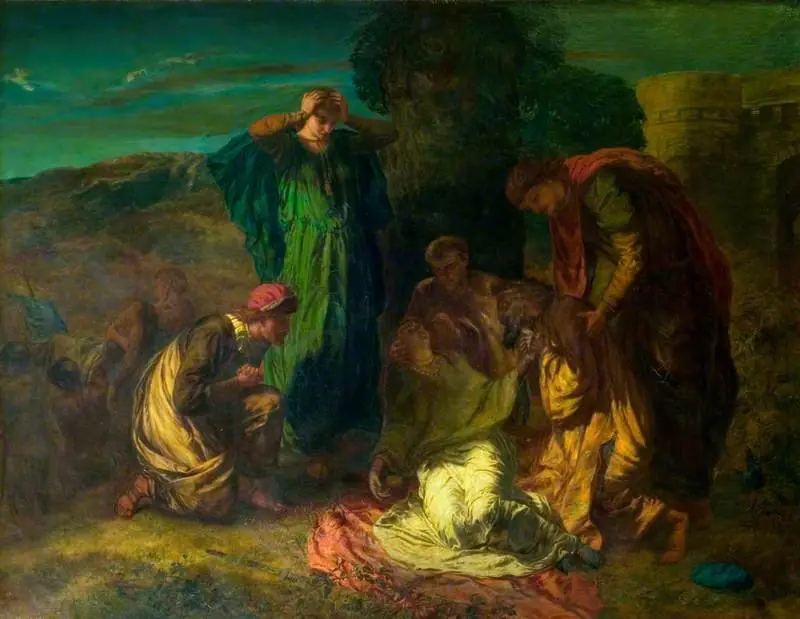 The Death of Cordelia (from William Shakespeare's 'King Lear')
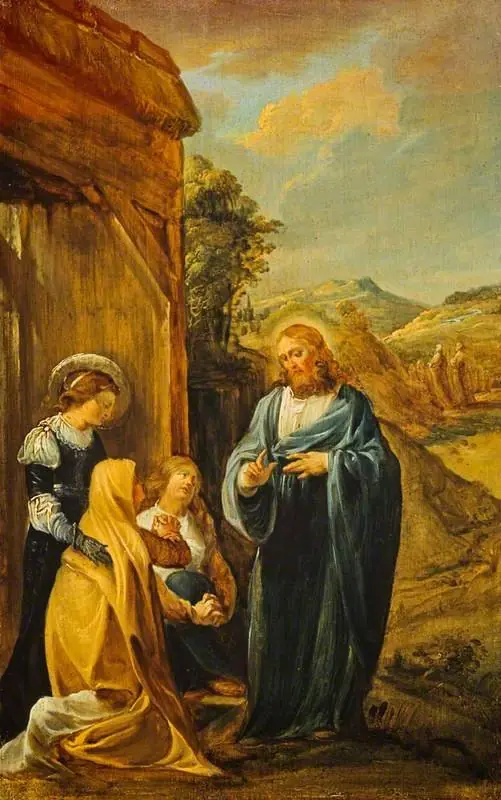 Christ taking leave of his Mother
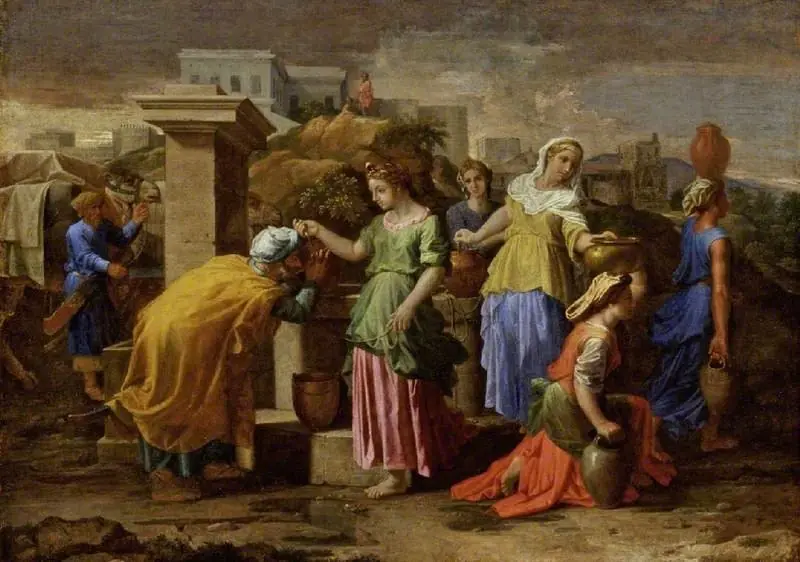 Eliezer and Rebecca
 Bathseba vor David
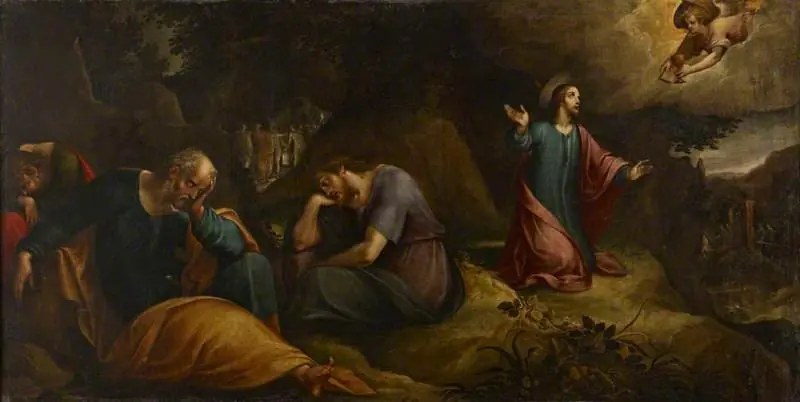 Christ on the Mount of Olives
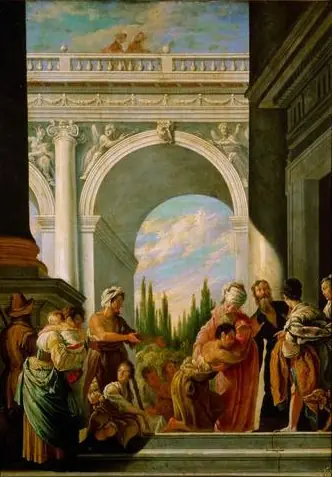 Gleichnis vom verlorenen Sohn
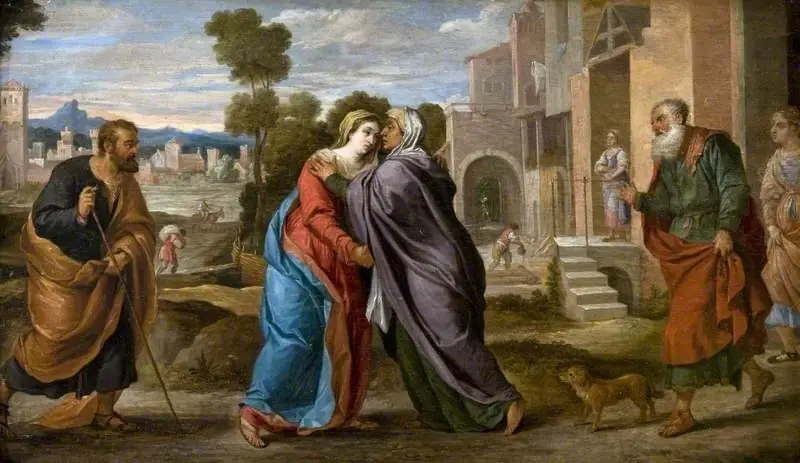 The Visitation (after Jacopo Palma il Vecchio)
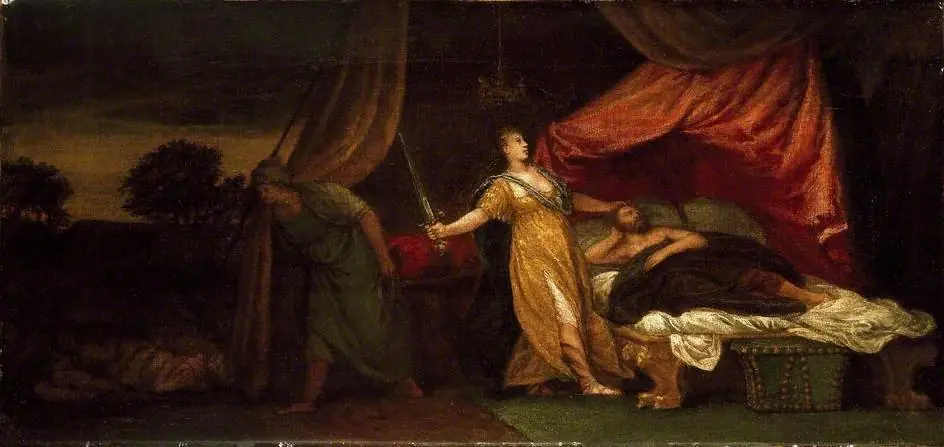 Judith about to kill Holofernes
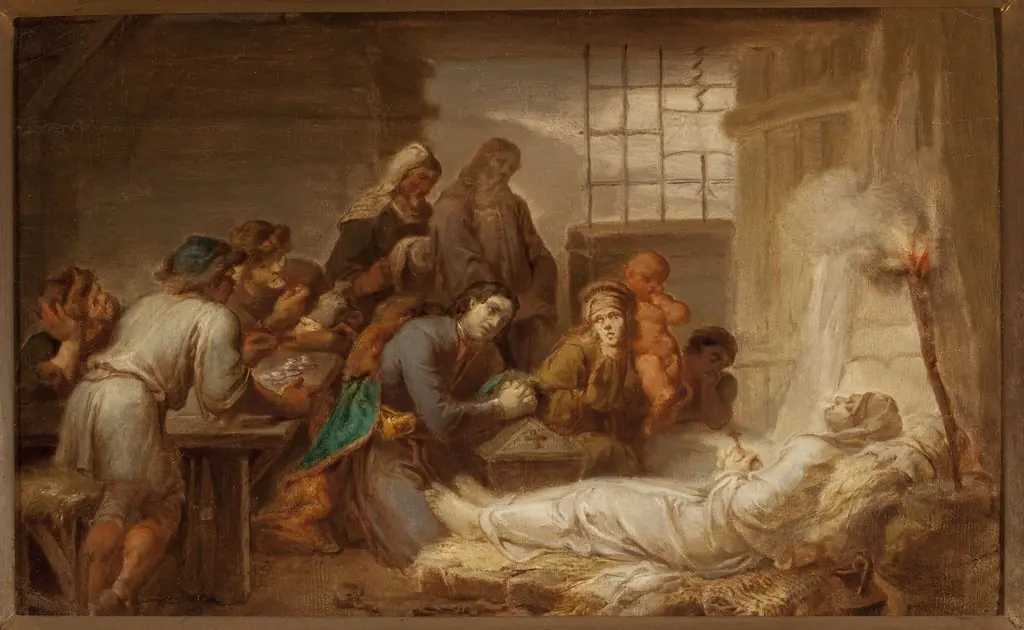 Death in exile
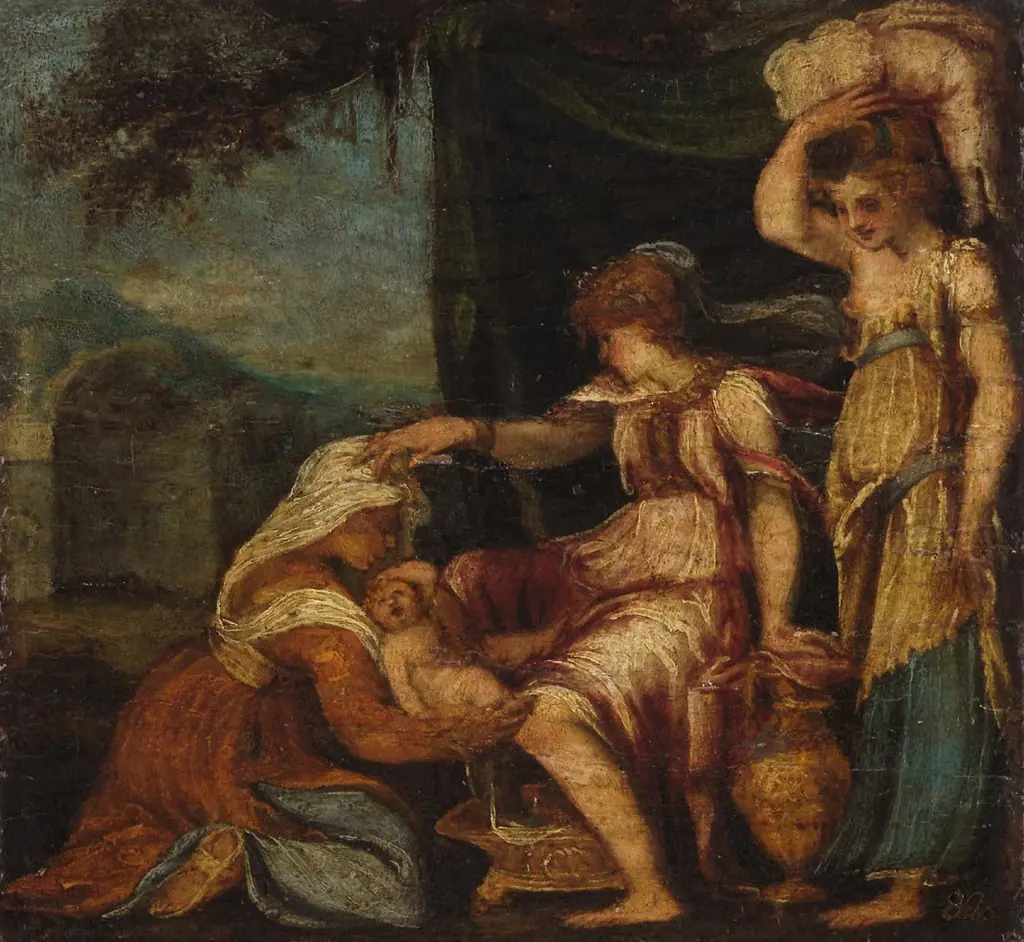 Birth of Jupiter
 Judith received by Holofernes