Artwork
The Rape of Europa
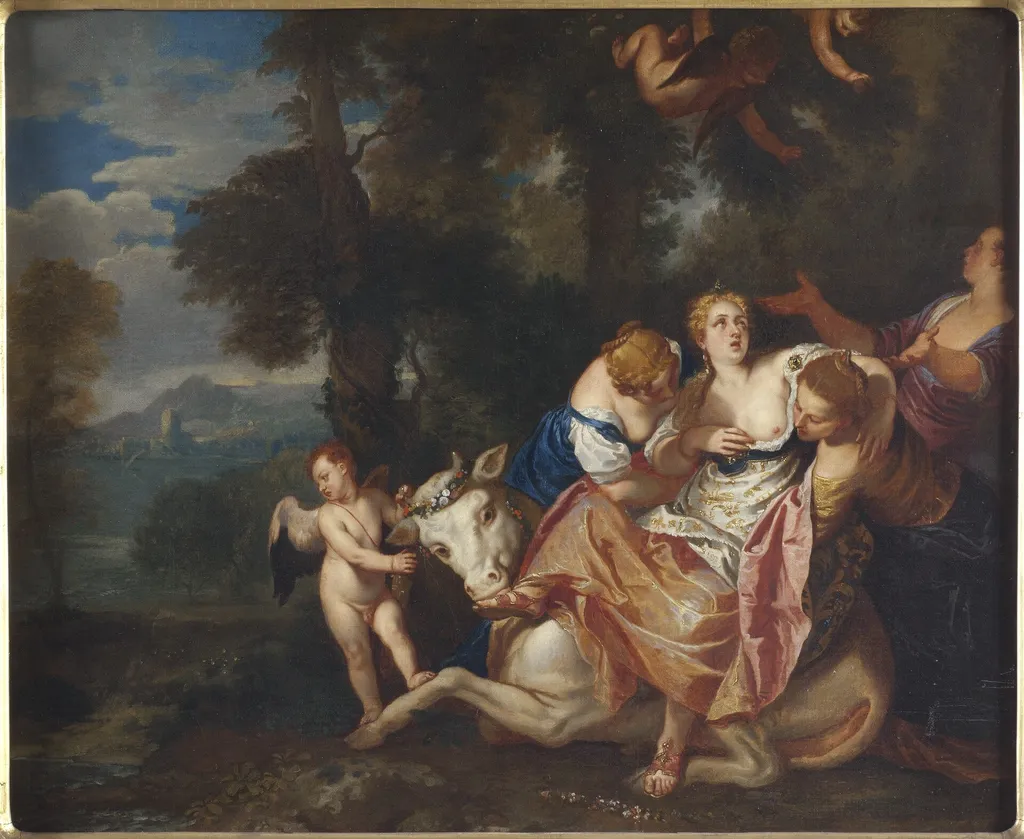
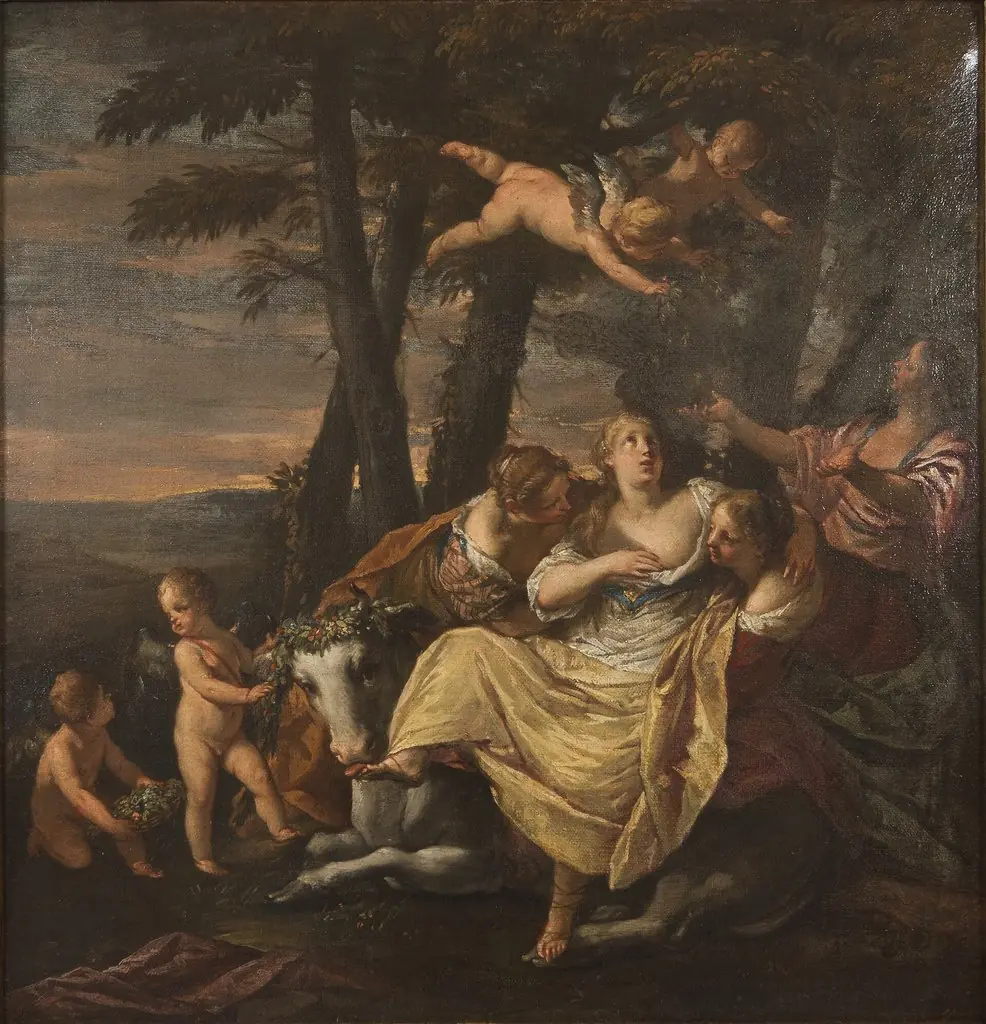
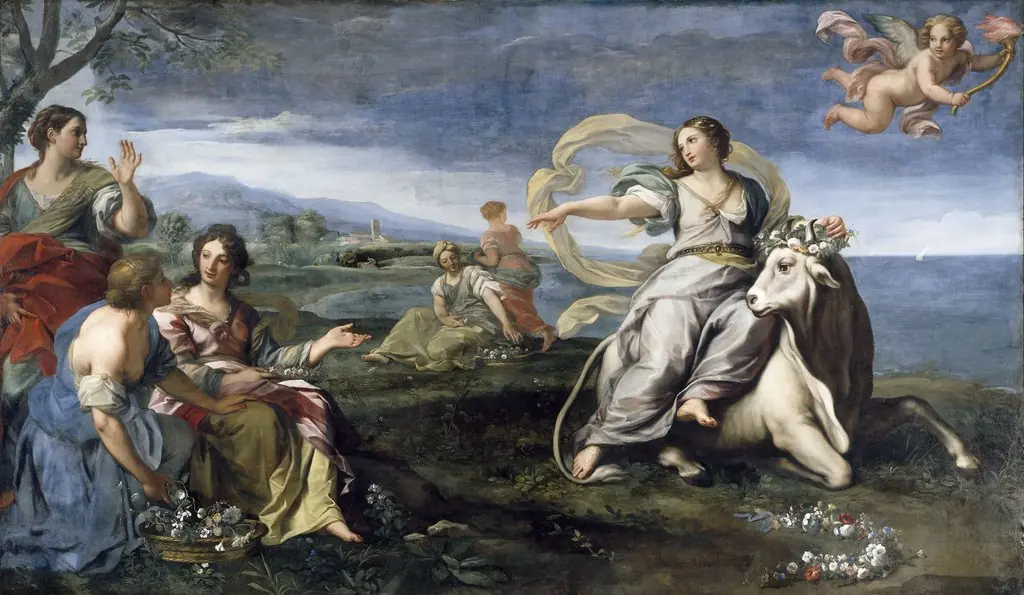
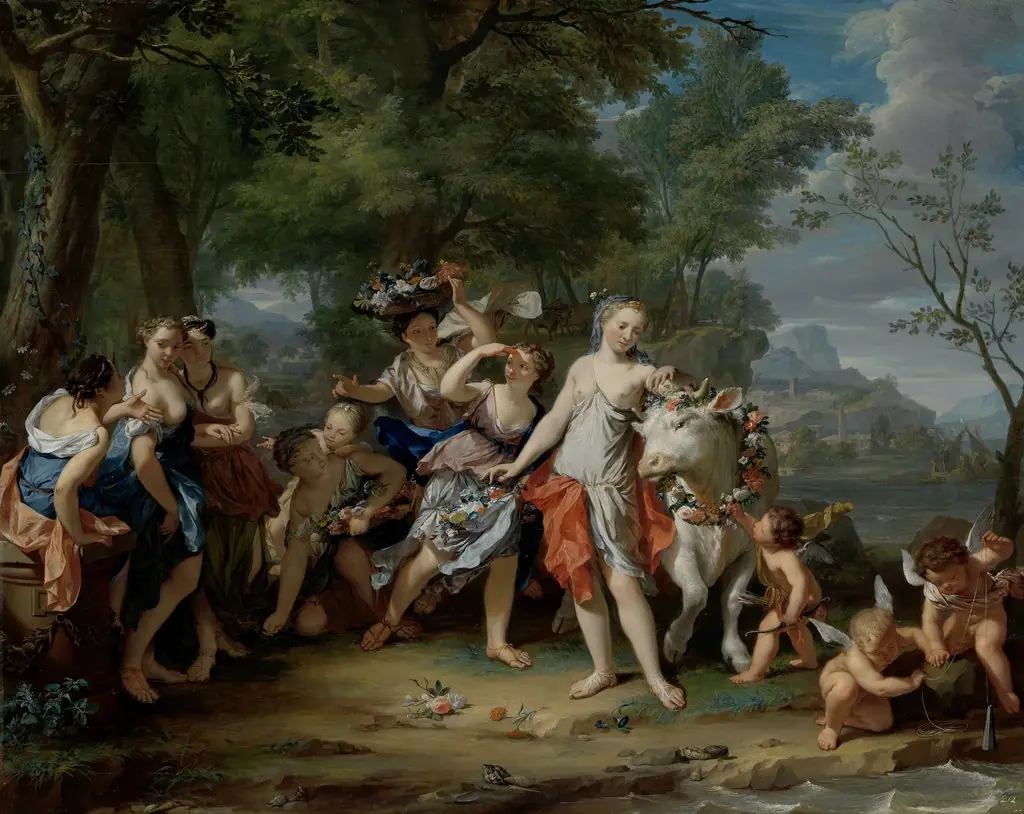
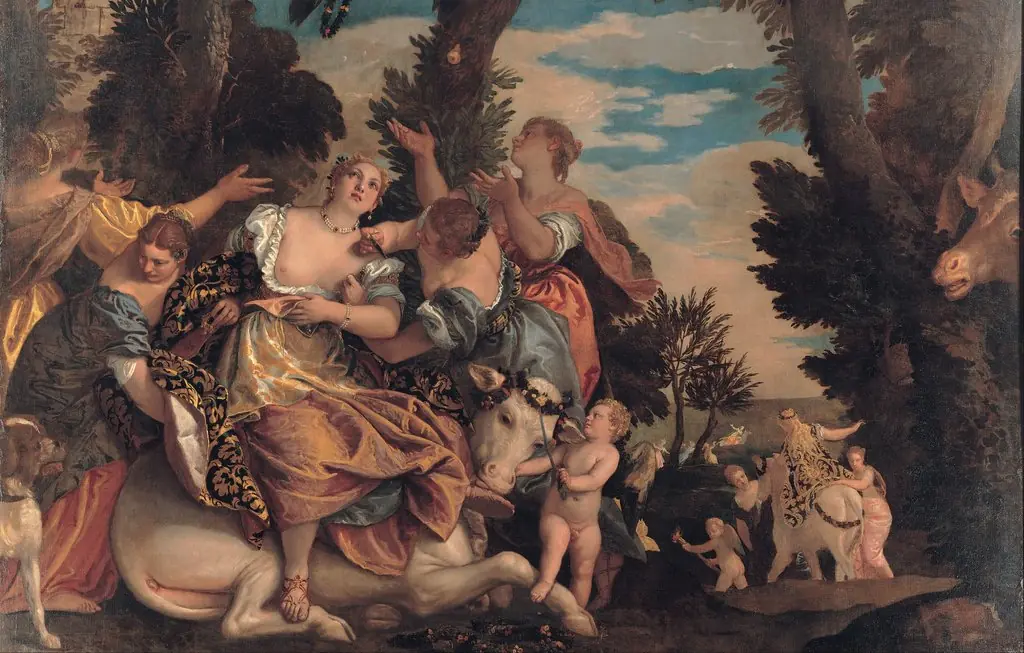
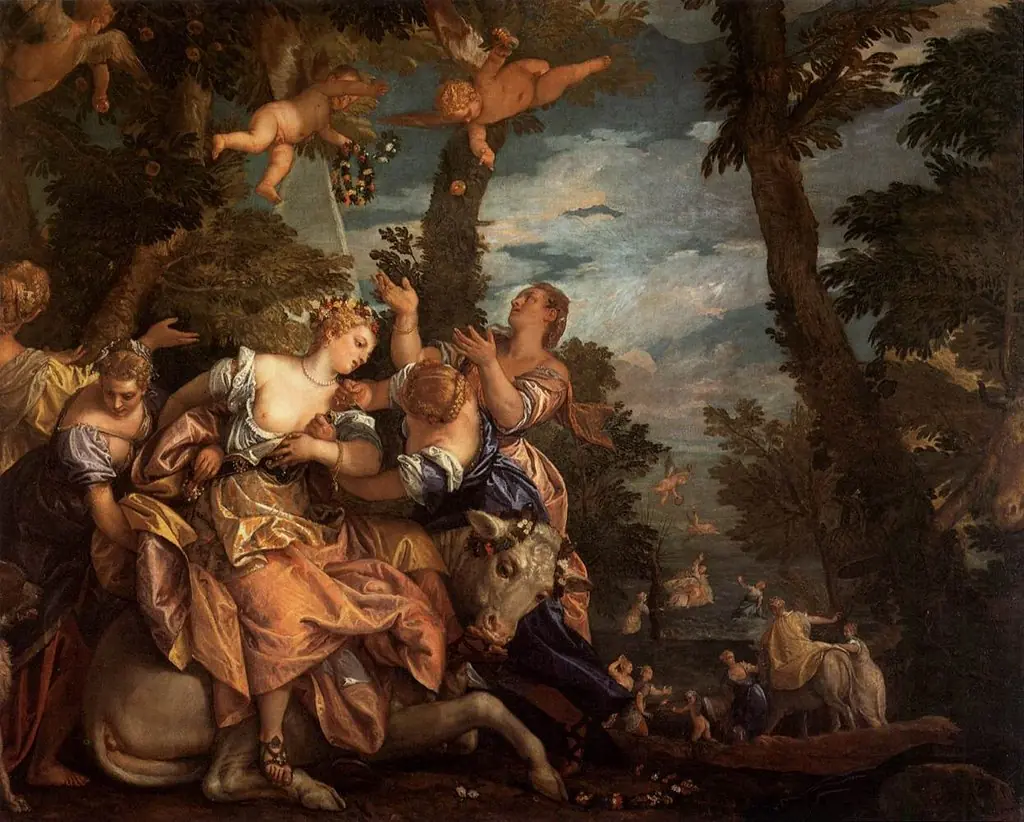
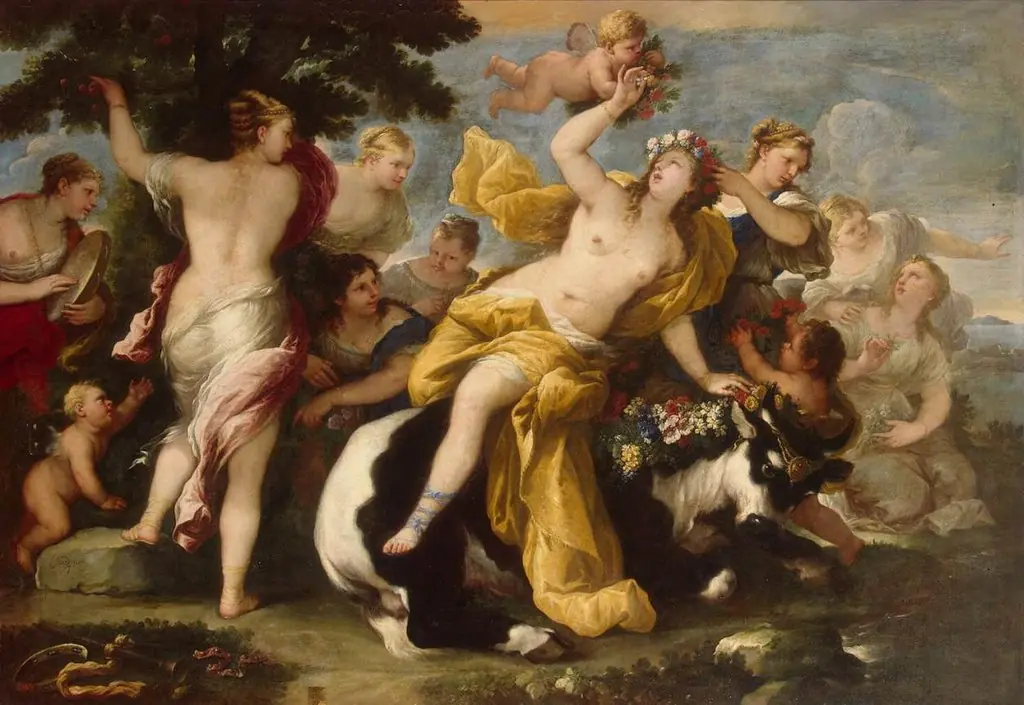
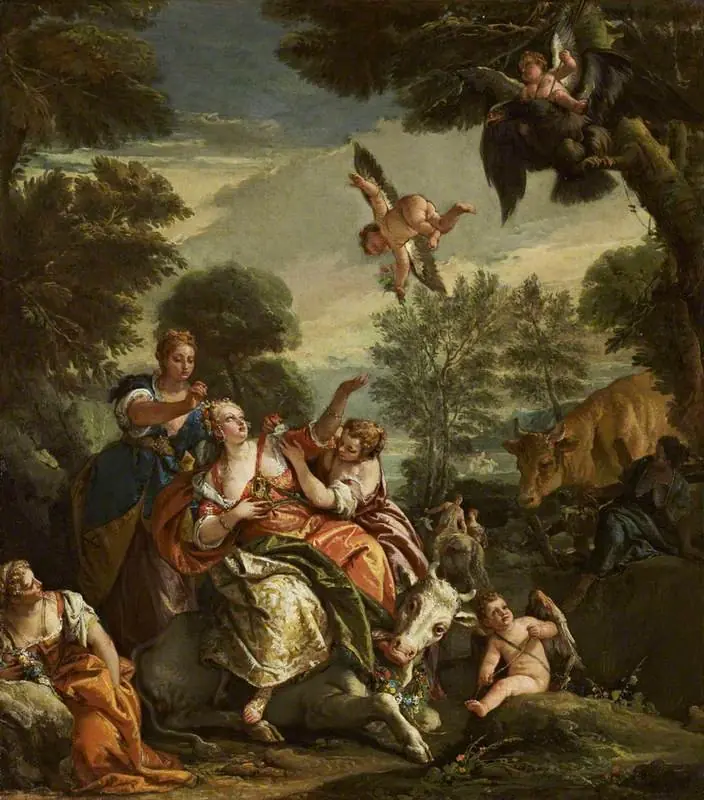
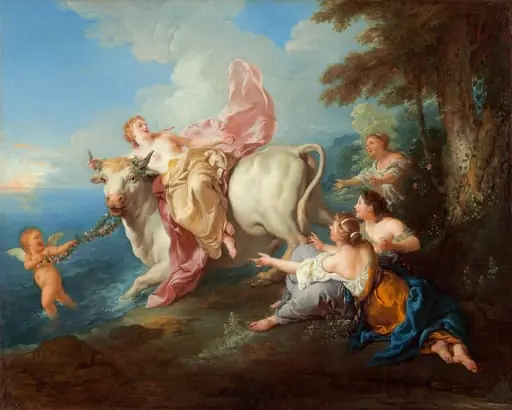
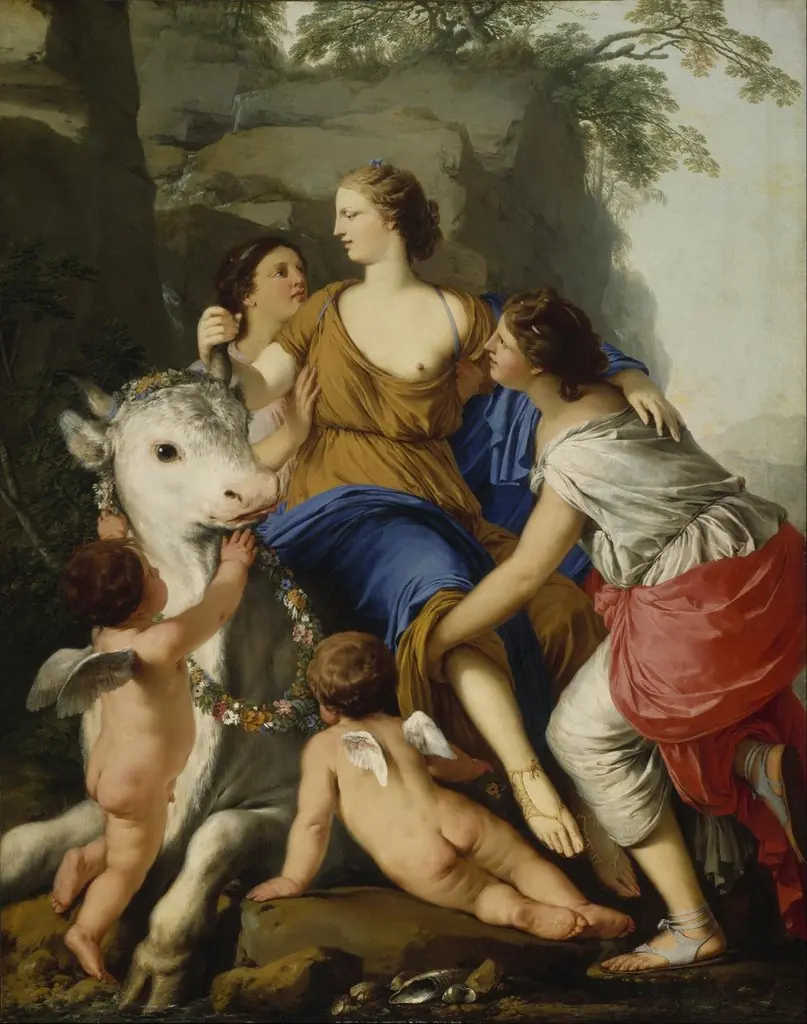
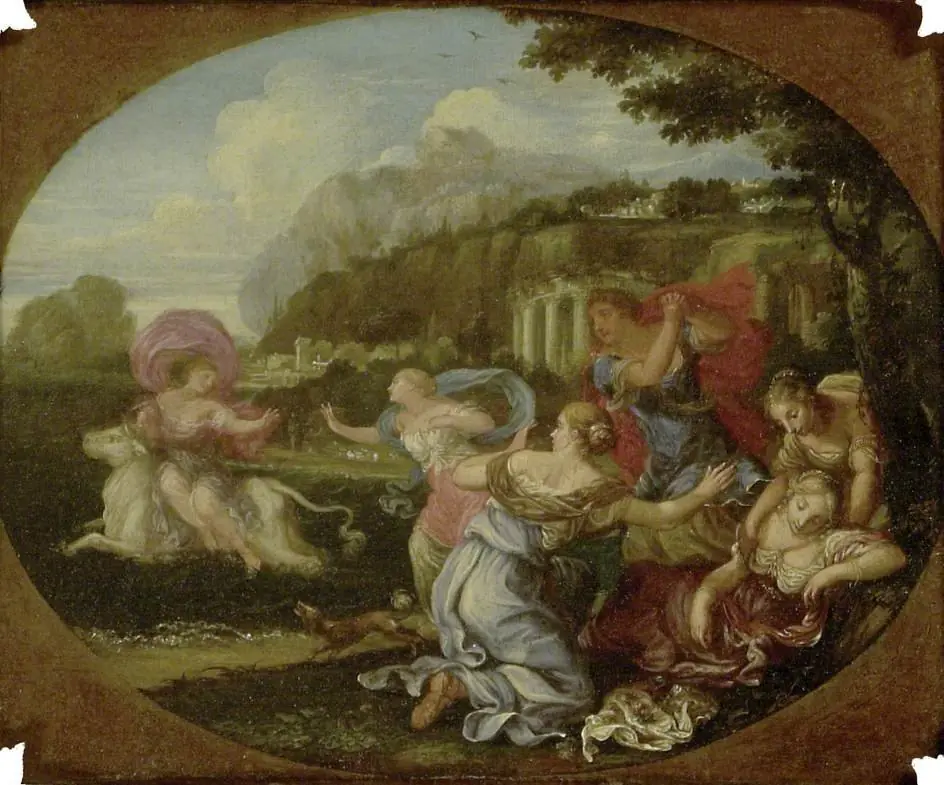
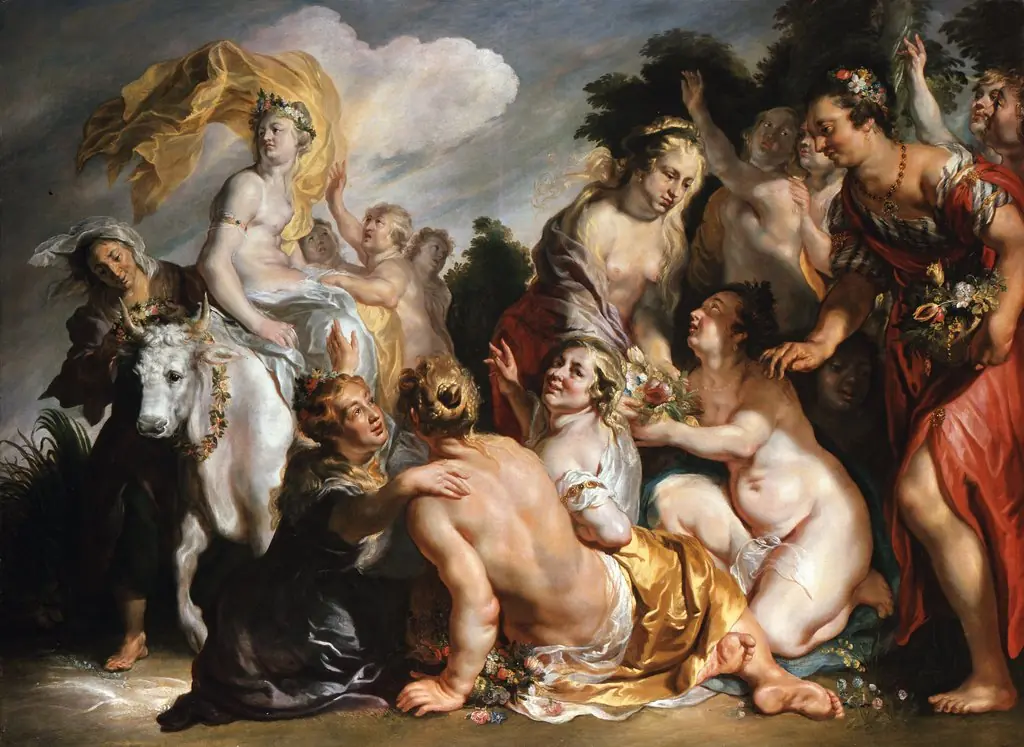
The Rape of Europa is an oil painting by Unknown. It is held in the collection of the Nationalmuseum. This oil painting captures the mythological moment when Europa is seized by a bull, an incarnation of Zeus.
About this work
Overview
The scene unfolds against a naturalistic landscape with distant mountains and open water, enhancing the sense of movement and isolation.
This oil painting captures the mythological moment when Europa is seized by a bull, an incarnation of Zeus. The scene unfolds against a naturalistic landscape with distant mountains and open water, enhancing the sense of movement and isolation. Visible brushwork and a rich palette of blues, greens, and browns contribute to a dynamic atmosphere, while dramatic lighting intensifies the emotional tension of the abduction.
Subject & Meaning
The subject draws from Ovid’s Metamorphoses, in which Zeus transforms into a gentle bull to lure Europa, daughter of a Phoenician king, onto his back before carrying her across the sea to Crete. The scene symbolizes divine intervention and the vulnerability of mortals to higher powers. Europa’s passive posture and flowing garments contrast with the bull’s powerful form, underscoring the inevitability of fate.
Technique & Style
The artist employs chiaroscuro to heighten the drama, with light falling sharply on Europa’s white and gold attire against darker, shadowed waters and foliage. Brushstrokes remain visible, adding texture and immediacy. The color scheme—cool blues and greens for the sea and sky, warm golds for fabric and bull’s drapery—creates visual harmony while guiding the viewer’s eye toward the central figures.
History & Provenance
The painting was created in the early 17th century, likely during the artist’s time in Italy, where classical myths were frequently revisited by painters. It entered a private collection shortly after completion and later passed through several European aristocratic holdings before being acquired by its current institution. Documentation from the 18th century confirms its attribution and early ownership.
Context
Produced during a period when mythological themes dominated elite art patronage, the work reflects broader Renaissance and Baroque interests in classical narratives. Artists across Europe used such subjects to demonstrate technical skill and intellectual refinement. The depiction of Europa aligns with contemporary interpretations that emphasized emotional intensity and naturalistic detail over idealized form.
Legacy
The painting contributed to the enduring visual language of Europa’s myth in Western art. Its composition influenced later depictions of mythological abduction, particularly in how movement and light were used to convey psychological tension. Though not widely exhibited in its early years, it became a reference point for 19th-century scholars studying Baroque narrative painting.
Artist & collection

 Domestic Scene
 Giacomo and Cardinal Marco, investing Andrea, Abbot of San Zeno, with his Benefice
 The Nymph of Fontainebleau
 Portrait of a Woman
 Madonna and Child with Saints in the Enclosed Garden
 Venus and Minerva
 Family Group of Four on Sofa
 Wall painting from Room H of the Villa of P. Fannius Synistor at Boscoreale