Artwork
Saint Andrew
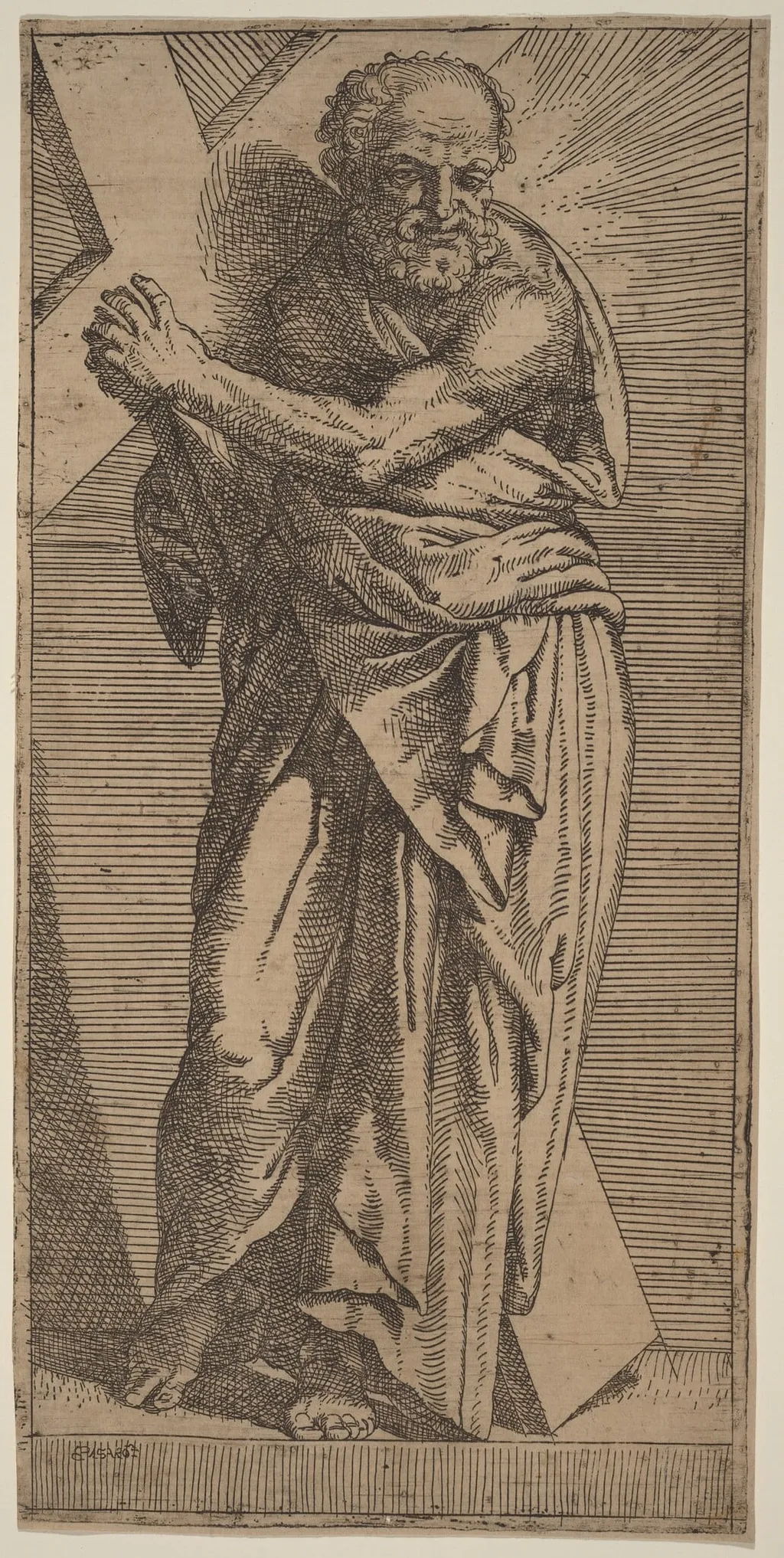
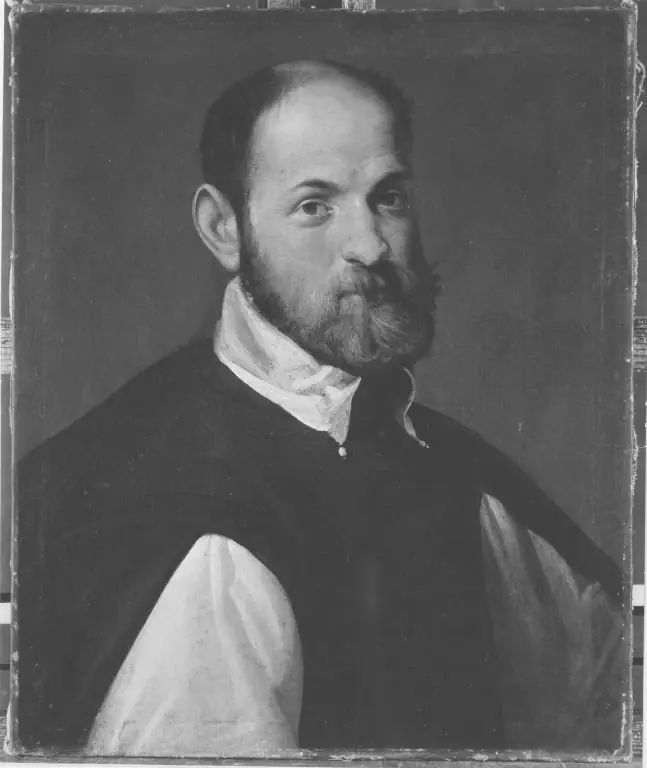
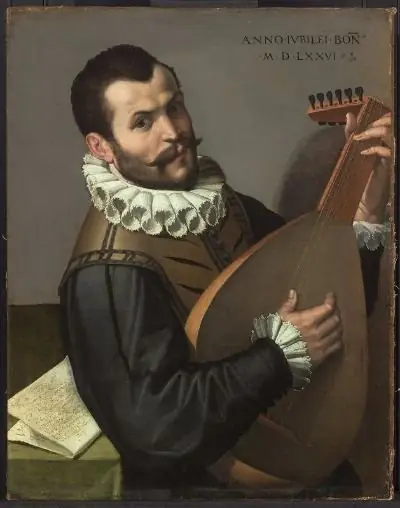
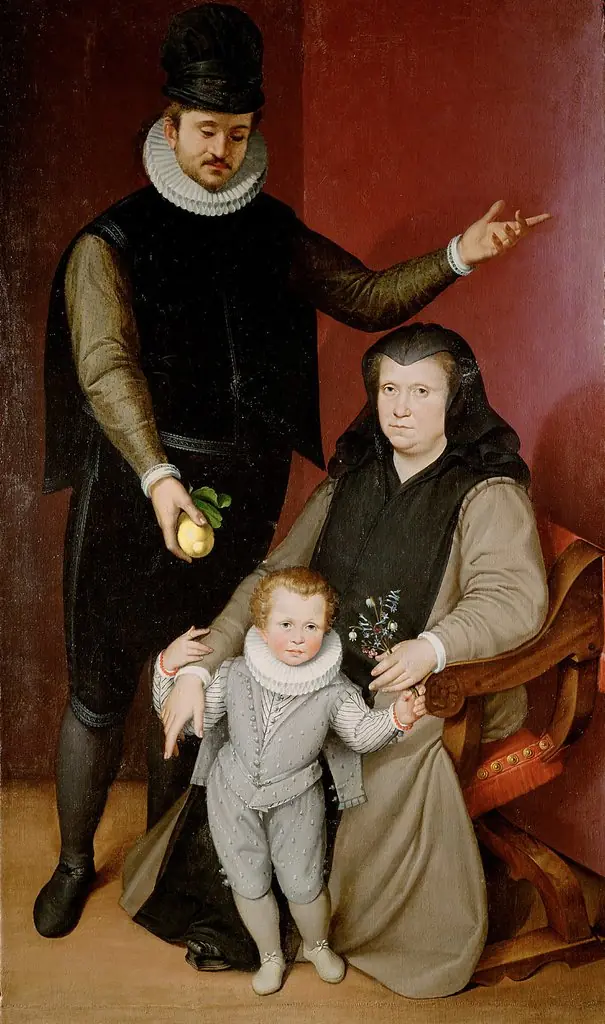
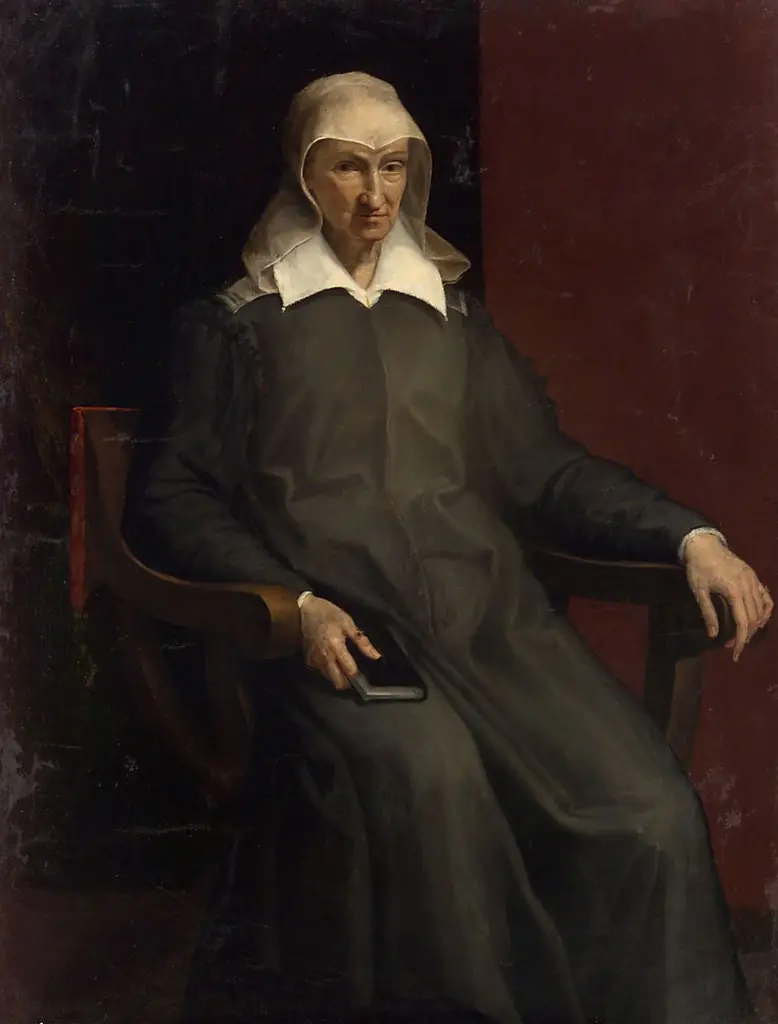
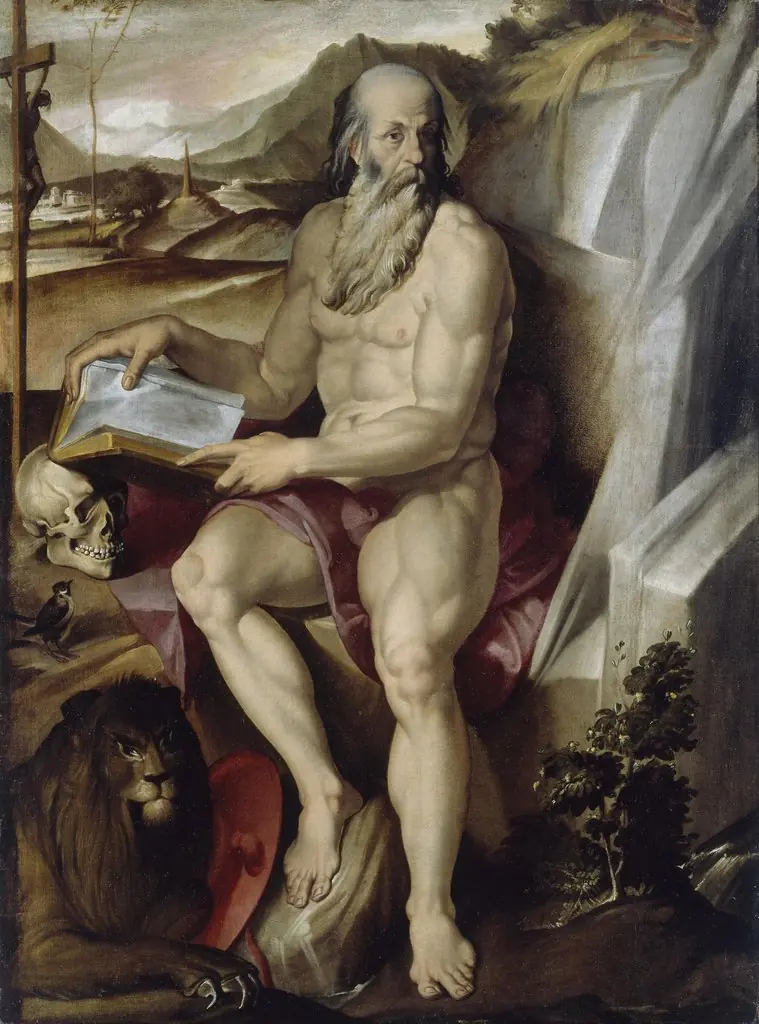
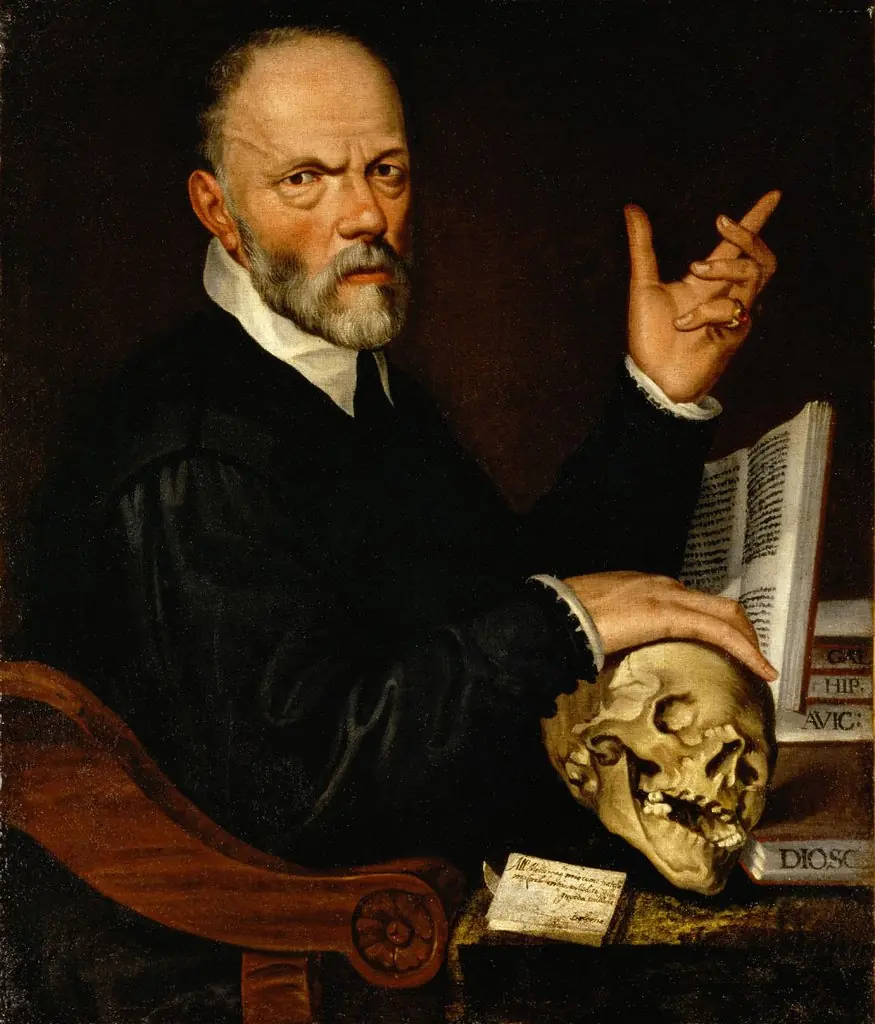
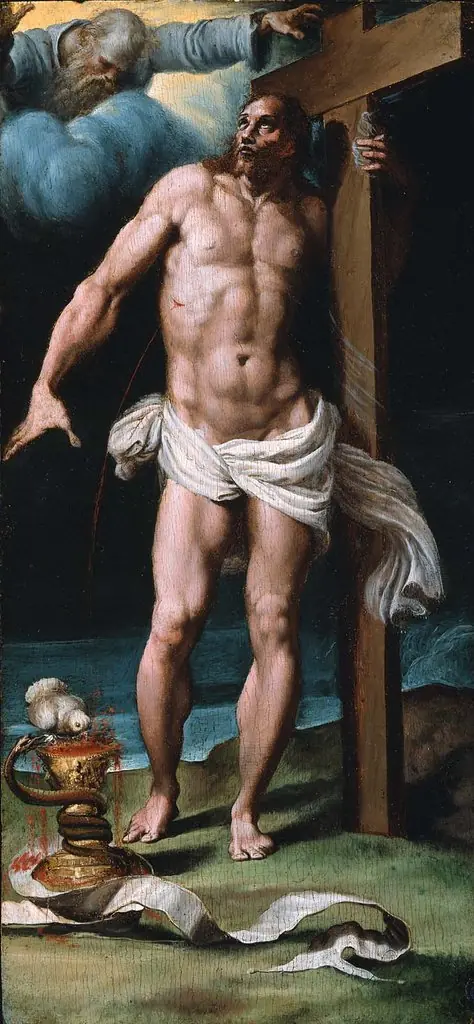
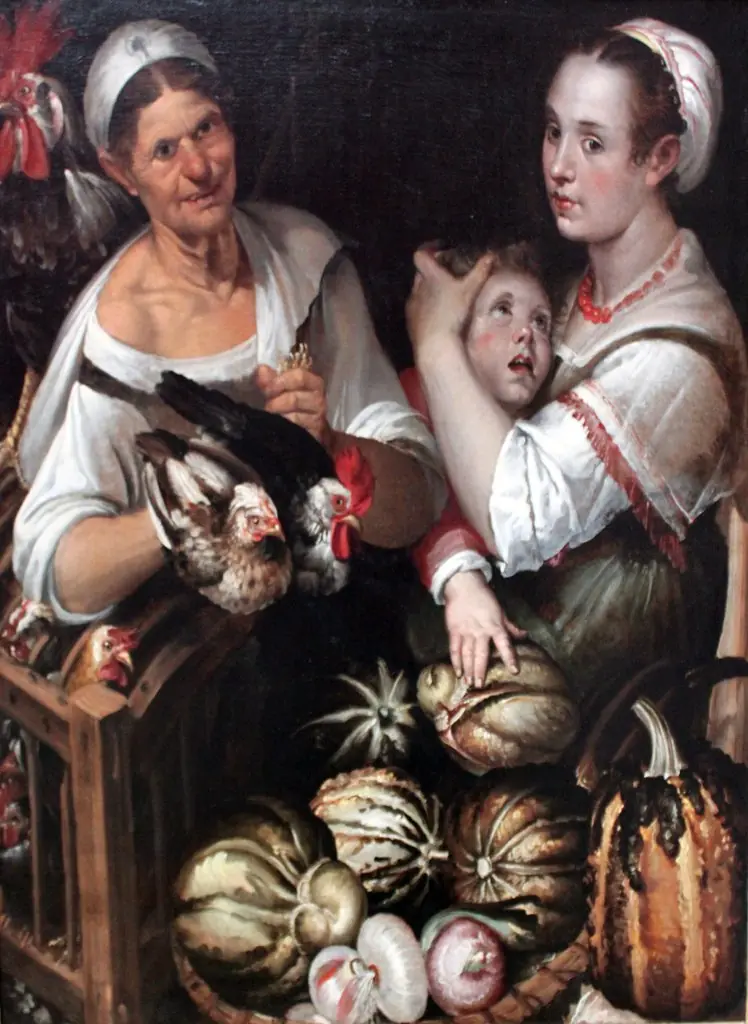
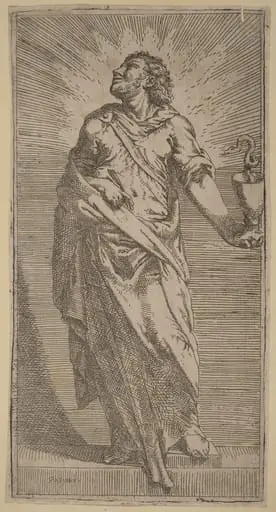
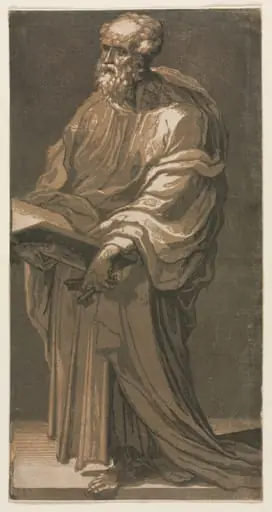
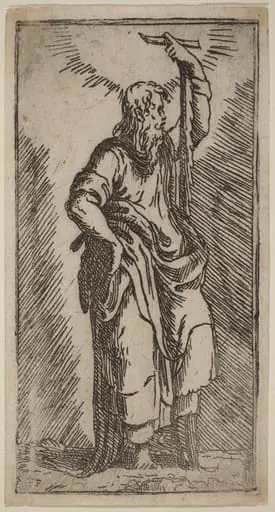
Saint Andrew is an ink print by the Renaissance artist Bartolomeo Passarotti. It dates from 1560 and is held in the collection of the National Gallery of Art.
About this work
Overview
Saint Andrew is a 1560 etching by Italian Mannerist Bartolomeo Passarotti, active primarily in Bologna. The work exemplifies the artist's religious themes and characteristic style.
Subject & Meaning
The etching portrays a bearded, robe-clad figure, identified as Saint Andrew, standing in contemplative posture with arms crossed and a serious expression. The composition conveys a sense of solemn introspection.
Technique & Style
Passarotti employed etching to achieve intricate details and nuanced tonal variations. The image features elongated forms and expressive lines, hallmarks of Mannerist aesthetics. A background of intersecting lines, including a prominent X shape behind the saint's head, adds depth and texture.
History & Provenance
Created in 1560, the etching is attributed to Passarotti, whose surname appears in various historical records (Passarotti, Passerotti, Passarotto). Provenance details are not specified in available information.
Context
Saint Andrew reflects the religious and artistic currents of 16th-century Bologna, where Mannerist styles dominated. The piece aligns with the period's emphasis on expressive, often unconventional, interpretations of traditional subjects.
Legacy
While specific influence or notable exhibitions of this etching are not detailed in provided sources, it contributes to the broader understanding of Passarotti's oeuvre and the evolution of Mannerist printmaking in Italy.
Artist & collection
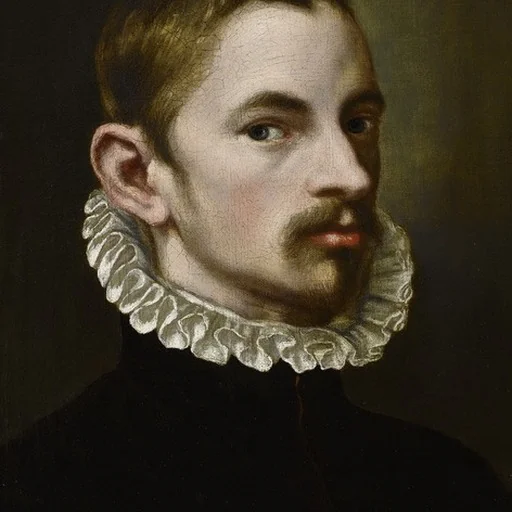
Artist
Bartolomeo Passarotti or Passerotti (1529–1592) was an Italian painter of the mannerist period, who worked mainly in his native Bologna. His family name is also spelled Passerotti or Passarotto.