Artwork
Charles de Bucquoy
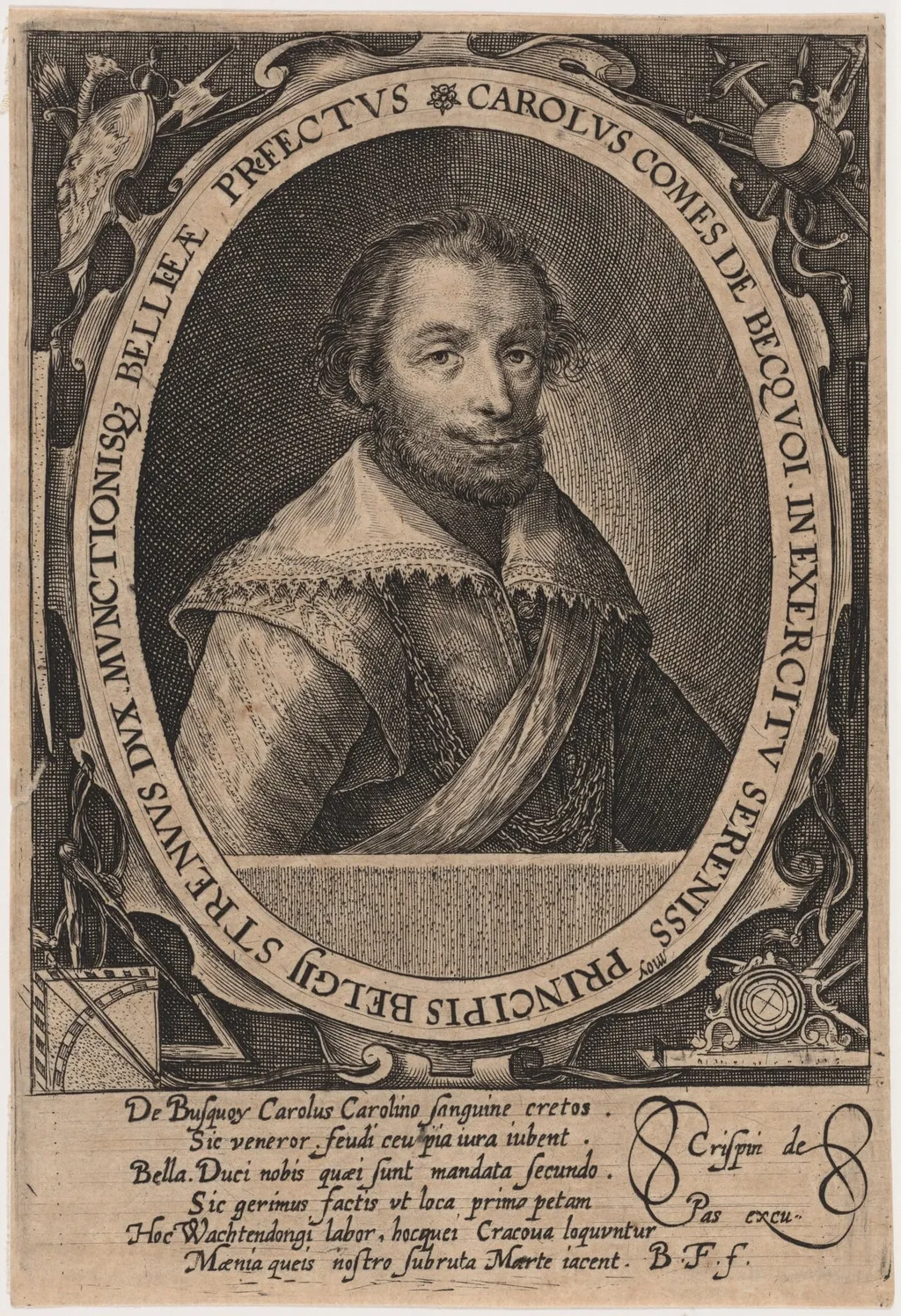
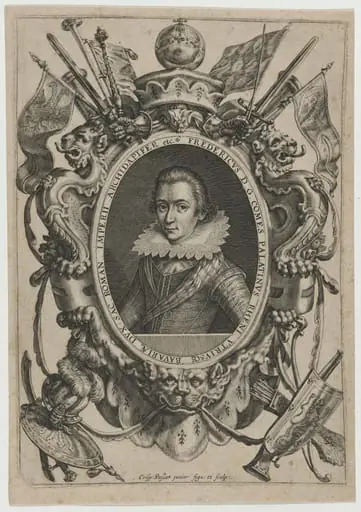
Charles de Bucquoy is an ink print by the Renaissance artist Crispijn van de Passe I. It dates from 1601 and is held in the collection of the National Gallery of Art.
About this work
Overview
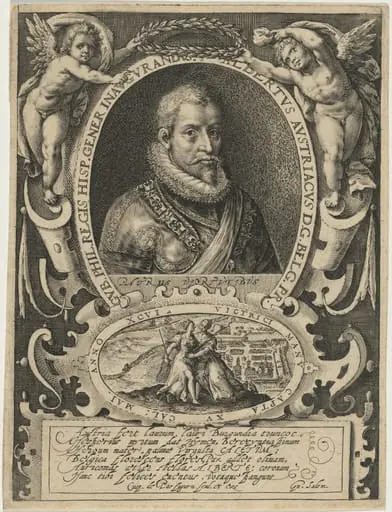
Rendered in fine line work, the portrait is enclosed within an ornate oval border, integrating heraldic symbols and Latin inscriptions.
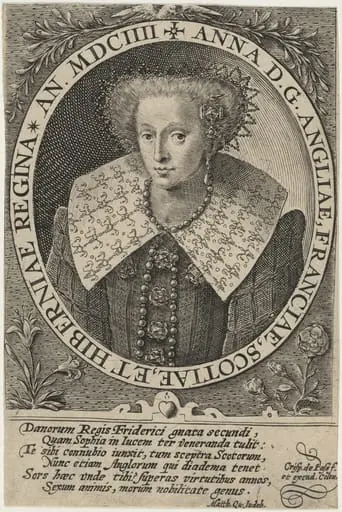
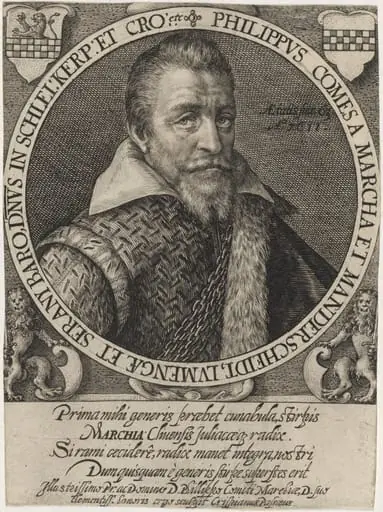
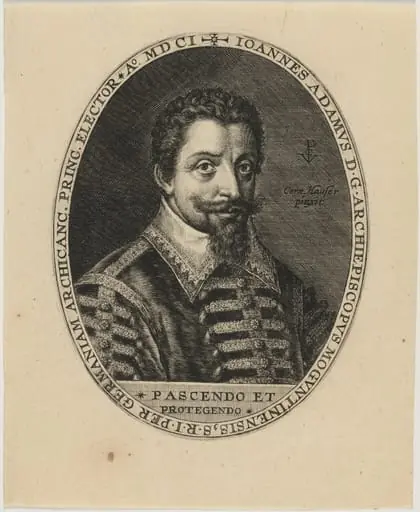
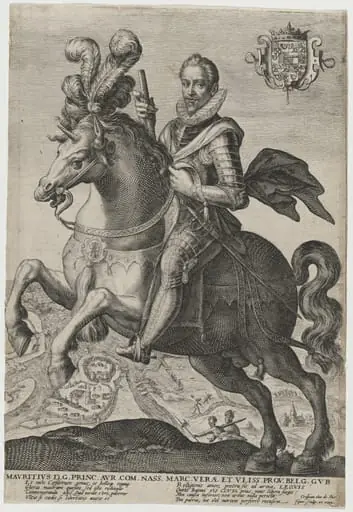
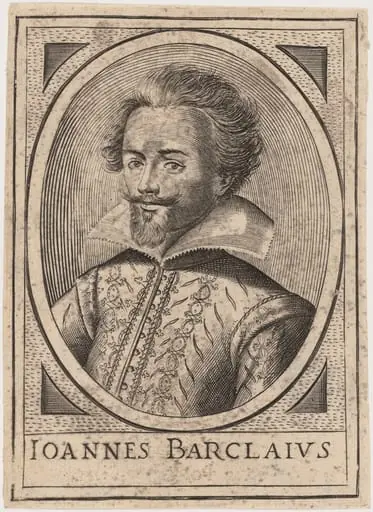
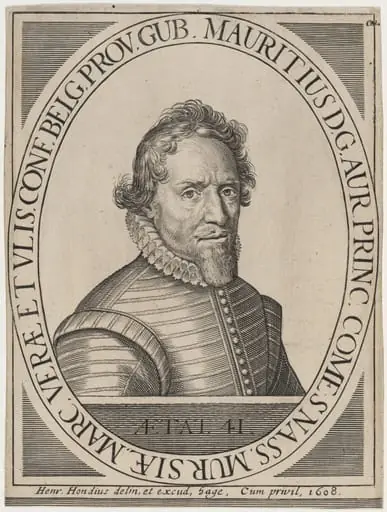
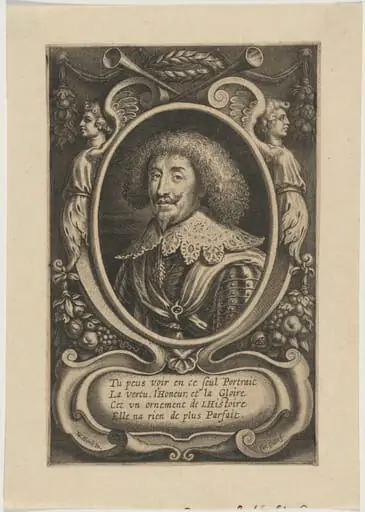
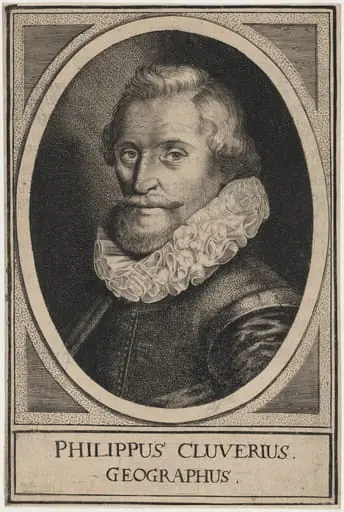
This 1601 engraving by Crispijn van de Passe I depicts Charles de Bucquoy, a nobleman of the Habsburg Netherlands. Rendered in fine line work, the portrait is enclosed within an ornate oval border, integrating heraldic symbols and Latin inscriptions. The composition reflects the tradition of aristocratic portraiture in early 17th-century Northern Europe, where visual detail served to convey status and intellectual identity.
Subject & Meaning
Charles de Bucquoy, a military officer and member of the nobility, is portrayed with attributes suggesting his role: a sword implies martial duty, a shield denotes defense and honor, and a book signifies learning. The Latin text likely identifies his lineage or titles. Together, these elements construct a visual statement of noble virtue, blending martial and scholarly ideals common among elite men of the period.
Technique & Style
Van de Passe employed meticulous cross-hatching to model form and texture, particularly in the subject’s curly hair, beard, and the folds of his dark jacket. The white collar stands out sharply against the shadowed tones, enhancing contrast. The engraved frame, with its intricate decorative motifs, demonstrates the artist’s command of fine-line engraving, a hallmark of Northern Renaissance printmaking that prioritized precision over broad tonal effects.
History & Provenance
Created in 1601, the engraving was likely produced for circulation among aristocratic circles in the Low Countries or the Holy Roman Empire. Crispijn van de Passe I, based in Utrecht and later Cologne, was known for producing portrait prints of nobility and scholars. The work’s survival in multiple institutional collections suggests it was widely distributed and valued as a record of elite identity during the early Baroque era.
Context
In the early 1600s, engraved portraits served as both personal mementos and tools of political representation. Van de Passe’s work aligns with a broader trend in Northern Europe where printmakers translated painted likenesses into reproducible formats. The integration of symbolic objects within the frame echoes the emblematic traditions of humanist culture, linking individual identity to classical and chivalric ideals.
Legacy
Crispijn van de Passe I’s portrait engravings, including this one, contributed to the standardization of aristocratic portraiture in print. His technical precision influenced later generations of engravers across Europe. While not widely known today outside specialist circles, such works remain important for understanding how status, learning, and lineage were visually codified in the early modern period.
Artist & collection

Artist
Crispijn van de Passe I (1564–1637) was an artist, born in Arnemuiden.